
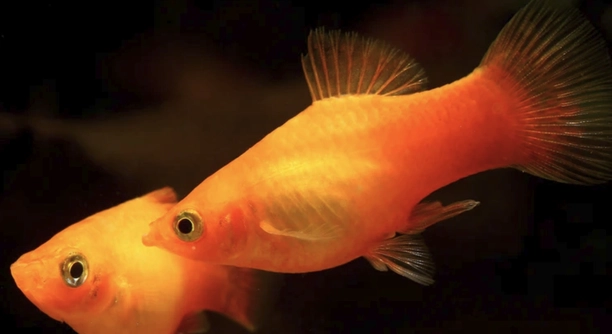
Platies are popular freshwater fish known for their peaceful nature and vibrant colors. Many keepers enjoy watching their playful behavior and social interactions in home aquariums. These small fish can display a range of responses to their environment and companions.
Platies can exhibit signs of stress, which may resemble depression or loneliness, especially when kept in isolation or poor conditions. Proper social grouping and environment enrichment are essential to support their mental and physical well-being.
Understanding how platies respond to their surroundings helps ensure they thrive in captivity and remain healthy companions for aquarists.
Signs of Depression or Loneliness in Platies
Platies are social fish that thrive best in groups. When they are kept alone or in an environment lacking stimulation, their behavior can change noticeably. You might see a platy become less active, hide more often, or stop eating regularly. These behaviors can be signs that the fish is feeling stressed or lonely. Stress in fish may also weaken their immune system, making them more prone to illness. It is important to watch for these changes early so you can adjust their care. Adding more platies or providing a more enriched tank with plants and hiding spots often helps improve their mood and activity. Keeping water quality high and maintaining a consistent routine are also key factors in preventing stress-related behavior.
Platies that are isolated or in poor conditions may show clear signs of distress and reduced social interaction.
Addressing loneliness in platies means ensuring they have suitable tank mates and enough space to swim freely. A well-maintained aquarium with varied plants, decorations, and hiding spots encourages natural behaviors. Observing how your platies interact can help you understand their social needs better. If one fish seems withdrawn, it might need more companions or environmental changes. Keeping platies in small groups of at least three to five is recommended to promote healthy social interaction. This balance supports their natural behaviors and keeps them mentally engaged, reducing stress and improving their overall quality of life.
How to Prevent Loneliness in Platies
Providing companionship is essential for platies to feel secure and happy.
Platies are naturally schooling fish that benefit from living in groups. Keeping at least three to five platies together allows them to interact, swim, and establish social hierarchies, which reduces stress. Besides companionship, a varied environment with plants, decorations, and places to hide helps keep them active and mentally stimulated. Regular maintenance of water quality is also critical because poor conditions can cause stress, mimicking symptoms of loneliness or depression. Feeding them a balanced diet and observing their behavior daily allows you to spot early signs of problems. Making these adjustments helps ensure that your platies remain lively and healthy over time.
Environmental Factors Affecting Platy Behavior
Water quality greatly impacts platy behavior. Poor water conditions cause stress and can lead to withdrawal or lethargy. Temperature fluctuations and improper pH levels also affect their mood and health.
Maintaining stable water conditions is essential. Regular testing for ammonia, nitrites, nitrates, and pH helps ensure a safe environment. Platies prefer temperatures between 70°F and 80°F and a neutral to slightly alkaline pH. Keeping the tank clean and properly filtered reduces harmful substances. Stress from poor water quality often results in loss of appetite and unusual hiding. Consistent care with water changes and monitoring will keep platies comfortable and less prone to stress-related behaviors.
Lighting and tank setup also influence their activity. Natural day-night cycles encourage normal patterns. Avoid overcrowding, as this can cause tension and reduce social interaction. A well-organized tank with plants and open spaces lets platies swim freely, promoting mental health.
Feeding and Interaction Tips for Happy Platies
Feeding platies a balanced diet supports their health and mood.
A varied diet including flakes, pellets, and occasional live or frozen foods keeps platies nourished and active. Avoid overfeeding to prevent water quality problems, which can cause stress. Observing their eating habits can signal their well-being; healthy platies usually eat eagerly. Interacting gently with your fish by tapping or waving near the tank can help them recognize you, strengthening their environment’s familiarity. Maintaining a routine feeding schedule helps reduce stress and keeps their behavior stable. Simple attention to feeding and interaction routines promotes a happier, healthier group of platies.
Social Needs of Platies
Platies naturally live in groups and enjoy social interaction. Keeping them in pairs or larger groups helps reduce loneliness.
Isolation can cause stress and odd behavior. Group living supports their well-being and encourages natural activity.
Common Behavioral Changes When Stressed
Stressed platies may become less active, hide frequently, or lose interest in food. These changes are signs of discomfort. Observing behavior closely helps catch problems early. Quick intervention by improving tank conditions or adding companions can restore their normal behavior and health.
Tank Setup Recommendations
A well-planted tank with plenty of swimming space supports platies’ mental and physical health. Including plants and decorations provides hiding spots and breaks the line of sight, reducing aggression. Avoid overcrowding to keep the environment peaceful and stimulating. Regular cleaning and water changes maintain water quality, which is crucial for stress prevention. Simple changes in the tank setup can make a big difference in how platies behave and interact with each other.
Recognizing Depression vs. Illness
Some signs of depression overlap with illness symptoms in platies. Monitoring health and behavior carefully helps distinguish between the two. If physical symptoms appear, consult a specialist to address medical issues promptly.
FAQ
Can platies really get depressed or lonely?
Yes, platies can show signs of stress or loneliness, especially when kept alone or in a poor environment. These feelings may not be exactly like human depression, but fish can become less active, hide often, or stop eating, which are signs of distress. Providing social groups and a healthy environment helps prevent these issues.
How many platies should I keep together?
It’s best to keep platies in groups of at least three to five. This allows them to interact naturally and feel secure. Smaller groups or isolated platies often become stressed or show odd behaviors. A group size encourages social behavior and reduces loneliness.
What are the key signs my platy is stressed or lonely?
Look for changes like hiding more than usual, decreased activity, loss of appetite, or unusual swimming patterns. These signs can indicate that the fish is uncomfortable or stressed. Monitoring behavior closely is important to catch these signs early.
Can poor water quality cause behavior similar to depression?
Yes, poor water quality is a major stress factor. High ammonia, nitrite, or nitrate levels, wrong temperature, or pH imbalances can make platies lethargic or cause them to hide. Keeping water clean and stable is crucial to prevent stress-related behavior.
What tank conditions help prevent loneliness in platies?
A well-maintained tank with stable water parameters, plenty of plants, hiding spots, and enough swimming space helps keep platies mentally and physically healthy. Avoid overcrowding but maintain a social group. Consistent lighting cycles and routine care support their well-being.
Is it okay to keep platies with other fish?
Yes, platies are peaceful and generally do well with other non-aggressive species. Suitable tank mates can provide additional social interaction, but avoid aggressive or very large fish that could stress or harm platies.
How often should I feed my platies?
Feed platies once or twice daily with a balanced diet, including flakes, pellets, and occasional live or frozen foods. Avoid overfeeding to maintain water quality and prevent health issues.
What should I do if my platy seems withdrawn?
First, check water quality and tank conditions. Add more companions if the platy is alone. Provide hiding places and plants to reduce stress. If the behavior continues or worsens, consider consulting a fish health expert.
Can changes in tank setup affect platy behavior?
Yes, changes like adding plants, decorations, or rearranging the tank can reduce stress and encourage activity. A stimulating environment mimics natural habitats and helps platies feel secure.
How can I tell if my platy is sick rather than lonely?
Sickness often includes physical symptoms like discoloration, spots, torn fins, or unusual breathing. If these appear alongside behavior changes, it’s likely illness. Prompt diagnosis and treatment are important for recovery.
Are platies intelligent enough to recognize their owners?
Platies can learn to recognize feeding times and may respond to your presence at the tank. This recognition is a sign of their ability to adapt and feel secure in their environment.
What role does lighting play in platy behavior?
Consistent lighting helps regulate their day-night cycle, encouraging normal activity patterns. Too much or too little light can cause stress or inactivity. Aim for about 10-12 hours of light daily.
Can platies recover from stress-related behavior?
Yes, with proper care, social grouping, and a good environment, stressed platies often return to normal behavior. Early intervention is key to preventing long-term effects.
Is it necessary to have a heater for platies?
Platies prefer stable temperatures between 70°F and 80°F. In cooler climates or homes, a heater is necessary to maintain warmth. Temperature fluctuations can cause stress and health problems.
What are common mistakes that lead to loneliness or depression in platies?
Common mistakes include keeping them alone, overcrowding, poor water quality, lack of hiding spots, and irregular feeding. These issues cause stress, affecting their behavior and health.
Can platies be left alone for long periods?
It’s best not to leave platies alone for long without companionship. If needed, having at least a small group helps maintain social interaction. Proper tank care during absences is also important.
How often should I check on my platies to ensure they’re doing well?
Daily observation is recommended. This helps detect early signs of stress or illness. Quick response to problems ensures a healthier, happier tank.
What should I do if I notice aggressive behavior in my platies?
Aggression can happen if the tank is overcrowded or lacks hiding spots. Remove aggressive individuals if necessary, provide more space, and add plants or decorations to break lines of sight.
Can platies get along with shrimp or snails?
Yes, platies generally coexist peacefully with small, non-aggressive shrimp and snails. These can help keep the tank clean and add interest to the environment.
Does changing water too often stress platies?
Frequent small water changes are better than large sudden changes. Sudden shifts in water parameters can stress fish. Maintaining consistency is key to their comfort and health.
Platies are small, lively fish that benefit greatly from proper care and attention to their environment. Understanding their social nature is important because these fish do best when kept in groups. When platies are isolated or kept alone, they may show signs of stress or loneliness, which can affect their behavior and overall health. Providing a well-maintained tank with companions and places to explore helps keep platies active and reduces the chances of them becoming withdrawn or inactive. Paying attention to their needs can improve their quality of life and make them more enjoyable to watch.
Maintaining good water quality and stable conditions plays a major role in keeping platies healthy and comfortable. These fish are sensitive to changes in temperature, pH, and harmful substances in the water, all of which can cause stress and lead to behaviors that look like sadness or depression. Regular water testing, cleaning, and avoiding overcrowding create a safe space for platies to thrive. Additionally, a balanced diet supports their immune system and energy levels, making them more resilient to stress. Small adjustments in tank setup and care routines can have a big impact on their well-being.
Ultimately, caring for platies involves recognizing the signs they show when something is wrong and responding quickly. Whether it is by adding more companions, improving the tank environment, or addressing health concerns, these steps can help platies live happier lives. Observing your fish daily helps you stay aware of changes in behavior and health, which is key to providing the best care. Taking the time to meet their social and environmental needs ensures your platies remain vibrant and active, bringing lasting enjoyment to your aquarium.

Hello,
If you enjoy the content that we create, please consider saying a "Thank You!" by leaving a tip.
Every little bit helps us continue crafting quality advice that supports the health, happiness, and well-being of pets around the world, for pets of all shapes, sizes, and species.
We really appreciate the kindness and support that you show us!