
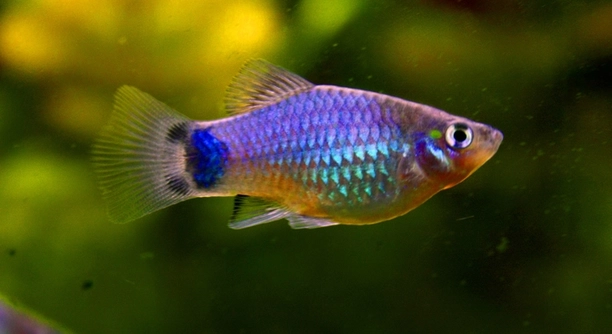
Platies are popular fish for beginners because they are colorful and easy to care for. Many new fish owners find themselves learning about these small, peaceful swimmers. Understanding their needs helps keep them healthy and happy.
Beginners often ask common questions about platies, including their care requirements, tank setup, feeding habits, and breeding. Knowing these basics supports responsible fishkeeping and improves the overall experience with platies.
These simple questions help new owners build confidence and enjoy their aquariums more fully. Clear answers make caring for platies less confusing and more rewarding.
What Do Platies Eat?
Platies are not picky eaters, which makes them great for beginners. They enjoy a diet that includes flake food, pellets, and live or frozen foods like brine shrimp or bloodworms. Providing a balanced diet helps keep them healthy and vibrant. It’s good to offer small amounts of food two to three times a day. Overfeeding can lead to water quality issues, so it’s best to feed only what they can eat in a few minutes. Including some vegetable matter, such as blanched spinach or zucchini, is also beneficial because platies are omnivores. This variety supports their digestion and overall wellbeing. Changing up their diet occasionally helps prevent boredom and encourages natural foraging behavior.
Feeding platies a mix of foods ensures they get all necessary nutrients and stay active in the tank.
Keeping their diet balanced and varied makes a big difference in their health. It’s easy to provide what they need without much fuss, which is helpful when you’re new to fish care. Watching platies enjoy their meals can be satisfying and adds life to your aquarium. When you start noticing their bright colors and lively behavior, you’ll know you’re doing it right. A good feeding routine also helps keep tank water clean by reducing leftover food. This prevents problems like algae buildup and poor water conditions. Taking a little time each day to feed your platies properly helps them thrive and adds enjoyment to your aquarium setup.
How Big Do Platies Get?
Platies usually grow to about 2 to 3 inches long.
Their size makes them perfect for small to medium tanks. They don’t need a lot of space but still appreciate room to swim around freely. Proper tank size and maintenance are important to support their growth and keep them healthy.
How Often Should You Change Platy Tank Water?
Changing the tank water regularly is important to keep platies healthy. A weekly water change of about 25% is recommended to remove waste and keep the water clean.
Regular partial water changes help maintain stable water conditions and reduce harmful toxins like ammonia and nitrites. Completely changing all the water at once can stress the fish, so it’s better to do smaller, frequent changes. Using a water conditioner removes chlorine and chloramine from tap water, making it safe for platies. Monitoring water quality with simple test kits also helps keep the tank environment balanced. Keeping the tank clean supports platies’ immune systems and prevents diseases.
A consistent water change schedule is an easy way to ensure your fish stay happy and healthy. It also helps avoid costly problems related to poor water quality. Spending a little time each week on water maintenance pays off with vibrant, active platies.
Can Platies Live with Other Fish?
Platies are peaceful fish and generally get along well with other community fish. They thrive with similar-sized, non-aggressive species.
When choosing tank mates, consider fish that share similar water requirements and temperaments. Avoid large or aggressive fish that might stress or harm platies. Good companions include guppies, mollies, and tetras. Make sure the tank is spacious enough to accommodate multiple species comfortably. Overcrowding can lead to stress and poor water quality, so keep the fish count balanced. Introducing new fish slowly helps reduce aggression and allows everyone to adjust. A well-planned community tank creates a lively and peaceful environment for platies to thrive.
How Long Do Platies Live?
Platies usually live for about 2 to 3 years with proper care. Their lifespan depends on tank conditions and diet quality.
Keeping the water clean and feeding them a balanced diet can help extend their life. Stress and poor water quality shorten their lifespan.
How Do You Breed Platies?
Platies breed easily in home aquariums. Females give birth to live young, called fry, without needing eggs to hatch outside the body. To encourage breeding, keep a healthy group with more females than males. Provide plants or hiding places for the fry to avoid being eaten. Feeding high-quality food to pregnant females helps ensure strong babies. The fry grow quickly and can be separated once they are large enough to avoid competition with adults.
What Are Common Platy Diseases?
Common diseases include ich and fin rot, usually caused by poor water quality or stress.
What is the ideal tank size for platies?
Platies do well in tanks that hold at least 10 gallons. This size provides enough swimming space and helps maintain stable water conditions. A larger tank is better if you want to keep a group or add other fish. Proper filtration and regular maintenance are also key to keeping the environment healthy.
How often should I feed my platies?
Feeding small amounts two to three times a day is best. Give only what they can eat in about two minutes. Overfeeding can pollute the water and cause health problems. Variety in their diet, including flakes and occasional live or frozen food, keeps them healthy.
Can platies live in cold water?
Platies prefer warmer water, ideally between 70°F and 78°F (21°C to 26°C). Cooler temperatures slow their metabolism and make them more prone to illness. A heater is usually necessary to keep their tank comfortable year-round.
Are platies easy to breed?
Yes, platies breed quickly and easily. Females give birth to live young, so you won’t see eggs. Keeping several females with fewer males encourages healthy breeding. It’s important to have plants or hiding spots for the fry since adult fish may eat them.
How do I tell male and female platies apart?
Males are smaller and have a pointed anal fin called a gonopodium. Females are larger with a rounder anal fin. This difference is clear once they mature, making it easier to identify their gender for breeding or tank management.
What kind of water parameters do platies need?
Platies thrive in water with a pH between 7.0 and 8.3. They prefer moderate hardness and stable temperatures. Regular water testing helps keep these levels in check, preventing stress and health issues.
How can I prevent diseases in my platies?
Maintaining clean water and avoiding overcrowding are the best ways to prevent diseases. Quarantining new fish before adding them to the tank reduces risk. Watch for signs of illness, like white spots or torn fins, and act quickly if symptoms appear.
Do platies require special lighting?
Normal aquarium lighting works fine for platies. Lighting supports plant growth and shows off their colors. Avoid too much direct sunlight, which can cause algae and temperature spikes.
Can platies live with other fish species?
Platies are peaceful and do well with other calm fish of similar size. Avoid aggressive or much larger fish that might harm them. Good companions include guppies, mollies, and small tetras. Always consider tank size and fish personalities before mixing species.
What plants are best for a platy tank?
Live plants like Java moss, Anubias, and hornwort provide hiding spots and improve water quality. Plants also create a natural environment that reduces stress for platies. They help absorb waste and oxygenate the water, contributing to a balanced tank.
How often should I clean the platy tank?
Perform a partial water change of about 25% weekly to keep water fresh. Clean the substrate gently to remove debris, but avoid disturbing beneficial bacteria. Regular filter maintenance is also essential to ensure proper tank function.
Why are my platies hiding?
Hiding can mean stress, poor water quality, or illness. Check water parameters and tank conditions first. Sometimes platies hide during breeding or after adding new fish. Providing plants and decorations helps them feel safe and secure.
What is the best substrate for platies?
Smooth gravel or sand works well. Avoid sharp or rough substrates that could injure their delicate fins. Substrate also supports beneficial bacteria and plant roots, helping maintain a healthy tank environment.
Do platies need a tank cover?
Yes, platies can jump, so a secure cover is recommended. A lid also helps reduce evaporation and keeps dust and contaminants out of the tank. Make sure the cover allows air flow for oxygen exchange.
How fast do platies grow?
Platies grow quickly, reaching adult size in about 6 to 9 months. Proper diet and clean water support steady growth. Juveniles need extra care to ensure they develop strong and healthy.
Is it necessary to cycle a platy tank before adding fish?
Absolutely. Cycling the tank establishes beneficial bacteria that break down waste. Adding platies before cycling can lead to toxic buildup and stress or death. Cycling usually takes 4 to 6 weeks and is essential for a safe aquarium.
This FAQ covers many of the common beginner questions about platies, making it easier to care for these colorful fish successfully.
Platies are great fish for anyone starting out with aquariums. They are small, colorful, and generally easy to care for. With the right setup and basic knowledge, keeping platies can be a rewarding experience. Many beginners enjoy watching their lively behavior and bright colors. These fish adapt well to a variety of conditions, but it is still important to provide proper care. This includes feeding them a balanced diet, keeping their tank clean, and ensuring the water stays within a good temperature range. Small efforts make a big difference in the health and happiness of platies.
It is helpful to remember that platies need space to swim and places to hide. A tank of at least 10 gallons is recommended, with plants or decorations for cover. Platies are social fish and do better in groups, so having more than one is ideal. They get along with other peaceful fish, which can make the tank more interesting. Regular water changes and careful monitoring of water quality help prevent diseases and stress. When you keep their environment stable, platies tend to live longer and show brighter colors. Even simple routines like feeding them small meals several times a day can improve their wellbeing.
Overall, caring for platies does not have to be complicated. Learning about their needs and keeping a steady schedule makes a big difference. These fish offer a great way to start learning about aquarium care without feeling overwhelmed. While they are forgiving, paying attention to basics like diet, tank size, and water conditions will help them thrive. Enjoying platies is about observing their behavior, making small improvements, and watching them grow healthy and active. With patience and care, platies can bring life and color to your home for years to come.

Hello,
If you enjoy the content that we create, please consider saying a "Thank You!" by leaving a tip.
Every little bit helps us continue crafting quality advice that supports the health, happiness, and well-being of pets around the world, for pets of all shapes, sizes, and species.
We really appreciate the kindness and support that you show us!