
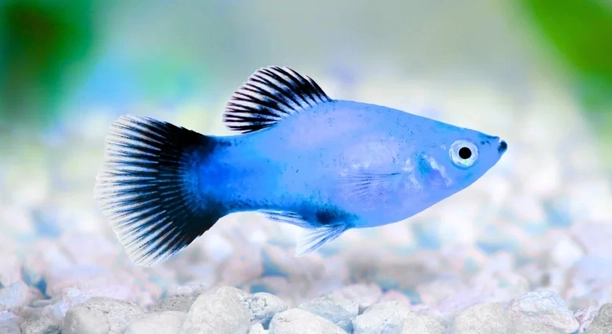
Platies are popular freshwater fish known for their peaceful nature and vibrant colors. Many aquarium owners enjoy watching their behaviors and interactions with other tank mates. Understanding how platies respond to their environment can improve tank harmony.
Research shows that platies can detect changes in the health of their tank mates through visual and chemical cues. They may respond by altering their behavior, such as avoiding sick fish or becoming more alert. This sensory ability helps them adapt within their social group.
Recognizing these behaviors is important for maintaining a healthy aquarium. This knowledge helps ensure all fish receive proper care and reduces the risk of disease spreading among tank mates.
How Platies Detect Illness in Tank Mates
Platies rely on their senses to observe their surroundings closely. When a tank mate becomes sick, changes in behavior, movement, or appearance often occur. Platies can notice these subtle signs, such as slower swimming or unusual positioning. Chemical signals released into the water by stressed or sick fish also help platies sense that something is wrong. These cues prompt platies to adjust their behavior, often keeping distance to avoid potential threats. Their ability to detect illness helps reduce the spread of disease in the tank and maintains a safer environment for all inhabitants. Observing how platies respond to these signals can give tank owners early warnings about the health of their fish, allowing timely care and treatment.
This sensitivity to changes in tank mates is a natural survival mechanism that benefits the entire aquarium community by promoting caution and balance.
Monitoring platies closely can provide valuable insight into the overall tank health. When platies avoid certain fish or display heightened alertness, it may indicate an issue requiring attention. By paying attention to these behavioral shifts, owners can act quickly to isolate or treat sick fish. This reduces the chance of disease spreading and helps keep the aquarium stable. Creating a stress-free environment with clean water and proper nutrition supports platies’ ability to detect and respond effectively. Regular observation paired with good tank maintenance ensures a healthier and more peaceful aquatic environment.
Signs That Show a Platy Recognizes a Sick Tank Mate
Platies often swim away or keep a distance from fish that appear ill. They may also become more cautious and less social in the presence of a sick tank mate.
When a platy notices an unhealthy fish, it might reduce its interactions and avoid sharing space. This behavior helps prevent contact with potential pathogens. Changes like erratic swimming or hiding are also common responses. These signs are subtle but important for owners to recognize. Understanding platy behavior can improve tank management and prevent disease outbreaks. Providing a spacious and clean tank allows platies to express these natural behaviors comfortably, contributing to the overall health of the aquarium community.
How to Support Platies When a Tank Mate Is Sick
Providing clean water is essential when a tank mate is sick. Regular water changes reduce harmful bacteria and improve overall tank conditions. Keeping the environment stable helps platies feel secure and lowers their stress levels during these times.
Maintaining water quality includes checking parameters like temperature, pH, and ammonia levels frequently. Platies are sensitive to sudden changes, so gradual adjustments are best. A clean, well-filtered tank reduces the risk of disease spreading. Avoid overcrowding, which can increase stress and aggression. Feeding a balanced diet supports platies’ immune systems, making them better equipped to handle the presence of sick fish. Watching their behavior closely during this period helps identify if additional steps, like isolation of the sick fish, are needed.
Offering hiding spots and gentle companions also helps platies stay calm. Plants and decorations create safe spaces where they can retreat if the tank becomes tense. Reducing disturbances near the tank prevents added stress. This care approach encourages natural behavior and allows platies to remain active and healthy even when others are unwell.
When to Intervene and Separate a Sick Fish
Separating a sick fish quickly is important to protect platies and other tank mates. Early intervention stops illness from spreading and gives the sick fish a better chance to recover.
Watch for clear signs of sickness such as lethargy, loss of appetite, or visible wounds. When these appear, move the fish to a quarantine tank with similar water conditions. This prevents the disease from affecting healthy fish and makes treatment easier. Proper quarantine also reduces stress on platies, who may become anxious around a visibly sick tank mate. Acting fast protects the entire aquarium and supports the well-being of all fish involved.
Signs of Stress in Platies Around Sick Tank Mates
Platies may show signs of stress when a tank mate is sick. These include hiding more often and swimming erratically. Stress weakens their immune system and can lead to further health issues if not addressed.
Recognizing stress early helps prevent long-term problems. Platies that are stressed might eat less and appear less active. Providing a calm environment and proper care reduces their stress and supports recovery for all fish in the tank.
Importance of Regular Observation
Observing platies daily helps detect early signs of illness or stress in the aquarium. Small changes in behavior can indicate underlying issues. Keeping a close eye allows for timely intervention and care, improving tank health and harmony.
Using Quarantine Tanks Effectively
A quarantine tank isolates sick fish, preventing disease spread. It allows targeted treatment and reduces stress for healthy platies in the main tank.
Keeping a Balanced Aquarium
Maintaining stable conditions and balanced tank mates creates a healthy environment. Proper care reduces illness and stress for platies and other fish.
FAQ
Can platies really sense when a tank mate is sick?
Yes, platies can detect illness in their tank mates by noticing changes in behavior, movement, and chemical signals in the water. These cues help them respond by avoiding sick fish or becoming more cautious, which reduces the risk of disease spreading.
How do platies show they recognize a sick fish?
Platies often swim away or keep their distance from a sick tank mate. They may also become less social, hiding more or acting more alert. These changes help them stay safe and avoid contact with harmful pathogens.
What should I do if I notice a platy avoiding another fish?
If a platy avoids a tank mate, it might be a sign that the other fish is sick. Observe both fish closely and check water quality. Consider isolating the sick fish in a quarantine tank for treatment to protect the rest of the aquarium.
Can platies get stressed from sick tank mates?
Yes, platies can become stressed when living with sick fish. Stress weakens their immune system and can lead to health problems. Providing hiding spots, clean water, and a calm environment helps reduce their stress.
How often should I check water conditions during an illness?
Water quality is crucial when dealing with sickness. Test parameters like ammonia, nitrite, nitrate, pH, and temperature every few days. Keeping water stable and clean helps both sick and healthy fish recover faster.
Is it necessary to use a quarantine tank?
Using a quarantine tank is highly recommended. It isolates sick fish, preventing disease spread and allowing for focused treatment. It also reduces stress on healthy fish by removing the source of illness from their environment.
Can platies themselves get sick from tank mates?
Yes, platies can catch diseases from infected fish if exposed for too long. Their ability to sense illness and avoid sick fish helps, but it doesn’t guarantee full protection. Good tank maintenance and prompt treatment are essential.
What are common signs of illness in platies?
Signs include lethargy, loss of appetite, faded colors, clamped fins, erratic swimming, or visible spots or wounds. Early detection helps with quicker treatment and better outcomes.
How can I support my platies during a tank mate’s illness?
Keep water clean with frequent changes, provide a stress-free environment, feed nutritious food, and offer hiding spots. Watching their behavior helps spot any stress or illness early on.
Can platies recover quickly after a tank mate gets sick?
If the sick fish is isolated and water conditions are good, platies usually recover well. Minimizing stress and maintaining good care is key to their quick return to normal behavior.
What role do chemical signals play in how platies detect sickness?
Sick fish release chemicals into the water that platies can detect with their sensory organs. These signals alert platies to potential danger, prompting them to change their behavior for protection.
Should I change my feeding routine if a tank mate is sick?
Maintaining a balanced diet is important during this time. Avoid overfeeding, which can worsen water quality. Providing quality food supports the immune system of all fish in the tank.
Do platies need extra care after a sick fish is removed?
After removal, platies benefit from continued clean water, stress reduction, and observation. This helps ensure no lingering illness affects them and supports overall tank health.
How quickly should I act if I notice illness in the tank?
Immediate action is best. Early detection, isolation of sick fish, and water quality management limit disease spread and protect your platies and other fish.
Can platies detect all types of illnesses in tank mates?
Platies respond mainly to visible changes and chemical cues, but not all illnesses produce clear signs. Regular monitoring and good tank hygiene are necessary to catch less obvious diseases.
Platies are sensitive fish that use their senses to detect changes in their environment, including the health of their tank mates. Their ability to notice behavioral shifts and chemical signals helps them respond appropriately to potential threats, like sickness in other fish. This natural response benefits the entire aquarium by helping to limit the spread of disease. Observing how platies behave around other fish can provide important clues about the overall health of the tank. Paying attention to these subtle signs is an effective way to protect all the fish in your care.
Maintaining a clean and stable tank environment is crucial when a tank mate becomes sick. Good water quality reduces stress and supports the immune systems of all fish, including platies. Providing hiding spots and avoiding overcrowding can also help platies feel safer and less stressed during difficult times. If a fish shows signs of illness, isolating it quickly in a quarantine tank is the best way to protect healthy fish and allow for focused treatment. This prevents the disease from spreading and keeps the community calm.
Taking care of an aquarium requires attention to detail and prompt action when problems arise. Understanding that platies can sense sickness in tank mates helps inform better tank management. By monitoring fish behavior regularly and maintaining proper tank conditions, you create a healthier space for your platies and other fish. With steady care and observation, it is possible to keep the aquarium balanced and reduce the impact of illness when it occurs. This approach leads to a more peaceful and thriving aquatic environment.

Hello,
If you enjoy the content that we create, please consider saying a "Thank You!" by leaving a tip.
Every little bit helps us continue crafting quality advice that supports the health, happiness, and well-being of pets around the world, for pets of all shapes, sizes, and species.
We really appreciate the kindness and support that you show us!