
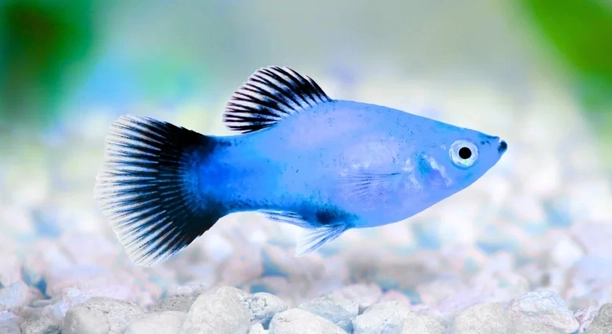
Are your fish showing signs of mating behavior, but you’re not sure if your tank setup is helping or holding them back? Understanding the right conditions can make all the difference in encouraging successful breeding.
The key tank conditions that encourage breeding include stable water parameters, proper temperature, ideal lighting, sufficient hiding spots, species-compatible tank mates, clean substrate, and high-quality nutrition. Each element plays a role in supporting reproductive behavior.
Knowing how each condition affects your fish can help create a safer, more supportive environment for spawning and raising fry.
Stable Water Parameters Matter
Keeping water parameters consistent is one of the most important things you can do to support breeding. Fluctuations in pH, hardness, or ammonia levels can stress fish and interrupt natural reproductive behavior. Aim for species-specific requirements, and test your water often. Even hardy fish prefer a steady, healthy environment. When conditions stay within range, fish feel more secure and are more likely to breed. Use dechlorinated water, maintain proper filtration, and avoid sudden temperature changes during water changes. Monitoring and adjusting these values regularly can lead to more frequent and successful spawning activity without causing harm to your fish.
A clean, balanced tank helps fish feel at ease. Stressed fish rarely breed, so stability is key to encouraging natural behaviors.
When breeding is your goal, a reliable test kit becomes an essential tool. You don’t need anything fancy—just accuracy and consistency. Daily or weekly checks will show trends before problems grow. If you notice your fish aren’t acting normally, check the water first. Many common signs of breeding issues trace back to imbalanced water. Keep ammonia and nitrite at zero and nitrates low. Your fish will respond better to predictable, stable conditions, and you’ll notice them becoming more active and interactive when they feel safe in their environment.
The Right Temperature Range
Temperature plays a direct role in breeding. Many fish only begin mating when temperatures mimic seasonal conditions found in the wild.
To encourage breeding, gradually adjust the water temperature based on what your specific species needs. For example, many tropical fish breed in slightly warmer water than they normally require, while cold-water species may need a temperature drop to simulate seasonal change. Don’t rush the process—sudden spikes can do more harm than good. Use a reliable heater and thermometer, and make small changes over time. Pair temperature shifts with longer daylight hours to mimic spring or summer. When fish recognize these changes, they naturally begin preparing to spawn. A controlled environment gives them the best chance to breed successfully.
Ideal Lighting Conditions
Lighting influences fish behavior more than people realize. A consistent light cycle helps fish feel secure and can trigger mating instincts in many species. Try using a timer to create a reliable schedule that mimics natural daylight patterns. Sudden changes or harsh lighting can interrupt their rhythm.
Aim for 10–12 hours of soft, consistent light each day. Bright lights may stress some species, especially shy breeders that need dim or shaded areas. If possible, provide a mix of open and shaded spots using floating plants or decorations. This gives fish the option to move between light and shadow. Mimicking sunrise and sunset by gradually increasing or decreasing light levels can also help. Many species rely on these changes to signal the right time to breed. Avoid turning the lights on or off abruptly, especially in darker rooms, as this can startle them and interfere with their comfort.
Natural-looking lighting encourages calm behavior and supports healthy activity levels. When fish have a clear day-night cycle, they tend to eat better, rest more, and display stronger breeding behaviors. If you’re using artificial lighting, choose a full-spectrum bulb suited to aquatic environments. Some fish, especially those that lay eggs in plants, may only breed when lighting supports healthy plant growth as well.
Hiding Spots and Plant Cover
Shy breeders often need hiding spots to feel comfortable enough to reproduce. Adding live or artificial plants, rocks, and driftwood can create the privacy they need. These features also reduce stress by breaking up sightlines between aggressive or territorial fish.
Different species need different types of cover. Egg scatterers often lay their eggs among plants, while cave spawners require small enclosed areas to breed. Floating plants help calm surface dwellers, and dense bottom cover supports fry survival. When choosing decorations, think about your fish’s natural habitat. Even something simple like a clay pot or bundled moss can make a big difference. These hiding spots also allow females to rest without being chased constantly. A secure space gives fish the confidence to show their natural behaviors. Keeping the tank calm and structured with cover supports not only breeding but overall health and happiness.
Species-Compatible Tank Mates
Breeding becomes difficult when fish feel threatened or stressed by aggressive tank mates. Keeping compatible species together helps maintain peace and allows natural behavior to develop. Some fish need to be in species-only tanks to breed successfully.
Avoid mixing territorial fish with sensitive or smaller breeders. Even minor chasing can disrupt the breeding process and cause stress-related illness.
Clean Substrate Encourages Spawning
Dirty or overly compacted substrate can interfere with breeding. Many bottom-spawning fish need clean, soft areas to lay eggs or dig nests. Uneaten food and waste buildup can pollute the water and create unsafe conditions. Vacuum the substrate regularly and avoid sharp materials that may injure delicate fish or eggs.
Nutrition Impacts Fertility
Breeding fish need high-quality, nutrient-rich food. Poor nutrition can lower fertility, weaken immune systems, and reduce spawning success.
FAQ
What water parameters are best for breeding freshwater fish?
Most freshwater fish prefer a stable pH between 6.5 and 7.5, but this depends on the species. Hardness and temperature should also match their natural environment. Ammonia and nitrite must always be zero, and nitrates kept low. Keeping these stable encourages breeding behavior and fry survival.
How do I safely raise the temperature for breeding?
Increase temperature gradually by 1–2 degrees per day until you reach the recommended breeding range. Sudden changes can stress fish and cause illness. Use a quality heater and thermometer, and monitor the tank closely during this time.
Can all fish breed in a community tank?
Not all fish breed successfully in community tanks. Some species require species-only tanks to reduce stress and aggression. Others need specific conditions that are hard to maintain with other fish. Research your species’ needs before trying to breed in a mixed setup.
How important are hiding places for breeding fish?
Hiding places are essential for many breeders. They provide security, reduce stress, and protect eggs and fry from being eaten. Without proper cover, shy fish may not breed at all. Use plants, caves, or decorations to create safe zones.
How often should I clean the substrate during breeding?
Clean the substrate regularly but gently. Remove uneaten food and waste to keep water quality high. Avoid deep cleaning or disturbing eggs and fry. Use a siphon carefully to maintain a clean but safe environment.
What is the best diet for breeding fish?
Feed a varied diet rich in protein, including live, frozen, or high-quality pellet foods. Good nutrition boosts fertility and health. Avoid overfeeding to prevent water quality issues, which can hinder breeding success.
How long does it take for fish to start breeding once conditions are right?
Timing varies by species. Some may spawn within days of ideal conditions, while others take weeks or even months. Patience and maintaining stable conditions increase your chances. Watch for courtship behaviors as a sign breeding is near.
Do lighting schedules affect fish breeding?
Yes, many fish respond to consistent lighting cycles that mimic natural day and night. About 10–12 hours of light helps regulate their internal clocks and encourages spawning behavior. Avoid sudden light changes that can stress fish.
Should I separate breeding pairs from the main tank?
Separating breeding pairs depends on the species and tank setup. Some fish breed better alone, while others do fine in community tanks. Removing aggressive tank mates during breeding can reduce stress and increase fry survival.
How can I tell if my fish are ready to breed?
Signs include increased activity, color changes, and courtship behaviors like chasing or nest building. Females may look fuller, and males may become more territorial. Recognizing these signs helps you prepare the tank for breeding.
What can I do to protect eggs and fry?
Provide plenty of hiding spots and keep water clean. Some species eat their eggs or fry, so consider using breeding nets or separate tanks if needed. Avoid sudden changes in water parameters or temperature during this sensitive time.
Is it necessary to simulate seasonal changes for breeding?
Simulating seasonal changes like temperature shifts and longer daylight can trigger spawning in many species. Gradually adjusting these factors mimics natural breeding cues and improves success rates.
Can stress prevent fish from breeding?
Stress is one of the biggest barriers to breeding. Poor water quality, aggressive tank mates, and sudden environmental changes all increase stress. Keeping a stable, calm environment is crucial for encouraging reproduction.
What should I do if my fish lay eggs but they don’t hatch?
Check water quality first—poor conditions often cause egg failure. Some species need specific care, like water flow or hiding spots, for eggs to develop properly. Also, some fish eat their eggs, so separation might be necessary.
How do I know if fry are healthy?
Healthy fry are active, have clear eyes, and show steady growth. They should swim normally and respond to feeding. Poor water quality or overcrowding can cause illness or slow growth. Regular monitoring helps catch issues early.
Breeding fish can be a rewarding experience when the right tank conditions are in place. Keeping stable water parameters, such as pH, temperature, and cleanliness, is essential for encouraging natural breeding behaviors. Fish are sensitive to sudden changes, so maintaining a steady environment helps them feel safe and ready to reproduce. Lighting, tank mates, hiding places, and proper nutrition also play important roles in supporting successful spawning. Each of these factors contributes to creating a comfortable habitat where fish can thrive and breed naturally. By paying attention to these details, you give your fish the best chance to produce healthy offspring.
It’s important to remember that different species have unique needs. Some fish require warmer water, while others need cooler temperatures or specific types of shelter. Learning about the specific requirements of your fish will guide you in setting up the ideal tank environment. Avoid rushing the process, as breeding often takes time and patience. Sudden changes or stress can delay spawning or even harm the fish. Regular water testing and gentle care help maintain a healthy environment that encourages breeding. In many cases, simple adjustments can lead to noticeable improvements in your fish’s behavior and breeding success.
Taking care of breeding fish is more than just encouraging them to spawn. It also means preparing for the care of eggs and fry. Providing clean water, safe hiding spots, and proper food is key to raising healthy young fish. It’s natural to face challenges along the way, but each step offers a chance to learn and improve. With consistent care and attention, you can create a tank environment that supports the entire breeding cycle. This helps ensure that your fish remain healthy, happy, and able to continue their life cycle successfully in your care.

Hello,
If you enjoy the content that we create, please consider saying a "Thank You!" by leaving a tip.
Every little bit helps us continue crafting quality advice that supports the health, happiness, and well-being of pets around the world, for pets of all shapes, sizes, and species.
We really appreciate the kindness and support that you show us!