
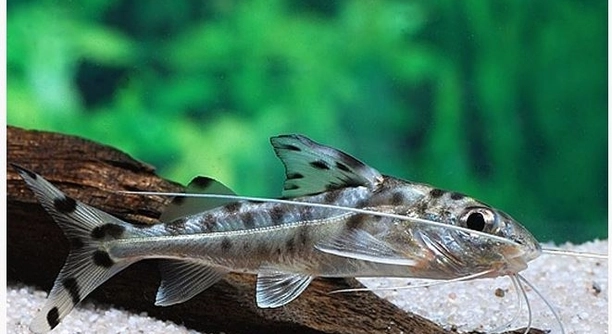
Do you ever find yourself wondering if your pictus catfish can stay comfortable without a heater in the tank? These active, freshwater fish are popular in many home aquariums and known for their playful behavior and energy.
Pictus catfish cannot live without a heater in most home aquariums. They are tropical fish that require stable warm water temperatures, usually between 75°F and 81°F, to stay healthy and avoid stress-related illnesses.
Keeping your pictus catfish comfortable means more than just adding decorations and food. Understanding the right temperature range is key to supporting their natural behavior and overall health in a home setup.
Why Pictus Catfish Need Warm Water
Pictus catfish are tropical fish that come from warm, freshwater rivers in South America. In their natural habitat, water temperatures stay consistently warm all year. When kept in a tank, they rely on you to recreate those conditions. A heater is essential because room temperature alone often falls below what they need to thrive. Without the right warmth, their immune system weakens, making them more likely to get sick. Cold water also slows their metabolism and can cause them to become inactive or stop eating. Even a small temperature drop can lead to long-term health issues if not addressed. A reliable heater helps keep their environment stable, which is key for their well-being. Temperature swings are stressful for any fish, but pictus catfish are especially sensitive to them. By using a heater, you give your fish the consistent warmth they need to stay active and healthy every day.
Warm water helps their digestion, movement, and general behavior. Without it, they quickly become sluggish and unwell.
If you want your pictus catfish to stay active and thrive, make sure their water temperature stays between 75°F and 81°F. Anything outside this range for too long can cause harm.
What Happens Without a Heater
Cold water can slowly affect your pictus catfish’s health in several ways.
Without a heater, the tank temperature often drops too low, especially at night or during colder months. Pictus catfish may begin to move less, eat less, and become more stressed. Their immune system can weaken, making them more likely to develop diseases like ich or fin rot. Over time, this stress and illness can shorten their lifespan. You might also notice changes in their appearance, such as duller colors or frayed fins. These signs are often subtle at first but become worse if the temperature stays too low. The longer they are exposed to cold water, the more their overall health declines. Inconsistent temperatures are also risky, as sudden drops or rises can shock their system. While a heater may seem like a small addition, it makes a big difference. It’s one of the easiest ways to create a stable, comfortable home for your pictus catfish.
Choosing the Right Heater
The best heater for a pictus catfish tank is one that can maintain a steady temperature between 75°F and 81°F. Look for a submersible heater with adjustable settings and a built-in thermostat to help keep things stable.
Make sure the heater is rated for the size of your tank. A small heater won’t be able to keep up in a large aquarium, especially if your home is cooler. Choose one that offers at least 3 to 5 watts per gallon of water. For example, a 30-gallon tank would need a 90 to 150-watt heater. Position it near the water flow from your filter so the warm water spreads evenly. Some people also use two smaller heaters instead of one large one for better balance and backup. Always monitor the temperature with a reliable aquarium thermometer, as built-in heater displays can sometimes be off by a few degrees.
Don’t forget about safety. Make sure the heater is fully submersible and designed for aquarium use. Some models come with protective covers to prevent fish from getting burned if they swim too close. If your tank is in a room with large temperature swings, consider getting a slightly more powerful heater. Keep cords secured and check the unit regularly for wear.
Other Ways to Keep the Tank Warm
While a heater is the most reliable way to warm the tank, there are a few simple ways to help hold heat. Keeping the tank away from windows and drafts can prevent sudden temperature drops, especially in winter.
You can also place a lid or cover on the tank to help trap warmth and reduce heat loss from evaporation. Aquarium insulation wraps or foam board placed behind or under the tank can also help. These small steps won’t replace a heater, but they make it easier for the heater to do its job. Room temperature should ideally stay above 70°F if you’re keeping tropical fish. Be careful with heat lamps or lights—these can cause uneven heating and may not warm the water enough. A backup power source, like a battery-powered air pump or generator, is useful if your area has power outages. Stability matters more than anything, and small changes add up.
Signs Your Pictus Catfish Is Too Cold
If your pictus catfish is moving less, hiding more, or showing less interest in food, the water may be too cold. They may also appear pale or have clamped fins, which are early signs of stress caused by low temperatures.
Watch for slow or unusual swimming patterns and general inactivity. Cold water can weaken their immune system and lead to infections over time. If you see white spots or signs of fin rot, it’s likely the fish is under temperature-related stress.
What to Do If the Heater Breaks
If your heater stops working, act quickly to keep the water from dropping too fast. Wrap the tank with towels or blankets to help hold in heat. Avoid turning on space heaters too close to the tank—they can cause uneven heating or be dangerous. If you have a backup heater, install it right away. A warm water bottle placed near the outside of the tank can also help temporarily. Monitor the temperature every hour, and avoid feeding the fish until things stabilize. If the tank drops below 72°F, the fish may stop eating, and stress will build quickly.
Preventing Temperature Swings
Always check your heater’s performance regularly and keep a thermometer in the tank. If your room gets colder at night, make sure the heater can handle that drop without large fluctuations.
FAQ
Can pictus catfish survive in room temperature water?
Pictus catfish may survive for a short time in room temperature water, but they won’t stay healthy. Most room temperatures fall below 75°F, especially at night. This slow drop affects their energy, immune system, and appetite. Long-term exposure can lead to illness, stress, and even early death. Even if they seem fine at first, the cold will eventually take a toll. They are tropical fish and need warm, steady water to do well. A heater ensures the water stays in the right range and avoids harmful temperature swings that happen when relying only on room heat.
What temperature is too cold for pictus catfish?
Anything below 72°F is too cold. At this point, their behavior usually changes—they might stop swimming as much, become less social, and lose interest in food. Temperatures below 70°F are especially risky and can cause long-term harm. Pictus catfish are built for warm rivers, and their bodies are not designed to handle cold water. Keeping them in cool conditions for more than a few days will put them at risk for disease and stress. To avoid these problems, always keep their tank within the safe range of 75°F to 81°F using a reliable heater.
Do pictus catfish need a heater all year?
Yes, they do. Even during warmer months, indoor temperatures can shift with weather, air conditioning, or nighttime cooling. A heater helps keep the tank consistent regardless of outside changes. Temperature swings, even small ones, can be stressful. While the fish might seem fine in summer, the water may still drop below their comfort zone at night. Using a heater all year prevents these dips. It also helps you avoid guessing when to plug the heater in or out. Leaving it on with a thermostat makes care easier and more stable for the fish.
Can I use a light instead of a heater?
Using a light alone is not enough to warm the tank. Lights may slightly raise the temperature during the day, but they don’t hold heat at night. Also, they usually heat only the surface, not the full tank. That creates uneven conditions, which can confuse or stress the fish. Relying on lights can also interfere with their day-night cycle, since fish need periods of darkness. Heaters are made to warm water evenly and maintain the correct range without interrupting their daily rhythm. A proper heater is a much safer and more reliable option.
Is it okay to turn the heater off at night?
No, turning the heater off at night can cause sudden drops in temperature. These fast changes are harmful and stressful for pictus catfish. Their immune system becomes weaker, making them more likely to get sick. Even if the daytime temperature seems fine, the tank will lose heat quickly once the heater is off. Letting the heater run full-time ensures the water stays steady and warm, just like in their natural environment. It’s better to use a heater with a thermostat, so it only turns on when needed, rather than switching it manually.
What type of heater should I get?
Choose a fully submersible heater with an adjustable thermostat. Make sure it matches your tank size—use 3 to 5 watts per gallon. A heater with a protective cover is also helpful, especially if your pictus catfish are very active. Digital displays can be useful, but always use a separate thermometer for accuracy. Some people also prefer having two smaller heaters instead of one large one, to prevent full temperature loss if one fails. Make sure your heater is easy to install, safe to use, and suited for tropical freshwater tanks. Regularly check for wear or malfunctions.
How do I know if my heater is working?
Use a separate thermometer to track the tank’s temperature. If the heater has an indicator light, check that it’s on when the water gets cooler. You can also gently touch the outside glass near the heater to feel if it’s warm (never touch it directly while plugged in). If the tank’s temperature stays stable within the 75°F–81°F range, the heater is doing its job. If you see constant changes, the heater may not be strong enough or could be failing. Always double-check with a reliable thermometer and replace the heater if it becomes inconsistent.
Can pictus catfish recover after being too cold?
If caught early, yes. Slowly warming the water back to the correct range can help them bounce back. Avoid sudden temperature increases—raise it 1–2°F per hour until they’re back in the safe zone. Once the water is warm and stable again, their energy and appetite usually return. Make sure to monitor for signs of illness like white spots, fin damage, or unusual behavior in the days that follow. If they seem sluggish or sick after warming up, consider isolating them in a hospital tank and treating any signs of infection. Stability helps them recover best.
Final Thoughts
Pictus catfish are active and sensitive fish that need a warm, stable environment to stay healthy. Since they come from tropical waters, the right temperature is important for their body functions, energy levels, and immune system. Without enough warmth, they can become stressed, get sick, or stop eating. Even if they survive in cooler water for a little while, it doesn’t mean they are doing well. Long-term exposure to low temperatures can lead to serious health problems. Using a heater in their tank helps prevent these issues and keeps them comfortable. It also makes care more predictable and less stressful for you.
Keeping your pictus catfish warm is not difficult if you have the right setup. A good-quality heater, a reliable thermometer, and regular checks can make a big difference. Make sure the heater is strong enough for the size of your tank and stays on all year. Avoid turning it off, even if the weather seems warm. Room temperature can still change a lot, especially at night. Little steps like adding a lid or placing the tank away from cold windows can also help hold the heat in. These things may seem small, but they work together to create a more stable home for your fish.
Taking care of pictus catfish means paying attention to the details, and temperature is one of the most important ones. When the water is kept within their ideal range, they stay active, eat well, and interact more naturally. If the temperature drops, they tend to hide more and show signs of stress. Watching for these changes can help you catch problems early. With the right care, including a steady temperature, pictus catfish can live for several years and bring a lot of movement and life to your tank. Whether you’re new to fishkeeping or have some experience, it’s worth the effort to keep their environment warm and steady. They depend on you for that.

Hello,
If you enjoy the content that we create, please consider saying a "Thank You!" by leaving a tip.
Every little bit helps us continue crafting quality advice that supports the health, happiness, and well-being of pets around the world, for pets of all shapes, sizes, and species.
We really appreciate the kindness and support that you show us!