
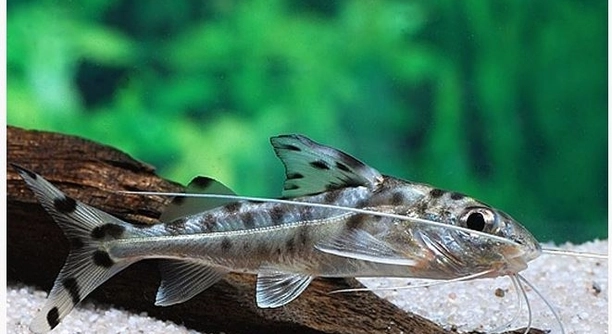
Is your Pictus catfish new to your aquarium and showing signs of change? Many fish owners want to know if their catfish is adjusting well to its new home. Understanding this helps ensure the fish’s comfort and health.
A Pictus catfish settling in will display steady swimming patterns, regular feeding behavior, and reduced hiding. These behaviors indicate acclimation to water conditions and the environment. Monitoring these signs helps evaluate the fish’s adaptation process accurately.
Recognizing these early signals supports better care and a smoother transition for your catfish’s well-being. The following details explain what to expect during this settling period.
Signs Your Pictus Catfish Is Settling In
When a Pictus catfish begins to settle into a new aquarium, its behavior changes noticeably. You will see the fish exploring the tank with more confidence, swimming actively during feeding times, and gradually spending less time hiding. Initially, it may stay close to shelter or decorations, but over days or weeks, it starts to use the entire tank. Healthy eating habits are one of the clearest signs of comfort. A catfish that eats regularly and shows interest in food is adapting well. Additionally, the fish’s coloration often becomes brighter as stress decreases. Watching these signs helps you know if the environment suits your catfish’s needs.
It’s important to maintain stable water conditions throughout this period. Sudden changes can cause stress and delay settling. Consistency in temperature, pH, and cleanliness promotes adjustment.
Patience is key during this stage. Avoid frequent disturbances, and provide hiding spots to make your catfish feel secure. Monitoring behavior daily helps you notice progress or problems early.
Understanding Stress in Pictus Catfish
Stress affects how quickly a Pictus catfish settles. It can cause hiding, loss of appetite, or erratic swimming.
Water quality is the main factor influencing stress. Poor water parameters like high ammonia or nitrate levels can keep your catfish uneasy. Temperature fluctuations also add to stress, so maintaining a steady temperature between 72°F and 78°F is crucial. Overcrowding or aggressive tank mates might cause anxiety, leading to hiding and less activity. Providing a calm, well-planted tank with plenty of hiding spaces reduces stress. Avoid sudden changes in lighting or tank arrangement, as these may upset the fish. Observing your catfish for signs of stress early helps prevent health problems and supports quicker adjustment to its new home. Regular water tests and gentle care will keep stress minimal and help your catfish thrive.
Tank Setup and Environment
Proper tank setup is essential for your Pictus catfish to feel comfortable. They need plenty of hiding spots, moderate lighting, and clean water. Soft substrate helps protect their delicate barbels. A tank size of at least 30 gallons is recommended.
Providing caves, driftwood, or dense plants creates shelter. These areas reduce stress by offering places to retreat. Moderate lighting mimics their natural habitat, preventing them from feeling exposed. Avoid strong direct light that can cause discomfort. Clean water is critical—regular water changes and good filtration keep toxins low. Monitoring water parameters like pH between 6.5 and 7.5, temperature around 75°F, and low ammonia ensures a stable environment. These conditions support healthy behavior and settling.
The environment must remain stable. Sudden changes can shock your catfish, causing hiding or inactivity. Consistency encourages exploration and feeding. Regular maintenance and gentle handling also help build trust between your fish and its new home.
Feeding Behavior as an Indicator
Feeding habits reveal much about your catfish’s comfort level. A well-settled Pictus catfish will eat regularly and show interest in offered food. Sudden loss of appetite often signals stress or illness.
Offering varied food like sinking pellets, live or frozen worms, and vegetables supports their nutritional needs. Feeding small amounts twice daily encourages regular eating. Observing how quickly and eagerly your catfish eats helps gauge its health and adjustment. Reluctance to eat or hiding during feeding times suggests discomfort. Feeding behavior combined with other signs, such as activity and coloration, provides a clear picture of your catfish’s well-being.
Consistency in feeding routine helps your catfish feel secure. A stable schedule mimics natural feeding patterns, reducing anxiety. When your catfish thrives on regular meals, it’s a strong sign it has settled into its environment.
Social Behavior and Interaction
Pictus catfish are generally peaceful and social fish. They often do better when kept in groups of three or more. This social environment helps reduce stress and encourages natural behavior.
Watching how your catfish interacts with tank mates shows how comfortable it feels. Friendly interactions and calm coexistence signal good adjustment.
Activity Levels
A settling Pictus catfish will gradually become more active, especially during feeding and nighttime. Increased swimming around the tank and exploring show it is adapting well. Low activity or constant hiding may indicate stress or illness. Regular observation helps track these changes.
Body Language and Appearance
Bright coloration, intact fins, and clean barbels are signs of a healthy, settled Pictus catfish. Dull colors or damaged fins may indicate stress. Maintaining good water quality supports their appearance.
Final Adjustments
Over time, your catfish will establish routines and preferred spots in the tank. This behavior means it feels secure and settled in its environment.
FAQ
How long does it take for a Pictus catfish to settle in?
Pictus catfish usually take about one to two weeks to start settling into a new tank. During this time, they may hide more often and swim less. Gradually, they become more active and begin exploring. Patience and stable tank conditions help speed up this process.
What are the best tank conditions for a Pictus catfish?
A tank size of at least 30 gallons is ideal, with water temperature between 72°F and 78°F. The pH should be stable, around 6.5 to 7.5. Provide plenty of hiding spots using plants, driftwood, or caves. A soft substrate protects their barbels. Regular water changes and proper filtration keep water quality high.
Why is my Pictus catfish hiding all the time?
Hiding is normal for new or stressed catfish, especially if they feel unsafe. It can also indicate poor water quality or aggressive tank mates. Check water parameters, ensure the tank environment is calm, and provide enough hiding places. If hiding continues long-term, review tank setup and health.
Can Pictus catfish live with other fish?
Yes, Pictus catfish are generally peaceful and do well with non-aggressive tank mates. They prefer groups of their own kind or compatible species. Avoid keeping them with large, aggressive fish that might bully or stress them.
What should I feed my Pictus catfish?
Pictus catfish are omnivores. Feed them sinking pellets, frozen or live bloodworms, brine shrimp, and occasional vegetables like zucchini or peas. Feed small amounts twice a day to encourage regular eating habits. Avoid overfeeding to maintain water quality.
How do I know if my Pictus catfish is stressed?
Signs of stress include hiding excessively, loss of appetite, erratic swimming, dull coloration, and damaged fins. Stress often results from poor water quality, sudden changes, or aggressive tank mates. Monitor these signs and adjust tank conditions promptly.
Do Pictus catfish need a group to feel comfortable?
While not absolutely required, Pictus catfish are social and feel more secure in groups of three or more. A group reduces stress and promotes natural behaviors like schooling and interaction. However, make sure the tank is large enough to accommodate multiple fish comfortably.
How often should I clean the tank for my Pictus catfish?
Regular maintenance is essential. Perform partial water changes of about 20-30% weekly to keep water clean. Clean the substrate and check the filter to prevent waste buildup. Consistent cleaning supports your catfish’s health and comfort.
What is the ideal lighting for a Pictus catfish tank?
Moderate to low lighting is best. Bright or direct lighting can stress Pictus catfish since they come from shaded river environments. Using floating plants or dimmable lights can help create a natural, comfortable atmosphere.
Can Pictus catfish live without hiding spots?
Hiding spots are very important for their well-being. Lack of shelter can cause stress and poor health. They use these areas to rest and feel safe, especially when adjusting to a new tank. Adding caves, plants, or driftwood is highly recommended.
How can I encourage my Pictus catfish to explore the tank?
Maintain stable water parameters and a calm environment. Provide plenty of hiding places so they feel safe. Feeding regular meals and avoiding sudden disturbances encourage the fish to become more active and explore naturally.
What should I do if my Pictus catfish refuses to eat?
Refusal to eat can signal stress or illness. Check water quality and tank conditions first. Try offering different foods like live or frozen worms to tempt appetite. Ensure the tank is quiet during feeding times. If refusal continues, consider consulting a vet or experienced aquarist.
Are Pictus catfish nocturnal?
Yes, they are more active at night but often show activity during the day as well. Providing dim lighting and a natural day-night cycle helps them feel comfortable and encourages healthy behavior.
Can sudden changes in the tank harm my Pictus catfish?
Sudden changes in water parameters, lighting, or tank setup can stress your catfish and delay settling. Always make changes gradually and monitor your fish’s response to avoid negative effects.
What signs indicate my Pictus catfish is healthy?
Healthy catfish display bright coloration, clear eyes, intact fins, smooth swimming, and regular eating. Their barbels should be clean and free of damage. Observing these signs helps confirm their well-being in the tank.
Is it normal for Pictus catfish to jump out of the tank?
Yes, they are known jumpers, especially when stressed or startled. Always use a secure lid on your tank to prevent escapes. Reducing stress factors and providing a calm environment can minimize jumping behavior.
Final Thoughts
Settling in is a gradual process for Pictus catfish. Each fish adjusts at its own pace depending on the tank conditions and environment. Providing a stable, clean tank with the right temperature, pH, and hiding spots helps make this transition smoother. It’s important to be patient and observe your catfish closely during the first few weeks. Watching their behavior, feeding habits, and activity levels gives you clues about how well they are adapting. If your catfish is exploring more, eating regularly, and interacting peacefully with tank mates, it usually means they are settling in comfortably.
Stress is one of the biggest factors that can slow down or disrupt the settling process. Poor water quality, sudden changes, or aggressive tank mates can cause your Pictus catfish to hide or lose appetite. Keeping water parameters stable and the tank environment calm reduces stress and promotes healthy behavior. Providing plenty of hiding spaces with plants, driftwood, or caves gives your fish places to feel safe. Avoid making quick changes in lighting or tank layout, as these can unsettle your catfish. A calm, consistent environment encourages your fish to come out of hiding and enjoy their new home.
Finally, regular care and attention are key to supporting your catfish’s long-term health. Maintaining a feeding schedule with varied food options helps keep your fish nourished and happy. Regular water changes and tank cleaning prevent buildup of harmful toxins. Watching for any changes in behavior or appearance allows you to catch issues early. Over time, your Pictus catfish will establish its routine and become a lively, active part of your aquarium. With good care, patience, and a comfortable environment, your catfish can thrive and show its natural, curious personality.

Hello,
If you enjoy the content that we create, please consider saying a "Thank You!" by leaving a tip.
Every little bit helps us continue crafting quality advice that supports the health, happiness, and well-being of pets around the world, for pets of all shapes, sizes, and species.
We really appreciate the kindness and support that you show us!