
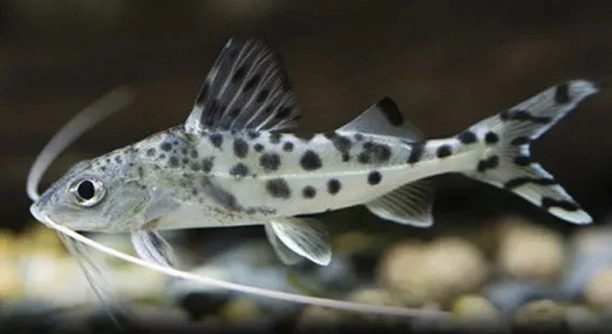
Many aquarium hobbyists enjoy keeping different fish species together to create a lively tank environment. Understanding how various fish interact is important for a peaceful and healthy aquarium. Angelfish and Pictus catfish are popular choices in community tanks.
Pictus catfish can live with angelfish if the tank is spacious and well-maintained. Both species have different behaviors, but aggression can be minimized by providing hiding spots and monitoring their interactions closely. Proper care ensures compatibility in a shared environment.
Learning about their needs and habits helps create a balanced tank where both fish can thrive comfortably without stress or conflict.
Temperament of Pictus Catfish and Angelfish
Pictus catfish are generally peaceful but active fish that like to swim near the bottom of the tank. They are nocturnal and enjoy hiding in caves or under plants during the day. Angelfish, on the other hand, are more territorial and swim mostly in the middle to upper levels of the tank. They can sometimes show aggression, especially during breeding periods. Knowing these basic behavioral differences helps in planning their coexistence. Providing enough space and places to hide reduces stress for both species. Pictus catfish are social and prefer to be in groups, while angelfish usually do well alone or in pairs. Their peaceful nature and different tank zones usually keep them from clashing, but it is important to keep an eye on their interactions. Proper tank maintenance and regular observation help ensure both species stay healthy and calm in a shared environment.
Both fish have mostly peaceful behavior, but angelfish need space to avoid stress and potential conflicts.
To keep these fish comfortable, the tank should have plenty of hiding spots for the Pictus catfish and open swimming areas for the angelfish. Decorations like plants, rocks, and driftwood create natural barriers and territories. Feeding times should be managed so both species get enough food without competition. Watching for signs of stress or aggression early on can prevent serious problems. Careful tank management allows these species to coexist without trouble.
Tank Conditions for Successful Coexistence
A tank size of at least 30 gallons is recommended for keeping angelfish and Pictus catfish together comfortably.
Water parameters should be stable, with temperatures between 75°F and 82°F and a pH around 6.5 to 7.5. Both species prefer clean, well-filtered water with moderate current. Regular water changes are essential to maintain good water quality. Lighting should be moderate to support plants and create hiding spots.
It’s important to mimic their natural environment by including soft substrate and plenty of plants. This setup reduces stress and promotes natural behavior. Keeping the tank balanced with proper care and maintenance ensures both angelfish and Pictus catfish can thrive together. Choosing compatible tank mates, avoiding overcrowding, and keeping a consistent routine all contribute to a peaceful, healthy aquarium.
Feeding Habits and Compatibility
Pictus catfish are bottom feeders, mostly eating sinking pellets, worms, and leftover food. Angelfish prefer flakes, pellets, and live food near the middle of the tank.
This difference in feeding zones helps reduce competition for food. Pictus catfish clean the tank bottom, while angelfish feed higher up, so they rarely interfere. Feeding both species with appropriate food types ensures they stay healthy and get enough nutrition. It’s important to provide sinking pellets for the catfish and floating or mid-water foods for the angelfish.
Careful feeding also prevents leftover food buildup, which can affect water quality. Observing their eating habits will help adjust feeding amounts and times. Keeping them well-fed and satisfied lowers chances of aggression or stress during feeding.
Potential Challenges in a Shared Tank
Aggression can sometimes arise if angelfish feel crowded or threatened, especially during breeding seasons. Pictus catfish are mostly peaceful but may become skittish if stressed.
Ensuring the tank is spacious with enough hiding places reduces tension. Monitor fish behavior closely in the first few weeks to catch signs of trouble early. Avoid overcrowding and maintain stable water conditions. Creating separate territories helps both species feel secure. Regularly cleaning the tank and managing water quality also supports their well-being. Addressing any issues quickly will keep the tank environment calm and balanced.
Tank Setup Tips for Pictus Catfish and Angelfish
Provide plenty of hiding spots like caves, plants, and driftwood for Pictus catfish. Angelfish prefer open swimming spaces in the mid and upper levels.
Use a soft substrate to protect the catfish’s barbels. Arrange decorations to create separate zones and reduce stress for both species.
Ideal Water Parameters
Maintain water temperature between 75°F and 82°F. Keep pH levels around 6.5 to 7.5 to suit both fish. Stable water conditions are key to their health and peaceful coexistence.
Monitoring Behavior Regularly
Watch for any signs of aggression or stress daily. Early detection helps prevent serious conflicts or health problems.
Importance of Tank Size
A tank of at least 30 gallons is needed to give both species enough space. Overcrowding increases stress and aggression risks.
FAQ
Can Pictus catfish and angelfish share the same tank without problems?
Yes, they can live together peacefully if the tank is large enough and well-maintained. Their different swimming levels and feeding habits help reduce competition. However, attention to hiding spots and tank decoration is necessary to avoid stress or aggression.
What size tank is best for keeping both species?
A minimum of 30 gallons is recommended. This gives both fish enough space to establish territories and reduces the chance of conflict. A larger tank is always better to ensure a balanced environment.
Do Pictus catfish bother angelfish?
Pictus catfish are generally peaceful and avoid confrontation. They tend to stay near the bottom, while angelfish swim higher up. If the tank is crowded or lacks hiding places, stress might cause some chasing, but this is avoidable with proper setup.
What water conditions do both fish need?
Both species thrive in temperatures between 75°F and 82°F with a pH of 6.5 to 7.5. Maintaining clean, well-filtered water with regular changes is crucial for their health.
How often should I feed them, and what do they eat?
Feed them once or twice daily with species-appropriate food. Pictus catfish eat sinking pellets, worms, and leftovers, while angelfish prefer flakes, pellets, and occasional live food. Avoid overfeeding to keep water quality high.
Can angelfish become aggressive toward Pictus catfish?
Angelfish can show territorial behavior, especially during breeding. This might lead to chasing or nipping at the catfish. Providing enough space, hiding spots, and keeping angelfish in small numbers helps reduce aggression.
How many Pictus catfish should I keep?
Pictus catfish are social and should be kept in groups of at least three to reduce stress. A small group also encourages natural behavior and keeps them confident in a community tank.
What signs show stress or illness in either fish?
Look for hiding more than usual, loss of appetite, unusual swimming patterns, or visible marks and discoloration. Early signs of stress or sickness mean it’s time to check water quality and tank conditions.
Are there any special tank mates I should avoid?
Avoid very aggressive or very small fish that may be bullied or eaten. Large, peaceful fish that occupy different tank levels usually do better with Pictus catfish and angelfish.
How important is tank decoration?
Very important. Plants, caves, and driftwood provide shelter and break the tank into territories. This helps reduce aggression and makes both species feel secure.
What maintenance is needed to keep them healthy together?
Regular water changes, checking filter function, and monitoring water parameters keep the tank stable. Clean up uneaten food and debris to avoid poor water quality, which can stress the fish.
Can Pictus catfish live with baby angelfish?
It’s risky. Pictus catfish might eat angelfish fry if they fit in their mouths. Consider a separate breeding tank or provide dense plant cover to protect baby angelfish.
Will the Pictus catfish’s barbels get damaged in a community tank?
Soft substrate is necessary to protect their delicate barbels. Rough gravel or sharp decorations can cause injuries, so smooth sand or fine gravel works best.
How long do Pictus catfish and angelfish live?
With good care, Pictus catfish can live up to 8 years, and angelfish typically live 8 to 10 years. Proper tank conditions and diet greatly influence their lifespan.
Is it necessary to quarantine new fish?
Yes, quarantining new fish helps prevent introducing diseases to the main tank. A quarantine period of two to four weeks is ideal to monitor health before adding them.
What should I do if aggression starts?
Increase hiding places or rearrange tank decorations to disrupt established territories. If aggression continues, consider separating the fish or upgrading to a larger tank to reduce stress.
Pictus catfish and angelfish can live together in the same tank with the right care and setup. Their different habits and swimming areas help them avoid constant contact, which lowers the chance of conflict. Giving each fish enough space and providing plenty of hiding places will help them feel safe and reduce stress. Both fish need clean water and stable conditions, so regular tank maintenance is important. Paying attention to their behavior and tank environment helps keep peace in the aquarium.
It is important to choose the right tank size when keeping these two species together. A tank of at least 30 gallons is recommended to give them room to move and claim their own areas. Overcrowding can lead to stress and aggression, especially from angelfish during breeding times. The tank should also have soft substrate, plants, and decorations that create separate zones for each fish. Feeding habits are another factor to consider, since Pictus catfish feed on the bottom while angelfish eat in the middle and upper levels. Feeding both fish the proper diet and at the right times ensures they stay healthy and satisfied.
Watching the fish regularly helps catch problems early. Signs of stress or aggression should never be ignored, as they can lead to illness or injury. Making small changes to the tank setup or feeding schedule can often solve these problems. If aggression continues, separating the fish or moving to a larger tank may be necessary. With patience and care, Pictus catfish and angelfish can share an aquarium successfully. Their unique behaviors and appearances make them interesting companions when given a peaceful environment to live in.

Hello,
If you enjoy the content that we create, please consider saying a "Thank You!" by leaving a tip.
Every little bit helps us continue crafting quality advice that supports the health, happiness, and well-being of pets around the world, for pets of all shapes, sizes, and species.
We really appreciate the kindness and support that you show us!