
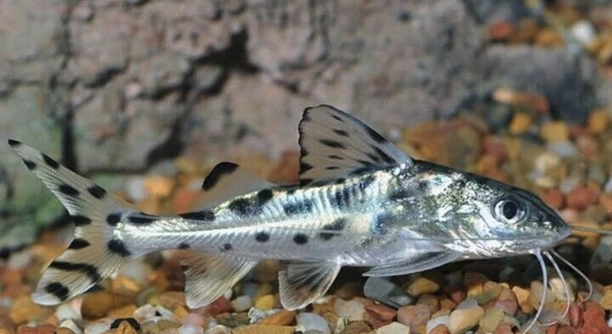
Pictus catfish are known for their shy nature, often hiding in tanks to feel safe. Sometimes, these fish choose not to hide, which can surprise their owners. Understanding their behavior helps improve their care and tank environment.
Pictus catfish may refuse to hide due to factors such as tank size, water quality, stress levels, lack of proper hiding spots, social dynamics with other fish, feeding routines, or health issues that affect their natural behavior.
Knowing these reasons can help you create a better environment for your catfish. This article will explain the key factors behind their behavior clearly and simply.
Tank Size and Space Availability
A small tank can make pictus catfish feel exposed and uncomfortable. These fish need enough room to swim freely and hide when they want. If the tank is crowded or too small, they might stay out in the open because they have nowhere else to go. Sometimes, a tank that feels too confined can cause the fish to act unusually. It’s important to provide a tank that suits their active nature, with plenty of space and enough hiding spots. A tank of at least 30 gallons is usually recommended for pictus catfish. Adding plants, driftwood, or caves can help create a comfortable environment that encourages natural hiding behaviors. Without enough space, the fish may seem bold but could actually be stressed.
Proper tank size is key to encouraging hiding and natural behavior in pictus catfish.
Giving pictus catfish a larger, well-structured tank improves their comfort and reduces stress. This promotes healthier activity patterns and more natural hiding habits.
Water Quality and Parameters
Poor water quality can stress pictus catfish and affect their behavior. These fish prefer clean, well-oxygenated water with stable temperature and pH levels. When water conditions are off, they might avoid hiding because they feel unsafe or unsettled. High ammonia or nitrite levels, fluctuating temperatures, or improper pH can all cause discomfort. Testing water regularly and doing consistent water changes are crucial steps. Maintaining a temperature around 72–79°F and a pH between 6.5 and 7.5 is ideal. Proper filtration also helps keep the water clear and oxygen-rich. Stress from poor water quality can cause pictus catfish to lose their usual cautiousness, making them swim openly. Keeping water parameters stable helps these fish feel secure and behave naturally.
Consistent water care supports healthy pictus catfish behavior and encourages hiding when needed.
Stress and Environmental Disturbances
Stress can cause pictus catfish to behave differently than usual. Loud noises, sudden movements, or constant activity near the tank can make them feel unsafe. These disturbances often prevent them from hiding, as they remain alert and cautious.
Pictus catfish are sensitive to their surroundings. If the tank is placed in a busy area or near loud appliances, the fish may avoid hiding spots to keep an eye on potential threats. Stress from other tank mates can also play a role. Aggressive or overly active fish may intimidate pictus catfish, pushing them out into the open or limiting their access to hiding places. Reducing noise and minimizing sudden movements near the aquarium helps calm them and encourages natural behavior.
Creating a calm and stable environment with gentle lighting and minimal disturbance can make a big difference. Quiet surroundings allow pictus catfish to feel safe enough to use their hiding spots as they normally would.
Lack of Suitable Hiding Places
When there aren’t enough comfortable hiding spots, pictus catfish may stay visible. They need places that offer shelter and security. Without proper caves, plants, or decorations, these fish have fewer options to retreat.
Pictus catfish rely on specific types of shelters that mimic their natural habitat. Smooth rocks, driftwood, and dense plants provide effective cover. If the tank has open spaces with little variation, the fish may feel exposed and avoid hiding. Additionally, hiding places need to be easily accessible and sized appropriately—too small or too large spaces might be ignored. Changing the tank setup by adding a variety of hiding options helps the fish feel protected. Regularly inspecting and rearranging these spaces can also encourage use.
Supplying diverse and cozy hiding spots supports the natural instincts of pictus catfish. This helps them feel secure and reduces stress, improving overall wellbeing.
Feeding Schedule and Behavior
Pictus catfish may change their hiding habits based on feeding times. If they expect food, they might stay out in the open more often. A consistent feeding routine helps them feel secure.
Irregular feeding can cause stress or confusion. If food isn’t given regularly, the fish may become more active and less likely to hide, searching for food instead. Feeding them at the same times each day supports their natural rhythm.
Social Dynamics in the Tank
Pictus catfish are social fish but can be affected by the presence of other tank mates. If the tank has aggressive or dominant fish, pictus catfish may avoid hiding spots or stay exposed due to competition or fear.
Health Issues
Illness or discomfort can cause pictus catfish to behave unusually, including refusing to hide. Monitoring their health is important to spot any signs early.
FAQ
Why does my pictus catfish stay out in the open instead of hiding?
Pictus catfish may stay out in the open for several reasons including tank size, water quality, stress, or lack of hiding spots. If the environment feels safe and comfortable, they may be more active and less inclined to hide. Also, if food is regularly available, they might be out more often anticipating feeding times.
How can I encourage my pictus catfish to use hiding spots?
Provide plenty of hiding places like caves, plants, and driftwood. Make sure these spots are accessible and sized appropriately. Keep the tank calm and quiet, with stable water conditions. Consistent feeding and avoiding sudden disturbances also help the fish feel safe enough to hide naturally.
Is it normal for pictus catfish to sometimes ignore their hiding spots?
Yes. Pictus catfish can be more active during feeding or when they feel secure. Sometimes they explore or rest in open areas. This doesn’t always indicate a problem, but consistent exposure with no hiding might suggest stress or environmental issues.
Can tank mates affect whether my pictus catfish hides?
Yes, other fish can influence their behavior. Aggressive or territorial tank mates might scare them away from hiding spots. On the other hand, calm and compatible fish encourage normal behavior. It’s important to monitor interactions and adjust the tank setup or fish selection if needed.
What water parameters are best for pictus catfish hiding behavior?
Stable water temperature between 72–79°F and pH between 6.5 and 7.5 is ideal. Ammonia and nitrite levels should be zero, and nitrates kept low. Clean, well-oxygenated water promotes comfort and encourages natural hiding.
Can health problems cause my pictus catfish to stay visible?
Yes. Illness or discomfort might change their behavior. If your fish shows signs like lethargy, loss of appetite, or unusual swimming, check water quality and consider a vet or fish expert. Healthy fish are more likely to hide when they feel threatened or need rest.
Does feeding schedule affect hiding habits?
A regular feeding schedule helps pictus catfish develop a routine, making them feel secure. Irregular feeding may cause them to be more active and visible, searching for food at unexpected times. Stick to consistent times and amounts to reduce stress.
Are pictus catfish naturally shy or bold?
Pictus catfish are naturally shy and nocturnal, usually hiding during the day. However, they can be bold when comfortable or during feeding. Their behavior varies depending on environment and individual personality.
What are good hiding spots for pictus catfish?
Good hiding spots include caves, dense plants, driftwood, and smooth rocks. These should provide shelter without trapping the fish. Avoid sharp or rough materials that might injure them. Multiple hiding spots spread around the tank encourage exploration and safety.
How often should I rearrange hiding spots?
Occasional rearranging can stimulate natural behavior, but avoid frequent changes that cause stress. Rearrange every few weeks or when adding new decorations. This helps the fish explore and prevents boredom without disrupting their sense of security.
Is tank size important for pictus catfish comfort?
Yes, a larger tank with at least 30 gallons provides enough space for swimming and hiding. Small or crowded tanks limit hiding options and increase stress, which can lead to unusual behavior.
What signs show my pictus catfish is stressed?
Signs include constant hiding or no hiding at all, rapid breathing, loss of appetite, or erratic swimming. Address water quality, tank mates, and environment to reduce stress and improve their well-being.
Can lighting affect hiding behavior?
Bright lights may cause pictus catfish to hide more. They prefer dimmer environments similar to their natural habitat. Adjust lighting to a softer level, and use plants or decorations to create shaded areas.
How do I know if my pictus catfish is healthy?
A healthy pictus catfish is active at night, eats well, has clear eyes, smooth skin, and normal swimming patterns. Any changes in these signs warrant closer attention to care or water conditions.
Can stress make pictus catfish refuse to hide?
Yes, stress can cause unusual behavior including staying out in the open. Reducing noise, sudden movements, and aggressive tank mates helps fish relax and return to normal hiding habits.
When pictus catfish refuse to hide, it often signals that something in their environment needs attention. These fish naturally seek shelter to feel safe, but changes in tank size, water quality, stress, or social dynamics can alter their behavior. Understanding these factors helps create a better habitat where pictus catfish feel comfortable and secure. Providing enough space, maintaining clean and stable water conditions, and offering suitable hiding spots are essential for their well-being.
A calm and well-maintained tank reduces stress and encourages natural behavior in pictus catfish. Regular feeding times and quiet surroundings also help these fish feel safe. Paying attention to tank mates and avoiding aggressive species supports peaceful interactions, which allows pictus catfish to use hiding places without fear. Observing your fish closely for signs of illness or discomfort is equally important because health issues can impact how they behave. Timely action to address these problems contributes to a healthier and happier aquarium.
Overall, creating an environment that meets the needs of pictus catfish takes consistent effort but is rewarding. When they hide as expected, it shows they feel secure and well cared for. By focusing on proper tank setup, water quality, and fish behavior, you can enjoy watching your pictus catfish thrive. Understanding the reasons behind their refusal to hide can improve their quality of life and deepen your appreciation for these fascinating fish.

Hello,
If you enjoy the content that we create, please consider saying a "Thank You!" by leaving a tip.
Every little bit helps us continue crafting quality advice that supports the health, happiness, and well-being of pets around the world, for pets of all shapes, sizes, and species.
We really appreciate the kindness and support that you show us!