
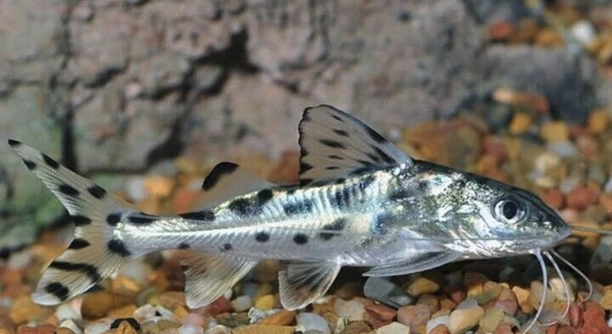
Many fishkeepers wonder how sensitive their aquatic pets are to changes in their environment. Pictus catfish are known for their active nature and unique behaviors. Understanding how they react to tank conditions can help maintain a healthy aquarium.
Pictus catfish are capable of detecting changes in their tank environment through sensory adaptations. They respond to shifts in water movement, light, and vibrations, which can influence their behavior and overall well-being. These responses are important for their survival and comfort.
Exploring how these fish perceive their surroundings offers valuable insight into creating a better habitat for them. This knowledge can improve how you care for your Pictus catfish and keep them thriving in your aquarium.
How Pictus Catfish Sense Their Environment
Pictus catfish have specialized sensory organs that help them detect changes around them. Their barbels, which look like whiskers, are very sensitive and can feel movements and vibrations in the water. These barbels help them find food and sense when something is different in the tank. Their lateral line system runs along their sides and picks up vibrations and pressure changes in the water. This means they can detect even small disturbances caused by a passing fish or a change in water flow. Light changes are also noticed by their eyes, which are adapted for low light conditions but still respond to sudden brightness. When the tank environment shifts—whether from a new decoration, a different filter flow, or a sudden splash—Pictus catfish use these senses to assess if it is safe or a potential threat. This makes them very aware of “tank vibes.”
Their ability to sense these subtle changes is vital for their safety and comfort.
Learning how these senses work helps aquarists maintain stable conditions. Keeping a steady environment reduces stress and promotes natural behavior. Simple changes in water movement or light can affect their activity levels and health. By understanding their sensitivity, you can avoid causing unnecessary alarm. For example, sudden loud noises near the tank or rapid water temperature shifts can disturb them. Regular maintenance should be done gently to keep them calm. This knowledge allows you to make small adjustments that improve their quality of life. Observing how they react can also give clues about water quality or other hidden issues. Overall, respecting their sensory abilities leads to a happier and healthier Pictus catfish in your care.
Effects of Tank Changes on Pictus Catfish Behavior
Pictus catfish often become more active or hide when the tank environment changes suddenly.
When Pictus catfish notice new vibrations, they might swim quickly or seek shelter. They can become shy if lighting changes abruptly. Consistent tank conditions help them feel secure. Changes in water flow or temperature can cause stress, making them less active or even cause health problems. It’s important to introduce any new equipment or decorations slowly and observe their reactions. If they seem unsettled, giving them time to adjust without further disturbance is best. Watching their behavior closely can help identify if a change is beneficial or harmful. Tank “vibes” play a big role in how comfortable these fish feel daily. Maintaining a calm environment supports their natural behaviors like feeding, exploring, and resting peacefully. This approach ensures they remain lively and stress-free in your aquarium.
Recognizing Stress in Pictus Catfish
Stress in Pictus catfish often shows through changes in behavior or appearance. They may hide more than usual, stop eating, or become less active. Faded colors or clamped fins are also signs of stress.
Stress responses are triggered by sudden or persistent changes in the tank. These could be caused by poor water quality, rapid temperature shifts, or loud vibrations nearby. Overcrowding and aggressive tank mates can add to their discomfort. Stress weakens their immune system, making them more vulnerable to disease. It’s important to spot these signs early to prevent long-term harm. Keeping the environment stable and calm helps reduce stress and supports their health.
A well-maintained tank with steady conditions encourages natural behavior. Providing hiding spots and gentle water flow helps Pictus catfish feel secure. Regular water testing and gradual changes in the environment also limit stress. Observing their routine closely allows you to notice even subtle shifts in mood or activity. Small adjustments based on these observations can improve their comfort and well-being significantly.
How to Maintain a Calm Tank Environment
Maintaining a calm environment involves controlling lighting, water flow, and noise levels. Avoid sudden changes and keep tank maintenance consistent.
Lighting should mimic natural conditions with moderate brightness and regular day-night cycles. Too much light can stress Pictus catfish, so consider using dimmers or floating plants to soften it. Water flow needs to be steady but gentle; strong currents can exhaust them. Noise and vibrations from household activity should be minimized, as these fish are sensitive to external disturbances. Placing the tank in a quiet area away from heavy foot traffic or loud appliances helps maintain calmness. Routine cleaning and water changes done slowly prevent sudden shifts that might unsettle them. A calm tank environment promotes health, natural behavior, and longer life for Pictus catfish.
Signs of Discomfort in Pictus Catfish
Discomfort in Pictus catfish can appear as restlessness or frequent hiding. They may also rub their bodies against objects in the tank.
These behaviors indicate irritation or poor water conditions. Checking water parameters regularly can help prevent discomfort.
Adjusting Tank Conditions for Pictus Catfish
Small changes in tank setup can improve comfort for Pictus catfish. Adjusting water temperature to their preferred range, around 74–79°F (23–26°C), supports their well-being. Ensuring pH stays near neutral, between 6.5 and 7.5, is important. Adding smooth hiding places like caves or plants gives them security. Avoid overcrowding by limiting tank mates and providing enough swimming space. Regular, gentle water flow mimics their natural environment without causing stress. Observing their reactions to these changes helps fine-tune the habitat for optimal health and happiness.
Common Tank Mistakes to Avoid
Overfeeding, poor filtration, and inconsistent maintenance are frequent errors that upset Pictus catfish.
FAQ
Can Pictus catfish sense when something new is added to the tank?
Yes, Pictus catfish are very aware of changes in their environment. When a new decoration, plant, or equipment is added, they often react by exploring cautiously or hiding. Their sensitive barbels and lateral line system help them detect these changes quickly, so they can decide if it’s safe.
How do Pictus catfish react to loud noises near the tank?
Loud noises or vibrations from outside the tank can stress Pictus catfish. They may dart around or hide until the noise stops. Constant loud sounds can cause chronic stress, which impacts their health. Keeping the tank in a quieter area helps reduce this problem.
Do Pictus catfish prefer a calm or active tank environment?
They thrive best in a calm, stable environment with gentle water flow. Sudden movements or strong currents can make them nervous. A peaceful tank with steady lighting and minimal disruptions supports their natural behaviors and helps them stay healthy.
Can Pictus catfish detect water quality changes?
While they don’t “know” water chemistry, they respond to changes in water quality through discomfort or stress behaviors. Poor water quality may cause lethargy, loss of appetite, or hiding. Maintaining clean water with regular testing and changes keeps them comfortable.
How often should I check the tank conditions for Pictus catfish?
It’s best to check water temperature, pH, ammonia, nitrite, and nitrate levels weekly. Frequent monitoring helps catch problems early before the fish show signs of stress or illness. Consistent tank maintenance is key to their well-being.
What are signs that my Pictus catfish is stressed?
Look for hiding more than usual, reduced activity, loss of appetite, faded colors, or clamped fins. These signs suggest the fish feels unsafe or uncomfortable. Identifying stress early allows you to adjust tank conditions and improve their environment.
Do Pictus catfish like company, or should they be kept alone?
Pictus catfish are social and prefer living in groups of at least three or more. They feel safer and behave more naturally with companions. However, overcrowding should be avoided to prevent stress and aggression.
How can I help my Pictus catfish adjust to a new tank?
Introduce them slowly, keep water parameters stable, and provide hiding spots. Avoid loud noises and rapid changes during acclimation. Observing their behavior during the first days will help you know if they are comfortable or need adjustments.
Will Pictus catfish react to changes in lighting?
Yes, sudden changes in lighting can startle them. Gradual light changes that mimic natural day-night cycles are best. Too bright or flickering lights can cause stress, so dimmers or plants that diffuse light can improve their comfort.
Is it normal for Pictus catfish to hide a lot?
Hiding is natural, especially during the day or when they feel threatened. But excessive hiding might indicate stress or poor tank conditions. Providing secure hiding places and monitoring water quality helps reduce this behavior.
What should I avoid doing to keep Pictus catfish comfortable?
Avoid sudden temperature changes, loud noises, overcrowding, and strong water currents. Do not overfeed or neglect regular cleaning. Keeping a consistent and gentle environment is essential to their health.
Can Pictus catfish sense my presence near the tank?
They can detect vibrations and movements outside the tank and may respond by swimming toward or away from you. They do not recognize people like pets do but are curious and alert to activity around them.
How sensitive are Pictus catfish to water temperature changes?
They prefer stable temperatures between 74 and 79°F (23–26°C). Rapid fluctuations can stress them and weaken their immune system. Use a reliable heater and thermometer to keep the temperature steady.
Do Pictus catfish react differently at night?
They are more active during low light or nighttime hours. This natural behavior means they may explore or feed more when the tank is dim or dark. Providing hiding spots for daytime rest helps them feel secure.
Can Pictus catfish sense chemical changes in the water?
They respond to chemical changes indirectly through discomfort or health effects. Ammonia or nitrate spikes can cause stress or illness, so keeping the water clean and tested is vital.
How quickly do Pictus catfish adapt to new environments?
Adaptation time varies but generally takes a few days to a week if conditions are stable. Stress signs during this time should be minimized by gentle handling and consistent care. Patience helps them settle in safely.
Pictus catfish are quite sensitive to their tank environment. They use their special senses to notice even small changes around them, such as water movement, light, and vibrations. These changes can affect how they behave and feel. When the tank environment is stable and calm, Pictus catfish tend to be more active, healthy, and comfortable. Sudden or frequent changes can cause stress, which may lead to hiding, loss of appetite, or illness. Knowing how they detect and respond to their surroundings helps fishkeepers create better habitats that suit their needs.
Keeping a steady environment for Pictus catfish means paying close attention to water quality, temperature, and lighting. Regular water testing and gentle maintenance keep the tank clean and reduce harmful changes. It’s important to introduce new decorations, equipment, or tank mates slowly so the fish can adjust without stress. Providing hiding spots and gentle water flow helps Pictus catfish feel secure. Minimizing loud noises or vibrations near the tank also plays a big role in reducing stress. Small efforts like these improve their quality of life and encourage natural behavior.
Overall, understanding how Pictus catfish sense their tank “vibes” leads to better care and happier fish. Observing their behavior closely gives clues about how comfortable they are and when adjustments are needed. A calm and stable tank supports their health, reduces stress, and helps them thrive. Taking the time to learn about their needs and reactions makes a positive difference in keeping these fish safe and lively. This simple approach benefits both the fish and the people who care for them.

Hello,
If you enjoy the content that we create, please consider saying a "Thank You!" by leaving a tip.
Every little bit helps us continue crafting quality advice that supports the health, happiness, and well-being of pets around the world, for pets of all shapes, sizes, and species.
We really appreciate the kindness and support that you show us!