
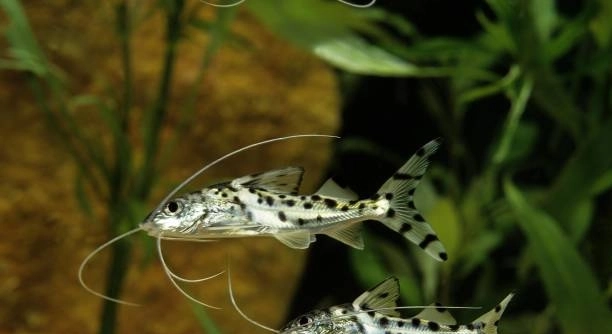
Is your Pictus catfish spending a lot of time near the surface of the tank? This behavior can catch your attention, especially if you expect it to swim at the bottom. Observing your fish closely can help understand what’s happening.
Pictus catfish often stay near the surface due to low oxygen levels in the water or poor water quality. They come up to breathe more easily and avoid stress caused by unsuitable tank conditions. This behavior signals the need for immediate tank maintenance.
Knowing why your catfish behaves this way will help you provide a healthier environment. The following details explain what causes this behavior and how to improve your fish’s comfort.
Reasons Pictus Catfish Stay Near the Surface
Pictus catfish typically swim near the bottom of the tank, so seeing them near the surface can be unusual. One common reason is low oxygen in the water. These fish need well-oxygenated water to thrive. If oxygen levels drop, they may move to the surface where oxygen concentration is higher. Another factor is water quality. Poor water conditions, such as high ammonia or nitrite levels, cause stress. This leads the fish to seek the surface, where conditions might feel slightly better. Tank size and stocking levels also matter. Overcrowded tanks reduce oxygen availability and raise waste levels, affecting fish behavior. Finally, temperature plays a role; warmer water holds less oxygen, encouraging surface visits. Regular water testing and proper tank maintenance can prevent these issues and keep your Pictus catfish healthy.
Oxygen levels below 5 mg/L and elevated toxins cause surface swimming. Testing water regularly helps catch these problems early.
Proper tank setup and routine care will reduce surface activity and promote natural behavior in your Pictus catfish. These steps improve their health and comfort daily.
How to Improve Water Quality for Your Pictus Catfish
Maintaining good water quality starts with regular cleaning and water changes. Removing waste and uneaten food prevents toxin buildup. Using a reliable filter helps keep water clear and oxygenated. Aeration devices, like air stones, increase oxygen levels and improve circulation. Monitor the tank temperature to stay within the ideal range, usually between 72°F and 78°F for Pictus catfish. Avoid sudden changes that stress your fish. Testing water parameters weekly is important. Pay attention to ammonia, nitrite, nitrate, and pH levels. If you notice elevated toxins, increase water changes or reduce feeding amounts. Also, ensure the tank is not overcrowded. Too many fish compete for oxygen and increase waste. Giving your Pictus catfish space and clean water encourages them to swim throughout the tank, not just near the surface.
Feeding and Surface Behavior
Feeding habits can affect where your Pictus catfish spends its time. If food floats, they may stay near the surface to eat.
Uneaten food that stays on the surface can also reduce water quality, causing your fish to linger there. Overfeeding leads to excess waste, which harms oxygen levels and water cleanliness. When food is scarce at the bottom, catfish might search higher in the tank. Feeding sinking pellets or wafers encourages them to swim lower, supporting natural behavior and tank balance.
It’s important to feed your Pictus catfish the right amount and type of food. This prevents leftover food from polluting the water and keeps your fish healthy. Adjust feeding based on their activity and appetite. A well-fed catfish will spend more time exploring the whole tank instead of just the surface.
Tank Setup and Environment
Tank size influences your Pictus catfish’s comfort and behavior. Smaller tanks limit space and oxygen, pushing fish upward. A 30-gallon tank or larger is ideal for these active swimmers. Decorations and hiding spots help reduce stress by mimicking their natural habitat. Soft substrates and plants provide comfort and shelter.
Proper lighting also affects their activity. Too bright lights can make catfish nervous, so moderate lighting with shaded areas works best. Clean water flow ensures oxygen reaches all tank parts, helping fish move freely. A balanced setup encourages your Pictus catfish to explore more than just the surface.
Signs of Stress in Pictus Catfish
Stress can cause your Pictus catfish to stay near the surface. Common signs include rapid breathing, loss of appetite, and erratic swimming.
Stress often results from poor water quality, overcrowding, or sudden changes in the tank environment. Monitoring these signs early helps prevent health issues and improves your fish’s well-being.
Importance of Regular Water Testing
Regular water testing ensures your tank’s conditions remain safe for your Pictus catfish. Testing for ammonia, nitrite, nitrate, and pH helps detect problems before they worsen.
Keeping water parameters stable reduces stress and promotes normal behavior, including swimming away from the surface. Using test kits weekly is a simple but effective way to maintain a healthy tank.
Tank Mates and Their Impact
Tank mates influence how comfortable your Pictus catfish feels. Aggressive or fast-swimming fish may stress them, causing surface behavior. Choosing peaceful species promotes a calm environment, encouraging natural movement.
When to Seek Expert Help
If your catfish continues to stay near the surface despite proper care, consulting a professional is wise. A vet or experienced aquarist can help identify hidden health or environmental issues.
FAQ
Why does my Pictus catfish keep swimming at the surface?
Your Pictus catfish may stay near the surface because of low oxygen levels or poor water quality. They go up to find more oxygen since the surface has higher oxygen concentration. It can also be a sign of stress caused by overcrowding or improper tank temperature.
Is it normal for Pictus catfish to come to the surface sometimes?
Yes, occasional visits to the surface can be normal, especially when they are feeding. However, constant surface swimming usually signals a problem in the tank, such as low oxygen or water contamination, that needs attention.
How can I increase oxygen in my aquarium?
Improving aeration with air stones, increasing water surface agitation, and using a good filter system can help. Regular water changes and avoiding overcrowding also maintain better oxygen levels for your fish.
What water parameters should I keep for my Pictus catfish?
Ideal water parameters include a temperature between 72°F and 78°F, pH around 6.5 to 7.5, and ammonia and nitrite levels at zero. Nitrate should be kept below 20 ppm. Keeping these parameters stable is important for their health.
Can poor water quality cause my catfish to act strangely?
Yes. High ammonia, nitrites, or nitrates can cause stress and illness in catfish. This often leads to unusual behavior such as staying near the surface, rapid breathing, or hiding. Regular water testing and maintenance prevent these issues.
What kind of food should I feed my Pictus catfish?
Sinking pellets or wafers designed for bottom feeders are best. Supplement their diet with occasional live or frozen foods like bloodworms or brine shrimp. Avoid overfeeding, as leftover food pollutes the tank and affects water quality.
How often should I clean my aquarium?
Partial water changes of 20-25% every week or two help keep the tank clean. Regularly remove uneaten food and debris. Cleaning the filter monthly is also important, but avoid cleaning it too thoroughly to preserve beneficial bacteria.
Can tank mates affect my Pictus catfish’s behavior?
Yes. Aggressive or fast-moving fish can stress your Pictus catfish, causing it to hide or stay near the surface. Peaceful and similarly sized tank mates usually create a calmer environment, encouraging natural swimming habits.
What tank size is suitable for a Pictus catfish?
A minimum of 30 gallons is recommended for a small group since Pictus catfish are active swimmers and social fish. Larger tanks provide more space, reduce stress, and help maintain water quality.
When should I consult a veterinarian about my Pictus catfish?
If your fish shows signs of illness like lethargy, loss of appetite, visible wounds, or continues unusual surface swimming despite proper care, consulting an aquatic vet or expert is a good idea. Early diagnosis can improve recovery chances.
Are temperature changes harmful to Pictus catfish?
Sudden temperature fluctuations can stress Pictus catfish and weaken their immune system. Keeping a stable temperature within their preferred range helps prevent stress-related behavior, including excessive surface swimming.
How can I reduce stress in my Pictus catfish?
Maintaining clean water, stable temperature, appropriate tank mates, and proper feeding routines reduce stress. Providing hiding spots and a comfortable environment also helps your fish feel secure and behave naturally.
What are signs of a healthy Pictus catfish?
Healthy Pictus catfish swim actively, have clear eyes, intact fins, and a good appetite. They explore the tank and rest calmly on the substrate or plants. Changes in behavior or appearance should be addressed quickly.
Can lighting affect where my catfish swims?
Yes. Too much bright light can cause discomfort and stress, making your Pictus catfish avoid the bottom and seek shaded or surface areas. Moderate lighting with some darker areas in the tank is ideal for their comfort.
Is it okay for Pictus catfish to be alone?
Pictus catfish are social and prefer living in groups of at least three to five. Keeping one alone may lead to stress or boredom, which can affect behavior, including staying near the surface.
These answers cover common concerns and help you understand why your Pictus catfish might stay near the surface. Taking care of water quality, feeding, and environment encourages healthier and happier fish.
Your Pictus catfish staying near the surface of the tank is a clear sign that something in their environment needs attention. This behavior often points to issues like low oxygen levels, poor water quality, or stress from other factors. Understanding why your fish behaves this way helps you provide better care and improve their living conditions. It is important to regularly check the tank’s water parameters, maintain proper filtration, and keep the tank clean. These actions ensure a healthy environment where your catfish can thrive and exhibit normal swimming patterns.
Keeping your Pictus catfish healthy also means paying attention to their feeding and tank setup. Feeding the right amount of sinking food prevents leftovers that could pollute the water. Providing adequate space, proper lighting, and hiding spots creates a comfortable habitat that reduces stress. Tank mates should be chosen carefully to avoid aggressive or fast-moving fish that may disturb your catfish. When these elements are in balance, your fish will be more likely to explore all areas of the tank rather than staying near the surface.
If your Pictus catfish continues to spend time at the surface despite your efforts, it might be time to seek expert advice. Sometimes, hidden health issues or environmental problems require a professional’s help to diagnose. Watching for signs of illness or stress and acting quickly can improve your fish’s chances of recovery. Ultimately, creating a stable and clean environment is key to supporting the well-being of your Pictus catfish. Paying attention to these details will help you enjoy a lively, healthy fish that behaves naturally in its home.

Hello,
If you enjoy the content that we create, please consider saying a "Thank You!" by leaving a tip.
Every little bit helps us continue crafting quality advice that supports the health, happiness, and well-being of pets around the world, for pets of all shapes, sizes, and species.
We really appreciate the kindness and support that you show us!