
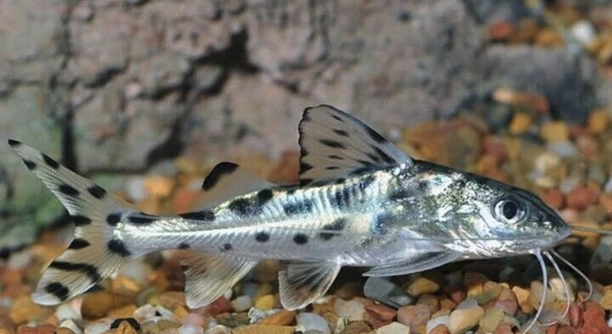
Are your pictus fish showing behaviors that make you wonder if one is more dominant than the others? Many fish owners notice subtle differences in how their pictus interact in the tank. Recognizing dominance can help improve tank harmony and care.
Dominance in pictus fish is often displayed through behaviors like chasing, territory guarding, and access to food. These actions establish a social order where the dominant fish controls resources and space, influencing the group’s overall dynamics.
Understanding these social cues can help you manage your tank better and ensure all your pictus thrive peacefully together.
Signs Your Pictus Is Dominant
Dominant pictus often show clear signs in their behavior. You might see one fish consistently chasing others away from hiding spots or food. This fish usually occupies the best area in the tank, such as near the filter or favorite decorations. It may also swim confidently, with little fear of other fish. Sometimes, the dominant pictus will flare its fins or make quick darting movements to assert control. Other fish tend to avoid it or keep their distance. Watching how your pictus interact during feeding times can reveal who takes charge. Dominant fish often eat first and get the most food. These behaviors create a social order that helps reduce constant fighting but can also stress the less dominant fish if left unmanaged.
Recognizing these signs helps in keeping a balanced tank environment.
Paying attention to behavior patterns will help you better understand your pictus’ social structure and care needs.
How to Manage a Dominant Pictus
Keeping a dominant pictus from stressing others requires careful tank setup. Providing plenty of hiding places and visual barriers can reduce aggressive encounters. Using plants, rocks, or decorations to create separate zones allows less dominant fish to escape. Feeding multiple areas in the tank also ensures all fish get enough food without competition. Watching your fish closely can help you notice if any fish is becoming overly stressed or injured. Sometimes, rearranging the tank layout can reset territorial claims and reduce dominance problems. If aggression continues, it may be necessary to consider separating the most aggressive fish. Maintaining water quality and a stable environment supports all fish and can decrease aggressive behavior. Consistent monitoring and small changes often lead to a peaceful tank with a balanced social hierarchy.
Why Dominance Matters in a Pictus Tank
Dominance affects how fish share space and resources. When one fish controls most areas, others may become stressed or hide more often. This can affect their health and behavior.
Dominance helps establish a social order that prevents constant fighting. However, too much dominance can cause weaker fish to become withdrawn or stop eating well. Stress from bullying lowers their immune systems, making illness more likely. Understanding this balance is important for keeping all your pictus healthy. A peaceful tank encourages natural behaviors and helps each fish thrive.
Managing dominance carefully supports both the dominant and less dominant fish. It creates a more enjoyable environment for you and a safer home for your fish. Watching your tank regularly lets you spot problems early before they worsen.
Feeding and Dominance
Dominant pictus often get the first chance at food, leaving less for others. Feeding in several places helps spread the food and gives shy fish a chance. Using sinking pellets or varied food types also encourages all fish to eat. This reduces stress and competition during feeding times.
Regular feeding schedules maintain balance in the tank. Overfeeding can increase aggression, while irregular feeding makes dominant fish more competitive. Feeding smaller amounts more often can calm behavior. Observing how your pictus feed together helps you adjust your routine and improve harmony in the tank.
Tank Setup and Dominance
A well-arranged tank helps reduce dominance issues. Plenty of hiding spots give less dominant pictus places to escape. Visual barriers like plants or rocks break up the tank and lower tension.
Changing decorations occasionally can disrupt established territories. This helps prevent one fish from staying dominant too long and keeps the group balanced.
Signs of Stress from Dominance
Fish that are stressed by dominance may hide often or lose appetite. They can also show faded colors or slowed movement. Stress can lead to illness, so watching for these signs is important.
If you notice any of these behaviors, it may be time to adjust the tank environment or feeding habits to help your fish feel safer.
Social Behavior in Pictus
Pictus catfish are social but have clear hierarchies. Dominant fish control the best spots and food. Less dominant fish accept this and keep their distance to avoid conflict.
Watching how your pictus interact helps you understand their group dynamics and keep the tank peaceful.
When to Intervene
Intervention is needed if aggression causes injuries or constant stress. Rearranging the tank or separating aggressive fish can protect the others.
How can I tell if my pictus fish is dominant?
Dominant pictus usually show specific behaviors such as chasing other fish away, taking the best hiding spots, and eating first during feeding time. They often swim confidently, flare their fins, or make quick darting movements to show control. Less dominant fish tend to avoid them or keep a safe distance.
Is dominance harmful to other pictus in the tank?
Dominance itself is a natural part of pictus social behavior. However, if one fish becomes overly aggressive, it can stress out other fish. Stress leads to hiding, reduced appetite, and weaker immune systems, which can cause illness. Managing tank space and feeding habits helps reduce harmful effects.
Can dominance change over time?
Yes, dominance can shift. Changes in tank setup, aging, or the introduction of new fish can cause shifts in social order. Sometimes, rearranging decorations or adding hiding spots helps reset dominance and balance the group.
What should I do if one pictus is too aggressive?
Start by adding more hiding places or visual barriers in the tank. Feed in multiple locations to reduce competition. If aggression continues, consider separating the aggressive fish temporarily or permanently to protect others. Regular water changes and good care also help reduce stress.
Does tank size affect dominance behavior?
Tank size plays a role. Smaller tanks with limited space can increase competition and aggression. A larger tank allows fish to spread out, reducing conflicts and making it easier for less dominant fish to find safe spots.
Are there signs of stress to watch for in less dominant fish?
Yes. Look for hiding more than usual, faded colors, slow swimming, or lack of interest in food. These signs suggest stress, which can affect health. Taking steps to reduce dominance pressure can improve their well-being.
Can adding more pictus help reduce dominance issues?
Adding more pictus sometimes helps distribute dominance, but it can also increase competition if the tank is small. The key is to keep enough space and hiding spots so all fish can coexist peacefully. Monitor behavior carefully when adding new fish.
How often should I feed my pictus to manage dominance?
Feeding smaller amounts more frequently helps reduce competition and aggression. Regular feeding times create routine and lower stress. Avoid overfeeding, as it can cause water quality problems and trigger more aggressive behavior.
What type of food is best for pictus to reduce fighting?
Varied food like sinking pellets, frozen bloodworms, and flakes spread throughout the tank helps. Sinking food reaches shy fish hiding at the bottom. Offering different textures and locations encourages all fish to eat without fighting.
Is it necessary to rearrange tank decorations regularly?
Yes, changing the layout occasionally can disrupt established territories and reduce dominance conflicts. New decorations or rearranged plants help reset social order and keep the tank environment interesting for your pictus.
Can dominance behavior be different between male and female pictus?
Males are often more territorial and may show stronger dominance behaviors, especially during breeding. Females tend to be less aggressive but still follow social hierarchies. Knowing this can help you plan tank groups carefully.
Should I separate pictus if dominance gets out of control?
If aggression causes injury or constant stress, separation is a good idea. You can use a divider or another tank temporarily or permanently. Protecting the health of all fish is the priority.
Does dominance affect breeding behavior in pictus?
Dominance plays a role in breeding, as dominant males often control prime spawning sites. Stress from aggression can also reduce breeding success. Providing plenty of hiding places and a calm environment supports healthy reproduction.
How can I encourage peaceful behavior among pictus?
Keep the tank well-planted with plenty of hiding spots, feed in multiple locations, and maintain good water quality. Avoid overcrowding and watch for signs of stress or aggression. Regular tank maintenance helps keep fish calm and healthy.
Can dominance cause long-term health problems in pictus?
Chronic stress from dominance battles can weaken immune systems and make fish prone to diseases. Injuries from fighting can also cause infections. Early intervention and good tank management prevent these problems and promote a healthy community.
Dominance is a natural part of pictus fish behavior. It helps them establish order in the tank and reduces constant fighting. When one fish takes the lead, it controls the best spots and access to food. This behavior is normal and can be seen in many types of fish. However, it is important to watch how dominance affects the other fish. If one pictus becomes too aggressive, it can cause stress and harm to the others. Stress can make fish hide more, lose their appetite, or become sick. Paying attention to these signs is key to keeping a healthy tank.
Managing dominance in your pictus tank is about balance. Providing enough space, hiding spots, and food can reduce aggressive behavior. Plants, rocks, and decorations help break up the tank and give shy fish places to hide. Feeding in different spots also spreads out competition during meal times. Keeping water clean and stable supports fish health and lowers stress levels. Sometimes changing the tank layout or adding new hiding places can reset the social order and calm down the group. If aggression continues despite these efforts, separating the most aggressive fish may be necessary.
Understanding your pictus’ social behavior helps create a peaceful environment where all fish can thrive. Watching how they interact during feeding and daily swimming shows who is dominant and who needs more space or protection. Taking small steps like adjusting feeding habits or rearranging the tank can make a big difference. Remember that dominance is part of their natural behavior, but it should not harm the well-being of any fish. With proper care and attention, your pictus community can stay healthy and happy together.

Hello,
If you enjoy the content that we create, please consider saying a "Thank You!" by leaving a tip.
Every little bit helps us continue crafting quality advice that supports the health, happiness, and well-being of pets around the world, for pets of all shapes, sizes, and species.
We really appreciate the kindness and support that you show us!