
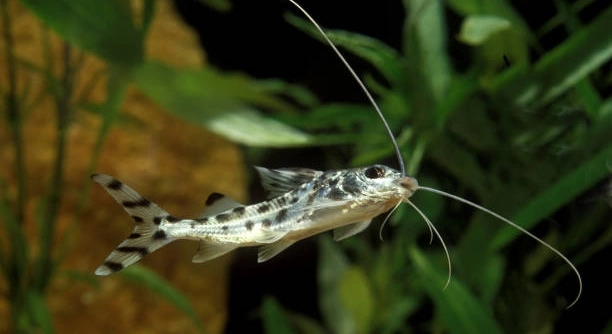
Pictus catfish and Corydoras are popular choices for freshwater aquariums. Many aquarists enjoy keeping different species together to create a lively tank environment. Understanding how these two species interact is important for a harmonious setup.
Pictus catfish and Corydoras can generally be kept together, as they have compatible temperaments and similar water requirements. Pictus catfish are active swimmers, while Corydoras prefer the bottom, reducing territorial conflicts. Careful monitoring and proper tank size are essential.
Knowing how to balance their needs helps maintain a peaceful aquarium. The following information will guide you through the key points of keeping these species together successfully.
Temperament and Behavior Differences
Pictus catfish are known for their active and sometimes skittish nature. They tend to swim in the middle and upper levels of the tank, exploring their surroundings constantly. Corydoras, on the other hand, are peaceful bottom dwellers. They move slowly, often in groups, scavenging for leftover food. These behavior differences help reduce direct competition and stress between the two species. However, it is important to provide plenty of hiding spots and adequate space to avoid overcrowding. Pictus catfish may become more territorial if the tank is too small or if they feel threatened. Observing their interactions during the first few weeks after introduction can help you notice any signs of aggression or stress. Creating a balanced environment with proper substrate and decorations will encourage natural behaviors and improve compatibility.
Both species appreciate calm tank mates and thrive in peaceful settings without excessive noise or sudden movements.
A well-planned aquarium setup takes into account these behavioral traits. Providing a mix of open swimming areas for the Pictus and soft, sandy substrate for the Corydoras promotes healthy activity. Additionally, regular feeding routines and monitoring water quality reduce stress for both species. They benefit from a stable environment with consistent temperature and pH levels. Using gentle lighting and avoiding sharp objects helps prevent injury. Grouping Corydoras in at least six individuals supports their social nature, while Pictus catfish can be kept in small groups if space permits. Overall, understanding their unique needs fosters a thriving tank where both species coexist peacefully.
Water Conditions and Tank Requirements
Both Pictus catfish and Corydoras prefer similar water conditions, which makes them compatible tank mates in many setups.
Maintaining clean water with temperatures between 72-78°F and a pH around 6.5-7.5 is ideal for both species. Regular water changes and a good filtration system keep the environment healthy. Proper tank size is crucial, with at least 30 gallons recommended to accommodate their active swimming and social behaviors. Adding soft, smooth substrate protects Corydoras’ sensitive barbels. Plants and hiding places provide comfort and reduce stress, especially for shy individuals. Avoid keeping Pictus catfish with aggressive or much larger fish, as this can lead to harm. Following these guidelines helps both species thrive together in a balanced aquarium environment.
Feeding Habits and Diet Compatibility
Pictus catfish are primarily carnivorous, enjoying live or frozen foods like bloodworms and brine shrimp. Corydoras prefer sinking pellets and flakes, eating mostly leftovers on the tank floor. Their diets complement each other well without much competition.
Feeding both species requires balance. Pictus catfish need protein-rich food to support their active lifestyle. Corydoras benefit from a varied diet, including algae wafers and small insects. Providing sinking pellets ensures Corydoras get enough food without losing it to more aggressive eaters. Feeding at different tank levels can help manage competition. It’s important not to overfeed to avoid water quality issues. Observing feeding behavior can help adjust amounts to keep both species healthy.
Regular feeding routines strengthen the aquarium’s balance. Treats like bloodworms or daphnia can be offered occasionally, stimulating natural hunting instincts for Pictus catfish. Ensuring Corydoras have enough food at the bottom encourages their scavenging without conflict. Overall, their feeding habits work well together when managed carefully.
Potential Risks and Precautions
Aggression from Pictus catfish toward smaller Corydoras can happen if the tank is overcrowded or stressed. Injury risk increases without sufficient hiding spots.
To reduce risks, provide plenty of plants, caves, and decorations for hiding and retreat. Maintain good water quality and a spacious tank to lower stress. Watch for signs of bullying or injury and separate fish if needed. Avoid sharp or rough substrates that may harm Corydoras’ barbels. Introducing fish gradually and monitoring their behavior during the first weeks helps ensure peaceful coexistence. Proper care and attention prevent most conflicts and keep both species safe.
Tank Setup Tips
Using a soft, sandy substrate is best for Corydoras to protect their delicate barbels. Avoid sharp gravel that can cause injury.
Plants and hiding spots are essential. They help reduce stress by providing shelter and areas for the fish to explore comfortably.
Introducing Pictus and Corydoras
Introduce Corydoras first to let them settle into the tank. Add Pictus catfish afterward, so they don’t feel territorial. This order helps minimize stress and potential aggression between species, promoting a peaceful community tank.
Monitoring Behavior
Regularly watch how your fish interact, especially after changes or introductions. Early detection of stress or aggression helps prevent serious issues before they develop.
Common Health Concerns
Both species are prone to similar freshwater fish diseases, including ich and fin rot. Maintaining clean water and stable conditions helps keep them healthy.
FAQ
Can Pictus catfish and Corydoras live together peacefully?
Yes, they can live together peacefully when their needs are met. Pictus catfish are active swimmers, while Corydoras are bottom dwellers. This natural separation in tank levels reduces conflict. Adequate space, hiding spots, and compatible water conditions are key to harmony. Monitoring their behavior helps catch problems early.
What tank size is ideal for keeping Pictus and Corydoras together?
A minimum of 30 gallons is recommended. Pictus catfish need space to swim actively, while Corydoras require room to forage comfortably on the bottom. Larger tanks provide better territory division and reduce stress from overcrowding.
How many Corydoras should I keep?
Corydoras are social fish and do best in groups of six or more. Keeping them in groups encourages natural behavior, reduces stress, and prevents loneliness.
What diet should I feed them when keeping both species?
Feed Pictus catfish mainly protein-rich foods such as bloodworms, brine shrimp, and carnivore pellets. Corydoras prefer sinking pellets, flakes, and algae wafers. Feeding at different tank levels ensures each species gets the right amount of food without competition.
Are Pictus catfish aggressive towards Corydoras?
Pictus catfish are generally peaceful but can become territorial if overcrowded or stressed. Proper tank size, plenty of hiding spots, and calm tank mates reduce aggressive tendencies. Early observation helps prevent issues.
What water parameters suit both species?
Both thrive in temperatures between 72-78°F and a pH of 6.5-7.5. Stable water quality with low ammonia, nitrite, and nitrate levels is crucial. Regular water changes and filtration maintain a healthy environment.
Can Corydoras tolerate the same water hardness as Pictus catfish?
Yes, both species prefer soft to moderately hard water. Avoid very hard water, which can stress Corydoras. Checking water hardness and adjusting gradually helps keep both healthy.
Do Pictus catfish and Corydoras need the same lighting conditions?
Both species prefer moderate lighting. Too bright light can stress Corydoras since they are bottom dwellers. Using plants and decorations to create shaded areas helps them feel secure.
How often should I feed Pictus and Corydoras?
Feed both species once or twice daily in small amounts they can consume within a few minutes. Overfeeding leads to poor water quality and health problems.
What are common health issues for these fish?
Both can suffer from ich, fin rot, and bacterial infections if water quality is poor. Keeping the tank clean and maintaining stable conditions prevents most diseases. Quarantining new fish before introduction also reduces risk.
Can Pictus catfish injure Corydoras?
In rare cases, Pictus catfish may unintentionally injure Corydoras while chasing or competing for food. Providing ample hiding places and a peaceful environment minimizes this risk.
Is it necessary to keep Pictus catfish in groups?
Pictus catfish are social but can be kept singly in smaller tanks. In larger tanks, groups of three or more reduce stress and encourage natural behavior.
What substrate is best for the tank?
Soft sand is ideal. It protects Corydoras’ sensitive barbels and prevents injury. Avoid rough gravel or sharp decorations.
Can I keep other fish with Pictus and Corydoras?
Yes, peaceful community fish that share similar water requirements work well. Avoid aggressive or very large species that may harm them.
How do I know if the fish are stressed?
Signs include hiding constantly, loss of appetite, rapid breathing, or damaged fins. Early detection and adjusting tank conditions improve their well-being.
Should I feed live or frozen foods?
Both live and frozen foods are good options, especially for Pictus catfish. They provide necessary protein and stimulate natural hunting behavior. Corydoras also benefit from varied diets including pellets and flakes.
How long do Pictus catfish and Corydoras live?
Pictus catfish typically live 8-10 years, while Corydoras can live 5-10 years with proper care.
Can Corydoras breathe atmospheric air?
Yes, Corydoras have a modified intestine allowing them to gulp air at the surface, helping survival in low-oxygen environments.
Is it necessary to provide caves or decorations?
Providing caves, plants, and decorations creates hiding spots and reduces stress. Both species appreciate places to retreat.
How quickly do Pictus catfish grow?
They grow relatively fast, reaching around 4-5 inches within their first year, depending on diet and tank conditions.
Are Pictus catfish suitable for beginner aquarists?
They require stable water conditions and a larger tank, so they are better suited for intermediate hobbyists with some experience.
Do Corydoras need special care?
Corydoras are hardy but sensitive to poor water quality. Regular cleaning, a soft substrate, and a peaceful tank help maintain their health.
What are signs of good compatibility between Pictus and Corydoras?
Both fish swimming calmly without chasing or hiding excessively, regular feeding without competition, and normal activity levels indicate good compatibility.
Pictus catfish and Corydoras can make a good combination in a community aquarium when their needs are properly met. Their natural behaviors complement each other well, with Pictus catfish swimming actively in the middle and upper levels of the tank and Corydoras staying mostly at the bottom. This difference in swimming zones helps reduce competition for space and food. Both species prefer similar water conditions, which simplifies tank management. Maintaining stable water quality, suitable temperature, and pH levels will create a healthy environment for both fish. Providing enough space and hiding spots is also essential to keep stress low and promote peaceful coexistence. When these factors are carefully considered, Pictus catfish and Corydoras can thrive together without problems.
Feeding these two species together is fairly straightforward due to their different diets and feeding habits. Pictus catfish need protein-rich foods such as bloodworms or shrimp, while Corydoras prefer sinking pellets and leftover food on the bottom. Feeding at different levels in the tank helps ensure both species get the nutrients they need without competition. Overfeeding should be avoided to prevent water quality issues that could affect the health of the fish. Regular monitoring during feeding times allows for adjustments in diet or quantity, which supports the wellbeing of both species. Their different feeding habits, when managed correctly, contribute to a balanced tank ecosystem.
Even though Pictus catfish and Corydoras generally get along, there are some risks to keep in mind. Overcrowding, poor water quality, or lack of hiding places can cause stress or aggression, especially from the more active Pictus catfish. Monitoring their behavior is important, especially after introducing new fish or making changes to the tank setup. Any signs of aggression or injury should be addressed quickly by providing additional shelter or separating fish if necessary. Using a soft substrate and avoiding sharp decorations will protect Corydoras’ sensitive barbels from injury. With proper care and attention, most problems can be avoided, and both species can live happily together in a well-maintained aquarium.

Hello,
If you enjoy the content that we create, please consider saying a "Thank You!" by leaving a tip.
Every little bit helps us continue crafting quality advice that supports the health, happiness, and well-being of pets around the world, for pets of all shapes, sizes, and species.
We really appreciate the kindness and support that you show us!