
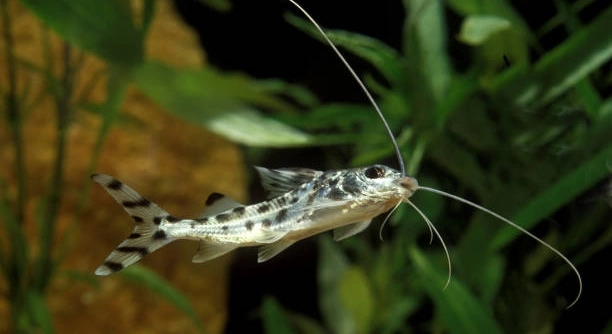
Keeping Pictus catfish in home aquariums is popular among fish enthusiasts. These small, active fish have unique behaviors that make them interesting to observe. Their social habits often raise questions about ideal group sizes for healthy living.
Pictus catfish thrive best in groups of three or more, as they are naturally schooling fish. Keeping them in small groups helps reduce stress and encourages natural behaviors, promoting their overall health and well-being in a captive environment.
Understanding the social needs of Pictus catfish helps ensure their comfort and vitality in your tank. Exploring their group dynamics reveals important insights for successful fishkeeping.
Why Pictus Catfish Prefer Groups
Pictus catfish are schooling fish that feel more secure when they are in groups. In the wild, they swim together in shoals for protection and social interaction. When kept alone or in pairs, they can become shy or stressed, which affects their health. Group living encourages natural behaviors such as foraging and exploring the tank. They often follow each other and use group movement to avoid threats. Watching a small group interact is rewarding because their personalities become more visible. Their activity level also increases, making the tank livelier. Keeping at least three Pictus catfish helps replicate their natural environment, reducing aggressive tendencies. It is important to provide enough space and hiding spots to support their group dynamics. A well-maintained group leads to healthier fish that display more vibrant colors and behavior, contributing to a balanced aquarium.
Smaller groups often cause isolation stress, which can shorten a fish’s lifespan. Groups help maintain a calm and balanced environment for Pictus catfish.
Group size impacts Pictus catfish behavior significantly. More than two fish encourage social interaction, but overcrowding can lead to competition for food and space. Careful planning of the aquarium size and group number ensures harmony. A tank around 30 gallons or larger is ideal for three or more fish, allowing enough room for swimming and hiding. Proper filtration and regular water changes support the group’s health. Providing decorations like plants and caves helps reduce stress by creating secure zones. Balancing group size and tank conditions promotes a peaceful habitat where Pictus catfish thrive. Observing their group behavior enhances the overall aquarium experience, showing why keeping them in appropriate numbers is essential.
Tank Setup for Group Living
Providing the right environment is key for Pictus catfish groups. A larger tank with plenty of hiding spots supports their needs.
Aquarium size matters when housing multiple Pictus catfish. A minimum of 30 gallons is recommended for a group of three. These fish are active swimmers and require space to move freely. A well-decorated tank with plants, driftwood, and caves gives them places to hide and rest. Substrate should be soft, like sand, to protect their sensitive barbels. Proper lighting should mimic their natural habitat with moderate brightness. Filtration must be efficient to keep water clean and well-oxygenated, as Pictus catfish are sensitive to poor water quality. Regular maintenance keeps the tank stable. Avoid overcrowding to prevent aggression and stress. Attention to these details ensures the fish stay healthy and behave naturally. A balanced tank setup directly influences the success of keeping Pictus catfish in groups, promoting their well-being and longevity.
Feeding Pictus Catfish in Groups
Pictus catfish are omnivores and need a balanced diet to stay healthy. Feeding a group requires attention to ensure all fish get enough food without overfeeding the tank.
Feeding Pictus catfish in groups means distributing food evenly. These fish prefer sinking pellets, wafers, and live or frozen foods like bloodworms and brine shrimp. Because they are bottom dwellers, food should reach the tank floor quickly. It’s important to watch for dominant fish that may eat more than others. Feeding small amounts multiple times a day helps prevent competition and reduces leftover waste. Uneaten food can harm water quality, so moderation is key.
Supplementing their diet with vegetables like blanched zucchini or cucumber is beneficial. Variety supports their nutritional needs and keeps them active. Offering different food types stimulates natural foraging behavior. Feeding a group properly ensures all fish remain vibrant and healthy, while keeping the tank environment stable and clean.
Signs of Stress in Grouped Pictus Catfish
Stress in Pictus catfish can show through changes in behavior and appearance. Recognizing these signs early helps prevent health issues.
Signs include hiding excessively, loss of appetite, and erratic swimming. Color fading and clamped fins are also common indicators. Stress can result from poor water conditions, overcrowding, or aggressive tank mates. In groups, if one fish is stressed, it may affect the others, increasing vulnerability to disease. Monitoring the group regularly ensures problems are caught early.
Maintaining good water quality and providing adequate space and hiding places reduces stress. If aggression arises, consider adjusting group size or tank setup. Balanced care supports the social needs of Pictus catfish and keeps stress levels low, promoting a healthy, peaceful aquarium.
Tank Mates for Pictus Catfish
Choosing compatible tank mates is important for Pictus catfish groups. Avoid aggressive or overly large fish that may bully or stress them. Peaceful community fish that occupy different tank levels work best.
Good tank mates include tetras, rasboras, and peaceful bottom dwellers. These species won’t compete aggressively for food or space, helping maintain harmony in the tank.
Water Conditions
Pictus catfish prefer slightly acidic to neutral pH levels, between 6.5 and 7.5. Stable temperature between 75°F and 80°F supports their health and activity.
Consistent water changes and efficient filtration are essential. These fish are sensitive to poor water quality, so monitoring ammonia, nitrite, and nitrate levels regularly is important for their well-being.
Breeding Pictus Catfish
Breeding Pictus catfish in home tanks is challenging but possible. They require specific conditions, such as slightly cooler water and a separate breeding tank with plenty of hiding spaces to encourage spawning.
Common Health Issues
Pictus catfish are prone to stress-related illnesses like fin rot and ich. Maintaining good water quality and a stress-free environment helps prevent these problems.
FAQ
How many Pictus catfish should I keep together?
The ideal group size is three or more. Keeping them in groups reduces stress and encourages natural schooling behavior. Fewer than three fish can feel isolated and shy, which can harm their health over time.
Can I keep Pictus catfish with aggressive fish?
It is not recommended. Pictus catfish are peaceful and can be stressed or injured by aggressive tank mates. Choose calm, community fish that won’t compete aggressively for space or food.
What size tank is best for a group of Pictus catfish?
A minimum of 30 gallons is suggested for three Pictus catfish. This size allows enough swimming space and room for hiding spots. Overcrowding can lead to stress and aggression.
What do Pictus catfish eat?
They are omnivores and eat sinking pellets, wafers, and live or frozen foods such as bloodworms and brine shrimp. Supplement their diet with blanched vegetables to provide balanced nutrition.
How often should I feed my Pictus catfish?
Feeding small amounts two to three times a day is best. This prevents leftover food that can pollute the tank and reduces competition among fish during feeding time.
How do I know if my Pictus catfish is stressed?
Signs include hiding a lot, loss of appetite, faded colors, and clamped fins. Erratic swimming or lethargy are also indicators. Stress often results from poor water quality, overcrowding, or aggressive tank mates.
What water parameters do Pictus catfish need?
They prefer a pH between 6.5 and 7.5 and temperatures from 75°F to 80°F. Stable water conditions and efficient filtration are critical since these fish are sensitive to poor water quality.
Can Pictus catfish live with other bottom dwellers?
Yes, but choose peaceful species that won’t compete aggressively for food or territory. Avoid overly aggressive or territorial bottom dwellers that may bully them.
How do I breed Pictus catfish?
Breeding is difficult in a community tank. Use a separate breeding tank with cooler water and plenty of hiding places. Conditioning the fish with live foods can encourage spawning.
What common health issues affect Pictus catfish?
Stress-related diseases like fin rot and ich are common. Maintaining clean water and a calm environment helps prevent these issues. Quarantining new fish reduces the risk of introducing illness.
Is it okay to keep Pictus catfish alone?
They can survive alone but are much happier in groups. Alone, they may become shy and stressed, which can affect their lifespan and overall health.
How often should I change the water in a tank with Pictus catfish?
Weekly water changes of 20-30% are recommended. Regular water changes help maintain clean, stable water conditions, which is vital for their health.
Do Pictus catfish need special lighting?
Moderate lighting is best. Too bright can stress them since they prefer dimmer environments with plenty of hiding spots to feel secure.
Can Pictus catfish jump out of the tank?
Yes, they are known to jump if startled or stressed. Make sure the tank has a secure lid to prevent escapes.
What is the best substrate for Pictus catfish?
Soft substrates like sand are ideal. Hard or rough gravel can damage their sensitive barbels, causing injury or infection.
How long do Pictus catfish live?
With proper care, they can live 8 to 10 years in captivity. Good diet, clean water, and proper social conditions contribute to their longevity.
Are Pictus catfish active during the day or night?
They are mostly nocturnal but can be active during the day, especially in groups. They tend to hide during bright light and become more active during low light or at night.
Can Pictus catfish recognize their owners?
While not as interactive as some species, they may recognize their keeper’s presence over time and respond to feeding routines.
What should I do if my Pictus catfish shows signs of illness?
Isolate the affected fish if possible and test water parameters first. Treat with appropriate medications based on the illness and maintain clean water to support recovery.
How important is tank decoration for Pictus catfish?
Very important. Plants, caves, and driftwood provide hiding spots and reduce stress. A well-decorated tank helps mimic their natural environment and encourages natural behaviors.
Can Pictus catfish coexist with shrimp?
It depends on the shrimp species. Larger shrimp may be safe tank mates, but smaller shrimp can be seen as food. Careful consideration is needed when mixing species.
Do Pictus catfish grow large?
They can reach up to 5 inches in length, so tank size and group number should accommodate their adult size for comfort and health.
Keeping Pictus catfish in groups of three or more is generally the best choice for their health and happiness. These fish are naturally social and feel safer when they are with others of their kind. Being in a small group helps them display natural behaviors, like schooling and exploring together. When they are alone or in pairs, they can become shy or stressed, which may lead to health problems over time. Ensuring they have enough space to swim and places to hide also supports their well-being. Proper tank size and setup are important to keep a group comfortable and reduce the chance of stress or aggression.
Feeding a group of Pictus catfish requires some care to make sure every fish gets enough food. Since they are bottom feeders, it’s important to provide sinking pellets or wafers, along with occasional live or frozen foods like bloodworms. Feeding small amounts several times a day helps prevent leftover food that can pollute the water. It also reduces competition during feeding times, which can otherwise lead to dominant fish eating more than others. A balanced diet with some vegetables keeps them healthy and active, supporting their natural behaviors in the group.
Water quality and tank conditions play a big role in the success of keeping Pictus catfish in groups. These fish are sensitive to poor water quality, so regular maintenance and good filtration are essential. Keeping the water parameters stable, including temperature and pH, will help them thrive. Stress from overcrowding or aggressive tank mates can affect their health, so choosing peaceful companions and providing enough space is key. Paying attention to these details will create a calm and healthy environment where Pictus catfish can live longer and show their true behavior. Overall, thoughtful care and proper group size make a big difference in maintaining happy Pictus catfish.

Hello,
If you enjoy the content that we create, please consider saying a "Thank You!" by leaving a tip.
Every little bit helps us continue crafting quality advice that supports the health, happiness, and well-being of pets around the world, for pets of all shapes, sizes, and species.
We really appreciate the kindness and support that you show us!