
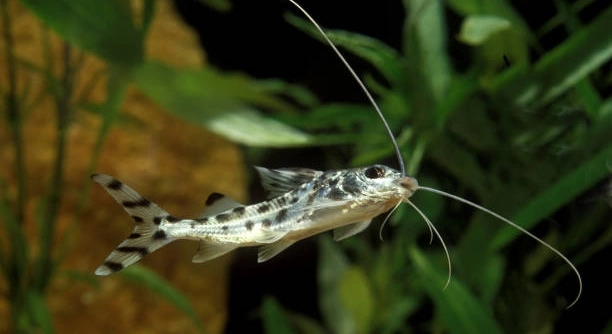
Pictus catfish are popular freshwater fish often kept in home aquariums. Feeding them daily is common, but many myths surround how and what to feed these fish. Understanding these myths can help improve their care and health.
Feeding pictus catfish daily requires balance and knowledge; many misconceptions exist about their diet, feeding frequency, and nutritional needs. Clarifying these myths promotes better feeding practices and supports the fish’s overall well-being in captivity.
Learning the truth behind these myths will help you provide proper care for your pictus catfish and maintain a healthy aquarium environment.
Myth 1: Pictus Catfish Need to Be Fed Every Day
Many believe pictus catfish must be fed daily to stay healthy, but this is not entirely true. These fish can tolerate less frequent feedings and may benefit from it. In their natural habitat, pictus catfish do not eat every day, as food availability varies. Overfeeding can lead to poor water quality and health problems like obesity or digestive issues. Feeding once every other day or even every third day is often sufficient. When feeding daily, portions should be small to avoid leftover food that pollutes the tank. Observing your fish’s behavior and adjusting feeding frequency is key. Healthy pictus catfish are active, have bright eyes, and clear fins. Avoid the temptation to overfeed just because they seem hungry. Feeding them properly involves understanding their natural eating habits and maintaining a clean tank.
Balanced feeding helps pictus catfish stay healthy and reduces risks related to overfeeding, such as water pollution and illness.
Regularly monitoring their eating habits ensures you give the right amount of food without stressing their system or the aquarium environment.
Myth 2: Pictus Catfish Can Eat Anything
Pictus catfish have specific dietary needs that are often misunderstood. While they are opportunistic feeders, they cannot thrive on just any food. A diet high in protein is essential because these fish are carnivorous by nature. They do best with sinking pellets, live or frozen foods like bloodworms, brine shrimp, or small insects. Feeding flakes or plant-based food alone will not meet their nutritional needs and can weaken their immune system. Some people think that feeding scraps or leftovers is okay, but this can harm water quality and the fish’s health. It’s important to avoid over-relying on cheap or inappropriate foods. Providing variety and proper nutrition ensures that pictus catfish remain active and healthy. A consistent, quality diet will support their growth and coloration over time.
Giving your pictus catfish a protein-rich diet supports their natural eating habits and promotes their well-being.
Knowing what to feed helps prevent common health issues caused by poor nutrition and improper feeding choices.
Myth 3: Pictus Catfish Are Always Bottom Feeders
While pictus catfish do spend much time near the bottom, they are not exclusively bottom feeders. They often swim in the middle and upper parts of the tank, especially when searching for food. This behavior shows their active nature and curiosity.
Their feeding habits are flexible. They will eat leftovers from the bottom but also chase live or floating food when available. This means they benefit from varied feeding locations and times. Keeping this in mind helps provide a better feeding routine that suits their natural activity levels.
Offering food in different tank areas encourages natural foraging behavior. This keeps pictus catfish active and engaged, contributing to their overall well-being.
Myth 4: Feeding Pictus Catfish Daily Causes Water Quality Problems
Overfeeding is the real cause of water quality issues, not daily feeding itself. Feeding the right amount daily will not harm the tank. Uneaten food and excess waste are the main problems for water cleanliness.
Controlling portions is crucial to prevent water pollution. Feed small amounts that the fish can finish quickly. Maintaining a good cleaning schedule also helps. A well-filtered tank with moderate feeding supports stable water conditions.
Daily feeding, if done responsibly, can fit into a healthy tank routine. It keeps the fish nourished without compromising water quality or their health.
Myth 5: Pictus Catfish Don’t Need Supplements
Pictus catfish do benefit from occasional vitamin and mineral supplements. These can boost their immune system and improve coloration. Supplements should be used sparingly and as part of a balanced diet, not as a replacement for quality food.
Overusing supplements can cause stress or health problems. Proper feeding and clean water are more important for their well-being than constant supplementation.
Myth 6: Pictus Catfish Will Eat Algae
Pictus catfish are not effective algae eaters. They prefer protein-rich foods and are unlikely to control algae growth in the tank. Relying on them to clean algae will leave the problem unresolved.
It’s better to use dedicated algae-eating species and maintain good tank hygiene to keep algae under control.
Myth 7: Feeding Pictus Catfish Daily Is Expensive
Feeding pictus catfish daily doesn’t have to be costly if planned well. Buying quality food in bulk and feeding appropriate amounts helps reduce expenses.
Focus on nutritious food that lasts longer, avoiding waste caused by overfeeding or poor-quality items.
FAQ
How often should I feed my pictus catfish?
Feeding pictus catfish every other day is often enough. They can handle daily feeding if portions are small and controlled. It’s more important to avoid overfeeding than to feed every day. Watch their behavior and adjust feeding to keep them healthy.
What kind of food is best for pictus catfish?
High-protein foods like sinking pellets, frozen bloodworms, and brine shrimp are best. They also enjoy live insects or small worms. Avoid relying on flakes or plant-based foods alone because pictus catfish are mainly carnivorous and need protein for energy.
Can pictus catfish eat leftovers in the tank?
They will eat leftovers, but it’s not healthy to depend on that. Leftover food can pollute the water, causing poor conditions and health issues. Feeding measured amounts helps reduce waste and keeps the tank cleaner.
Is it okay to feed them only once a day?
Yes, feeding once a day is fine if the portion is appropriate. Some owners feed every other day with good results. The key is consistency and avoiding excess food that stays uneaten.
Do pictus catfish eat plants or algae?
No, pictus catfish are not herbivores and rarely eat algae or plants. They prefer animal protein and won’t help much in controlling algae growth. Other tank mates or manual cleaning are better solutions for algae problems.
Can overfeeding harm pictus catfish?
Yes, overfeeding can cause obesity, digestive issues, and dirty water. Uneaten food breaks down and pollutes the tank, leading to harmful bacteria and poor oxygen levels. Feeding small, controlled portions is important for their health.
Are supplements necessary for pictus catfish?
Supplements can help, especially vitamins and minerals, but they are not always necessary. A varied and balanced diet usually provides enough nutrients. Use supplements only occasionally and never as a substitute for good food.
Will feeding pictus catfish daily damage the tank’s water quality?
Daily feeding itself doesn’t damage water quality if done properly. The problem comes from overfeeding and leftover food. Small, frequent feedings paired with regular tank maintenance keep water quality stable.
How do I know if I am feeding my pictus catfish too much?
Signs of overfeeding include leftover food in the tank, cloudy water, and fat or lethargic fish. If you see these, reduce feeding amounts. Fish should finish their food within a few minutes during feeding.
What is the best way to feed pictus catfish?
Use sinking food and place it near the bottom or mid-level of the tank. Feeding at different levels encourages natural behavior. Offer small portions to avoid waste, and remove uneaten food after feeding if possible.
Can I feed my pictus catfish human food?
Feeding human food is not recommended. Many human foods lack the nutrients fish need and may contain harmful ingredients. Stick to food designed for carnivorous freshwater fish to ensure their health.
How long can pictus catfish go without food?
They can survive several days without food, especially in cooler water when metabolism slows down. However, regular feeding is important for their growth and activity. Skipping feedings occasionally won’t harm them but shouldn’t become routine.
Is it better to feed pictus catfish live or frozen food?
Both live and frozen foods are good choices. Live food can stimulate natural hunting behavior and provide fresh nutrients. Frozen food is convenient and safe from parasites. Rotating between these types offers a balanced diet.
Should I feed my pictus catfish at the same time every day?
Feeding at consistent times helps fish develop a routine and reduces stress. Whether you feed daily or every other day, try to keep feeding times regular. This consistency promotes healthy digestion and behavior.
What happens if I feed pictus catfish too little?
Underfeeding can lead to poor health, weak immune systems, and slow growth. Fish may become less active and lose color. It’s important to find a balance between not overfeeding and ensuring they get enough nutrition.
Can pictus catfish eat flakes?
They can eat flakes, but flakes should not be their main diet. Flakes often float and may not reach the bottom where pictus catfish prefer to feed. Also, flakes may not provide enough protein for their needs.
Is it necessary to vary the diet of pictus catfish?
Yes, varying their diet ensures they get a range of nutrients. Mixing pellets, frozen foods, and live foods improves health and keeps feeding interesting. A varied diet supports better coloration and activity.
How can I prevent overfeeding in my tank?
Feed small amounts your fish can finish quickly. Use a feeding schedule and measure food if needed. Remove uneaten food promptly and monitor water quality regularly to catch problems early.
Can pictus catfish survive on pellets alone?
They can survive on quality pellets if they are high in protein and made for carnivorous fish. However, including live or frozen foods improves their nutrition and keeps them more engaged.
Do pictus catfish eat during the day or night?
They are mostly nocturnal but will eat during the day if food is offered. Feeding at dusk or early evening matches their natural feeding times and encourages healthy behavior.
Feeding pictus catfish daily does not have to be complicated, but it does require some understanding and care. These fish have specific needs that are different from many other aquarium species. It’s important to remember that overfeeding can cause problems like poor water quality and health issues for your fish. Feeding small amounts regularly or every other day often works best. Watching how your fish behave and adjusting the feeding schedule accordingly will help keep them healthy and happy.
A balanced diet is key for pictus catfish. They need protein-rich foods like sinking pellets, frozen bloodworms, and live insects to stay strong and active. While they might nibble on leftovers or plants occasionally, these should not be their main food sources. Providing a variety of quality food not only supports their growth but also encourages natural behavior and vibrant coloration. Avoid feeding human food or relying solely on flakes, as these do not meet their nutritional needs.
Proper feeding habits also help maintain a clean and stable tank environment. Overfeeding leads to leftover food that pollutes the water and stresses your fish. Using measured portions and feeding at consistent times makes it easier to control this. Regular tank cleaning and good filtration work together with responsible feeding to create a healthy space for your pictus catfish. By learning the facts and avoiding common myths, you can enjoy caring for your fish and watching them thrive.

Hello,
If you enjoy the content that we create, please consider saying a "Thank You!" by leaving a tip.
Every little bit helps us continue crafting quality advice that supports the health, happiness, and well-being of pets around the world, for pets of all shapes, sizes, and species.
We really appreciate the kindness and support that you show us!