
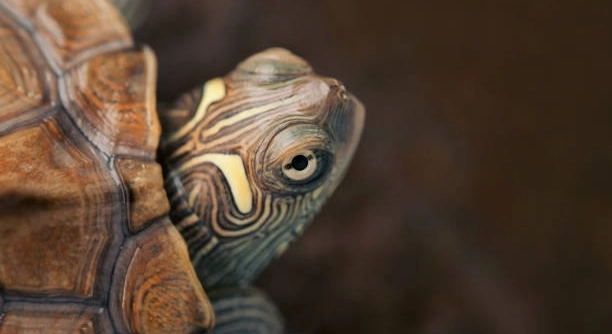
Creating a successful breeding setup for map turtles requires careful planning and the right tools. Understanding the needs of these reptiles can ensure a healthy environment for both parents and hatchlings.
To set up a successful map turtle breeding environment, you’ll need specific tools, such as suitable tanks, temperature controls, filtration systems, and nesting materials. Providing proper lighting, humidity, and water quality will also ensure optimal breeding conditions.
With the right tools in place, you’ll be on the path to providing a thriving space for your turtles. This guide will walk you through the essentials.
Tank Setup and Size
Choosing the right tank size is crucial for map turtles. These turtles can grow up to 10 inches long, so they need enough space to move around comfortably. A tank that’s too small can lead to stress and health issues. A 75-gallon tank is generally recommended for a pair of adult map turtles. If you’re planning to breed them, a larger tank of 100 gallons or more will give them plenty of room to nest, swim, and explore.
Map turtles are semi-aquatic, meaning they require both water and land areas. Providing a mix of shallow water and a dry basking area is essential. A good water depth should be around 6 to 12 inches. The basking spot should be elevated and easy for the turtles to reach.
Having a large enough tank will reduce stress and improve their chances of breeding. Ensure there is enough space for them to escape from the water and dry off fully. A bigger tank also allows you to add more decorations like rocks or plants, enhancing the environment.
Temperature and Lighting
Proper lighting and temperature are essential for map turtle breeding. Turtles need access to both UVB light for vitamin D3 production and heat to maintain body temperature. Ideal water temperatures range from 75°F to 80°F, while basking areas should be around 90°F.
Map turtles rely on natural light cycles, so having a reliable UVB light source is key to their health and reproduction. Set the lights on a timer to replicate natural day-night cycles. This ensures your turtles will have proper conditions for breeding, and also helps them stay active and healthy.
A well-maintained temperature and lighting system will support your turtles’ overall well-being and encourage them to breed. The right setup also prevents common health issues like shell rot and metabolic bone disease. These factors should be prioritized to keep the turtles comfortable and thriving.
Filtration System
A strong filtration system is vital for keeping your map turtles’ water clean. Turtles produce waste quickly, which can affect water quality. A good filter will help maintain clean water and reduce the frequency of water changes. Look for filters designed for large tanks that can handle the size of your setup.
Choose a filter that can cycle the water at least 5-6 times per hour. A high-quality filter not only keeps the water clear but also reduces harmful bacteria. This will create a healthier environment for both adult turtles and hatchlings. It’s essential to regularly check the filter’s performance and replace cartridges when needed.
Without a proper filtration system, harmful bacteria and toxins can build up, leading to infections and health problems. A clean environment will help the turtles thrive and improve breeding chances. Make sure to also monitor the water’s pH and salinity levels to avoid complications.
Nesting Area
Map turtles require a specific area for nesting. Set up a dry, soft substrate where the female can lay her eggs. Coconut fiber, sand, or soil can be used to create a suitable nesting site. The area should be warm and dry to encourage egg-laying.
The nesting area should be in a quiet, undisturbed part of the tank, away from excessive water movement or bright lights. You’ll need to keep the temperature between 80°F and 85°F to simulate ideal conditions. Females need this warmth for successful egg development.
Ensure the nesting area is deep enough for the female to dig and bury her eggs. If the substrate is too shallow, she may not feel secure enough to lay. Providing a proper nesting area is essential for successful breeding and egg incubation.
Water Quality
Maintaining clean water is crucial for map turtles, especially during breeding. Ensure the water is regularly filtered and free from debris. Turtles are sensitive to changes in water quality, so it’s important to test and adjust the water’s pH, hardness, and temperature.
Regular water changes are necessary to keep your turtles healthy. Aim for 20-30% water changes every week. During breeding, clean water is even more important to prevent infections and promote healthy egg development. Consider using a dechlorinator if you’re using tap water to avoid harmful chemicals.
A water testing kit can help you monitor the health of the water. Ensure the pH levels are between 6.5 and 7.5 for optimal conditions.
Substrate for Basking Area
The substrate in the basking area should be dry and easy to clean. Avoid materials that retain too much moisture, as map turtles need a dry spot to rest and regulate their body temperature. Use river rocks or smooth tiles.
The basking area should allow the turtles to completely dry off after swimming. These surfaces also offer a good grip when they climb up. Be sure to clean the basking area regularly to prevent mold and bacteria buildup.
Temperature Regulation
Proper temperature regulation in the breeding setup is crucial for the health and success of map turtles. The water temperature should range from 75°F to 80°F. Meanwhile, the basking area should be kept around 90°F for optimal thermoregulation.
FAQ
How often should I clean the tank for my map turtles?
It’s important to clean the tank regularly to maintain good water quality. You should perform partial water changes every week, about 20-30% of the tank’s volume. The tank itself should be cleaned once a month, including scrubbing the walls, removing algae, and cleaning the substrate. For tanks with heavy filtration, you may only need to clean them less often, but keeping the water clear is key to healthy turtles.
What temperature should I keep my map turtles’ tank at?
Map turtles need a warm environment to thrive. The water temperature should be kept between 75°F and 80°F. The basking area needs to be slightly warmer, around 90°F, to allow your turtles to regulate their body temperature. Keep a thermometer in both the water and basking area to ensure consistent temperatures.
Can I breed map turtles in a community tank?
While it’s possible to keep multiple species together, breeding map turtles is best done in a separate tank. This will help you monitor their behavior and ensure the females are not stressed by other tankmates. A dedicated breeding tank also makes it easier to manage water quality, nesting areas, and other conditions specifically for breeding.
What should I feed my map turtles?
Map turtles are omnivorous, so their diet should consist of both plant and animal matter. Feed them a variety of foods, including commercial turtle pellets, live or frozen fish, insects, and leafy greens. Providing a varied diet will ensure your turtles get the necessary nutrients. Be careful not to overfeed, as obesity can lead to health problems.
Do map turtles need a filter in their tank?
Yes, a filter is essential for keeping your map turtles’ tank clean. Turtles produce a lot of waste, and without a filter, the water will quickly become dirty and unhealthy. Choose a filter rated for a tank size larger than your actual tank to ensure it can handle the waste load. You’ll also need to clean the filter regularly to maintain its effectiveness.
How do I know if my map turtle is ready to breed?
Females typically become ready to breed around 3-5 years of age, while males are usually ready by 2-3 years old. A female map turtle will start showing signs of readiness when she begins searching for a nesting spot. Males may show interest by chasing females and trying to mount them. If you see this behavior, it could be a sign that breeding season is near.
What type of nesting area do map turtles need?
Map turtles require a dry, warm nesting area for egg-laying. A substrate like coconut fiber, sand, or soil can be used to create the right environment. The nesting area should be deep enough for the female to dig and bury her eggs. Ensure it’s in a quiet, low-traffic area of the tank to minimize stress on the turtles.
How can I prevent my map turtle from getting sick?
Maintaining a clean tank, proper temperature, and proper diet are the first steps in preventing illness in map turtles. Regularly check the water’s pH and temperature, and clean the tank and filter often. If your turtle is showing signs of illness, like lethargy, loss of appetite, or shell problems, seek veterinary care immediately.
What is the best substrate for a map turtle’s tank?
For the water portion of the tank, river rocks or gravel are ideal, as they provide a natural look and allow water to flow freely. Avoid using sand in the water section because it can cause problems with the filter. For the basking area, use dry materials like smooth tiles, river rocks, or non-toxic wood to allow for easy cleaning.
Can map turtles be kept with other types of turtles?
It’s not recommended to keep map turtles with other species unless they have similar needs and behavior. Some turtles can be aggressive toward each other, especially during breeding season. It’s best to monitor closely and separate them if any aggressive behaviors occur. If you do house them together, ensure they have enough space and hiding places to avoid stress.
How long do map turtles live?
Map turtles have a relatively long lifespan compared to other small pet reptiles. They can live for 20-30 years if cared for properly. Regular care, such as providing the right temperature, diet, and water conditions, will help extend their lifespan. They are hardy creatures and, with proper care, can thrive for many years.
Can I use tap water for my map turtle tank?
You can use tap water for your map turtles, but it’s best to treat it first. Tap water often contains chlorine and other chemicals that can harm your turtles. Use a water conditioner to remove chlorine and chloramines before adding water to the tank. Regular water testing is also crucial to ensure the water is safe for your turtles.
What size tank is best for breeding map turtles?
For breeding map turtles, a larger tank is essential. A 100-gallon tank is typically recommended to provide enough space for both the male and female turtles. Larger tanks allow for more room to create proper basking areas, a nesting spot, and water sections, which will encourage breeding and reduce stress.
Final Thoughts
Creating a successful map turtle breeding setup requires attention to detail and proper planning. From tank size to temperature regulation, each factor plays a key role in ensuring a healthy environment for both adult turtles and hatchlings. The right tools, like a reliable filtration system and appropriate lighting, help maintain water quality and keep your turtles comfortable. Without these essentials, the breeding process can be compromised, leading to potential health problems or unsuccessful breeding attempts.
It’s important to remember that breeding map turtles isn’t just about providing the right environment, but also about offering the right care. Regular monitoring of water quality, temperatures, and substrate conditions is necessary to create the best possible habitat. By maintaining consistent care and being prepared for changes in the turtles’ needs, you can ensure a smooth breeding process. Keeping the tank clean, providing the right foods, and watching for signs of stress are all crucial steps that will help your turtles thrive.
Finally, understanding your map turtles’ behaviors and needs is essential for long-term success. Map turtles, like all reptiles, have specific requirements for breeding, nesting, and general care. With the right setup and commitment, you can create an environment where your map turtles will not only breed successfully but also live long, healthy lives. Whether you’re new to breeding or experienced, this process is rewarding and fulfilling when done with the right preparation and attention to detail.

Hello,
If you enjoy the content that we create, please consider saying a "Thank You!" by leaving a tip.
Every little bit helps us continue crafting quality advice that supports the health, happiness, and well-being of pets around the world, for pets of all shapes, sizes, and species.
We really appreciate the kindness and support that you show us!