
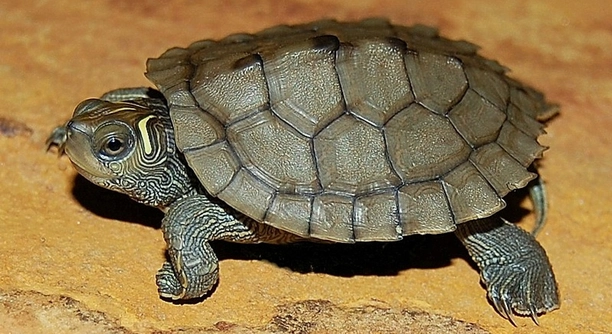
Texas map turtles have gained popularity among collectors due to their unique appearance and relatively manageable care needs. Their distinct markings and charming personalities make them a fascinating addition to many reptile collections, especially in the United States.
Texas map turtles are favored by collectors due to their striking shell patterns, docile nature, and smaller size. These turtles are easy to care for, requiring minimal space and a relatively simple aquatic environment, making them suitable for novice and experienced keepers alike.
Texas map turtles offer a rewarding experience for collectors, combining beauty and manageable care requirements. Their unique features and temperament make them a favorite choice.
Why Are Texas Map Turtles Unique?
Texas map turtles stand out because of their striking shell patterns and vibrant markings. These turtles have a distinctive “map-like” design, with yellow and green streaks across their shells, making them visually captivating. Their smaller size and relatively calm nature make them an ideal choice for collectors looking for an easier-to-manage reptile. They do well in various environments, adapting easily to both smaller and larger aquariums.
The Texas map turtle’s ability to adapt to different habitats is key. They can thrive in both public and private collections, requiring minimal maintenance. These turtles do best in clean, well-maintained water and benefit from a basking area to regulate their temperature. Their peaceful temperament also makes them an appealing option for beginners and experienced keepers alike.
Texas map turtles can live for many years with proper care. Their gentle behavior, paired with their vibrant appearance, ensures they remain a popular choice. Whether as a hobby or a part of a collection, they offer an intriguing reptile experience.
Care Tips for Texas Map Turtles
Caring for Texas map turtles is relatively simple but requires attention to detail. Regular water changes, proper filtration, and a balanced diet are essential.
A balanced diet includes commercial turtle pellets, fresh vegetables, and occasional protein sources. By maintaining clean water and providing a proper basking spot, collectors can ensure that their turtles stay healthy and happy for years. This makes them an excellent choice for those new to turtle care.
Why Texas Map Turtles Are Easy to Care For
Texas map turtles are relatively low-maintenance, requiring just a few essential elements to thrive. Clean, filtered water, a basking spot, and a proper diet are the main components for keeping them healthy. Their small size also makes it easier to create an environment that fits comfortably in a tank.
Maintaining their habitat requires regular water changes and the right water temperature. Providing a basking area allows them to regulate their body temperature, an important factor in keeping them healthy. You can also include rocks or logs in their tank to help them feel secure and stimulate natural behaviors. It’s important to provide a varied diet of pellets, vegetables, and protein-rich foods to ensure they get all the nutrients they need.
Texas map turtles are hardy and adapt well to their environment. Their docile nature and ability to thrive in both small and large tanks make them suitable for both beginners and experienced keepers. The key to their well-being is simple attention to the basics of their care.
The Cost of Keeping Texas Map Turtles
The cost of keeping Texas map turtles is relatively affordable compared to other reptiles. Most of the expenses come from setting up their habitat initially, including purchasing a tank, filtration system, and proper lighting.
Once the tank is set up, the ongoing costs are minimal. You’ll need to replace the turtle food regularly and change the water every few weeks. As long as you maintain the tank properly, there won’t be many additional costs. The most important investment is ensuring the turtle’s environment is safe and comfortable. With basic care and attention, Texas map turtles are an affordable reptile to keep long-term.
Where to Find Texas Map Turtles
Texas map turtles can be found in pet stores, specialty reptile shops, and online. Many breeders offer them for sale, ensuring a healthy selection. It’s important to buy from reputable sources to avoid purchasing from unethical sellers who may not properly care for the turtles.
Choosing a trusted breeder or store is key to getting a healthy turtle. Make sure the turtle has been raised in good conditions with the proper diet and environment. By purchasing from a reputable source, you help support responsible breeding practices and ensure the turtle’s long-term well-being.
Housing Texas Map Turtles
Texas map turtles need a well-maintained tank that mimics their natural environment. A 40-gallon tank is a good size for one turtle, but larger tanks are necessary if you plan to keep multiple turtles. Proper filtration and a basking area are essential for their health.
The tank should have clean, filtered water, and it should be equipped with UVB lighting to help the turtle process calcium. Adding rocks or driftwood can provide a sense of security and give them opportunities to bask or climb. A temperature-controlled environment, with water temperatures between 75 and 80°F, is ideal for Texas map turtles.
Handling Texas Map Turtles
Handling Texas map turtles should be kept to a minimum to avoid stressing them. These turtles are naturally shy and prefer to stay in their environment. When you do handle them, be gentle and make sure to support their body properly to avoid injury.
Too much handling can stress out the turtle, leading to health issues. It’s best to interact with them in a way that respects their natural behavior and needs. Enjoy observing their movements and habits in their tank, where they feel safe and secure.
FAQ
How long do Texas map turtles live?
Texas map turtles can live for 20 to 30 years in captivity when properly cared for. Their lifespan depends on maintaining a clean environment, a balanced diet, and appropriate temperature levels. Some may live even longer with excellent care. Providing them with a healthy habitat is key to their longevity.
What size tank do Texas map turtles need?
A 40-gallon tank is suitable for one Texas map turtle. If you plan to house multiple turtles, a larger tank, such as a 75-gallon or more, is recommended. The tank should have enough space for them to swim and a basking area. This ensures they remain active and healthy.
What should I feed my Texas map turtle?
Texas map turtles require a balanced diet that includes commercial turtle pellets, leafy greens, and protein sources like insects, fish, or shrimp. Occasional treats such as fruits can also be offered. A varied diet helps keep them healthy and prevents nutritional deficiencies.
Can Texas map turtles live together?
Yes, Texas map turtles can live together, but there are some considerations. It’s important to provide enough space in the tank to prevent territorial behavior. If the tank is too small or overcrowded, they may become aggressive toward each other. Make sure each turtle has its own basking area.
Do Texas map turtles need a basking spot?
Yes, Texas map turtles need a basking spot. A heated area that allows them to dry off and warm up is essential for their well-being. Basking helps them regulate their body temperature and also provides an opportunity for UVB exposure, which is necessary for their health.
How often should I clean the tank?
You should clean your Texas map turtle’s tank regularly. Perform partial water changes once a week to maintain water quality, and change the filter media every month. Full tank cleanings should be done every 4 to 6 weeks to ensure that the tank remains hygienic and free of harmful bacteria.
What is the best temperature for a Texas map turtle’s tank?
The water temperature should be between 75°F and 80°F. For the basking area, aim for 90°F to 95°F. Maintaining these temperature ranges ensures that your turtle stays healthy. The proper temperature helps with digestion, immune function, and overall well-being.
Do Texas map turtles require UVB lighting?
Yes, UVB lighting is necessary for Texas map turtles. It helps them process calcium, which is essential for shell and bone health. A UVB light should be provided for 10-12 hours a day. This will ensure they get enough exposure to prevent metabolic bone disease.
Can Texas map turtles eat vegetables?
Yes, Texas map turtles can eat various vegetables, such as collard greens, dandelion greens, and kale. Leafy greens should make up a large portion of their diet, providing essential nutrients. Vegetables should be fresh and free from pesticides. However, they should also have a balance of protein in their diet.
Are Texas map turtles easy to handle?
Texas map turtles are generally not fond of being handled. They are more comfortable in their environment and can get stressed when removed from their tanks. It’s best to limit handling to necessary situations, such as tank cleaning, and always handle them gently and with care to avoid injury.
How do I know if my Texas map turtle is sick?
Signs of illness in a Texas map turtle include lethargy, loss of appetite, swollen eyes, or abnormal shell growth. If your turtle displays any of these symptoms, it’s important to consult a veterinarian who specializes in reptiles. Regular observation of their behavior can help detect problems early.
What kind of substrate is best for Texas map turtles?
For the substrate, avoid using sand or gravel, as these can cause impaction if ingested. Instead, use smooth rocks, pebbles, or aquarium-safe substrates. You can also opt for bare-bottom tanks to make cleaning easier. Providing natural elements like driftwood is also beneficial for their environment.
Do Texas map turtles require a lot of space?
While Texas map turtles are smaller compared to other turtles, they still require plenty of space. A 40-gallon tank is ideal for one turtle. Having enough space helps them move around freely and prevents stress. If you plan to keep multiple turtles, a larger tank is needed.
Can I keep a Texas map turtle outdoors?
Texas map turtles can be kept outdoors, provided you have a secure enclosure with access to water and a basking area. The temperature should remain within the ideal range, and the area should be free from predators. Outdoor enclosures allow them to bask in natural sunlight and have more space to roam. However, it’s essential to monitor weather conditions and make adjustments to keep them safe.
What type of filtration do Texas map turtles need?
Texas map turtles need a strong filtration system to maintain clean water. A canister filter or an internal filter with a high flow rate is ideal for keeping the water clean and clear. Regular maintenance and water changes are also important to ensure the filtration system is working effectively.
How do I breed Texas map turtles?
Breeding Texas map turtles requires a proper environment with a healthy male and female. They should have a large tank with both a basking area and plenty of space to swim. The female will lay eggs in a sandy substrate. Incubating the eggs at the right temperature is crucial for successful hatching.
Do Texas map turtles need a heated tank?
Yes, a heated tank is necessary for Texas map turtles. Maintaining the proper water temperature is essential for their health. A submersible heater can help regulate the water temperature, ensuring it stays within the ideal range of 75°F to 80°F.
What should I do if my Texas map turtle is not eating?
If your Texas map turtle stops eating, it may be stressed or unwell. Make sure the tank conditions are optimal, including temperature, water quality, and lighting. If the turtle continues to refuse food, it’s important to consult a veterinarian who can diagnose and treat any potential health issues.
How can I tell the sex of my Texas map turtle?
Male Texas map turtles are typically smaller and have longer, thicker tails than females. The shape of their claws may also differ, with males having longer claws used during mating. Females are generally larger and have a broader, rounder shell.
Can Texas map turtles live in freshwater?
Yes, Texas map turtles are freshwater turtles. They thrive in clean, well-maintained freshwater environments. The water should be filtered and free from pollutants. Regular water changes are necessary to maintain a healthy living space for your turtle.
Final Thoughts
Texas map turtles are fascinating creatures, with unique characteristics that make them a favorite among collectors. Their vibrant markings, calm nature, and relatively manageable size contribute to their popularity. Caring for a Texas map turtle requires commitment, but with the right environment and attention to their needs, they can live a long and healthy life. It’s essential to provide them with a proper habitat that includes a suitable tank size, appropriate water temperature, and access to both basking and swimming areas. Offering a balanced diet with the right amount of protein, vegetables, and vitamins is also crucial for their health.
For those interested in keeping Texas map turtles, it’s important to remember that they need consistent care. This includes maintaining their tank’s cleanliness, ensuring they receive adequate UVB light for shell and bone health, and monitoring their behavior for any signs of illness. Texas map turtles are generally not high-maintenance, but they do require attention to their specific needs. Providing them with a stress-free environment where they can thrive will help ensure that they live up to their full potential. It’s also important to consider the long-term responsibility of owning a pet that can live for decades.
Overall, Texas map turtles are a wonderful species for turtle enthusiasts. Whether you are an experienced turtle keeper or new to the hobby, they can make excellent companions. By understanding their habitat, diet, and general care requirements, owners can enjoy the rewarding experience of keeping these unique reptiles. With a bit of patience and dedication, Texas map turtles can be a lasting part of your life for many years.

Hello,
If you enjoy the content that we create, please consider saying a "Thank You!" by leaving a tip.
Every little bit helps us continue crafting quality advice that supports the health, happiness, and well-being of pets around the world, for pets of all shapes, sizes, and species.
We really appreciate the kindness and support that you show us!