
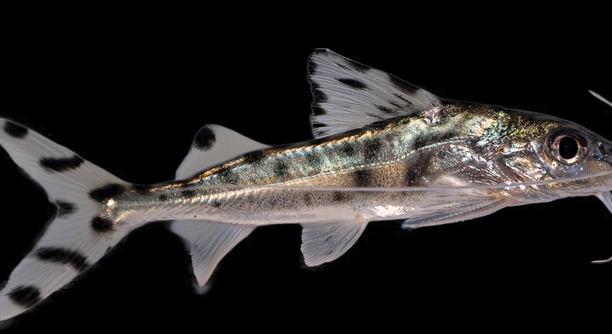
Loud environments can affect many animals in different ways. Pictus catfish are popular aquarium pets known for their peaceful nature. Understanding how noise impacts their well-being is important for any fish owner.
Loud rooms can indeed stress out pictus catfish. Excessive noise and vibrations can disrupt their natural behavior, increase cortisol levels, and lead to signs of stress such as hiding, reduced feeding, and erratic swimming.
Knowing how sound affects pictus catfish helps improve their care and create a calmer environment for these gentle fish.
How Noise Affects Pictus Catfish Behavior
Pictus catfish are sensitive to their surroundings, and loud noises can interfere with their normal behavior. When exposed to constant or sudden loud sounds, they may become restless or hide more often. This is because their natural environment is usually calm and quiet, and noise creates stress. Stress can weaken their immune system, making them more vulnerable to illness. In some cases, loud noises cause them to stop eating or swim erratically. The vibrations from sound can travel through the water, which makes it even harder for them to feel safe. Creating a peaceful aquarium environment helps pictus catfish stay healthy and display their natural, active behaviors. Reducing noise near the tank is an easy way to improve their daily life.
In summary, loud noises disturb pictus catfish by causing stress and changing how they act.
Lowering noise around the tank helps pictus catfish live comfortably and maintain healthy behavior patterns.
Tips to Reduce Stress from Loud Environments
Minimizing loud sounds near the aquarium is key to keeping pictus catfish calm.
Place the tank away from speakers, busy rooms, or appliances that make noise. Using soft padding or mats under the aquarium can reduce vibrations that travel through surfaces. Covering the tank partially with a cloth or aquarium background helps block some noise and light, giving the fish a more secure feeling. Playing soft, calming music or nature sounds can also mask sudden loud noises, which may help the fish stay relaxed. Regular maintenance and checking water quality reduce additional stress factors, keeping the catfish healthy.
By managing noise levels and creating a peaceful habitat, pictus catfish are less likely to experience stress. This improves their overall health and encourages natural behavior. Fish owners who take these steps often notice their pictus catfish become more active and comfortable in their tank. It’s a simple way to ensure your fish enjoy a good quality of life.
Signs of Stress in Pictus Catfish
Pictus catfish show stress through changes in behavior and appearance. They may hide more, stop eating, or swim in unusual ways. Faded colors and clamped fins can also indicate stress.
Stress affects their immune system, making them vulnerable to infections. Watching for early signs helps catch problems quickly. Hiding is common, but constant hiding suggests discomfort. Erratic swimming or sudden darting shows nervousness. Loss of appetite means they are not feeling well. Over time, stress can cause serious health issues, so quick action is important. Adjusting the environment by reducing noise or improving water quality often helps the fish return to normal behavior. Noticing these signs early keeps your pictus catfish healthier and happier.
Creating a Calm Aquarium Environment
Noise isn’t the only factor causing stress; lighting and water quality also matter. Bright lights can make pictus catfish uncomfortable since they prefer dimmer environments. Keeping the tank well-filtered and clean supports their health. Regular water changes reduce harmful toxins. Adding plenty of hiding spots with plants or decorations helps them feel safe. Creating a stable, peaceful habitat reduces stress and encourages natural behavior. Low lighting combined with minimal noise makes a big difference. The right water temperature, usually between 75 and 80°F, also supports their well-being. Overall, balancing these factors creates a calm, healthy space for your fish. This care encourages them to be active and show their natural behaviors more often.
Impact of Loud Noises on Feeding Habits
Loud noises can cause pictus catfish to lose interest in food. Stress from noise often makes them eat less or stop eating altogether.
A quiet and calm environment encourages regular feeding. When they feel safe, pictus catfish are more likely to eat consistently and stay healthy.
How Vibrations Affect Pictus Catfish
Vibrations from loud sounds travel through water and tank surfaces, making pictus catfish uneasy. These vibrations can trigger their natural flight response, causing erratic swimming or hiding. Reducing vibrations helps the fish feel secure and reduces stress.
Using Plants to Reduce Stress
Adding live plants offers hiding spots and softens noise inside the tank. Plants improve water quality and create a natural, calming space for pictus catfish. This helps them relax and behave more naturally.
FAQ
Can loud noises really harm pictus catfish?
Yes, loud noises can harm pictus catfish by causing stress. These fish are used to calm environments, and sudden or constant loud sounds disrupt their sense of safety. This stress affects their behavior, making them hide or swim erratically, and it can weaken their immune system over time.
How can I tell if my pictus catfish is stressed?
Look for signs like hiding more than usual, refusing to eat, or swimming in a nervous, jerky way. Their colors may appear dull, and fins can stay clamped close to the body. These changes usually mean the fish is under stress and needs a calmer environment.
Is it only loud noises that stress pictus catfish?
No, other factors like poor water quality, sudden changes in temperature, and bright lights can also cause stress. Noise is just one part of the environment. Keeping the tank clean, stable, and dimly lit helps reduce stress in these fish.
Can vibrations from outside the tank affect my pictus catfish?
Yes, vibrations can travel through surfaces like tables and walls, disturbing the fish. These vibrations often cause nervous behavior, similar to loud noises. Using mats or placing the tank in a low-vibration area helps minimize this issue.
What can I do to reduce noise around the aquarium?
Keep the tank away from loud appliances, speakers, or busy rooms. Soft padding under the tank reduces vibrations. Covering part of the tank with a background or cloth also helps block sound and light, making the fish feel safer.
Do pictus catfish prefer quiet or some background noise?
They do best in mostly quiet settings but may tolerate soft, steady sounds like gentle music or nature noises. Sudden loud sounds or irregular noise spikes are stressful and should be avoided.
How often should I check on my pictus catfish for signs of stress?
Daily observation is best. Watching how they act each day lets you spot problems early. Small changes in behavior can signal stress before it becomes serious.
Can stress cause illness in pictus catfish?
Yes, stress lowers their immune system, making them more prone to infections and diseases. Managing stress helps keep your fish healthy and reduces the need for medication.
Are there certain tank decorations that help reduce stress?
Yes, live plants and hiding spots like caves or dense decorations help pictus catfish feel secure. These items create a natural environment that lowers stress and encourages natural behavior.
Will moving my tank to a quieter room help my pictus catfish?
Moving the tank to a quieter place usually helps reduce stress caused by noise. Find a spot with less foot traffic, away from TVs or speakers. Stability and calmness are key for their well-being.
Is it okay to have other noisy pets near the tank?
Pets that create constant noise, like barking dogs or loud birds, can stress pictus catfish. Try to place the tank away from these noises or provide extra tank cover to help block sound.
How important is water temperature for reducing stress?
Very important. Pictus catfish do best between 75 and 80°F. Sudden temperature changes or extremes add stress, so keeping water temperature stable supports their health and comfort.
Can stress make pictus catfish stop eating completely?
Yes, stress can cause a loss of appetite, which is dangerous if it lasts long. Ensuring a quiet, comfortable environment encourages regular feeding and better overall health.
Is it normal for pictus catfish to hide a lot?
Some hiding is normal, especially during the day, since they are nocturnal. But constant hiding, especially combined with other signs, means stress or discomfort.
Does light intensity affect pictus catfish stress levels?
Yes, bright light can stress pictus catfish. They prefer dim lighting or shaded areas in the tank. Using low-intensity lights or floating plants helps reduce stress from harsh lighting.
How do I create a stress-free tank environment?
Keep noise low, maintain stable water conditions, provide hiding places, and use soft lighting. Avoid sudden changes and monitor your fish daily to catch signs of stress early. This care makes a big difference in their health and happiness.
Can other fish in the tank cause stress to pictus catfish?
Yes, aggressive or overly active tank mates can stress pictus catfish. Choosing peaceful companions and providing enough space helps reduce stress from other fish.
Is it helpful to play calming sounds near the aquarium?
Soft, continuous sounds like gentle rain or nature noises may mask sudden noises and calm the environment. Loud or irregular sounds should be avoided.
How long does it take for pictus catfish to recover from stress?
Recovery time varies but can take days to weeks. Reducing stressors quickly helps speed recovery. Healthy water and a quiet, safe environment support healing.
What signs mean my fish is fully recovered from stress?
Normal eating habits, active swimming, bright colors, and less hiding indicate recovery. Consistent behavior shows your fish feels safe and healthy again.
Final thoughts on the impact of loud rooms on pictus catfish highlight the importance of creating a calm environment for these fish. Pictus catfish are naturally sensitive to noise and vibrations, which can cause them stress. Stress affects their behavior and health, making them less active and more prone to illness. Reducing loud sounds around the aquarium is a simple yet effective way to help these fish live healthier lives. Ensuring the tank is in a quiet space, away from loud appliances or busy areas, makes a noticeable difference in their comfort.
Maintaining good tank conditions alongside controlling noise is also very important. Clean water, stable temperatures, and proper lighting support the overall well-being of pictus catfish. Adding plants and decorations gives them places to hide and feel secure, which helps reduce stress. These small changes help the fish feel more at home and less anxious. When pictus catfish feel safe, they behave naturally and show their lively, curious side more often. Taking time to observe their behavior regularly can alert owners to any problems early on, so adjustments can be made quickly.
Overall, caring for pictus catfish involves more than just feeding and cleaning. Paying attention to their environment and reducing stress factors, such as loud noises, creates a better quality of life for them. Quiet surroundings, good water quality, and proper tank setup work together to keep pictus catfish healthy and happy. By providing these conditions, owners give their fish the best chance to thrive and enjoy their aquarium home. These simple steps make a big difference in how pictus catfish live and grow.

Hello,
If you enjoy the content that we create, please consider saying a "Thank You!" by leaving a tip.
Every little bit helps us continue crafting quality advice that supports the health, happiness, and well-being of pets around the world, for pets of all shapes, sizes, and species.
We really appreciate the kindness and support that you show us!