
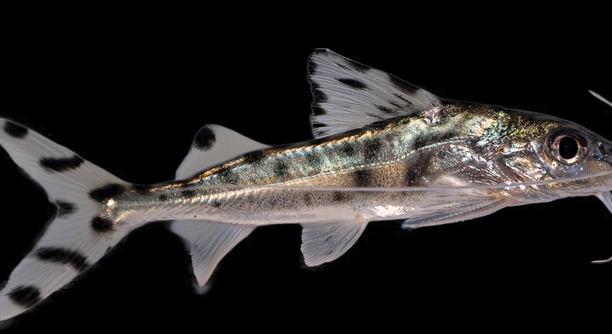
Is your pictus catfish darting around or hiding more than usual whenever there’s noise nearby, like music or television sounds?
Sounds above 70 decibels can stress pictus catfish, disrupting their natural behavior and causing long-term health issues. They rely heavily on vibration and sound sensitivity, so consistent exposure to loud noise can be harmful over time.
Pictus catfish are sensitive creatures, and understanding how sound impacts them is key to their well-being and comfort in your tank.
How Sound Affects Pictus Catfish
Pictus catfish are sensitive to sound vibrations in the water. Loud noises above 70 decibels can affect their health and behavior. These fish have a lateral line system, which helps them detect vibrations. When exposed to constant loud sounds, they may become stressed, hide more often, or swim erratically. This kind of stress can lead to a weakened immune system, slower growth, and even changes in feeding habits. Sudden noises or repeated loud activity near the tank, like banging or loud TV, can be overwhelming. In their natural environment, they live in calm rivers where sound levels are much lower. Keeping their tank in a quiet area helps them feel secure. Using soft lighting and limiting sudden noise can also support their comfort. Over time, a peaceful environment allows them to thrive, showing more natural and relaxed behavior, which makes them easier to care for in the long run.
Noise sensitivity in pictus catfish isn’t always obvious, but small behavioral shifts are worth watching.
If your pictus catfish is swimming less or hiding more often, it may be reacting to the noise around it. Placing the tank away from loud electronics or high-traffic rooms can help. Even music or TV at high volume can become stressful for these fish. Small adjustments, like using rugs or soundproof curtains, can reduce vibration transfer. Keep in mind that water carries sound differently than air, and what may seem like background noise to you might feel much louder to your fish. During maintenance or feeding, keep movements and noise soft. Providing hiding spots like caves or plants also helps reduce stress. If your fish continues to act withdrawn despite a quieter space, it’s worth checking water quality or consulting a vet to rule out other causes. Overall, paying attention to sound levels is a simple way to support a healthy tank.
Signs Your Pictus Catfish Is Overwhelmed
Look for hiding, skipping meals, or sudden darting movements—they’re signs your fish may be responding to noise stress.
In a calm setting, pictus catfish are active and curious. They usually swim along the bottom of the tank, especially at night. When stressed by sound, though, they often retreat to dark corners or remain still for long periods. You might notice them swimming frantically when the TV is loud or during vacuuming. Changes in appetite or avoiding food altogether is another red flag. Erratic swimming, sudden dashing across the tank, or bumping into objects may also point to sound-related stress. If left unaddressed, this can lead to long-term effects like weight loss or increased risk of illness. Noise isn’t always the first thing that comes to mind when fish act differently, but it plays a bigger role than many people realize. Monitoring their routine and keeping the tank in a stable, quiet location makes a big difference in their comfort and behavior.
How to Reduce Noise Around Your Aquarium
Place your tank in a low-traffic area, away from speakers, televisions, and heavy foot traffic. Rugs, curtains, and soft furniture help absorb vibrations. Avoid tapping on the glass or setting objects on the tank lid. Small changes can create a more peaceful space for your fish.
Always keep your pictus catfish tank away from walls shared with loud appliances like washing machines or dishwashers. These machines create strong vibrations that travel through surfaces and water. Soundproofing mats under the tank can reduce those vibrations. You can also use foam pads between the stand and the floor. Keep doors to noisy rooms closed and avoid placing the tank near open windows with outdoor noise. Make sure the filter and air pump are running quietly—replacing older equipment with quieter models may be worth the investment. When hosting guests, it helps to remind people to keep voices down near the tank.
Some tank lids or covers can amplify sound if they’re loose or made of thin material. Securing the lid tightly and using soft materials under it can help dampen the noise. Try placing the aquarium on a sturdy stand that doesn’t shake easily. Even walking nearby can send vibrations through the floor. If your home has hardwood or tile floors, consider adding a thick mat under the stand to minimize this. Sound vibrations pass through solid materials quickly, so keeping the tank insulated from direct contact with walls or vibrating surfaces helps protect the fish. When possible, keep your tank light on a timer to help signal consistency, as sudden light changes can add to their stress when combined with loud sounds. Together, these changes create a much calmer environment.
Choosing the Right Equipment for a Quiet Setup
A good filter makes a difference. Choose one with low vibration and soft humming. External canister filters are often quieter than internal ones. Air pumps can be noisy—look for models labeled quiet or use sound-dampening enclosures for better comfort.
Quiet equipment is just as important as a clean tank. Internal filters often produce extra noise, especially as they age. External canister filters tend to be more efficient and less noisy. When choosing an air pump, check the decibel rating. Some newer models run below 40 decibels, which is ideal for sensitive fish like pictus catfish. It’s helpful to use a rubber mat under both the tank and the equipment to limit vibration. Tubing can rattle if it’s too tight—make sure it’s fitted but flexible. Keep equipment clean to avoid extra strain or humming from clogs. Look for LED lighting that turns on gently rather than instantly to avoid sudden stimulation. Selecting the right setup goes a long way in keeping your fish at ease.
How Loud Is Too Loud at Home?
If you have to raise your voice to be heard over music or background noise, it’s probably too loud for your pictus catfish. Sounds above 70 decibels, like loud TVs or vacuums, can cause stress and behavioral changes.
Normal household conversations are fine, but sudden noises—like slamming doors or barking dogs—can be overwhelming. Keeping background noise steady and avoiding loud, sharp sounds helps create a stable space. Try using a decibel meter app to monitor sound levels near the tank.
Best Tank Placement for a Calm Environment
The best place for a pictus catfish tank is a quiet, low-traffic room away from speakers, entryways, or windows with outdoor noise. Avoid placing the tank against shared walls or near vents, which can carry sound and vibration. A carpeted room helps absorb sound better than one with tile or wood floors. Keep the tank off the floor and on a solid stand to reduce vibration. Placing soft furnishings nearby can further lower sound levels. Keep children’s play areas or noisy appliances far from the tank. These choices help your fish stay calm and show more natural behavior.
Why Routine Matters for Noise Control
A consistent daily routine reduces stress caused by unpredictable noise. Keeping feeding and light schedules stable helps your fish feel secure.
FAQ
How can I tell if my pictus catfish is stressed by noise?
Signs include hiding more often, erratic swimming, loss of appetite, or staying still at the bottom of the tank. They may also bump into objects or swim frantically during loud noises. Stress can weaken their immune system, so watch for changes in color or unusual behavior.
Is normal talking too loud for pictus catfish?
Every tank environment is different, but normal conversations typically stay below 60 decibels, which is generally safe. Sudden loud voices or shouting can cause stress. It’s better to keep noise steady and moderate around the tank.
Can aquarium equipment noise bother pictus catfish?
Yes. Filters, air pumps, or heaters that vibrate or hum loudly can cause stress. Using quiet models, placing equipment on soft pads, or upgrading to external filters helps reduce noise and vibration.
What noise level should I aim for around my tank?
Keeping noise below 70 decibels is recommended. This roughly matches the volume of a normal conversation. Regularly measuring sound with a decibel app can help you maintain a comfortable environment.
Are there specific sounds pictus catfish dislike more?
Sharp, sudden noises like banging on the tank or dropping objects nearby are most disturbing. Continuous loud background noise, such as loud music or vacuum cleaners, can also cause stress over time.
Will noise affect breeding behavior?
Yes. Stress from loud sounds can reduce breeding activity. Pictus catfish prefer calm, quiet environments to feel safe enough for spawning and raising fry.
Does tank size affect how loud sounds impact pictus catfish?
Larger tanks may disperse sound vibrations better, but noise still travels through water quickly. Smaller tanks might amplify sound vibrations, increasing stress risks. Either way, noise control remains important.
Can I use soundproofing materials near my aquarium?
Yes. Placing rugs, curtains, and foam mats around the tank helps absorb vibrations. Soundproofing under the tank stand and using thick walls or barriers between the tank and noisy rooms improves comfort for your fish.
Should I turn off equipment during loud household activities?
It’s best to maintain filtration and aeration at all times for water quality and oxygen levels. Instead, focus on reducing external noise sources or moving the tank away from noisy areas when possible.
Can music or white noise help mask loud sounds?
Soft, steady sounds like low-volume music or white noise may help mask sudden noises. Avoid loud or erratic music styles. The goal is to keep sound levels consistent and not add stress through volume spikes.
How often should I check sound levels near my aquarium?
Regular monitoring, especially during activities like cleaning or gatherings, is useful. Using a simple smartphone decibel meter can help you catch times when noise spikes above safe limits.
Are pictus catfish more sensitive to sound than other fish?
Yes. Their lateral line system is highly developed, making them more sensitive to vibrations and noise than many other species. This sensitivity helps them navigate but also means they are easily stressed by loud sounds.
What immediate steps can I take if my fish seems stressed by noise?
Move the tank to a quieter location if possible. Add hiding spots with plants or decorations. Lower nearby sound sources or use barriers to reduce vibrations. Check water quality and equipment function to rule out other stress causes.
Does light intensity interact with noise stress?
Bright, sudden lighting combined with loud noise can increase stress levels. Using dim, gradual lighting changes and controlling noise together creates a more relaxing environment for pictus catfish.
Is it harmful if my fish sometimes react to noise but seem fine most of the time?
Occasional reactions to noise are normal. Problems arise with constant or very loud noise exposure. Observing your fish’s overall behavior helps determine if noise is a serious concern.
Can stress from noise cause illness in pictus catfish?
Yes. Prolonged stress lowers their immune defenses, making them more susceptible to infections and diseases. Preventing noise stress supports their long-term health.
Are certain times of day better for keeping noise low?
Evening and nighttime are important, as pictus catfish are more active then. Keeping noise low during these times helps them rest and behave naturally.
Can I use a noise barrier or enclosure around my tank?
Partial enclosures or barriers can help block sound. Make sure there is still enough airflow and access for maintenance. Avoid fully enclosed tanks, which can trap heat and harm fish.
Is tap water noise a concern during water changes?
Running water can be loud and startling. Use a gentle stream or add water slowly with a sponge to reduce noise and disturbance.
How long does it take for pictus catfish to calm down after noise exposure?
It depends on the noise level and fish health, but they can take hours to days to fully relax. Providing a quiet, stable environment speeds recovery.
When caring for pictus catfish, paying attention to noise levels around the aquarium is important. These fish are sensitive to sound and vibrations, which can affect their health and behavior. Loud noises over 70 decibels can cause stress, making pictus catfish hide, swim erratically, or lose their appetite. Stress can weaken their immune system and lead to other health problems. Creating a calm and quiet environment helps pictus catfish feel secure and act naturally, which makes them easier to care for.
Reducing noise near the tank is often a simple but effective way to improve your fish’s well-being. Placing the aquarium in a low-traffic room, away from loud appliances and speakers, can help. Using rugs, curtains, or sound-absorbing mats around the tank reduces vibrations. Choosing quiet filters and air pumps and keeping equipment well-maintained also lowers noise levels. Adding hiding spots in the tank gives the fish places to retreat if they feel stressed. These steps work together to create a peaceful habitat where your pictus catfish can thrive.
Maintaining consistent daily routines, such as feeding and lighting schedules, further supports your fish’s comfort. Sudden changes in light or loud, unexpected sounds can increase stress. Monitoring sound levels with a decibel meter app can help you keep noise in a safe range. While some noise is unavoidable in a home, being aware of how it affects your pictus catfish is key to their health. With patience and care, you can create an environment that respects their sensitivity and encourages healthy behavior for years to come.

Hello,
If you enjoy the content that we create, please consider saying a "Thank You!" by leaving a tip.
Every little bit helps us continue crafting quality advice that supports the health, happiness, and well-being of pets around the world, for pets of all shapes, sizes, and species.
We really appreciate the kindness and support that you show us!