
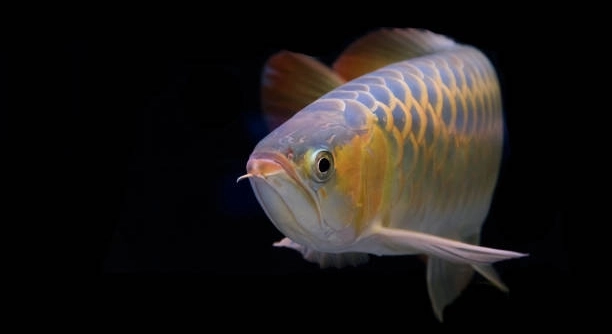
Have you ever noticed how subtle changes in your aquarium can affect your fish’s behavior? Lighting is one of those factors that can quietly influence the way arowanas move and interact with their environment.
Lighting changes can disorient arowanas by disrupting their visual cues and daily routines. Sudden shifts in brightness or color may cause stress, erratic swimming, and temporary confusion, impacting their overall behavior and well-being in a controlled aquatic environment.
Understanding the impact of light on these fish helps ensure they stay healthy and calm in your aquarium setting.
How Lighting Affects Arowana Behavior
Arowanas are very sensitive to their environment, and light plays a major role in their daily routines. Sudden changes, such as switching from bright daylight to dim lighting too quickly, can confuse them. They rely on consistent light patterns to know when to eat, rest, and swim. Inconsistent lighting may cause stress, which can show as hiding, erratic swimming, or refusing food. Even small changes, like moving the aquarium closer to a window or turning off aquarium lights earlier than usual, can create noticeable stress. Some arowanas may adapt quickly, while others take longer to adjust. Observing your fish over time helps you see how different lighting affects them. Consistent light levels, combined with a regular day-night cycle, create a sense of stability for the fish. This stability reduces anxiety, helps with feeding schedules, and maintains their overall health and vibrant appearance in the tank.
Stable lighting patterns are key to reducing stress and keeping arowanas calm in their environment.
Monitoring light consistency daily ensures your fish adjust well and behave normally, maintaining their health over time without unnecessary disturbances.
Tips for Adjusting Aquarium Lighting
Gradual changes are best when altering aquarium lighting to avoid startling arowanas. Sudden shifts can lead to disorientation, so dimming lights slowly over a few minutes is effective. Arowanas often rely on both natural and artificial light to gauge their surroundings, so balance is important.
When adjusting lighting, consider the type of bulb, tank placement, and duration of exposure. Fluorescent, LED, and halogen lights all impact water reflection differently. Too bright or too dim light can stress the fish or affect their sleep cycle. Timing lights to match natural day-night rhythms supports healthy behavior. Avoid frequent on-off changes, which can confuse your fish. Observing behavior after adjustments helps you fine-tune lighting to meet their needs. Additionally, shaded areas or floating plants can provide comfort spots. Regularly checking for glare and reflections ensures your arowanas can navigate their tank easily. Following these steps helps maintain a calm environment, encouraging normal swimming, feeding, and resting patterns. Proper lighting management is essential for keeping arowanas healthy and stress-free over the long term.
Recognizing Signs of Disorientation
Arowanas may show confusion through erratic swimming, bumping into tank walls, or staying in one corner. They can also refuse food or hide more than usual. Noticing these behaviors early can help prevent prolonged stress and health issues.
Disorientation in arowanas often appears after sudden changes in light intensity or color. They may swim in circles, hesitate before moving, or react unusually to familiar objects in the tank. Stress from lighting can reduce appetite, weaken the immune system, and affect their vibrant colors. Watching their daily patterns carefully allows you to detect small changes before they become serious problems. Adjusting lighting gradually can restore their normal behavior and reduce stress. Consistency is essential, and small interventions often prevent bigger health issues.
Behavioral changes might also include heightened sensitivity to other tank activities. Even movements outside the tank or noises can cause startled responses. These reactions, paired with disorientation, signal the need for immediate attention to lighting and environment management. Proper observation and timely adjustments ensure your arowana remains confident, healthy, and comfortable in its tank.
Practical Steps to Prevent Disorientation
Maintaining a steady light schedule, using dimmers, and providing shaded areas reduces the risk of disorientation. Sudden exposure to bright or flickering lights should be avoided to protect the fish.
Regularly monitoring your tank lighting setup helps prevent stress-related behavior. Using a timer ensures lights turn on and off consistently, which mimics natural day-night cycles. Positioning the aquarium away from direct sunlight avoids sudden brightness changes during the day. Floating plants or decorations create shaded zones, giving arowanas control over their light exposure. Observing your fish for signs of discomfort after changes is crucial. Gradually adjusting light levels rather than making abrupt shifts allows arowanas to adapt comfortably. Combining consistent lighting with a calm environment promotes healthy swimming patterns, proper feeding, and reduced anxiety. Taking these steps not only improves daily behavior but also supports long-term health, making your aquarium a stable and safe home for your arowanas.
Common Mistakes with Aquarium Lighting
Keeping lights on for too long can stress arowanas and disturb their natural cycles. Overly bright or inconsistent lighting often leads to confusion and reduced appetite. Monitoring light duration helps maintain a healthy environment.
Sudden flickering from faulty bulbs or reflections can also disorient fish. Even brief changes in light intensity may trigger stress responses. Ensuring stable, consistent lighting prevents unnecessary behavioral issues and supports overall well-being.
Using Timers and Dimmers
Timers and dimmers provide control over lighting schedules, preventing sudden changes. Gradual dimming helps arowanas adjust to low light without stress. Consistent cycles promote feeding, resting, and natural behavior.
Observing Your Arowana
Watching how your fish reacts to light changes allows you to make timely adjustments. Noticing subtle signs prevents long-term stress.
Adjusting for Natural Light
Positioning the aquarium away from direct sunlight reduces sudden brightness shifts. Natural light fluctuations should be minimal to avoid confusion.
FAQ
How long should aquarium lights be on for arowanas?
Arowanas do best with a consistent light schedule of about 10–12 hours per day. Too much light can stress them, while too little can affect their appetite and natural behavior. Using a timer helps maintain regularity without constant supervision.
Can sudden light changes harm arowanas?
Yes, sudden shifts from bright to dim light, or vice versa, can disorient arowanas. They may swim erratically, hide, or refuse food. Gradually adjusting lighting over several minutes helps them adapt and reduces stress.
Is LED or fluorescent lighting better for arowanas?
Both types can work if properly managed. LEDs offer adjustable brightness and color options, while fluorescent lights provide steady illumination. The key is consistency and avoiding flicker or overly intense light that can confuse the fish.
Do arowanas prefer shaded areas in the tank?
Shaded areas or floating plants give arowanas a place to feel secure. These zones help them escape bright light and reduce stress, promoting calmer swimming patterns and more regular feeding habits.
How can I tell if my arowana is stressed from lighting?
Signs include hiding for long periods, swimming erratically, bumping into tank walls, refusing food, or showing duller colors. Observing behavior after light changes is essential to spot stress early.
Can natural sunlight affect aquarium lighting?
Yes, placing the tank in direct sunlight can create sudden brightness changes. This may confuse arowanas and disrupt their regular cycles. Positioning the aquarium away from windows or using blinds can help control natural light exposure.
Do dimmers help reduce disorientation?
Dimmers are very effective for gradual transitions between light levels. Slowly reducing or increasing brightness simulates natural conditions and prevents sudden shock that can disorient arowanas.
How often should I check my lighting setup?
Daily checks are best to ensure timers, bulbs, and dimmers work properly. Even small inconsistencies can affect your fish over time. Routine observation helps maintain a stable and stress-free environment.
Can other tank activities affect light stress?
Yes, rapid movements outside the tank, reflections, or camera flashes can increase stress when combined with lighting issues. Arowanas are sensitive to sudden visual changes, so minimizing disturbances helps maintain calm behavior.
Should lighting schedules change with seasons?
Slight adjustments to match seasonal daylight are fine, but sudden or large shifts should be avoided. Gradual changes over days or weeks help arowanas adapt naturally without disorientation.
Are color-changing lights safe for arowanas?
Color-changing lights can be used if transitions are slow and predictable. Abrupt shifts in color or intensity may confuse them. Observing behavior and adjusting transition speed ensures safe use.
What is the best way to acclimate a new arowana to lighting?
Introduce new fish gradually by starting with dim light and slowly increasing brightness over several days. Providing shaded areas allows the fish to explore at its own pace and reduces initial stress.
Can prolonged stress from lighting affect health?
Yes, extended stress can weaken immunity, reduce appetite, and lead to health problems. Consistent, appropriate lighting is critical to prevent long-term physical and behavioral issues.
Is it normal for arowanas to hide under low light?
Yes, hiding under shaded areas or plants is natural. It allows them to feel secure while reducing exposure to bright or changing light. Regular observation ensures hiding is not due to extreme stress.
How do I balance artificial and natural light?
Use artificial lighting as the main source, and limit direct sunlight to prevent sudden changes. Timers and dimmers help maintain a steady cycle, while shaded areas absorb extra brightness, keeping arowanas calm.
Can multiple arowanas in one tank affect lighting stress?
Yes, more fish can create shadows, reflections, or crowding, which may interact with light changes. Ensuring enough space, shaded zones, and steady lighting helps reduce competition and stress.
How long does it take arowanas to adjust to lighting changes?
Adjustment varies by individual, but gradual transitions typically allow adaptation within a few days. Sudden changes may take longer and can temporarily affect feeding and swimming behavior.
Are there signs that lighting is perfectly suited for arowanas?
Calm swimming, regular feeding, bright coloration, and minimal hiding indicate appropriate lighting. Observing consistent daily behavior confirms that the environment is comfortable and stress-free.
What should I do if my arowana continues to act disoriented?
Re-evaluate lighting, check for flicker or brightness fluctuations, and ensure gradual transitions. Providing shaded areas and observing behavior can help identify additional stress factors. Consulting an aquatic specialist may be necessary if disorientation persists.
Can aquascaping help reduce lighting stress?
Yes, plants, rocks, and decorations create shaded areas, breaking up harsh light and giving arowanas control over their environment. This encourages natural swimming and reduces the risk of stress from sudden light changes.
Is nighttime darkness important for arowanas?
Absolutely. A proper dark period of 12–14 hours supports rest and natural cycles. Using blackout covers or turning off aquarium lights completely ensures arowanas remain healthy and alert during daylight.
Do arowanas ever get used to frequent light changes?
They may adapt slowly, but repeated sudden changes are stressful and can harm health. Consistency is always better, with occasional gradual adjustments if necessary.
Can water clarity affect lighting impact?
Yes, murky water can diffuse light and reduce its intensity, while clear water allows stronger illumination. Maintaining water quality ensures predictable light exposure and reduces disorientation.
How important is observing behavior after changes?
Observation is crucial. Even minor adjustments in lighting can affect swimming, feeding, and hiding habits. Noticing early signs allows timely corrections and prevents long-term stress or health issues.
Do arowanas respond differently to warm versus cool light?
Some prefer warmer light as it mimics natural conditions, while cooler light may feel harsh. Gradual introduction of any new light type helps them adapt comfortably. Monitoring behavior is key to finding the right balance.
Are short-term flashes of light harmful?
Brief flashes from reflections or cameras usually cause temporary startle but not long-term harm. Repeated or strong flashes, however, can increase stress when combined with other lighting changes.
How can I simulate natural day-night cycles indoors?
Timers, dimmers, and careful positioning of lights can mimic sunrise and sunset. Gradual brightening in the morning and dimming at night supports natural behavior, feeding, and resting routines.
Is it necessary to adjust lighting for feeding times?
Feeding under stable light helps arowanas feel secure. Sudden bright light during feeding may scare them, so maintaining predictable conditions improves appetite and reduces stress.
Do reflections in the tank cause disorientation?
Yes, strong reflections can confuse arowanas, making them swim erratically or hide. Positioning lights carefully and reducing reflective surfaces helps maintain a calm environment.
Can stress from lighting affect breeding behavior?
Yes, consistent, comfortable lighting encourages natural breeding behavior, while erratic light patterns may delay or disrupt spawning and other reproductive activities.
Are there signs that lighting is too dim?
Arowanas may become less active, show reduced appetite, or appear dull in color. Gradually increasing light intensity while observing behavior can restore normal activity.
Should I use different lighting for day and night?
Yes, slightly dimmer light at night supports rest. Avoid abrupt changes, and use a smooth transition to prevent disorientation and stress.
How often should bulbs be replaced?
Replacing bulbs every 6–12 months, depending on type, ensures consistent light intensity and color. Old bulbs can flicker or dim, causing unintended stress.
Can tank size influence lighting needs?
Larger tanks may require stronger or multiple lights for even coverage. Uneven lighting can disorient fish in certain areas. Planning placement ensures all areas are illuminated consistently.
Is it okay to turn lights off temporarily for maintenance?
Yes, short periods are fine if fish are accustomed to the dark. Avoid leaving lights off for extended periods outside of normal cycles.
Can stress from lighting be reversed?
Yes, adjusting lighting gradually, providing shaded areas, and maintaining stable cycles usually allows arowanas to recover quickly. Early intervention prevents long-term behavioral or health problems.
What are the safest ways to introduce new lighting equipment?
Install new lights gradually, dim initial brightness, and observe the fish. Avoid turning on full intensity immediately. This approach minimizes stress and allows smooth adaptation to the change.
How do I balance lighting with other tank conditions?
Lighting should complement water temperature, filtration, and decoration. Sudden changes in any factor can amplify stress. Maintaining stability across all elements creates a healthy environment for arowanas.
Does nighttime LED glow affect arowanas?
Soft, low-intensity LEDs at night are usually harmless. Avoid bright or flashing LEDs during dark periods, as they can disrupt rest and natural cycles.
Can multiple light types be combined safely?
Yes, if transitions are gradual and intensity is balanced. Combining LEDs with fluorescent lights can provide natural-looking illumination without confusing the fish.
How long should it take to notice improvement after adjusting lighting?
Behavioral improvement is often seen within a few days of gradual adjustments. Swimming patterns, feeding, and hiding habits return to normal with consistent care.
Are certain arowana species more sensitive to lighting?
Yes, some species react more strongly to sudden brightness or color shifts. Observing individual reactions helps tailor lighting to each species’ needs.
Is it okay to leave lights on when no one is home?
Using timers ensures consistent lighting, which is safer than leaving lights on manually. Consistency matters more than human presence for maintaining calm behavior.
Can decorations help diffuse harsh light?
Yes, plants, rocks, and background decor soften intense illumination, giving fish shaded areas to reduce stress. Even small adjustments can improve comfort and behavior.
Should I avoid reflective surfaces near the aquarium?
Yes, mirrors, glass, or shiny walls can create reflections that confuse fish. Proper placement of lights and tank surroundings reduces accidental flashes and glare.
How important is trial and error with lighting adjustments?
It is essential. Observing the fish after small, gradual changes helps determine the optimal light setup for their health and comfort.
Can stress from lighting affect long-term growth?
Prolonged stress may reduce appetite, weaken immunity, and slow growth. Consistent, gentle lighting supports normal development and overall vitality.
Do arowanas adapt to artificial day-night cycles easily?
They generally adapt well if cycles are consistent. Gradual changes and stable conditions allow them to thrive without confusion or behavioral issues.
Is it necessary to document lighting schedules?
Keeping a record helps track changes and fish responses. Noting brightness, duration, and adjustments ensures informed decisions for long-term care.
Can external room lights influence aquarium stress?
Yes, bright lights or sudden flashes outside the tank can startle arowanas. Maintaining predictable lighting inside the tank is essential for stability.
Are there signs that arowanas enjoy the current lighting?
Active swimming, regular feeding, minimal hiding, and vibrant colors indicate the lighting is well-suited and non-stressful.
How do I safely increase light intensity if needed?
Increase gradually over several days, observing behavior for signs of stress. Sudden jumps in brightness can confuse or disorient fish.
Do young arowanas react differently to lighting?
Juveniles may be more sensitive and hide more under bright light. Gradual exposure and shaded areas help them adapt comfortably to the tank environment.
How can I combine plant coverage with proper lighting?
Use floating or tall plants to create shade without blocking the entire tank. This allows controlled light exposure and reduces stress for the fish.
Is it okay to leave a small night light on?
A very dim, steady night light is usually fine. Avoid strong or flashing lights that may interfere with rest cycles and natural behavior.
What’s the best way to introduce seasonal lighting changes?
Gradually shift light duration and intensity over several weeks. Abrupt seasonal changes can confuse fish and disrupt feeding or resting patterns.
Can lighting influence coloration in arowanas?
Yes, proper light enhances natural colors, while stress from inconsistent or harsh lighting may dull them. Maintaining steady illumination supports healthy, vibrant appearance.
How do I know if lighting adjustments are working?
Observe swimming patterns, feeding habits, and hiding behavior. Consistent, calm behavior indicates the adjustments are effective and the fish is comfortable.
Are aquarium hoods helpful for lighting control?
Yes, hoods help diffuse light evenly, reduce glare, and prevent sudden brightness changes from external sources. This creates a stable environment for the arowanas.
How much light is too much?
Constant bright illumination or very intense lights can stress arowanas. Monitoring behavior and adjusting brightness gradually ensures it remains within safe limits.
Can sudden power outages affect arowanas?
Brief outages are usually fine, but repeated or prolonged interruptions can disrupt light cycles. Using backup systems or timers helps maintain consistency.
Do arowanas need rest from light during feeding?
Feeding under steady light is best. Abrupt brightness changes during feeding may startle them and reduce appetite. Gradual adjustments are safer.
Is dim red or blue light safe at night?
Low-intensity red or blue light is generally safe. Avoid bright colors or frequent shifts, as these can disturb sleep cycles.
Should light intensity vary across the tank?
Yes, gentle gradients are natural and allow fish to choose preferred light zones. Avoid harsh spots or deep shadows that may disorient them.
How do I maintain consistent lighting in large tanks?
Use multiple lights, dimmers, and timers to ensure even coverage. Uneven illumination can confuse fish and affect behavior across different areas of the tank.
Can tank reflections be completely eliminated?
Not always, but reducing glass glare, repositioning lights, and using backgrounds minimizes reflections. Less reflective surfaces create a calmer environment for arowanas.
Do arowanas get used to human activity around the tank?
Yes, gradual exposure helps, but sudden flashes or rapid movements combined with lighting changes can increase stress. Consistent conditions help them remain calm.
How important is monitoring after every lighting adjustment?
Observation is crucial. Even small changes can influence swimming, feeding, and hiding. Regular monitoring ensures early detection of stress and allows timely corrections.
Can stress from lighting cause illness?
Prolonged stress weakens immunity, making arowanas more prone to infections. Maintaining consistent, comfortable lighting reduces this risk significantly.
How do I safely introduce new bulbs?
Install them gradually, avoid sudden full brightness, and observe fish reactions. This prevents stress and allows adaptation.
Is gradual dimming more effective than sudden off/on cycles?
Yes, slow dimming or brightening prevents disorientation and supports natural behavior patterns. Abrupt on/off cycles increase stress.
Can tank backgrounds help with lighting stress?
Yes, dark or neutral backgrounds reduce reflections and glare, creating a calmer environment for arowanas.
Should I adjust lighting when adding new fish?
Yes, gradual adjustments help new fish acclimate and prevent stress from sudden exposure to bright or unfamiliar light.
Can overuse of bright light affect growth?
Prolonged exposure to high-intensity light may reduce feeding and increase stress, indirectly affecting growth and overall health.
Are there special considerations for breeding tanks?
Maintain stable, moderate lighting with shaded areas. Sudden changes can disrupt spawning and stress both adults and fry.
Do arowanas react differently to artificial vs natural light?
Yes, they may respond more strongly to sudden natural light changes. Gradual introduction of artificial light helps them adapt comfortably.
Can I use multiple timers for different light zones?
Yes, using multiple timers ensures gradual transitions across tank zones, preventing sudden brightness changes and reducing stress.
Is it necessary to adjust lighting for water clarity changes?
Yes, clear water intensifies light, while murky water diffuses it. Monitoring behavior helps determine if adjustments are needed.
How important is personal observation versus automated schedules?
Automation helps maintain consistency, but personal observation is essential to notice subtle stress signals and behavioral changes, ensuring the lighting setup is truly effective.
Can lighting affect social behavior among multiple arowanas?
Yes, uneven light or sudden changes may trigger hiding, aggression, or competition. Consistent, well-distributed light encourages calm interaction and reduces conflicts.
Is it safe to experiment with colored lighting effects?
Colored lights are fine if transitions are slow and intensity is gentle. Abrupt changes or strong colors may stress arowanas.
How do I combine lighting with feeding routines?
Feed under stable, moderate light to ensure fish feel secure. Sudden brightness changes during feeding may reduce appetite or cause hiding.
Are there signs that lighting adjustments failed?
Erratic swimming, refusal to eat, prolonged hiding, or pale colors indicate stress from lighting. Immediate corrections and observation are necessary.
Can nighttime disturbances affect light-sensitive arowanas?
Yes, loud noises, bright flashes, or room lights during dark periods can increase stress. Maintaining predictable darkness supports healthy rest and behavior.
How long can arowanas tolerate dim light during maintenance?
Short-term dim light is generally safe. Extended exposure outside their normal cycle may stress them, so keep it brief and gradual.
Can lighting influence activity levels?
Yes, proper light encourages normal swimming, exploration, and feeding. Too bright or inconsistent lighting can reduce activity or cause erratic movement.
Do arowanas ever become completely desensitized to lighting changes?
They adapt partially, but frequent abrupt changes always carry stress risks. Consistency is the safest approach.
How do I combine plant growth needs with fish comfort?
Balance light intensity for both plants and fish. Use dimmers, shaded zones, and gradual transitions to meet both requirements without stressing arowanas.
Is it okay to leave aquarium lights on for observation?
Short observation periods are fine, but constant bright light can stress the fish. Using dimmed or moderate lighting is safer.
Can reflections from tank equipment stress arowanas?
Yes, filters, heaters, or shiny surfaces can reflect light and confuse fish. Position equipment to reduce glare and sudden flashes.
Are there species-specific lighting recommendations?
Yes, some arowana species are more sensitive to bright or flickering lights. Observing individual reactions helps tailor lighting appropriately.
How often should lighting intensity be adjusted?
Adjust only when necessary, gradually, and observe behavior. Frequent changes increase stress and disrupt natural patterns.
Does tank location affect lighting consistency?
Yes, proximity to windows, lamps, or other reflective surfaces can create sudden changes. Choosing a stable location ensures predictable conditions.
Can improper lighting lead to aggression?
Yes, stress from flickering, intense, or uneven light may increase territorial or
Lighting plays an important role in keeping arowanas calm and healthy. These fish are sensitive to sudden changes in brightness, color, and intensity, and they rely on consistent light patterns to maintain their natural behavior. Even small changes in lighting can cause stress, disorientation, or unusual swimming patterns. Maintaining a steady day-night cycle with gradual transitions helps arowanas adjust without becoming confused or anxious. Using timers and dimmers can make this process much easier, ensuring that the fish experience consistent light exposure each day. By paying close attention to how lighting affects your arowana, you create a stable environment that supports both their physical and mental well-being.
Providing shaded areas and decorations in the tank also helps reduce stress. Floating plants, rocks, or other objects give arowanas spots to retreat when the light feels too intense. These shaded zones allow them to control their exposure, making them feel more secure. Arowanas are naturally cautious creatures, and giving them the ability to regulate how much light they receive is essential for preventing disorientation. Consistent observation of their behavior after light changes ensures that the tank environment remains suitable. Watching for signs such as hiding, erratic swimming, or reduced feeding helps you adjust lighting appropriately and avoid long-term stress. Small adjustments and careful planning can make a significant difference in the health and happiness of your fish.
Regular monitoring and maintenance are also key. Checking timers, bulbs, and dimmers ensures the lighting remains consistent over time. Proper placement of the tank, avoiding direct sunlight or reflective surfaces, minimizes sudden brightness changes that could confuse arowanas. Gradually introducing new lighting or changing schedules allows the fish to adapt naturally. Over time, arowanas become more comfortable and confident in their environment, showing calm swimming, regular feeding, and vibrant coloration. By keeping lighting steady, providing shaded areas, and observing behavior carefully, you create an environment that meets the needs of your arowanas. This approach supports long-term health, reduces stress, and encourages natural behaviors, ensuring that your fish thrive in a stable and safe aquarium setting.

Hello,
If you enjoy the content that we create, please consider saying a "Thank You!" by leaving a tip.
Every little bit helps us continue crafting quality advice that supports the health, happiness, and well-being of pets around the world, for pets of all shapes, sizes, and species.
We really appreciate the kindness and support that you show us!