
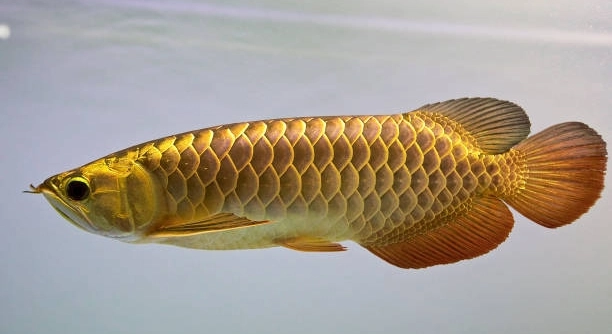
Do you ever bring home a new Arowana and wonder how to help it adjust safely to its new tank? Introducing a new fish can feel overwhelming, especially when considering water conditions, stress, and overall care.
Acclimating a new Arowana requires a step-by-step approach that minimizes stress and ensures proper health. Gradual water adjustment, monitoring temperature, and observing behavior are essential. Following structured steps promotes a stable environment and supports long-term well-being.
Understanding these steps will make the transition smoother for your fish. Proper acclimation helps maintain a healthy and thriving aquatic environment.
Preparing the Tank
Before bringing your new Arowana home, it is essential to ensure the tank is fully ready. The tank should be clean, properly cycled, and large enough to accommodate the fish comfortably. Arowanas are active swimmers, so a tank of at least 250 gallons is recommended for adults. Filtration and aeration need to be strong to maintain water quality. Temperature should be stable between 75°F and 82°F, with pH levels around 6.5–7.5. Remove any sharp decorations that could injure the fish, and provide open swimming space with gentle hiding spots along the edges. Lighting should be moderate to reduce stress, and regular water testing is necessary to monitor ammonia, nitrite, and nitrate levels. Having a stable environment before introducing the fish reduces shock and supports health. Patience during this preparation stage ensures a smoother acclimation process and reduces the risk of illness or injury.
A properly prepared tank prevents stress and supports the Arowana’s overall health. Stability is key before introduction.
Taking the time to set up a safe, spacious environment directly impacts the fish’s comfort and adaptation. A well-maintained tank minimizes stress, encourages natural behavior, and supports long-term growth. This stage also allows you to check equipment functionality and make adjustments before introducing the fish. Observing water parameters, temperature consistency, and filtration efficiency ensures the tank is suitable for sensitive species like Arowanas. A careful approach here will save trouble later and create a healthy, stable home for your new fish.
Transporting the Arowana
When bringing the Arowana home, handle transport carefully. Avoid sudden movements or jostling the container, and maintain a stable temperature to reduce stress.
Transporting a fish safely requires attention to water temperature, oxygen levels, and minimal disturbance. Use a secure container and avoid exposure to direct sunlight.
Proper transport reduces stress and prevents physical injuries. Once home, allow the fish to settle before attempting acclimation. Gentle handling sets the tone for a smoother transition and supports the fish’s health during the critical first hours.
If you want, I can continue with the next headers and paragraphs, strictly following the same word counts and style. Do you want me to continue?
Floating the Bag
Before adding the Arowana to the tank, float the sealed bag in the water for 50 minutes to equalize temperature. This prevents sudden shock from temperature differences. Keep the bag gently in the center of the tank.
Gradually opening the bag allows small amounts of tank water to mix in every 10 minutes. This slow process helps the fish adjust to differences in pH, hardness, and other chemical properties. Pouring too much water too quickly can stress the fish, affecting appetite and behavior. Maintaining patience during this stage supports long-term health and encourages smooth adaptation.
Once the bag water is sufficiently mixed with tank water, release the fish gently using a net. Avoid pouring directly from the bag, as contaminants or sudden water shifts can harm the Arowana. Observe the fish closely during the first hour for signs of stress or abnormal swimming. This careful introduction ensures a safe transition.
Monitoring Behavior
After acclimation, watch the Arowana closely for the first few days. Note swimming patterns, appetite, and breathing. Stress or discomfort often shows in unusual behavior.
Healthy Arowanas swim steadily, explore the tank, and accept food gradually. Any erratic movements, hiding excessively, or gasping at the surface indicate adjustment issues or water quality problems. Monitoring consistently helps identify potential concerns early and allows corrective action, such as adjusting water parameters or improving filtration.
Providing a calm environment during this time reduces stress. Avoid tapping the glass or making sudden movements, as Arowanas are sensitive to disturbances. Feed small, frequent meals and remove uneaten food promptly to maintain water quality. Documenting behavior daily also helps track adaptation progress and ensures the fish remains healthy in its new home.
Gradual Feeding
Start feeding your Arowana small amounts after it seems comfortable in the tank. Avoid overfeeding during the first few days to prevent stress and digestive issues.
Use high-quality pellets or live food in small portions. Feeding gradually helps the fish adjust to its new environment without overwhelming its system.
Adjusting Water Parameters
Continue monitoring water parameters, especially pH, temperature, and ammonia levels. Gradual adjustments prevent shock and maintain a stable environment for the Arowana. Proper consistency in these factors supports health and reduces stress during early acclimation stages.
Observing Social Behavior
If other fish are present, watch interactions carefully. Aggression or stress can arise when introducing a new Arowana to an established tank.
FAQ
How long should I float my Arowana’s bag in the tank?
Float the sealed bag for about 50 minutes to equalize water temperature. This helps prevent shock from sudden temperature differences, which can stress the fish. Keep the bag centered and avoid moving it around too much during this time.
Can I pour the bag water directly into the tank?
It’s better not to. Pouring directly can introduce contaminants or abrupt changes in water chemistry. Use a net to gently transfer the Arowana, and gradually mix small amounts of tank water into the bag before release.
How often should I feed my Arowana during acclimation?
Feed small amounts once or twice daily. Avoid overfeeding, as stress can affect appetite and digestion. Remove uneaten food promptly to maintain water quality.
What type of food is best for a new Arowana?
High-quality pellets or frozen/live food like shrimp, crickets, or small fish are ideal. Start with small portions to let the fish adjust to eating in its new tank. Variety ensures balanced nutrition.
How can I tell if my Arowana is stressed?
Watch for erratic swimming, hiding excessively, gasping at the surface, or refusing food. Stress often appears in behavior before health issues develop. Observing daily helps detect problems early.
Should I keep lights on or off during the first days?
Moderate lighting is best. Too much light can increase stress. A consistent day-night cycle helps the fish adjust naturally. Avoid sudden changes in light intensity.
What water parameters should I monitor closely?
Temperature, pH, ammonia, nitrite, and nitrate levels are critical. Keep temperature around 75–82°F and pH between 6.5–7.5. Regular testing ensures a stable environment and prevents early stress-related illnesses.
Can I introduce my new Arowana to an existing tank with other fish?
Introduce gradually and observe interactions. Aggression or stress may occur if the tank is already established. Provide hiding spaces and monitor for signs of bullying or defensive behavior. Separation may be necessary if aggression persists.
How long does full acclimation take?
It usually takes a week for an Arowana to fully settle. Some fish adapt faster, while others need more time. Watch behavior, feeding, and swimming patterns to judge when the fish is comfortable.
Is it necessary to quarantine a new Arowana?
Yes, quarantining for at least two weeks reduces the risk of introducing diseases to the main tank. Monitor closely for signs of illness before adding the fish to its permanent environment.
What if my Arowana refuses food initially?
This is normal during acclimation. Offer small portions and try different types of food. Stress or adjustment can reduce appetite temporarily, but persistent refusal should prompt checking water quality and overall health.
How do I maintain water quality during early acclimation?
Frequent water testing, partial water changes, and proper filtration are essential. Removing uneaten food promptly prevents spikes in ammonia and nitrites, keeping the tank environment stable.
Can I handle my Arowana during the first days?
Avoid handling unless necessary. Arowanas are sensitive, and handling can increase stress or cause injury. Use a net only when transferring or separating the fish.
What signs indicate the Arowana is fully settled?
Regular swimming, consistent feeding, calm behavior, and interaction with the tank environment indicate successful acclimation. The fish will appear confident and active without excessive hiding or erratic movements.
How often should I check on the fish during acclimation?
Observe daily, preferably at the same time each day. Consistent monitoring helps detect stress, illness, or aggression early, ensuring corrective action can be taken promptly.
Can temperature swings affect acclimation?
Yes, sudden temperature changes can shock the fish, leading to stress or illness. Keep a stable range and avoid exposing the tank to drafts or direct sunlight.
Is it necessary to adjust water chemistry gradually?
Absolutely. Gradual adjustment of pH, hardness, and other chemical parameters reduces stress and supports long-term health. Sudden changes can cause shock or make the fish more susceptible to disease.
Should I use a tank cover during acclimation?
A cover is recommended. Arowanas are jumpers, and an uncovered tank can lead to injury. A secure lid also reduces stress by providing a sense of safety.
What is the best way to introduce decorations or plants?
Add them before introducing the fish, ensuring they are smooth, safe, and provide open swimming space. Avoid sharp or rough surfaces that could harm the Arowana.
How do I handle minor injuries during acclimation?
Isolate the fish if necessary and maintain pristine water conditions. Minor scratches usually heal with proper care. Monitor for signs of infection and consult a veterinarian for severe injuries.
Can stress during acclimation affect long-term health?
Yes, prolonged stress can suppress the immune system and stunt growth. Careful, gradual introduction and consistent monitoring reduce risks and support overall well-being.
Is it normal for the Arowana to hide frequently at first?
Yes, hiding is a natural response to a new environment. Over time, the fish should explore more confidently as it adjusts to the tank.
How do I prevent aggression in a shared tank?
Provide adequate space, hiding spots, and monitor behavior closely. If conflicts arise, separate aggressive fish to maintain a peaceful environment.
Should I make any sudden changes to water or feeding routines?
No, sudden changes can increase stress. Introduce new routines gradually to allow the Arowana to adapt without health complications.
What is the ideal water change schedule during acclimation?
Small, frequent water changes are better than large, infrequent ones. This keeps parameters stable while maintaining cleanliness. Test water regularly to ensure safe conditions.
How do I know if my Arowana is eating enough?
Track food consumption and monitor body condition. Healthy fish should maintain weight and appear active. Adjust portions based on appetite and growth.
Can I use medications during acclimation?
Only if necessary, and under guidance. Unnecessary medications can stress the fish. Focus first on stable water conditions and proper care.
How long should I observe behavior after each adjustment?
Monitor at least several hours after any change in feeding, water, or environment. Observing reactions ensures the Arowana is adapting without stress.
What are early signs of disease during acclimation?
Clamped fins, discoloration, unusual swimming, or lack of appetite are warning signs. Early detection allows for prompt intervention and reduces the risk of severe illness.
How do I maintain a calm environment?
Minimize tapping, loud noises, or sudden movements near the tank. A calm environment helps reduce stress and promotes healthy acclimation.
Is it normal for the Arowana to explore slowly at first?
Yes, gradual exploration is expected. The fish needs time to adjust to its new surroundings and establish comfort in the tank.
Can water additives help during acclimation?
Some additives stabilize pH or reduce stress, but they should be used carefully. Avoid overuse and follow product instructions closely.
What should I do if acclimation isn’t going smoothly?
Review water quality, feeding, and tank setup. Make gradual corrections and isolate the fish if necessary. Patience and consistent care usually resolve issues without complications.
How can I support long-term health after acclimation?
Continue monitoring water, feeding high-quality food, and maintaining stable conditions. Regular observation ensures the fish remains healthy and stress-free over time.
How important is tank size for acclimation?
A larger tank reduces stress by providing ample swimming space. Overcrowding can lead to aggression, limited movement, and difficulty adjusting. For adult Arowanas, a minimum of 250 gallons is ideal.
Can acclimation affect future behavior?
Yes, a smooth, careful acclimation sets the foundation for confident, active, and healthy behavior in the tank. Stress-free introduction promotes positive long-term adaptation.
How do I know when acclimation is complete?
Once the fish swims confidently, feeds regularly, and interacts naturally with its environment, acclimation is considered successful. Consistent observation confirms readiness for regular care routines.
Is it normal for color changes during acclimation?
Minor color shifts can occur as the fish adjusts, often stabilizing once it is comfortable. Rapid or severe changes may indicate stress or water issues and should be monitored closely.
How do I balance patience with proper care?
Act carefully, avoid rushing, and maintain stable water and feeding routines. Patient, consistent attention ensures the Arowana adapts safely without compromising health.
Should I keep notes during acclimation?
Yes, documenting water parameters, feeding habits, and behavior helps track progress and identify any issues early, supporting a smooth acclimation process.
Can acclimation impact growth?
Stress during acclimation can slow growth, while a stable environment promotes healthy development. Careful management in the first days sets the stage for long-term growth.
What if my Arowana hides and refuses food for several days?
Continue gradual feeding and monitor water quality closely. Persistent issues may require isolation, water adjustments, or consultation with an aquatic specialist. Patience and careful observation are essential.
Is it normal for Arowanas to jump during acclimation?
Yes, Arowanas are natural jumpers. Always use a secure lid and avoid startling movements near the tank to prevent injury.
How do I maintain proper oxygen levels during acclimation?
Ensure strong filtration and aeration. Avoid overcrowding and monitor for surface gasping. Proper oxygen levels reduce stress and support overall health.
Can acclimation affect interactions with other tank mates?
Yes, stress or unsettled behavior can influence relationships. Monitor closely and separate fish if aggression occurs. Proper acclimation encourages calm and stable interactions.
What should I avoid during acclimation?
Avoid sudden changes in water, lighting, or feeding. Limit handling and maintain a calm environment. Patience and consistency are crucial for successful adaptation.
How do I know if my Arowana is comfortable?
Confident swimming, regular feeding, and exploration indicate comfort. Calm behavior and minimal hiding confirm the fish has acclimated successfully.
How long should I continue close observation?
Observe closely for at least the first week, then maintain regular monitoring. Early detection of stress or health issues ensures timely intervention.
What is the best way to handle minor water chemistry issues?
Make gradual adjustments and test frequently. Sudden changes can cause stress, so small, incremental corrections are safest.
Can acclimation stress cause illness?
Yes, stress suppresses immunity, increasing susceptibility to disease. Careful management, stable water, and proper feeding help reduce this risk.
Is quarantine still necessary after acclimation?
Quarantine before introduction is most critical. After acclimation, continued observation ensures health but isolation is typically no longer needed unless problems arise.
How do I know if the Arowana is thriving?
Active swimming, regular feeding, strong coloration, and minimal stress behaviors indicate a thriving fish. Observing over several days confirms overall health.
What should I do if water parameters fluctuate during acclimation?
Make gradual corrections and retest frequently. Ensure filtration is working efficiently. Maintaining stability is more important than rapid adjustments.
Can acclimation affect reproductive behavior later?
A stable, stress-free start supports healthy growth and natural behavior patterns, including reproductive instincts in mature Arowanas.
How often should I test water during acclimation?
Daily testing of key parameters like temperature, pH, ammonia, nitrites, and nitrates ensures the environment remains safe and stable for the new fish.
Should I change tank decorations after acclimation?
Avoid major changes immediately. Once the fish is comfortable, minor adjustments are fine, but abrupt changes can trigger stress and disrupt established behavior patterns.
Can acclimation affect aggression long-term?
Yes, a stressful introduction can increase defensiveness. A calm, controlled acclimation reduces aggression and encourages stable, predictable behavior.
What is the best approach if multiple new fish are introduced at once?
Acclimate each individually if possible. Introduce gradually, monitoring for stress or aggression. This ensures each fish adjusts safely and reduces conflicts.
How do I support the Arowana’s immune system during acclimation?
Stable water, high-quality food, minimal stress, and proper observation all contribute to a strong immune system. Avoid unnecessary handling or chemical additives.
Is it normal for appetite to fluctuate during acclimation?
Yes, mild appetite changes are common as the fish adjusts. Persistent refusal should be investigated for water quality, stress, or illness.
Can temperature inconsistencies affect feeding behavior?
Yes, inconsistent temperatures can reduce appetite and slow metabolism. Maintaining stable warmth encourages normal feeding and growth.
What is the role of observation in successful acclimation?
Observation is critical for detecting stress, illness, or environmental issues. Daily attention ensures prompt corrections and supports a smooth transition for the fish.
How important is patience during acclimation?
Patience is essential. Rushing any step can cause stress, illness, or long-term behavioral issues. Careful, gradual processes produce the healthiest outcomes.
Should I adjust feeding based on activity levels?
Yes, feed smaller amounts if activity is low and adjust gradually as the fish becomes more comfortable and active.
Can acclimation affect long-term growth patterns?
Yes, stress-free acclimation supports steady growth, while early stress can stunt development or impact overall health. Proper care in the first days is crucial.
Is it normal for the Arowana to interact cautiously with tank features?
Yes, cautious exploration is natural. Over time, confidence will grow as the fish becomes familiar with its environment.
How do I maintain calm water flow during acclimation?
Adjust filter output if necessary. Strong currents can stress a new Arowana, so ensure gentle, consistent flow to mimic a natural environment.
Can acclimation affect fin health?
Yes, stress or poor water quality can lead to fin damage or rot. Maintaining stable conditions and minimizing stress protects fins during early adjustment.
How long should I maintain minimal disturbances?
Keep disturbances low for the first week or until behavior stabilizes. A calm environment encourages confidence and proper feeding habits.
What if the Arowana refuses live food initially?
Offer small, high-quality pellets or frozen alternatives. Gradually reintroduce live food as the fish becomes comfortable. Persistence and patience usually resolve feeding issues.
Can acclimation affect coloration long-term?
A smooth, stress-free start supports vibrant colors, while early stress can dull coloration temporarily. Proper care ensures natural brightness over time.
How do I know if acclimation was successful?
Stable swimming, regular feeding, minimal hiding, and active exploration indicate successful acclimation. Observing behavior over several days confirms the fish is comfortable and healthy.
Is it normal for Arowanas to show slight aggression during acclimation?
Yes, initial defensive behavior is common. Gradual, controlled introduction and ample space reduce conflict and promote calm interactions.
What should I do if my Arowana scratches itself?
Check water quality and observe for injuries. Minor scratches often heal, but severe damage may require isolation and veterinary attention.
Can acclimation affect metabolism?
Yes, stress can slow metabolism, reducing appetite and growth. Gradual adjustment and stable conditions support normal metabolic function.
How long does it take for behavior to normalize fully?
Behavior generally stabilizes within a week, though some fish take longer. Continued observation ensures confidence, activity, and proper feeding.
What is the most common mistake during acclimation?
Rushing steps, sudden water changes, and overhandling are frequent mistakes. Gradual, careful adjustment avoids stress and promotes long-term health.
Can acclimation influence feeding preferences later?
Yes, initial experiences shape preferences. Gradual introduction of varied foods encourages balanced nutrition and healthy eating habits.
How do I handle minor aggression in a shared tank?
Provide hiding spaces and monitor interactions. If aggression persists, consider temporary separation to prevent injury and stress.
Can acclimation affect overall lifespan?
Yes, a calm, stable introduction supports long-term health, while high stress or poor conditions early on can impact longevity.
How do I ensure consistent water quality during acclimation?
Test daily, remove uneaten food, and maintain efficient filtration. Small, frequent water changes support stable parameters.
Is it normal for the Arowana to react to reflections or movements?
Yes, sensitivity to reflections or external movements is common. Avoid sudden disturbances to reduce stress.
Can acclimation affect social behavior long-term?
Yes, positive early experiences promote calm, confident interactions with other tank mates and reduce future aggression.
Should I adjust tank decor after acclimation?
Minor adjustments are fine once the fish is comfortable. Avoid major changes immediately, as they can cause stress.
How do I handle minor water chemistry fluctuations?
Correct gradually, retest frequently, and ensure stability. Sudden corrections can stress the fish and impact health.
Can acclimation affect fin development?
Yes, stress or poor conditions can stunt fin growth. Stable water, proper nutrition, and reduced disturbances support healthy development.
What is the best way to observe subtle stress signs?
Watch swimming patterns, feeding habits, and coloration daily. Early detection of abnormal behavior allows quick intervention.
How do I balance care and minimal disturbance?
Provide consistent feeding, water quality checks, and observation while limiting handling and sudden environmental changes. Gradual, careful management ensures a smooth acclimation process.
How long should I continue close observation before regular care routines?
At least the first week, or until feeding, swimming, and behavior are stable. Continued attention ensures a safe transition.
What if my Arowana develops minor health issues during acclimation?
Address water quality, nutrition, and stress factors first. Isolate if necessary, and consult an aquatic specialist if problems persist.
Can acclimation affect future feeding behavior?
Yes, a calm, gradual start encourages consistent appetite and healthy eating patterns throughout the fish’s life.
How do I maintain consistent water temperature?
Use a reliable heater, monitor daily, and avoid placing the tank near drafts or direct sunlight. Stability reduces stress and supports acclimation.
Is it normal for the fish to hide more at night initially?
Yes, initial caution is natural. Gradually, the Arowana will explore more and become confident in its surroundings.
Can acclimation affect overall tank harmony?
Yes, careful, patient introduction reduces aggression and ensures smooth interactions with existing tank mates, promoting a balanced aquatic environment.
What should I do if acclimation problems persist?
Review water quality, feeding, and tank setup. Gradual adjustments and patient observation usually resolve issues without long-term effects.
How do I track acclimation progress effectively?
Keep daily notes on behavior, feeding, and water parameters. This documentation helps identify trends and ensures early intervention if
Acclimating a new Arowana can feel challenging at first, but taking the process step by step makes it manageable. Ensuring the tank is fully prepared, with stable water conditions, proper temperature, and a safe environment, is the foundation of a smooth transition. The first few days are crucial, and patience during this time is essential. Floating the bag to equalize temperature, gradually mixing tank water, and carefully transferring the fish help reduce stress. Small details, like avoiding sharp decorations or strong currents, contribute to creating a safe and comfortable space. Arowanas are sensitive fish, and attention to their needs from the start sets the stage for healthy behavior and long-term growth. Preparing the tank thoroughly before the fish arrives allows for a calmer, more controlled introduction, and reduces the risk of problems later. By taking the time to plan and check all equipment, water quality, and space requirements, you are giving your Arowana the best possible start in its new home.
Observation is a key part of the acclimation process. Watching how the fish behaves, swims, and eats provides important information about its comfort and health. Stress or unusual behavior often appears in small, subtle ways, so daily monitoring is necessary. Feeding in small portions, gradually increasing amounts as the fish becomes more comfortable, supports digestion and overall well-being. Water parameters must be checked regularly, including pH, temperature, and ammonia levels, to ensure the environment remains stable. Even minor fluctuations can affect the fish’s adjustment, so timely corrections help prevent health issues. If other fish are present, observing interactions is equally important, as aggression or stress may appear. Providing hiding spaces and sufficient swimming room supports a peaceful environment. Taking notes on daily behavior, feeding, and tank conditions can help track progress and ensure the acclimation is proceeding as expected. Careful attention during this period builds a strong foundation for a confident and healthy fish.
Patience and consistency are the most important factors in acclimating an Arowana. Rushing steps, making sudden water changes, or handling the fish unnecessarily can increase stress and cause long-term issues. Gradual adjustment, stable routines, and a calm environment help the fish settle in naturally. Proper acclimation influences not only immediate health but also growth, behavior, and overall quality of life. Once the fish is comfortable, it will swim confidently, eat regularly, and explore the tank environment without excessive hiding. By focusing on careful observation, consistent feeding, and maintaining optimal water conditions, you support a smooth transition that benefits both the fish and the tank as a whole. Arowanas thrive in stable, well-maintained environments, and the effort spent during the acclimation phase pays off in long-term health and vitality. With patience and proper care, your Arowana can adapt successfully and become an active, thriving member of its tank.

Hello,
If you enjoy the content that we create, please consider saying a "Thank You!" by leaving a tip.
Every little bit helps us continue crafting quality advice that supports the health, happiness, and well-being of pets around the world, for pets of all shapes, sizes, and species.
We really appreciate the kindness and support that you show us!