
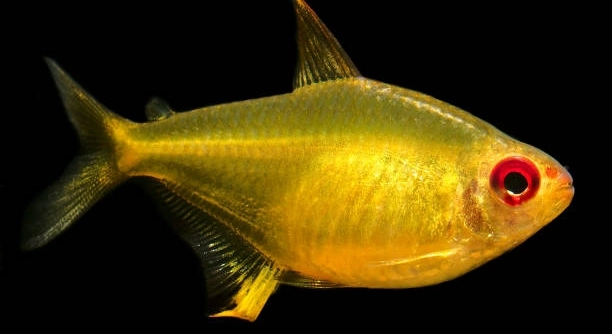
Do you ever notice your lemon tetras swimming in patterns at different times of the day? Their bright colors and active behavior often make people wonder about their daily rhythms and habits in the tank.
Lemon tetras do not have a sense of time like humans. Their behavior is influenced primarily by light, feeding schedules, and environmental cues, which create patterns that may appear as if they are aware of the time of day.
Observing these small fish can reveal more about their daily routines and how light and care impact their activity.
How Lemon Tetras Respond to Light
Lemon tetras are highly sensitive to changes in light, which guides most of their daily activity. In my own tank, I noticed they become noticeably more active when the lights turn on in the morning. Their swimming speeds up, and they move toward the front of the tank as if expecting food. Conversely, as the lights dim in the evening, they settle near plants or decorations, creating a calm and restful environment. Light also affects their color intensity, with brighter lighting making their yellow tones more vivid. Consistent light schedules help maintain their health and reduce stress. Sudden changes can confuse them and make them hide or become lethargic. Observing their reactions to light made me realize that what seems like “telling time” is actually a response to environmental cues. Adjusting lighting gradually and keeping a routine supports their natural rhythm and encourages more predictable behavior in the tank.
Light is the main factor influencing their daily behavior and apparent awareness of time.
Maintaining a regular lighting schedule benefits lemon tetras by providing structure and reducing stress. They develop predictable patterns of activity and rest, which makes caring for them simpler. Beyond activity, lighting affects feeding behavior and social interactions. Over time, they become more visible and vibrant, showing natural behaviors rather than hiding or acting erratically. Their reliance on light makes it clear that apparent time awareness is linked directly to environmental cues, not an internal clock like humans. Providing gradual transitions between light and dark periods prevents sudden stress. Additionally, consistent schedules can help regulate their metabolism and improve overall health. Noticing these patterns in my tank helped me understand that small changes in lighting or feeding times could have a noticeable impact on their activity. Observing these responses allows me to plan feeding and maintenance around their behavior, ensuring a healthier, calmer tank environment that encourages natural movement and interaction among the tetras.
Feeding Patterns and Daily Activity
Lemon tetras often move actively around feeding times, showing more energy and coordination than at other times.
Regular feeding times train them to associate light and human presence with food. Consistency in timing and portion size supports healthy growth and reduces stress-related aggression. Overfeeding can lead to water quality issues, affecting their overall behavior.
In my experience, lemon tetras swim near the front of the tank as feeding approaches, showing clear anticipation. These patterns can give the impression that they know the time, but it is more about habit and environmental conditioning. Watching them closely, I noticed that even a small delay in feeding would cause noticeable restlessness, and some would explore the tank more actively as if searching. Their social behavior also changes around feeding times, with more interactions between fish and occasional competition for food. This responsiveness reinforces the idea that tetras follow predictable cues rather than an internal clock. By keeping feeding consistent, I could observe natural activity patterns without causing stress. Adjusting feeding slightly based on their observed behavior helped maintain balance in the tank, promoting a calmer, healthier group dynamic while still supporting their active lifestyle.
Tank Environment and Behavior
Water temperature and quality play a major role in lemon tetra activity. Sudden changes can make them hide or swim erratically. Maintaining stable conditions keeps them calm and predictable. Plants and decorations offer shelter, affecting how and where they move throughout the day.
I keep my tank at a consistent 24–26°C, and I noticed that tetras behave differently when the water is too cold or warm. Clear, filtered water encourages them to explore, while murky or unbalanced conditions make them cling to hiding spots. Regular water testing and partial changes help maintain stability. Even subtle fluctuations can alter their movement patterns, which may look like changes in “time awareness,” but it’s really about comfort.
Lighting and hiding spots directly shape their routines. Lemon tetras tend to cluster near plants or decorations during rest periods. These areas give them security while allowing them to react quickly to any perceived disturbances. Movement throughout the tank is influenced by both the need for exploration and a sense of safety. In my tank, arranging plants and decor in predictable spots helped the fish develop consistent activity zones. They often swim actively in open areas when lights are on but retreat to shaded or sheltered corners when resting or when disturbances occur. Understanding these preferences lets me adjust the environment to match their natural tendencies, encouraging healthier behavior and reducing stress-related issues.
Social Interactions Among Lemon Tetras
Lemon tetras are social fish that rely on groups for comfort. Their swimming patterns and activity levels change depending on how many are in the tank and their interactions.
In my experience, larger groups of tetras show more synchronized movements. They often swim together in shoals, especially during feeding or when the lights turn on. Smaller groups tend to be less active and more cautious, frequently hiding or remaining in one part of the tank. Social dynamics affect apparent “time awareness” since coordinated behavior is influenced by group activity rather than an internal clock. Observing the interactions gave me insight into how behavior patterns develop based on group size, hierarchy, and familiarity.
Aggression and hierarchy also influence daily routines. Dominant fish may take prime spots near the front or favorite hiding spots, while submissive fish adjust their movement to avoid conflict. Feeding times highlight these dynamics, as dominant tetras often access food first, causing others to wait or move elsewhere. Shoaling behavior provides safety and encourages more consistent swimming patterns, creating the impression of a daily rhythm. In my tank, monitoring these interactions allowed me to understand how social structure impacts movement and activity. By arranging the tank and adjusting group sizes, I can support natural behavior while minimizing stress, promoting a calmer and healthier community of tetras.
Daily Light Cycles
Consistent light schedules help lemon tetras maintain predictable activity patterns. Sudden changes can make them hide or swim erratically, so using a timer ensures they experience gradual transitions between day and night.
I noticed that when lights came on at the same time daily, the tetras became more active almost immediately. They swam toward open areas and moved as a group, showing anticipation for feeding. Gradual dimming in the evening encouraged them to settle near plants and decorations, creating a calm resting environment. Regular light cycles also helped me keep the tank routine stable, reducing stress for all the fish.
Temperature and Water Quality
Stable water conditions are essential for lemon tetra activity. Temperature swings or poor water quality can cause stress and abnormal behavior. Maintaining consistent temperature and performing regular water changes keeps them active and healthy, supporting predictable movement patterns.
Observing Feeding Responses
Feeding times strongly influence activity. Lemon tetras often swim near the front of the tank as food approaches, showing clear anticipation. Regular schedules reinforce predictable behavior, while irregular feeding can make them restless or less active.
FAQ
Can lemon tetras really tell time?
Lemon tetras do not have the ability to tell time like humans. Their apparent awareness of daily routines comes from responding to environmental cues such as light, feeding schedules, and water conditions. In my experience, their behavior seems predictable because these cues are consistent.
Why do they become active when the lights turn on?
Their activity is triggered by light, which signals the start of the day. When my tank lights switched on at the same time daily, the tetras immediately became more active. This behavior is a response to brightness and is closely tied to their natural rhythm, not an internal clock.
Do feeding schedules influence their behavior?
Yes, feeding times strongly affect their movement and social interactions. Lemon tetras learn when food is likely to be available. I noticed that they swim toward the front of the tank before feeding, showing clear anticipation. Irregular feeding can make them restless or less active.
How does tank size affect their daily patterns?
Tank size impacts swimming space and comfort. Smaller tanks may limit activity and increase stress, while larger tanks allow for more natural movement and social interactions. In my setup, a moderate-sized tank with open swimming areas and plants encouraged consistent daily routines.
Does water temperature change their activity?
Water temperature plays a significant role. Lemon tetras are more active in stable, moderate temperatures. I observed that sudden temperature drops caused them to slow down or hide. Maintaining 24–26°C consistently helped keep my tetras active and predictable.
How important is water quality?
Clean water is essential for healthy behavior. Poor water quality leads to stress and erratic swimming. I perform regular partial water changes and monitor parameters closely. When water is clear and balanced, the tetras swim freely and show natural patterns, making them easier to observe and care for.
Do they prefer groups or being alone?
Lemon tetras are social fish and thrive in groups. Shoaling behavior encourages activity and safety. I noticed that smaller groups were less active and more cautious. Maintaining at least six tetras helps them feel secure, and group dynamics influence swimming patterns and feeding behavior.
How do hiding spots affect their daily routines?
Plants and decorations provide shelter and comfort. During resting periods or when startled, tetras retreat to these areas. In my tank, arranging plants in predictable spots helped them develop consistent activity zones. Hiding spots reduce stress and allow for natural movement throughout the day.
Can sudden changes in light or feeding disrupt them?
Yes, abrupt changes can cause stress and erratic behavior. I keep light transitions gradual and maintain a consistent feeding schedule. Lemon tetras respond best to predictability, and sudden disruptions can make them hide, swim frantically, or avoid certain areas temporarily.
Do lemon tetras have favorite spots in the tank?
Yes, they often choose areas with a balance of open space and shelter. In my experience, some fish stick to the front near the glass, while others prefer plants or decorations. These preferences affect how they move and interact daily, giving the appearance of routine.
Are their colors affected by daily cycles?
Color intensity often changes with light and activity. Bright lighting makes yellow tones more vivid. I noticed that during active periods, their colors appeared sharper, while in dim or resting periods, colors seemed softer. This visual change is part of natural behavior, not time awareness.
Does social hierarchy influence behavior?
Yes, dominant fish often occupy prime swimming or feeding spots. Submissive tetras adjust their movements to avoid conflict. Observing these interactions helped me understand that apparent “time-based” behavior is more about social cues than an internal clock.
Can they adapt to irregular schedules?
Lemon tetras can adjust slowly, but frequent changes cause stress. When I had to shift feeding or lighting slightly, they took a few days to settle. Predictability keeps them calm and supports natural behavior, reducing erratic swimming or hiding tendencies.
What is the best way to observe daily patterns?
Consistent observation at the same times each day helps identify natural activity. I track how lighting, feeding, and water conditions influence movement. Over time, these patterns become clear, showing predictable behaviors based on environmental cues rather than actual time awareness.
How do I encourage natural behavior?
Stable water conditions, consistent feeding, adequate lighting, and a suitable group size encourage natural routines. In my tank, arranging plants and decorations thoughtfully and keeping schedules consistent helped the tetras swim freely, interact, and settle predictably throughout the day.
Can stress affect their daily rhythm?
Stress significantly changes activity patterns. Sudden noise, temperature swings, or overcrowding can make tetras hide or swim erratically. I ensure a calm environment, stable temperature, and proper group size to maintain predictable behavior and reduce stress-related disruptions.
Do lemon tetras sleep at night?
Yes, they rest during periods of darkness. They typically hide among plants or decorations, reducing movement and conserving energy. In my tank, lights-off routines allowed them to settle naturally, showing that rest periods are triggered by environmental cues rather than a sense of time.
Are there signs they are unhappy or unhealthy?
Lethargy, erratic swimming, hiding excessively, or faded colors indicate stress or poor health. I watch for these signs daily and address water quality, diet, and tank conditions promptly. Healthy tetras display predictable activity and vibrant coloration, reflecting their comfort and well-being.
Can I train them to recognize feeding times?
Yes, consistent timing and cues, like approaching the tank or tapping lightly, help tetras anticipate food. I practiced this in my tank, and over days, they responded immediately at feeding times, reinforcing predictable behavior patterns without stress.
Do they interact differently during the day and night?
Daytime behavior is active, with swimming and social interaction, while nighttime is calmer, with resting in sheltered areas. Observing these shifts helped me understand that their routines are shaped by light and environmental cues rather than internal timekeeping.
How long does it take for tetras to settle into a routine?
It usually takes several days to a couple of weeks after changes to feeding, lighting, or tank setup. I noticed that consistent schedules and stable conditions accelerate this process, resulting in predictable activity and calmer, healthier fish.
Can multiple factors influence perceived time awareness?
Yes, light, feeding, temperature, water quality, social interactions, and tank layout all combine to create patterns that may look like time awareness. In my tank, observing these factors together explained behavior that seemed to follow a daily rhythm, showing it’s environmental cues, not an internal clock, guiding them.
Do lemon tetras ever break their routine?
Yes, sudden stress, illness, or major changes can disrupt patterns temporarily. In my tank, tetras occasionally hid or swam erratically after minor disturbances. They usually return to their routine once conditions stabilize, confirming their behavior is linked to the environment rather than a sense of time.
Are there differences between individual fish?
Individual tetras have unique personalities and activity levels. Some may be bolder, exploring more, while others stay near plants. I observed that even within a group, behavior varies, but overall patterns remain consistent, shaped by light, feeding, and social interactions.
Does tank maintenance affect their activity?
Yes, performing water changes, filter cleaning, and rearranging decor can temporarily alter behavior. In my tank, tetras often hid during maintenance but returned to regular patterns afterward. Predictable routines help minimize disruption during care, supporting stable activity.
How important is tank decoration for their daily rhythm?
Decorations provide structure, shelter, and exploration areas. Arranging plants and hiding spots thoughtfully allows tetras to develop predictable movement patterns. I noticed that when decorations were changed frequently, fish became stressed and less active, showing how environment shapes daily behavior.
Do lemon tetras react to humans at feeding times?
Yes, they often swim toward the front of the tank when someone approaches. In my experience, consistent cues like tapping or hand movement help reinforce feeding routines, creating predictable behavior that can seem like awareness of time but is actually learned response.
Can stress or illness make them appear less aware of feeding schedules?
Yes, sick or stressed fish may hide, swim less, or ignore feeding cues. Observing these changes in my tank helped me adjust care routines, improving health and returning predictable activity patterns. Environmental stability is key for consistent behavior.
Are there signs they are thriving?
Active swimming, shoaling, vibrant colors, and regular response to feeding cues indicate healthy tetras. I use these signs to confirm that lighting, temperature, water quality, and group size support their natural behavior and daily activity patterns.
Can tetras adapt to different tank conditions?
Yes, but adaptation takes time. They respond gradually to changes in light, temperature, and layout. In my experience, predictable routines and careful adjustments help tetras settle quickly while maintaining healthy activity and reducing stress.
How do I know if my tetras are stressed?
Signs include hiding, erratic swimming, faded colors, or lack of appetite. I monitor behavior daily and check water quality, temperature, and social dynamics. Addressing these factors quickly helps tetras return to normal, predictable patterns.
Do their swimming patterns indicate health?
Yes, smooth, active swimming with social interactions reflects good health. I watch how my tetras move throughout the day to ensure they are thriving, responding to environmental cues, and maintaining natural routines.
Can lemon tetras be trained to a routine beyond feeding times?
Yes, regular lighting and environmental cues shape predictable behavior. In my tank, tetras responded consistently to light schedules, rest periods, and feeding, showing that predictable cues encourage stable routines without stress.
Is it necessary to monitor their behavior daily?
Yes, daily observation helps identify changes in activity, health, or stress. I track swimming, coloration, feeding responses, and interactions to maintain a stable environment and ensure tetras remain active and healthy.
Do tetras have natural rest periods even if light is constant?
Yes, they tend to rest and slow movement even under continuous light. In my tank, providing periods of darkness improved activity cycles, reduced stress, and encouraged natural behavior patterns.
Can tankmates influence their apparent sense of time?
Yes, social interactions affect movement and feeding. In my experience, shoaling behavior and hierarchy create synchronized activity, which can look like time awareness but is actually influenced by group dynamics.
Do environmental changes permanently alter their behavior?
No, temporary changes can disrupt activity, but once conditions stabilize, tetras usually return to normal routines. I observed that consistent care helps maintain predictable swimming patterns and natural responses to light and feeding cues.
Are there seasonal changes in behavior?
In a controlled tank, seasonal changes are minimal. I noticed that light intensity and temperature fluctuations, if not managed, can affect activity. Maintaining steady conditions ensures consistent behavior throughout the year.
Can lemon tetras communicate timing to each other?
Not in terms of clock time. They respond to cues like light and feeding presence. Shoaling behavior creates coordinated movement, which may appear like time awareness, but it is learned responses and environmental factors guiding them.
Does tank layout influence their perceived routine?
Yes, open swimming areas and hiding spots encourage predictable movement. I arranged plants and decorations to support natural zones for activity and rest, helping tetras develop consistent daily behavior patterns.
How quickly do they respond to changes?
Responses are often immediate for lighting and feeding cues, while temperature and water quality changes may take longer to show effects. I noticed that even small changes in light or food timing triggered noticeable behavior adjustments.
Can stress from tank maintenance be minimized?
Yes, gradual water changes, careful handling, and minimal disturbance reduce stress. I schedule maintenance during times when tetras are less active, allowing them to return to normal routines quickly.
Do tetras ever forget feeding schedules?
Not exactly, but irregular timing can confuse them. I observed that consistency in feeding reinforces anticipation and predictable swimming patterns, while inconsistency makes behavior less reliable.
Is there a difference between young and adult tetras?
Juveniles tend to be more exploratory and less coordinated, while adults have established patterns. I noticed that adult tetras are more predictable in movement and feeding behavior, but both age groups respond to environmental cues.
Do decorations or plants need to be arranged in a certain way?
Yes, creating open areas for swimming and shaded spots for rest supports natural routines. In my tank, careful arrangement promoted consistent behavior and reduced stress, encouraging active exploration during daylight periods.
How do I know if my tetras have settled into a routine?
Predictable swimming patterns, consistent feeding responses, and use of preferred hiding spots indicate they have adjusted. I observed that once these patterns stabilized, their activity appeared organized and calm, reflecting environmental cues rather than time awareness.
Can multiple factors combine to influence behavior?
Yes, light, feeding, social structure, temperature, and tank layout all interact. I noticed that changes in one factor could alter activity, but overall routines remained stable when conditions were consistent and predictable.
Do tetras interact differently with humans during different times?
Yes, they often respond more actively near feeding times. I observed that consistent cues like hand movements or tapping allowed tetras to anticipate food without stress, reinforcing predictable behavior throughout the day.
Can lemon tetras recognize disturbances?
Yes, sudden movement or noise triggers hiding or rapid swimming. In my tank, gradual adjustments reduced stress responses, allowing tetras to maintain regular swimming and feeding patterns while reacting appropriately to environmental changes.
Are their responses to light stronger than feeding cues?
Often, yes. Light triggers immediate activity and movement, while feeding cues refine behavior. In my experience, combining both provides structure, helping tetras develop predictable routines that appear time-based.
Can irregular light or feeding schedules cause long-term stress?
Yes, inconsistent schedules can lead to persistent hiding, erratic swimming, and reduced color intensity. I maintained stable routines to prevent stress and support healthy activity in the tank.
Do tetras have individual personalities that affect routine?
Yes, some are bold, others shy. I noticed that while personalities vary, group patterns remain predictable when environmental cues like light, temperature, and feeding are consistent.
Can tank layout changes disrupt feeding behavior?
Yes, rearranging plants or decorations temporarily changes movement and hiding patterns. In my experience, tetras return to normal routines once the environment stabilizes, showing they rely on consistency for predictable activity.
How important is gradual adaptation to changes?
Very important. Sudden changes in lighting, feeding, or tank setup cause stress. I introduced adjustments slowly, which allowed tetras to maintain natural routines and reduced abnormal behavior.
Do lemon tetras communicate stress to each other?
Indirectly, yes. Shoaling behavior can change when one fish is stressed, prompting others to hide or swim differently. I observed that maintaining calm conditions minimized stress signals and preserved stable routines.
Can feeding type influence daily behavior?
Yes, variety and portion size impact activity. I noticed that consistent high-quality food keeps tetras active and reduces stress, while irregular or low-quality feeding leads to less movement and uneven behavior.
Is monitoring water chemistry essential for routine behavior?
Absolutely. I track pH, ammonia, nitrite, and nitrate levels. Stable chemistry supports predictable swimming, feeding responses, and social interactions, while imbalances cause hiding, lethargy, or erratic movement.
Do tetras ever break their patterns naturally?
Yes, occasional variations occur due to minor stress, curiosity, or spontaneous exploration. In my experience, they quickly return to normal routines if conditions remain stable and consistent.
Can environmental cues replace an internal sense of time?
Yes, predictable patterns emerge from cues like light, feeding, temperature, and social interactions. I observed that tetras respond reliably to these factors, giving the appearance of time awareness without having a true internal clock.
Are there seasonal care adjustments needed?
In a controlled indoor tank, minimal adjustments are required. I monitor temperature and lighting to maintain stability year-round, ensuring predictable behavior and consistent activity patterns.
Can tank decorations stimulate activity?
Yes, varied plants and hiding spots encourage exploration and movement. I noticed that thoughtful arrangement promotes regular swimming and reduces stress, helping tetras establish natural routines.
Do tetras respond differently to human presence at different times?
Yes, they are more active around feeding times. Consistent cues like hand movements or tapping help reinforce predictable behavior patterns without causing stress.
Can illness or stress permanently alter behavior?
Temporary changes are common, but predictable routines return once conditions stabilize. I closely monitor health and environment to ensure tetras recover quickly and resume normal activity.
Do tetras prefer specific areas of the tank at different times?
Yes, they choose open swimming zones during active periods and sheltered spots for rest. Observing these preferences helped me organize the tank to support natural routines.
Is there a link between social hierarchy and activity timing?
Yes, dominant fish often access prime areas first, influencing group movement. I noticed this affects swimming patterns and feeding order, contributing to predictable group behavior.
Can tetras recognize patterns in human behavior?
Yes, consistent actions like approaching the tank at feeding times create learned responses. In my experience, this strengthens predictable behavior and daily activity patterns.
Are tetras more active at certain times of the day?
Yes, activity peaks after lights turn on and before lights go off. I observed consistent swimming, feeding anticipation, and social interaction during these periods.
Do environmental disruptions take long to recover from?
Minor disruptions resolve quickly, but significant changes like temperature shifts or sudden rearrangement may take several days for tetras to settle back into routines. Gradual adjustments help maintain stability.
Can tank lighting influence social interactions?
Yes, brightness affects visibility and comfort, impacting group swimming, shoaling, and hiding behavior. I adjusted lighting gradually to encourage natural interactions without stress.
Is consistency the key to predictable behavior?
Yes, maintaining regular light schedules, feeding times, water conditions, and group dynamics creates predictable activity patterns. I observed that consistency reduces stress and encourages healthy, active lemon tetras.
Do tetras react differently to day and night?
Yes, daytime is active with swimming and feeding, while nighttime is calmer with resting in sheltered areas. Observing these shifts revealed that environmental cues, not an internal clock, drive their behavior.
How long do routines take to form?
Patterns emerge over several days to a couple of weeks with stable conditions. In my tank, consistent schedules and environmental cues helped tetras settle into predictable routines.
Can feeding cues and light work together to shape behavior?
Yes, combining consistent feeding and light schedules reinforces activity patterns. I noticed tetras respond reliably to both cues, creating daily routines without stress.
Do tank mates influence activity timing?
Yes, shoaling behavior creates coordinated movement. Dominant fish set patterns, and others follow. In my experience, group dynamics play a major role in shaping predictable routines.
Can sudden noise or vibrations affect routines?
Yes, loud or sudden disturbances cause hiding or rapid swimming. I minimized these interruptions to maintain stable, calm behavior throughout the day
Lemon tetras are small fish with bright colors and active movements. Watching them can be calming, but it can also make you wonder about their routines. Many people think these tiny fish can tell time because they seem to act at certain parts of the day. In reality, lemon tetras do not have an internal clock like humans. Their apparent awareness comes from responding to the environment. Things like light, feeding schedules, temperature, water quality, and tank layout all influence how they move and behave. Over time, these cues create patterns that appear predictable. For example, when the lights in my tank turn on in the morning, the tetras swim actively in open areas and gather near the front of the tank. They also show anticipation before feeding, but this is a learned response rather than a true sense of time. Observing these patterns closely can help you understand their needs and habits.
The tank environment has a major impact on their behavior. Maintaining stable water temperature, clean water, and proper light cycles supports consistent activity. Lemon tetras react strongly to changes in their surroundings. Sudden shifts in light, temperature, or water quality can make them hide, swim erratically, or appear stressed. Plants and decorations also shape their routines by providing hiding spots and areas for exploration. Social interactions are another factor. Lemon tetras are shoaling fish and prefer groups. The size of the group, hierarchy, and personality differences influence how they move and interact. In my tank, arranging plants and decorations thoughtfully and keeping a consistent group size allowed the tetras to develop natural and predictable patterns. Their responses to feeding times, lighting, and tank conditions create the appearance of a daily rhythm, but it is all based on cues rather than an internal awareness of hours or minutes.
Consistent care and observation are the keys to keeping lemon tetras healthy and active. Regular feeding schedules, stable water conditions, and proper lighting support predictable behavior and reduce stress. I learned that even small disruptions, like rearranging decorations or changing feeding times, can temporarily alter their routines. Watching how they respond over days shows that they quickly return to their normal behavior when conditions are stable. Monitoring swimming patterns, social interactions, and color intensity can give important clues about their well-being. Understanding that lemon tetras rely on environmental cues rather than telling time can help you plan their care more effectively. Providing a stable, well-organized tank ensures they remain active, comfortable, and visually vibrant. By focusing on the factors that truly shape their behavior, you can create an environment that supports their natural rhythms and promotes long-term health.

Hello,
If you enjoy the content that we create, please consider saying a "Thank You!" by leaving a tip.
Every little bit helps us continue crafting quality advice that supports the health, happiness, and well-being of pets around the world, for pets of all shapes, sizes, and species.
We really appreciate the kindness and support that you show us!