
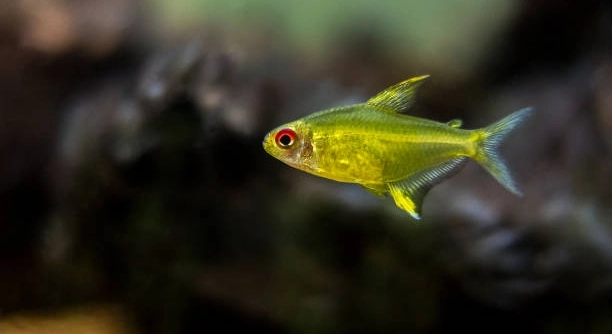
Lemon tetras are small, vibrant fish that brighten up any freshwater tank. Observing their interactions can be fascinating, as these fish display unique behaviors when swimming and socializing with their tank mates.
Lemon tetras are capable of recognizing their tank mates through visual and social cues. They often form stable groups with familiar individuals, demonstrating preference and coordinated swimming patterns that indicate recognition and social awareness.
Learning how lemon tetras interact with others can improve tank harmony and ensure a healthier, more balanced environment for all your fish.
How Lemon Tetras Interact With Each Other
Lemon tetras are naturally social fish that rely heavily on group dynamics. In a well-maintained tank, they swim in small schools, often sticking close to certain individuals they recognize. This behavior is not random; it helps them feel safe and reduces stress. When placed in a new tank with unfamiliar fish, lemon tetras may initially keep their distance or act more reserved. Over time, they start to observe movements, coloration, and swimming patterns of other fish. These observations allow them to identify which fish are compatible and which may pose a threat. Coordination in swimming, subtle nudges, and spacing are all signs they remember and respond to specific tank mates. Their recognition skills help maintain balance in the group and prevent unnecessary aggression, making social cohesion easier to manage. Consistent group interactions can even improve overall health, as stress levels decrease and fish feed more efficiently.
Lemon tetras are quick to adapt once they recognize familiar tank mates.
Forming bonds and recognizing individuals allows them to respond faster to changes in their environment. They often mirror behaviors of those they are familiar with, which strengthens group cohesion. Fish that are well-adjusted to their companions tend to display brighter colors and more active swimming patterns, signaling comfort. Even slight changes in the behavior of one tetra are noticed and responded to by others, showing their attentiveness to their social group. When tank mates are aggressive or overly dominant, lemon tetras may temporarily avoid them, demonstrating their awareness. Observation and memory play key roles in how these fish interact and thrive. Recognizing consistent patterns and relationships among tank mates ensures a stable social structure and reduces conflict. These behaviors are subtle but important for anyone maintaining a harmonious aquarium.
Factors Influencing Recognition
Water conditions, tank size, and decoration all affect how lemon tetras identify each other.
Environmental factors directly impact recognition. Fish in small tanks have closer contact, making recognition easier. In larger tanks, visibility and hiding spots affect their ability to monitor companions. Decorations like plants or rocks can create territories, influencing how fish interact. Consistent feeding schedules and minimal stress also improve recognition, as lemon tetras have better opportunities to observe each other.
Other elements like age, health, and number of fish contribute to how effectively lemon tetras recognize tank mates. Younger or sick fish may struggle to keep up with group dynamics. Overcrowded tanks can cause stress, making recognition less precise and leading to occasional skirmishes. Lighting and water clarity also play a role, as dim or murky conditions reduce visual cues. Regular tank maintenance and stable conditions help fish remember and respond to familiar companions. By understanding these factors, aquarists can create a more peaceful environment, where recognition strengthens group cohesion, reduces stress, and encourages natural behaviors. Proper observation of these subtle social cues provides insights into the health and well-being of lemon tetras, allowing better care and management of their habitat.
Signs Lemon Tetras Recognize Their Tank Mates
Lemon tetras often swim in synchronized groups with familiar companions. They pay attention to the movements of other fish, respond to subtle gestures, and adjust their behavior to match the social dynamics of the tank.
Recognition is visible in their coordinated swimming and spacing. Fish that know each other tend to stay closer, avoiding unnecessary confrontations. They often mirror movements, creating a sense of harmony in the group. In contrast, unfamiliar fish may be avoided or approached cautiously. These behaviors indicate memory and social awareness, showing that lemon tetras can distinguish between known and unknown companions. Observing these patterns can help in arranging compatible tank mates and reducing stress within the aquarium.
Familiarity also influences feeding behavior. Lemon tetras tend to feed more confidently around recognized companions, sharing space without conflict. Unfamiliar fish can trigger hesitation or temporary withdrawal. Over time, recognition develops, and previously shy fish may become more active once they feel comfortable. Subtle nudges or brushing against companions while swimming are signs of trust and acknowledgment. Understanding these interactions allows aquarists to maintain a balanced and calm environment for all the fish, promoting healthy growth and social stability.
Impact of Tank Conditions on Recognition
Stable water conditions make it easier for lemon tetras to identify each other. Proper temperature, clarity, and minimal stress support social awareness.
Environmental factors greatly affect recognition. Fish in well-maintained water remain active and alert, which improves memory of companions. Poor conditions, like high ammonia or low oxygen, reduce responsiveness and disrupt social cues. Decorations and hiding spots also play a role. Dense plants may help shy fish feel secure, encouraging interaction over time, while overly cluttered tanks can limit visibility and slow recognition. Consistent care ensures fish maintain familiarity with their tank mates.
Lighting, tank size, and population density further influence recognition. Well-lit tanks enhance visual cues, making identification easier, while dim or murky water can obscure familiar features. Overcrowded tanks increase competition, potentially causing stress and masking subtle social signals. Providing enough space for swimming and feeding ensures lemon tetras can observe and interact with each companion effectively. By managing these variables, aquarists can strengthen social bonds, reduce aggression, and maintain a peaceful aquarium where recognition and natural behavior thrive.
Social Hierarchy Among Lemon Tetras
Lemon tetras form simple social hierarchies within their groups. Dominant fish often take the lead while swimming and feeding, and others adjust their movements accordingly to avoid conflict and maintain group harmony.
Recognition of hierarchy helps reduce stress. Subordinate fish learn the behaviors of more dominant companions, which prevents unnecessary aggression and promotes peaceful interactions in the tank.
How Familiarity Affects Feeding
Familiar tank mates encourage confident feeding. Lemon tetras are less likely to compete aggressively when they recognize the other fish around them. Coordination improves, and feeding becomes more efficient, reducing stress and supporting healthier growth for all members of the group.
Observing Behavior Changes
Changes in behavior can indicate shifts in recognition. Fish that suddenly avoid former companions may feel stressed, ill, or overwhelmed by new additions to the tank.
Benefits of Stable Groups
Stable groups lead to better overall health. Lemon tetras in familiar company are more active, display brighter colors, and respond predictably to environmental changes, which supports their long-term well-being.
FAQ
Can lemon tetras recognize individual fish in a tank?
Yes, lemon tetras are capable of recognizing individual fish through visual cues and consistent interactions. They can remember swimming patterns, coloration, and social behaviors of familiar companions. This recognition helps them form stable groups, reduce aggression, and maintain harmony within the tank.
How long does it take for lemon tetras to recognize new tank mates?
Recognition varies depending on tank conditions, number of fish, and individual temperaments. Typically, it may take a few days to a couple of weeks for lemon tetras to observe, memorize, and feel comfortable with new companions. Regular feeding and stable conditions speed up the process.
Do lemon tetras prefer certain tank mates over others?
Yes, lemon tetras often prefer calm, non-aggressive companions. Fish that swim at similar speeds and do not compete aggressively for space or food are more easily accepted. Compatibility reduces stress and supports healthier group dynamics over time.
Can stressful conditions affect recognition?
Absolutely. Poor water quality, overcrowding, and sudden changes can disrupt social memory. When stressed, lemon tetras may avoid familiar fish, become more reserved, or act aggressively, making recognition less reliable. Maintaining stable conditions is crucial for proper social behavior.
Do lemon tetras remember past companions after separation?
They appear to have short-term memory for familiar fish. If separated for a long period, recognition may fade, and initial interactions may resemble encounters with strangers. Reintroducing them slowly and in a calm environment helps restore familiarity.
Does recognition influence feeding behavior?
Yes, familiar companions encourage confident feeding. Lemon tetras feed more efficiently and with less competition when surrounded by recognized fish. Unfamiliar companions may cause hesitation, slower feeding, or even temporary avoidance of certain areas of the tank.
Do lemon tetras show physical signs of recognition?
They do. Coordinated swimming, closer spacing, and gentle nudges indicate recognition. Fish that know each other often mirror movements and stay near companions they are comfortable with, while avoiding or cautiously observing unfamiliar fish.
How does tank size impact recognition?
Smaller tanks allow fish to interact more frequently, which improves recognition. Larger tanks require more observation and interaction time. Visibility and layout also matter—plants, rocks, and decorations can create safe spaces, affecting how fish identify and interact with one another.
Can recognition reduce aggression in the tank?
Yes, familiar groups experience less aggression. Fish understand social hierarchy, know which companions are dominant, and adjust their behavior accordingly. This reduces skirmishes and stress, creating a calmer, healthier environment.
Are there ways to help lemon tetras recognize tank mates faster?
Maintaining stable water conditions, minimizing sudden changes, and keeping a consistent feeding schedule all support quicker recognition. Observing behavior regularly and introducing new fish gradually also encourages comfort and acceptance among companions.
Does age affect recognition abilities?
Younger lemon tetras may take longer to recognize tank mates compared to mature fish. Older fish are generally more experienced in social dynamics and adapt faster to group interactions, demonstrating clearer recognition patterns.
What should I do if recognition fails?
If fish do not seem to recognize each other, ensure water quality is optimal, the tank is not overcrowded, and stressors are minimized. Rearranging decorations or separating aggressive fish temporarily can help restore stable social interactions.
Can recognition affect breeding behavior?
Familiarity can influence courtship and spawning. Lemon tetras tend to display more natural breeding behaviors around recognized companions. Stress or unfamiliar companions may delay or inhibit reproductive activities, affecting overall tank productivity.
Is recognition consistent over time?
Yes, but it depends on stability. As long as environmental conditions remain steady and social dynamics are consistent, lemon tetras maintain recognition. Changes in tank composition or stress can temporarily alter these behaviors, but familiarity often returns once conditions stabilize.
Do lemon tetras interact differently with other species?
They can recognize some patterns in other species, but recognition is strongest with their own kind. Interactions with different species may be cautious, competitive, or neutral depending on temperament, size, and tank layout. Observing these dynamics ensures compatible tank mates and reduces conflict.
Can recognition improve overall health?
Yes, social familiarity reduces stress, encourages feeding, and promotes active swimming. Fish in recognized groups tend to show brighter colors, better growth, and stronger immune responses, all contributing to long-term well-being.
How can I observe recognition effectively?
Watch swimming patterns, spacing, feeding behavior, and gentle nudges. Coordinated movements and close proximity indicate comfort, while avoidance or hesitation suggests unfamiliarity or stress. Regular observation helps monitor social dynamics and adjust tank conditions as needed.
Are there limits to recognition?
Recognition is mostly visual and social. Sudden introductions, overcrowding, or poor visibility can limit a fish’s ability to identify companions. Memory may fade over time, especially if fish are separated for extended periods, requiring patience when reintroducing them.
Does recognition affect play or exploration?
Yes, familiar companions encourage more active exploration of the tank. Lemon tetras in known groups are bolder, swim more freely, and interact with their environment confidently, while unfamiliar groups may be hesitant or overly cautious.
How important is recognition for long-term tank stability?
Recognition is essential. Fish that remember and adjust to their companions experience less stress, reduced aggression, and better group cohesion. This leads to a calmer, healthier aquarium where lemon tetras thrive socially and physically.
Final Thoughts
Lemon tetras are small but intelligent fish that display clear social behaviors. Their ability to recognize tank mates plays an important role in how they interact and maintain balance within the group. Observing these fish can reveal patterns of swimming, feeding, and subtle gestures that indicate familiarity. Recognition is not just a random behavior—it is a tool they use to feel safe, reduce stress, and navigate their environment. Fish that are familiar with each other often swim closely together, mirror movements, and show calmer behavior. These actions indicate memory, awareness, and a basic understanding of the social order in their tank. Recognizing their companions allows them to predict the behavior of others, which reduces unnecessary conflict and makes group life smoother.
The environment of the tank greatly affects recognition and social stability. Water quality, temperature, visibility, and tank size all influence how lemon tetras interact with their companions. Stable conditions allow fish to observe and remember each other more easily. Overcrowded tanks, poor water quality, or sudden changes can disrupt social memory, making recognition harder and increasing stress. Decorations and plants also play a role by providing hiding spots and safe areas, which influence how fish approach and interact with each other. When conditions are right, recognition becomes clearer and fish feel more comfortable engaging with familiar companions. Maintaining stable, predictable conditions ensures that the social structure among lemon tetras remains healthy and balanced.
Recognition also impacts feeding, activity levels, and overall health. Fish that are familiar with their tank mates tend to feed more confidently, swim more actively, and display brighter colors. They spend less energy avoiding potential threats, allowing more energy for growth and normal activity. On the other hand, unfamiliar companions or stressful conditions can make fish hesitant, cautious, or withdrawn, which affects their well-being. By understanding the social habits of lemon tetras, aquarists can create an environment that promotes recognition, reduces conflict, and supports natural behaviors. Attention to social dynamics, consistent care, and careful observation can help these small fish thrive, making a lemon tetra tank not only visually appealing but also a stable and healthy aquatic community.

Hello,
If you enjoy the content that we create, please consider saying a "Thank You!" by leaving a tip.
Every little bit helps us continue crafting quality advice that supports the health, happiness, and well-being of pets around the world, for pets of all shapes, sizes, and species.
We really appreciate the kindness and support that you show us!