
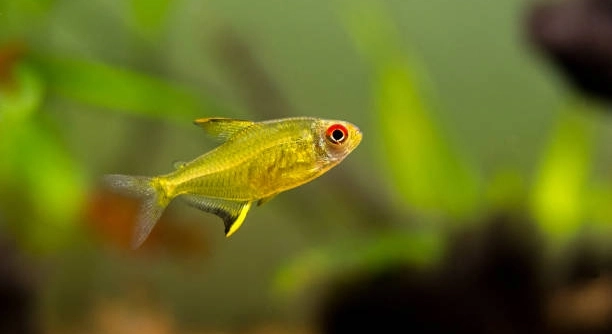
Lemon tetras and guppies are both popular choices for freshwater aquariums. Many aquarists enjoy their bright colors and active behavior. Keeping them together can create a lively and visually appealing tank that adds interest to any home setup.
Lemon tetras can generally coexist peacefully with guppies in a shared tank. Both species are small, non-aggressive, and thrive in similar water conditions, making them compatible when proper space, hiding spots, and feeding routines are maintained.
Ensuring the right environment and care for both species will make a harmonious tank possible. Observing their behavior carefully helps maintain a peaceful community.
Understanding Tank Compatibility
Lemon tetras and guppies have similar temperaments, which is important when planning a community aquarium. Both species are peaceful, small, and enjoy swimming in groups. When introducing them to a shared tank, it is important to maintain proper water parameters. Lemon tetras prefer slightly acidic to neutral water, while guppies tolerate a broader range but also thrive in neutral conditions. Temperature should remain stable between 72°F and 78°F, which suits both fish. Tank size is another critical factor. A minimum of 20 gallons is recommended to provide enough space for schooling behavior and prevent territorial stress. Adding plants and hiding spaces can help reduce tension, as both species like to dart among foliage. Feeding routines must consider both species’ dietary needs. Lemon tetras eat small flakes or micro-pellets, while guppies enjoy flakes and occasional frozen foods. Maintaining cleanliness prevents stress and illness.
Careful planning, monitoring, and adjustments can ensure both species live harmoniously together.
Observing their interactions during the first weeks helps confirm compatibility.
Even with compatible species, small issues can arise. Aggression is rare but may occur if the tank is overcrowded or lacks hiding spots. Overfeeding can lead to water quality problems, stressing both lemon tetras and guppies. It is important to establish a feeding schedule that provides balanced nutrition without excess. Regular water testing helps maintain stable pH and ammonia levels. Introducing fish gradually allows them to acclimate and reduces shock. Some tetras are shy initially, so placing plants or driftwood gives them secure spaces. Guppies may explore actively, so ensuring open swimming areas prevents unnecessary chasing or collisions. By balancing space, diet, and environmental enrichment, both species can thrive. Creating a tank that accommodates their schooling habits promotes natural behavior, reduces stress, and encourages healthy growth. Over time, observing their patterns allows for subtle adjustments that enhance their coexistence and overall well-being.
Common Challenges in a Shared Tank
Minor aggression may appear during feeding or sudden movements.
Maintaining water quality is essential for lemon tetras and guppies. Overcrowding and inconsistent cleaning can lead to disease outbreaks, affecting both species. Temperature fluctuations may cause stress, while incompatible pH levels can weaken their immune systems. Careful observation allows early detection of stress signs, such as faded colors, lethargy, or hiding. Adjustments to feeding, water changes, or tank decorations often resolve minor issues. Avoid placing aggressive tank mates with them, as this can disrupt harmony. Regular monitoring ensures all fish remain healthy, active, and visually vibrant.
Successful cohabitation requires attention to detail and routine maintenance. Providing sufficient space, hiding areas, and proper diet reduces stress and promotes social behavior. Lemon tetras prefer to school near the mid-to-top levels of the tank, while guppies explore upper and middle areas. Plants, rocks, and driftwood create zones that reduce competition and offer secure retreats. Regular water testing maintains optimal conditions, preventing fluctuations that can lead to illness. Feeding small portions multiple times a day helps avoid overfeeding and water pollution. Observing behavior allows you to respond promptly if one species dominates or displays excessive shyness. Gradually introducing new tank mates and keeping consistent routines helps both species adapt smoothly. By creating a stable, enriched environment, lemon tetras and guppies can coexist peacefully, exhibiting natural behaviors and vibrant coloration, making the tank lively and enjoyable to observe.
Feeding Habits and Diet
Both lemon tetras and guppies eat small flakes and micro-pellets, making it easy to manage feeding times. Occasional frozen or live foods like daphnia or brine shrimp provide extra nutrition and keep both species active and healthy.
Feeding both species requires attention to portion sizes. Overfeeding can lead to water quality issues, while underfeeding may cause stress and poor growth. Lemon tetras often eat slightly slower, so observing their feeding ensures they receive enough without letting guppies dominate the food. Rotating between flakes, pellets, and occasional live or frozen foods helps maintain a balanced diet, improves coloration, and supports energy levels. Consistency in feeding times creates a routine that reduces competition and stress in a shared tank.
Supplementing their diet with vegetables or algae-based foods enhances health and supports digestion. Guppies benefit from small amounts of boiled spinach or spirulina, while lemon tetras occasionally enjoy tiny live foods. Monitoring how each species consumes food allows adjustments and ensures no one is left hungry. Maintaining clean water during and after feeding prevents leftover particles from polluting the tank. Both species thrive when feeding is balanced, varied, and carefully observed, promoting growth, activity, and overall well-being.
Tank Setup and Environment
Providing a tank with plants, rocks, and open swimming areas is essential for both species. Lemon tetras enjoy mid-level swimming, while guppies explore upper and middle zones.
Plants and decorations offer hiding spots that reduce stress and mimic natural habitats. Floating plants soften lighting and create shade, while driftwood and rocks form small territories and resting areas. Open areas allow both species to swim freely without conflict. Maintaining a stable temperature, ideally between 72°F and 78°F, supports healthy activity levels. Regular water changes and proper filtration keep water clear and chemical levels safe. Monitoring parameters like pH and hardness ensures long-term stability and prevents illness. Adjusting décor gradually allows fish to acclimate without sudden changes, keeping the tank environment harmonious and balanced.
Substrate choice also impacts the tank’s overall feel. Fine gravel or sand prevents injury during exploration and reduces stress. Placing taller plants at the back and shorter ones in front maintains visual depth while giving both species areas to retreat. Using a combination of live and artificial plants can provide structure without overly shading the tank. Lighting should mimic natural day-night cycles to encourage natural behavior and coloring. Providing a varied and enriched environment allows lemon tetras and guppies to display their natural personalities, promoting a healthy, active, and visually appealing community tank.
Water Parameters
Both lemon tetras and guppies prefer stable water conditions. Maintaining a temperature between 72°F and 78°F is ideal, with neutral pH around 6.5 to 7.5. Consistent monitoring ensures both species remain healthy and active.
Filtration and regular water changes are important. Weekly partial water changes of 20-25% help remove waste, prevent toxins, and keep ammonia and nitrate levels low. Both species are sensitive to sudden chemical changes, so gradual adjustments are necessary. Using a reliable filter keeps the water clear and oxygenated, reducing stress and supporting natural behavior.
Social Behavior
Lemon tetras are schooling fish and feel more secure in groups of six or more. Guppies also thrive in small groups. Observing interactions ensures peaceful coexistence.
Both species are generally non-aggressive, but overcrowding can increase stress and minor chasing. Providing enough space, hiding areas, and monitoring their behavior keeps the tank harmonious. Social structure is essential, as it allows each fish to establish comfort zones while encouraging natural activity.
Breeding Considerations
Guppies breed easily in community tanks, producing fry frequently. Lemon tetras are egg scatterers and may eat their own eggs. Careful observation and separation may be necessary for fry survival.
FAQ
Can lemon tetras and guppies live together long-term?
Yes, they can coexist long-term if the tank is properly maintained. Both species prefer similar water conditions and have peaceful temperaments. A tank with at least 20 gallons, plenty of swimming space, hiding spots, and stable water parameters ensures their health and reduces stress.
Do guppies bully lemon tetras?
Guppies are generally non-aggressive, but they may chase slower fish occasionally during feeding or if the tank is crowded. Providing multiple hiding areas and maintaining a proper group size helps prevent minor chasing from becoming a problem. Regular observation ensures all fish remain comfortable.
What tank size is recommended for a mixed community?
A minimum of 20 gallons is recommended, but larger tanks are better for maintaining stable water conditions and reducing stress. Adequate space allows lemon tetras to school properly while guppies explore freely. Overcrowding should be avoided to maintain harmony.
How often should I feed them?
Feeding small portions twice a day works best. Lemon tetras may eat slower than guppies, so watch to ensure they get enough food. Rotating flakes, micro-pellets, and occasional frozen or live foods helps maintain balanced nutrition and vibrant coloration.
What water temperature is ideal?
Both species thrive in a stable temperature between 72°F and 78°F. Sudden fluctuations can cause stress and weaken immune systems, so using a reliable heater and monitoring with a thermometer is important for long-term health.
Do lemon tetras need hiding spots?
Yes, plants, rocks, and driftwood provide necessary shelter. Hiding spots reduce stress, allow fish to feel secure, and encourage natural behaviors. Open swimming areas combined with retreats create a balanced environment suitable for both species.
Will guppies eat lemon tetra fry?
Yes, guppies may eat small fry if they are present. Lemon tetras are also known to eat their own eggs. Using a breeding box or separate tank can increase fry survival when breeding occurs.
How do I maintain water quality in a mixed tank?
Regular partial water changes, at least 20-25% weekly, help remove waste and keep ammonia and nitrate levels low. Using a quality filter, monitoring pH, and avoiding overfeeding are crucial for maintaining a stable environment suitable for both species.
Are lemon tetras and guppies sensitive to pH changes?
Both species prefer a neutral to slightly acidic pH around 6.5-7.5. Sudden shifts can stress them and make them more susceptible to disease. Gradual adjustments are recommended if changes are necessary.
Can I add other fish with lemon tetras and guppies?
Yes, but choose peaceful, small species. Avoid aggressive or territorial fish that may stress or harm them. Researching compatibility, maintaining space, and monitoring behavior are key to a successful community tank.
How many lemon tetras should I keep together?
A minimum of six lemon tetras is recommended to allow proper schooling behavior. Keeping fewer can lead to stress, shyness, or hiding. A larger group creates a more natural dynamic and encourages active swimming.
Can guppies and lemon tetras survive in the same water hardness?
Yes, both tolerate similar water hardness levels, though guppies are slightly more adaptable. Maintaining moderate hardness suitable for both ensures comfort, reduces stress, and supports natural behaviors.
What signs indicate stress in a mixed tank?
Faded colors, hiding for long periods, lethargy, or unusual chasing may indicate stress. Immediate attention to water quality, tank space, and diet can resolve minor issues before they worsen.
Is a planted tank better for them?
Yes, live plants improve water quality, provide shelter, and encourage natural behavior. Both species benefit from shaded areas and places to explore, which reduces stress and supports healthy activity.
How can I prevent overfeeding in a community tank?
Feed small amounts that both species can consume within a few minutes. Remove uneaten food promptly. Using measured portions, rotating diets, and observing feeding habits prevents water pollution and health problems.
Do guppies and lemon tetras have similar activity levels?
Yes, both are active swimmers. Lemon tetras prefer mid-level schooling, while guppies explore upper and middle areas. Providing adequate swimming space prevents conflicts and supports natural behaviors.
What is the best way to introduce them?
Introduce fish gradually and ensure the tank is fully cycled. Adding new fish slowly allows them to acclimate to water parameters and reduces stress. Rearranging decorations before introduction prevents territorial disputes.
Are lemon tetras and guppies hardy fish for beginners?
Both are relatively hardy if proper care is maintained. Stable water conditions, a balanced diet, and observation of behavior ensure a healthy, active tank for both species. Monitoring their environment is key to long-term success.
How often should I monitor water parameters?
Testing water weekly is recommended. Check pH, temperature, ammonia, nitrite, and nitrate levels. Consistent monitoring helps prevent stress, disease, and long-term problems in a mixed tank.
Can overcrowding cause problems?
Yes, overcrowding increases stress, aggression, and disease risk. Maintaining a proper number of fish for tank size, along with hiding spots, ensures peace and healthy growth. Observing social behavior helps adjust stocking levels if necessary.
How do I handle minor aggression?
Minor chasing or nipping can occur, especially during feeding. Ensure enough space, hiding areas, and consistent feeding. Observation and adjustment of tank décor or group size usually resolve conflicts naturally.
Are both species compatible with the same filter type?
Yes, both do well with a gentle, efficient filter that provides circulation without strong currents. Avoid high-flow filters that may stress small, delicate fish. A sponge or canister filter works well.
Do lemon tetras need a school to reduce stress?
Absolutely, they feel safest in groups of six or more. Schooling reduces fear, promotes natural swimming patterns, and encourages confidence in exploring the tank.
Is it necessary to separate species during breeding?
Separating fry may be necessary. Guppies eat small fry, and lemon tetras can eat eggs. Using breeding tanks or nets ensures higher survival and reduces stress on adults.
How long does it take for them to adjust to a shared tank?
Adjustment usually takes a few days to a week. Observation during this period ensures compatibility. Gradual acclimation and stable water parameters speed up comfort and reduce stress.
Can sudden tank changes harm them?
Yes, abrupt changes in temperature, décor, or water chemistry can stress both species. Gradual modifications are essential for maintaining stability and long-term health.
Are there signs of illness I should watch for?
Look for clamped fins, faded colors, unusual swimming, or loss of appetite. Early detection and treatment prevent serious outbreaks in a community tank.
What type of lighting is best?
Moderate lighting that mimics natural day-night cycles works well. Floating plants help diffuse light, reduce stress, and create natural hiding spaces for both species.
Do they require aeration?
Yes, gentle aeration maintains oxygen levels, especially in planted or densely stocked tanks. A well-functioning filter often provides sufficient circulation for healthy swimming and respiration.
How can I tell if the tank is too crowded?
Signs include constant chasing, hiding, and aggression, or poor water quality. Monitoring behavior and water parameters helps determine when adjustments are needed to maintain harmony.
Are both species sensitive to temperature drops?
Yes, sudden temperature drops can weaken immunity. Using a stable heater and avoiding drafts helps prevent stress and illness in a shared tank.
Can lemon tetras and guppies live with other peaceful fish?
Yes, small, non-aggressive species like rasboras or corydoras can coexist. Avoid aggressive or large fish that may intimidate or harm them.
How important is tank maintenance?
Regular maintenance, including water changes, filter cleaning, and monitoring parameters, is essential. Neglecting these tasks can lead to stress, disease, and reduced lifespan.
Do both species need hiding areas at all times?
Yes, consistent access to shelter reduces stress, encourages natural behavior, and provides security, especially during feeding or minor disturbances.
Can guppies outcompete lemon tetras for food?
Sometimes, yes. Observing feeding ensures both species get adequate nutrition. Separating slow eaters or feeding in multiple areas prevents dominance by one species.
What is the lifespan of each species in a community tank?
Guppies generally live 2-3 years, while lemon tetras can live 3-5 years with proper care. Maintaining stable water, balanced diet, and peaceful environment maximizes longevity.
Do I need a separate quarantine tank?
Yes, quarantining new fish before introduction prevents disease spread and helps monitor health. A simple quarantine setup protects existing tank inhabitants.
How do I reduce stress during water changes?
Perform gradual, partial water changes using conditioned water at the same temperature. Avoid sudden removal of decorations or large water volume shifts to minimize stress.
Are both species active during the same times?
Yes, both are diurnal and active during daylight hours. Providing a natural light cycle helps maintain regular behavior and feeding patterns.
Can lemon tetras tolerate higher temperatures for short periods?
Short, slight increases may be tolerated, but prolonged or extreme changes can cause stress, reduce immunity, and shorten lifespan. Maintaining stability is critical.
How do I prevent algae growth in a planted tank?
Balanced lighting, controlled feeding, and regular maintenance prevent excessive algae. Live plants outcompete algae and improve water quality for both species.
Is it necessary to provide a varied diet?
Yes, a mix of flakes, pellets, and occasional live or frozen foods supports growth, coloration, and overall health for both lemon tetras and guppies.
Do both species enjoy similar water hardness?
Yes, both tolerate moderate hardness. Extreme differences in hardness can cause stress, so keeping water consistent benefits all fish in the tank.
What is the best method for acclimating new fish?
Float the bag in the tank for 15-20 minutes, then gradually mix tank water into the bag. Slowly release fish to prevent shock and stress.
Can sudden introduction of new fish cause problems?
Yes, abrupt additions can stress residents and lead to minor aggression or competition. Gradual introduction and monitoring reduce issues.
Are there signs of overpopulation I should watch for?
High waste levels, overcrowding behavior, frequent chasing, and stressed or hiding fish indicate overpopulation. Adjust numbers or increase tank size if necessary.
Do lemon tetras need schooling companions for natural behavior?
Yes, schooling is essential for their confidence and reduces stress. Keeping at least six ensures they exhibit natural, active swimming patterns.
Are guppies hardy enough to tolerate minor water fluctuations?
Guppies are somewhat adaptable, but sudden or extreme changes can cause stress. Maintaining consistency ensures their health and peaceful coexistence.
Can both species share the same filtration system?
Yes, a gentle, effective filter works for both. Avoid strong currents that may stress small fish. A sponge or canister filter provides sufficient circulation.
How can I reduce aggression during feeding?
Feed in multiple locations, provide adequate portions, and observe slower eaters. Proper spacing and diet rotation minimize chasing and competition.
Do both species require similar lighting conditions?
Yes, moderate lighting with day-night cycles encourages natural behavior. Floating plants diffuse light and create secure areas.
Is it necessary to remove uneaten food immediately?
Yes, leftover food can pollute water, raise ammonia levels, and stress fish. Prompt removal keeps water clean and healthy.
Can guppies tolerate slightly acidic water like lemon tetras?
Yes, they adapt to slightly acidic conditions within the range of 6.5-7.5 without issue, supporting compatibility in a shared tank.
Are both species sensitive to sudden tank rearrangements?
Yes, sudden changes in décor or plants can stress them. Gradual adjustments maintain stability and prevent behavioral problems.
How do I encourage natural swimming behavior?
Provide open swimming areas with hiding spots. Schooling for lemon tetras and exploration for guppies encourages activity and reduces stress.
Do both species need stable day-night cycles?
Yes, consistent lighting promotes regular behavior, feeding, and overall health. Disrupted cycles can lead to stress and inactivity.
Is monitoring necessary after introducing new fish?
Yes, observe interactions, feeding, and behavior for the first weeks. Early detection of issues prevents stress or aggression from escalating.
Can small changes in water chemistry affect them?
Yes, both are sensitive to sudden shifts in pH, hardness, or temperature. Gradual changes ensure safety and comfort.
Do they benefit from live plants?
Yes, live plants provide shelter, improve water quality, and encourage natural activity for both species. Artificial plants alone may not offer the same benefits.
How do I prevent disease in a community tank?
Maintain clean water, avoid overstocking, quarantine new fish, provide proper nutrition, and monitor behavior regularly. Early intervention is key to preventing outbreaks.
Can both species coexist with shrimp or snails?
Yes, peaceful invertebrates like snails or small shrimp can share the tank. Ensure hiding spaces to reduce stress for both fish and invertebrates.
Are frequent water tests necessary?
Yes, weekly testing for ammonia, nitrite, nitrate, pH, and temperature ensures stable conditions and reduces stress or illness risk.
Can lemon tetras tolerate slightly harder water for short periods?
Minor, short-term deviations are usually tolerated, but prolonged exposure to hard water may affect health and behavior. Stability is important.
Do guppies need companions to feel secure?
Yes, small groups of three or more help them feel confident and reduce stress. Social interaction supports natural activity and color display.
Is aeration important for small community tanks?
Yes, proper oxygenation maintains fish health, supports active swimming, and prevents stress from low oxygen levels.
Can both species live in a tank with moderate plants?
Yes, moderate planting provides shelter and enrichment. Overcrowding with plants may limit swimming space, so balance is essential.
Do both species enjoy the same current levels?
Yes, gentle currents are best. Strong currents can stress small fish, while calm flow allows natural swimming behavior.
Are both species compatible with standard tap water if treated?
Yes, properly conditioned tap water works. Removing chlorine, chloramines, and heavy metals ensures safety and supports long-term health.
How can I tell if one species is stressed?
Signs include hiding, faded colors, lethargy, erratic swimming, or loss of appetite. Observing behavior regularly helps catch stress early.
Do both species need similar temperature ranges?
Yes, keeping 72°F to 78°F supports both species. Sudden deviations can cause stress, weakened immunity, and disease susceptibility.
Can both species thrive in a planted tank with driftwood?
Yes, driftwood offers hiding areas, supports plant growth, and contributes to stable water chemistry, benefiting both lemon tetras and guppies.
Is a stable routine important for feeding and maintenance?
Yes, regular feeding times, water changes, and observation create a predictable environment, reducing stress and supporting natural behavior.
Do both species show signs of stress in poor water conditions?
Yes, faded colors, hiding, reduced swimming, or loss of appetite indicate poor conditions. Immediate action improves their health and comfort.
Can they share the same diet long-term?
Yes, flakes, micro-pellets, and occasional live or frozen foods meet the nutritional needs of both species when provided consistently.
How do I maintain harmony during breeding periods?
Separate fry or provide dense planting to protect eggs and young. Observing behavior prevents one species from overwhelming the other.
Are both species compatible with peaceful schooling fish?
Yes, similar temperaments allow coexistence with small, non-aggressive schooling species. Avoid aggressive fish that may dominate or stress them.
Do guppies require any special care in a mixed tank?
Provide multiple feeding areas, small groups, and moderate water parameters. Monitoring behavior ensures they do not stress lemon tetras.
Can both species tolerate minor seasonal temperature fluctuations?
Slight seasonal changes are acceptable, but extremes should be avoided. Gradual adjustments maintain comfort and health.
Is it necessary to maintain stable pH at all times?
Yes, sudden shifts can stress both species. Gradual changes with monitoring prevent negative effects on behavior and immunity.
How often should decorations be cleaned?
Clean decorations during routine water changes, avoiding harsh chemicals. Light scrubbing prevents algae buildup without disturbing the fish excessively.
Do both species benefit from multiple hiding spots?
Yes, several hiding areas reduce stress, allow natural schooling and exploration, and prevent minor aggression during feeding or disturbances.
Are both species compatible with low-maintenance tanks?
Yes, they adapt well if water is stable, feeding is balanced, and observation is consistent. Routine care is sufficient for healthy coexistence.
How can I prevent one species from dominating the tank?
Maintain group sizes, provide adequate hiding spaces, feed in multiple locations, and observe interactions. Adjustments reduce dominance and stress.
Do both species enjoy gentle water flow?
Yes, a calm current supports swimming without causing fatigue or stress. Avoid strong pumps that may disturb small fish.
Can both species thrive under the same lighting schedule?
Yes, moderate lighting with day-night cycles encourages activity, natural behavior, and healthy coloration for both lemon tetras and guppies.
Is it necessary to monitor water hardness?
Yes, moderate hardness suitable for both prevents stress and supports compatibility. Extreme differences may negatively affect health and behavior.
Do both species require similar levels of social interaction?
Yes, maintaining proper group sizes reduces stress, promotes natural behavior, and ensures a peaceful, active tank environment.
How do I prevent fin nipping in a mixed tank?
Provide adequate space, hiding spots, and consistent feeding. Observe behavior to intervene early if chasing occurs. Proper group sizes reduce tension.
Are both species suitable for a beginner aquarist?
Yes, with proper care, monitoring, and routine maintenance, both species are manageable and resilient for those new to community tanks.
Can lemon tetras and guppies thrive in the same tank without daily observation?
They require at least periodic observation. Weekly checks for water quality, feeding, and behavior ensure stress is minimized and health maintained.
Do both species require similar acclimation periods when introduced?
Yes, gradual introduction over several hours allows them to adjust to water parameters, reducing stress and improving long-term compatibility.
Can both species coexist peacefully without plants?
They may coexist, but plants provide essential hiding spots, reduce stress, and encourage natural behavior. Bare tanks may lead to minor tension.
**Is consistent feeding important for both
Keeping lemon tetras and guppies together in a community tank can be a rewarding experience when approached thoughtfully. Both species are small, peaceful, and visually appealing, making them compatible for shared spaces. Proper tank size, ideally 20 gallons or more, is important to provide enough room for swimming and to prevent overcrowding. Overcrowding can lead to stress, chasing, or minor aggression, so monitoring group sizes is crucial. Providing a combination of open swimming areas and hiding spots ensures that both species can move freely while feeling secure. Plants, rocks, and driftwood not only create a more natural environment but also help reduce tension by offering retreats for shy or stressed fish. Maintaining a stable, clean, and well-aerated tank is equally important, as both species are sensitive to sudden changes in water quality, temperature, or pH. Gradual adjustments and consistent care allow both lemon tetras and guppies to thrive and display natural behaviors.
Feeding routines are another key factor in maintaining harmony. Both species can eat small flakes, micro-pellets, and occasional frozen or live foods, but portion control is essential to prevent overfeeding and water pollution. Lemon tetras may eat slower than guppies, so observing feeding ensures that all fish get enough nutrition without allowing one species to dominate. A varied diet helps maintain color, energy levels, and overall health. Rotating foods, offering vegetables or algae-based supplements for guppies, and providing occasional live foods for lemon tetras helps balance nutrition while encouraging natural foraging behavior. Feeding in multiple locations reduces competition, minimizes chasing, and supports peaceful coexistence. Watching their interactions during feeding times also provides insights into their social dynamics and can help identify early signs of stress or imbalance in the tank.
Maintaining water parameters, observing social behavior, and planning for potential breeding are additional considerations for a successful shared tank. Lemon tetras thrive in schools of six or more, which encourages confidence and natural swimming patterns, while guppies do well in small groups and are generally non-aggressive. Both species prefer stable temperatures between 72°F and 78°F and neutral to slightly acidic water with moderate hardness. Regular water changes, filtration, and careful monitoring help maintain these conditions. Breeding may require temporary separation of fry or eggs to prevent predation, as guppies and tetras can consume eggs or small fry. Gradual acclimation when introducing new fish, maintaining consistent feeding and cleaning routines, and providing an enriched environment all contribute to a healthy, harmonious tank. By paying attention to these factors, lemon tetras and guppies can coexist peacefully, offering a vibrant and lively display for any aquarium without unnecessary stress or conflict.

Hello,
If you enjoy the content that we create, please consider saying a "Thank You!" by leaving a tip.
Every little bit helps us continue crafting quality advice that supports the health, happiness, and well-being of pets around the world, for pets of all shapes, sizes, and species.
We really appreciate the kindness and support that you show us!