
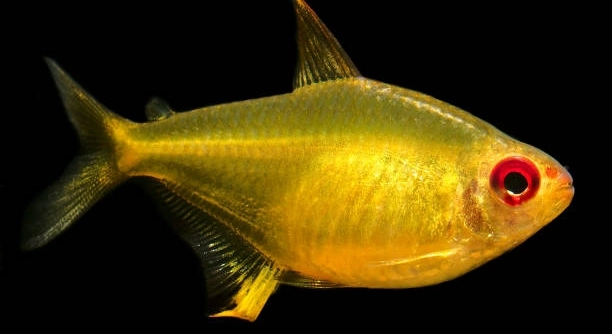
Keeping lemon tetras can be a joyful experience, but cleaning the tank often makes them swim frantically. Their small size and delicate nature mean that even minor disturbances can cause stress, affecting their health and behavior.
Lemon tetras remain calm during cleaning by reducing sudden movements, dimming lights, maintaining consistent water conditions, and using gentle cleaning tools. Gradual adjustments and minimal handling help prevent stress, ensuring their well-being throughout routine maintenance procedures.
Knowing simple ways to reduce stress can make tank cleaning easier and safer for your tetras, supporting a peaceful and healthy aquarium environment.
Dim the Lights Before Cleaning
Dimming the lights before cleaning the tank can help lemon tetras feel less threatened. Bright lighting can make them nervous, especially when sudden movements occur. Lowering the intensity gives the fish a calmer environment and reduces rapid swimming or hiding behaviors. Even small adjustments, like turning off overhead lights or using a soft lamp, can have a noticeable effect. During cleaning, the reduced brightness signals that nothing unusual is happening, so the tetras remain more relaxed. It also allows you to work without startling them, making the process smoother and safer. Maintaining a gentle approach throughout cleaning helps reinforce a sense of stability, so lemon tetras are less prone to stress-related issues. Over time, dimming the lights consistently before cleaning becomes part of the routine the fish recognize, further reducing anxiety.
Dimmed lighting during cleaning reduces stress for lemon tetras, encouraging calmer behavior and safer tank maintenance. Minimal disturbance improves overall fish health.
Reducing light intensity might seem minor, but it has a big impact on your tetras’ comfort. By adjusting the lighting before cleaning, you set the tone for a calm environment.
Use Gentle Water Changes
Performing gentle water changes is key to keeping lemon tetras calm. Sudden, large water replacements can shock them and alter water chemistry. Slow, partial water changes prevent drastic shifts, maintaining stability in temperature and pH levels. Using a siphon carefully allows debris removal without creating strong currents that stress the fish. A soft, steady flow during refills prevents panic and reduces the risk of injury from splashing or turbulence. Observing their behavior during water changes lets you adjust speed and volume to match their comfort level. Maintaining consistent water parameters over time makes lemon tetras more resilient to cleaning procedures and less prone to stress. Gentle handling and awareness of tank conditions ensure that cleaning becomes a manageable task for both the fish and yourself, promoting long-term health and a more peaceful aquarium.
Even small, careful adjustments make a noticeable difference in tetras’ reactions during water changes.
Slow, careful water changes are essential for sensitive fish like lemon tetras. By replacing only a portion of the water, you prevent sudden fluctuations that can upset their balance and cause panic. It’s important to monitor the water’s temperature and chemical levels before adding it to the tank to ensure consistency. Using a gentle siphon avoids strong currents, keeping the fish from darting around in fear. Observing their responses helps fine-tune the process over time. Gradually, the tetras become accustomed to cleaning routines and handle small disturbances with minimal stress. This method also supports the overall health of the aquarium by maintaining stable conditions and reducing the likelihood of diseases or stress-related behaviors.
Provide Hiding Spots
Lemon tetras feel safer with places to hide during cleaning. Plants, rocks, and small decorations allow them to retreat, reducing stress and erratic swimming. A few well-placed shelters can make a noticeable difference.
Hiding spots help tetras stay calm because they provide security. When the tank is being cleaned, the fish can move into plants or behind decorations instead of darting around. Even temporary covers like floating leaves or small caves give them a sense of safety. Over time, they learn these areas are reliable refuges, which reduces anxiety during routine maintenance. Adding different heights and textures also keeps the environment interesting, encouraging natural behavior. By arranging shelters strategically, you support both their comfort and activity levels.
Including hiding spots also benefits tank maintenance. When fish are in secure areas, you can clean the substrate, decorations, and glass more efficiently without chasing or stressing them. Structured hiding places reduce collisions, injury risk, and stress-related behaviors. They also promote healthy schooling habits by allowing tetras to regroup naturally. Even during minor disturbances like feeding or water changes, these spots act as calming anchors. Maintaining an aquarium with thoughtful hiding areas contributes to long-term tranquility and minimizes the effort needed to keep your lemon tetras comfortable during daily tasks.
Maintain Consistent Temperature
Stable water temperature keeps lemon tetras relaxed. Sudden changes can shock them and trigger stress responses, so monitoring heaters and checking readings regularly is important.
Consistency in temperature is crucial because lemon tetras are sensitive to even small fluctuations. Rapid changes can lead to erratic swimming, hiding, or lethargy. Using a reliable heater, thermometer, and occasional manual checks ensures the water stays within the ideal range. Gradual adjustments, if needed, are less stressful than abrupt shifts. Keeping water stable during cleaning prevents panic and maintains normal feeding and social behavior.
Maintaining a consistent temperature supports overall fish health. Fluctuations can weaken immune systems, making tetras prone to disease or stress-induced behaviors. Monitoring daily and keeping a backup heater or thermometer handy provides extra security. A stable environment also encourages natural schooling, reduces hiding, and allows fish to explore confidently. Even small seasonal differences can be managed by adjusting room conditions or insulation. Temperature consistency, combined with other calming strategies like hiding spots and gentle water changes, creates a predictable, safe environment that minimizes stress during maintenance and ensures long-term vitality for lemon tetras.
Avoid Sudden Movements
Quick movements near the tank startle lemon tetras. Keeping your actions slow and steady helps them stay calm and reduces erratic swimming during cleaning.
Approaching the tank gently signals that nothing threatening is happening. Even small gestures, like reaching slowly for equipment or tools, prevent panic and allow the tetras to remain in their usual areas without hiding excessively.
Use a Soft Net
A soft, fine-mesh net is better for lemon tetras. It reduces risk of injury when you need to move or isolate a fish briefly.
Limit Noise Near the Tank
Loud sounds or vibrations can stress tetras. Maintaining a quiet environment during cleaning prevents sudden panic and promotes calm behavior.
FAQ
How often should I clean my lemon tetra tank?
Cleaning frequency depends on tank size, filtration, and fish load. Small tanks with many tetras may need weekly maintenance, while larger, well-filtered tanks can be cleaned every two to three weeks. Regular water checks help determine if extra cleaning is necessary. Monitoring water parameters like ammonia, nitrite, and nitrate levels ensures the tank stays safe for the tetras. Partial water changes during routine checks maintain stability without stressing the fish.
Can I use a heater during cleaning?
Yes, keeping the heater on is important if water temperature drops during cleaning. Lemon tetras are sensitive to sudden temperature changes. Temporary adjustments, like adding small amounts of slightly warmer water slowly, prevent stress. Avoid turning off the heater for long periods, and ensure temperature remains consistent to keep their behavior normal.
Is it safe to move the fish to another tank?
Moving tetras to a separate tank is safe if water parameters match the main tank. Sudden changes in pH or temperature can stress them, so gradual acclimation is important. A quarantine container with proper aeration and stable water ensures they remain calm during cleaning. Keep handling minimal, using a soft net to reduce injury risk.
Should I remove decorations and plants for cleaning?
Removing decorations and plants is okay if done carefully. Rinse them gently in tank water to avoid killing beneficial bacteria. Avoid harsh soaps or chemicals. If decorations are delicate, cleaning in place with a soft brush may be better. Live plants should be disturbed minimally to prevent stress and damage to the fish environment.
How can I calm tetras if they panic during cleaning?
Reducing lights and noise, providing hiding spots, and moving slowly helps calm them. Avoid chasing or sudden movements, and allow fish to settle before continuing. Using gentle water changes and minimizing current in the tank also reduces stress. Observing their reactions helps adjust cleaning techniques to their comfort.
Can lemon tetras handle partial water changes alone?
Partial water changes are safe if done slowly and carefully. Replacing 20-30% of the water at a time prevents sudden changes in chemistry. Using a siphon reduces disturbance, and gradual refill helps tetras adjust. Frequent, small changes are better than large, rapid replacements.
Do I need to clean the filter during tank maintenance?
Filter cleaning is necessary but should be done gently. Rinse media in tank water instead of tap water to preserve beneficial bacteria. Avoid over-cleaning, which can disrupt the biological balance. Cleaning frequency depends on debris accumulation, usually once a month or as needed, while maintaining water stability for the fish.
Is it necessary to feed tetras before cleaning?
Feeding before cleaning is optional, but avoid overfeeding. Excess food can increase waste and complicate maintenance. If feeding, allow a short time for digestion, then remove uneaten food to prevent water quality issues. Proper feeding supports health without adding stress during cleaning.
Can I use aquarium salt to calm them?
Aquarium salt can help with minor stress but should be used cautiously. Small amounts may calm tetras temporarily, but overdosing can harm them. Follow recommended doses and monitor their response. Salt is not a substitute for gentle handling, proper water changes, and a stable environment.
How do I know if tetras are stressed after cleaning?
Signs include rapid swimming, hiding, clamped fins, or loss of appetite. Observing behavior immediately and in the hours after cleaning helps identify stress. Gradually reducing disturbances, maintaining temperature, and ensuring hiding spots can help them recover quickly. Regular monitoring ensures long-term comfort and health.
Can I clean multiple tanks at once without stressing tetras?
Yes, but each tank should be approached individually. Avoid loud noises and sudden movements, and clean one tank at a time if possible. Gradual, calm handling ensures tetras remain comfortable. Maintaining consistent routines across tanks helps fish recognize safe conditions during maintenance.
Are temporary covers helpful during cleaning?
Yes, using temporary covers or floating plants provides additional hiding spaces. They reduce panic and give tetras a sense of safety. Covers should not restrict water flow or oxygen levels. This method is especially helpful for smaller or more sensitive groups of fish during intensive maintenance.
How do I handle accidental spills or splashes?
Minimize panic by working slowly and avoiding sudden reactions. Quickly clean spills outside the tank and avoid splashing near the fish. Keeping the cleaning area organized and prepared helps prevent accidents that could stress tetras. Safety for both fish and yourself is important.
Can tetras be stressed by frequent cleaning?
Yes, frequent or overly aggressive cleaning can stress them. Maintaining a calm approach, consistent schedule, and minimal disturbance is key. Over-cleaning may disrupt biological balance, affecting water quality and fish health. Gradual, gentle maintenance promotes a stable, stress-free environment.
What is the best time of day for cleaning?
Early morning or late afternoon is ideal when tetras are less active. Avoid peak feeding times or periods of high activity. Consistent timing helps tetras anticipate minimal disturbance and stay calm. Choosing a quiet time reduces stress for both the fish and the person cleaning.
Keeping lemon tetras calm during tank cleaning is not difficult once you understand their needs. Small, consistent steps make a big difference in their comfort. Things like reducing light, moving slowly, and providing hiding spots all signal safety to the fish. Even minor adjustments, such as softening the water flow during siphoning or gently rinsing decorations, can prevent panic and erratic swimming. Over time, these small efforts create a predictable and secure environment where the tetras feel safe, even when maintenance is taking place. A calm fish is healthier and more likely to display natural behavior, such as schooling and exploring, which improves the overall harmony of the aquarium.
Maintaining stable water conditions is also essential. Lemon tetras are sensitive to sudden changes in temperature, pH, and chemical balance. Partial water changes, done gradually, allow you to remove waste and debris without shocking the fish. Using tools carefully, such as soft nets and siphons, minimizes stress and potential injury. Keeping the heater and filtration running properly during cleaning ensures the tank remains stable. Paying attention to these details might seem tedious at first, but it prevents stress-related issues and supports long-term health. In addition, providing places for the fish to hide, like plants or small decorations, helps them cope with temporary disturbances, allowing them to feel secure until the cleaning is complete.
Regular and gentle cleaning also helps you monitor the tank for problems before they become serious. Observing the tetras during maintenance gives insight into their behavior, appetite, and overall well-being. Stress signs, such as clamped fins or rapid swimming, are easier to notice when the fish are calm and the environment is controlled. Creating a routine that includes dimming lights, minimizing noise, maintaining water stability, and offering hiding spots ensures that tank care is both efficient and safe. By following these steps consistently, lemon tetras can remain calm and healthy, making aquarium maintenance a more manageable and enjoyable task for anyone who cares for them.

Hello,
If you enjoy the content that we create, please consider saying a "Thank You!" by leaving a tip.
Every little bit helps us continue crafting quality advice that supports the health, happiness, and well-being of pets around the world, for pets of all shapes, sizes, and species.
We really appreciate the kindness and support that you show us!