
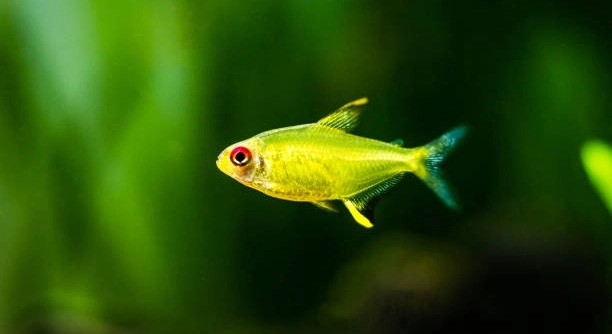
Are your lemon tetra swimming together in a way that catches your attention? Observing their interactions can reveal a lot about their social bonds. Recognizing these behaviors early helps maintain a harmonious and healthy aquarium environment for them.
Lemon tetras exhibit specific behaviors when bonding, including synchronized swimming, gentle nudging, mirrored movements, shared feeding areas, coordinated hiding, frequent proximity, and responsive interactions. These actions indicate social comfort and a stable relationship, which are essential for their well-being and stress reduction.
Knowing these signs allows you to monitor your fish more effectively and ensure they are thriving in their aquatic home. Paying attention strengthens both observation skills and aquarium management.
Synchronized Swimming
Watching your lemon tetra glide side by side can be fascinating. They often move in harmony, matching speed and direction almost perfectly. This behavior is not random; it reflects comfort and trust between the fish. When they swim together, it reduces stress and signals a strong bond. Pairing up in this way also helps them feel secure in the tank, especially when there are new additions or environmental changes. Over time, you may notice that these synchronized swimmers avoid aggressive interactions and prefer each other’s company over others. The consistency in their movements demonstrates a level of coordination that goes beyond mere coincidence. It is a subtle, yet clear, indicator that your tetras are forming stable social connections. Observing this regularly will give you confidence that they are healthy, happy, and socially engaged.
Their coordination can be a simple daily indicator of comfort and stability.
This synchronized behavior often extends to feeding time. When one tetra moves toward food, the other follows almost immediately, reinforcing the bond and encouraging cooperative behavior. They tend to stay close even during rest periods, keeping proximity without any tension. This habit strengthens their social structure and creates a calm tank environment, reducing stress-related behaviors like darting or hiding excessively. Recognizing these patterns helps you support their natural instincts and maintain a balanced ecosystem.
Gentle Nudging
Gentle nudging between lemon tetras is a subtle but important sign.
These nudges are a form of communication. When one tetra lightly touches another with its nose or body, it signals attention, reassurance, or shared curiosity. Nudging often occurs during exploration, feeding, or navigating the tank together. Over time, consistent nudging between the same individuals indicates a stable and trusting bond. Unlike aggressive pushes, these movements are soft and measured, showing comfort rather than dominance. They rarely lead to chasing or conflict, suggesting that the fish recognize each other as companions. Observing this behavior helps you understand which tetras are closely connected and which may prefer solitude. Maintaining a peaceful environment with sufficient space and hiding spots encourages more nudging, as fish feel safe expressing these interactions. This simple gesture, though easy to miss, is a vital clue in understanding their social dynamics and overall happiness.
Mirrored Movements
Mirrored movements happen when two lemon tetras copy each other’s motions exactly. This behavior shows strong social awareness and comfort. It is often seen during swimming, feeding, or exploring the tank together, highlighting their close bond.
These mirrored actions are more than coincidence. When one tetra turns, accelerates, or pauses, the other replicates the movement almost instantly. This synchronization reduces stress because both fish feel coordinated and in control of their environment. It also reinforces trust, as each fish learns to anticipate the other’s actions. Over time, mirrored movements can strengthen their social structure, helping them maintain a calm and balanced tank presence.
This behavior also affects interactions with other fish. Tetras that mirror each other tend to avoid conflicts, stay closer together, and create a stable dynamic within the group. Observing these patterns regularly provides insight into the health of their social bonds and overall well-being.
Shared Feeding Areas
Lemon tetras often choose the same areas when feeding, showing a preference for proximity. This behavior indicates comfort and trust between bonded fish.
When tetras share feeding spots, they display cooperative and non-aggressive behavior. They allow each other access to food without chasing or dominating, which is a sign of strong social bonds. Sharing feeding areas also encourages calmness and reduces competition-related stress. Over time, these patterns become predictable, helping you identify which fish have formed closer connections.
This behavior reflects more than just convenience. By consistently eating in the same area, the tetras reinforce their bond and social hierarchy. It also improves their overall tank harmony, as conflicts are minimized. Monitoring shared feeding habits provides a practical way to assess their relationships and ensure the environment supports positive interactions.
Coordinated Hiding
Lemon tetras often hide together behind plants or decorations. This coordinated behavior shows trust and a sense of security. When one fish seeks cover, the other usually follows, signaling a close bond and mutual comfort in the tank environment.
Hiding together also helps reduce stress. By sticking close, the tetras feel safer from perceived threats and sudden changes. It reinforces their connection and promotes a calm, balanced tank dynamic.
Frequent Proximity
Bonded lemon tetras spend most of their time near each other, swimming or resting closely. This consistent closeness highlights social comfort and mutual trust.
Staying in proximity also allows for synchronized behavior, nudging, and mirrored movements. Fish that are often close together are less likely to display aggression or stress-related behaviors. Maintaining an environment with enough space, plants, and visual barriers encourages this natural closeness and reinforces positive interactions.
Responsive Interactions
Responsive interactions occur when one tetra reacts immediately to another’s movements or signals. This behavior reflects attentiveness and strong social connection.
FAQ
How can I tell if my lemon tetras are really bonding?
Bonding in lemon tetras is shown through consistent behaviors like swimming together, mirroring movements, gentle nudging, shared feeding, and coordinated hiding. Fish that spend time close to each other without signs of aggression are usually forming a stable social connection. Observing these patterns daily provides clear insight into their relationships.
Why do my tetras follow each other so closely?
Following each other closely is a natural sign of trust and comfort. It helps reduce stress, ensures safety, and reinforces their bond. Fish that avoid separation generally have strong social connections and feel secure navigating the tank together.
Is synchronized swimming important for their health?
Yes, synchronized swimming is more than aesthetic behavior. It encourages coordination, reduces stress, and signals a well-adjusted social hierarchy. Fish that swim in harmony are likely to experience lower stress levels, fewer conflicts, and a calmer overall environment.
What does gentle nudging mean in lemon tetras?
Gentle nudging is a soft, intentional touch used for communication. It can indicate attention, reassurance, or curiosity. Unlike aggressive pushes, these nudges strengthen bonds and show that the fish recognize each other as companions rather than competitors.
Do they need specific tank setups to bond?
A well-planned tank supports bonding. Providing plants, hiding spots, and open swimming areas allows tetras to interact naturally. Adequate space reduces stress and prevents conflicts, encouraging consistent social behaviors like proximity, mirrored movements, and coordinated hiding.
How does shared feeding affect bonding?
Sharing feeding areas reinforces trust and cooperation. Bonded tetras eat together without chasing, which strengthens their relationship. Predictable patterns during feeding reduce stress, help establish hierarchy, and support a stable, calm tank environment.
Can bonded tetras become aggressive?
Even bonded tetras may display brief aggression during competition for food or territory, but true bonds minimize prolonged conflicts. Fish that consistently return to each other and display coordinated behaviors demonstrate strong social connections despite occasional minor disputes.
How long does it take for tetras to bond?
Bonding varies by individual fish and tank conditions. Some pairs form connections within weeks, while others take months. Stable environments, consistent routines, and minimal stressors accelerate bonding and reinforce long-term relationships.
What role does tank population play in bonding?
Tank population affects social dynamics. Overcrowding increases stress and aggression, while too few fish may limit social interaction. Maintaining a balanced number of tetras allows bonds to form naturally and ensures healthier, more stable group behavior.
Are there signs of weak or broken bonds?
Signs of weak bonds include avoidance, aggression, and isolation. Fish that no longer swim together, hide separately, or ignore each other may be stressed or experiencing disrupted social connections. Monitoring behaviors helps address environmental or health issues before problems escalate.
Can environmental changes disrupt bonding?
Yes, changes like water quality fluctuations, new tankmates, or sudden rearrangements can stress tetras and temporarily disrupt bonds. Gradual changes and maintaining stable conditions help preserve social connections and reduce anxiety.
Do bonded tetras always stay together?
Bonded tetras usually stay close but may occasionally separate for exploration or feeding. Temporary separation is normal, but consistent proximity and coordinated behaviors indicate the bond remains intact. Observing these patterns over time confirms social stability.
How can I encourage bonding if my tetras seem distant?
Encouraging bonding involves creating a calm, spacious environment with hiding spots and open swimming areas. Regular, predictable feeding routines and minimizing stressors help tetras interact naturally and reinforce connections. Patience is key, as bonds develop gradually.
Do bonded tetras show different behaviors than others in the tank?
Yes, bonded tetras display more coordinated movements, closer proximity, gentle nudging, and shared feeding patterns. They tend to be calmer, less aggressive, and more predictable in their interactions, which indicates stronger social bonds compared to less-connected individuals.
How do I know if bonding is affecting their overall health?
Positive bonding reduces stress, which improves appetite, swimming activity, and immune response. Fish that are well-bonded are less likely to display erratic behavior or hide excessively. Observing interactions alongside health indicators confirms that social bonds contribute to overall well-being.
Can bonding influence breeding behavior?
Strong bonds can support breeding readiness. Coordinated swimming, close proximity, and gentle interactions indicate trust, which helps pairs feel secure enough to spawn. While not the only factor, social bonds are an important component of a healthy reproductive environment.
What should I do if one tetra is rejected by the others?
If a tetra is consistently avoided, it may be stressed, sick, or lower in social hierarchy. Checking water quality, tank conditions, and health status is important. Providing extra hiding spots or a separate area can reduce stress and allow natural social recovery.
Do bonded tetras ever change partners?
Bonded tetras can shift partnerships if social dynamics change or new fish are introduced. However, stable environments encourage long-lasting connections. Monitoring interactions ensures that any changes in bonding do not lead to prolonged stress or conflict.
How important is observation in maintaining healthy bonds?
Observation is key to understanding and supporting bonds. Noticing swimming patterns, nudging, and proximity helps detect early signs of stress, aggression, or broken connections. Timely adjustments to environment, diet, or tank layout promote long-term social stability.
Can tetras bond across species?
Tetras may interact with other peaceful species, but strong bonding is typically seen within their own group. Cross-species interactions usually lack the same synchronized behaviors, proximity, or nudging, though they can coexist peacefully in a shared environment.
Are there tools to track bonding behaviors?
Simple observation logs, videos, or notes on interactions help track bonding over time. Recording behaviors like mirrored swimming, shared feeding, and coordinated hiding provides insight into social patterns and overall tank health.
How does stress affect bonding?
Stress weakens social bonds and increases aggression, hiding, or erratic movements. Maintaining stable water conditions, balanced feeding, and a calm environment supports bonding and reduces negative behaviors.
Can bonding predict long-term compatibility?
Yes, observing early behaviors like mirrored movements, nudging, and proximity helps predict which tetras will remain compatible. Strong initial bonds usually indicate lasting social harmony and reduced conflict.
Do bonded tetras require more space?
Providing ample swimming areas and hiding spots supports bonded pairs, allowing them to express natural behaviors comfortably. Space reduces stress and prevents conflicts, ensuring that social bonds remain strong and interactions stay positive.
Is it normal for tetras to bond with more than one partner?
Yes, tetras can form bonds with multiple tankmates. They often display coordinated swimming and nudging with several fish, creating a network of social connections that contributes to overall group stability.
Can diet influence bonding?
A consistent and balanced diet encourages calm, cooperative behavior. Hungry or malnourished fish may become aggressive or distracted, weakening bonds. Feeding routines and appropriate nutrition support healthy interactions and social stability.
How do water conditions affect bonding?
Stable temperature, pH, and cleanliness are critical. Fluctuations or poor water quality increase stress, reduce social interaction, and can temporarily disrupt bonds. Maintaining ideal conditions promotes trust, coordinated behavior, and healthy connections.
What are the most reliable signs of a strong bond?
Strong bonds are shown by synchronized swimming, mirrored movements, gentle nudging, shared feeding, coordinated hiding, frequent proximity, and responsive interactions. Consistency and calmness in these behaviors indicate a healthy social connection.
Can bonding be restored if broken?
Yes, bonds can often recover with stable environments, proper nutrition, and minimizing stressors. Gradual reintroduction or providing space for natural interaction encourages fish to rebuild trust and coordination over time.
Are there signs of bonding that I might miss?
Subtle behaviors like slight nudges, following each other closely, or minor mirrored movements can easily go unnoticed. Regular, attentive observation ensures these signs are recognized and the social health of the tank is maintained.
How long should I observe to understand bonding patterns?
Consistent observation over weeks is ideal. Daily monitoring at feeding, rest, and swimming times provides a clear picture of social dynamics, helping identify which tetras are bonded and which may need intervention.
Does bonding reduce stress overall?
Yes, bonded tetras exhibit calmer behavior, reduced aggression, and more predictable interactions. Stress reduction leads to better health, increased appetite, and a more stable tank environment, benefiting all inhabitants.
Can tank layout disrupt bonding?
Improper layout with too few hiding spots or limited open swimming areas can interfere with natural behaviors. Providing plants, decorations, and sufficient space allows fish to interact comfortably, preserving established bonds and promoting positive social behavior.
Do juvenile tetras bond differently than adults?
Juveniles often take longer to establish strong bonds. They may swim together or interact sporadically until they mature. Adult tetras display more consistent behaviors, making bonding patterns easier to identify and support.
How does light affect bonding behavior?
Moderate, consistent lighting encourages normal swimming and interaction. Sudden changes or overly bright light can stress tetras, reducing coordinated behaviors and temporary weakening bonds. Maintaining stable lighting conditions supports regular social interactions.
Is bonding always visible?
Some aspects, like minor nudges or short mirrored movements, may not be obvious without close observation. While visible patterns provide clues, subtle interactions also contribute significantly to the strength of social connections.
Can bonding affect tank hierarchy?
Yes, bonded fish establish predictable roles within the group. These hierarchies reduce conflicts and help maintain a balanced social environment. Bonds influence who leads, follows, and coordinates movements, contributing to overall harmony.
Does bonding influence lifespan?
Positive social interactions reduce stress, which in turn supports overall health. While not the only factor, strong bonds can contribute to a longer, healthier life by minimizing aggressive encounters and promoting calm, predictable behavior.
How do I balance multiple bonded pairs in one tank?
Providing sufficient space, hiding spots, and open swimming areas allows multiple bonded pairs to coexist without conflict. Observing interactions ensures that each pair maintains its connection while minimizing stress and aggression across the group.
Are there seasonal effects on bonding?
Changes in temperature or light can influence activity levels and interaction frequency. Stable environmental conditions help maintain established bonds, while fluctuations may temporarily alter social behaviors.
Can stress from other species affect bonding?
Yes, aggressive or overly active tankmates can disrupt bonded pairs. Ensuring peaceful cohabitants and avoiding overcrowding helps preserve social connections and reduces stress-induced behavioral changes.
Do bonded tetras respond to each other’s signals more than others’?
Yes, bonded fish react more quickly to movements, nudges, and feeding cues from partners. This responsiveness reinforces trust, coordination, and overall social stability.
How important is consistency in feeding and tank care for bonding?
Regular feeding and maintenance reduce stress and allow natural behaviors to occur. Predictable routines support coordinated movements, shared feeding, and overall bond reinforcement.
Can bonding behavior predict compatibility with new tankmates?
Yes, observing established bonds helps anticipate how fish will interact with newcomers. Strongly bonded pairs may tolerate new arrivals better if proper introductions and space are provided, while weakly bonded fish may struggle with social adjustment.
Is it normal for bonded tetras to separate temporarily?
Yes, temporary separation is natural during exploration or feeding. Bonds are considered intact if they regularly return to each other and maintain synchronized behaviors.
Do bonded tetras show less aggression overall?
Generally, yes. Strongly bonded tetras are calmer and less likely to engage in aggressive behavior. Their interactions focus on coordination, nudging, and proximity rather than conflict.
How can I use bonding behavior to monitor tank health?
Observing interactions provides indirect insight into water quality, stress levels, and overall tank harmony. Disruptions in bonding may indicate environmental or health issues requiring attention.
What subtle signs indicate growing bonds?
Gradually increasing proximity, more synchronized movements, and gentle nudging are early indicators. These behaviors develop slowly but consistently, signaling strengthening connections.
Can bonding behaviors differ between males and females?
Yes, subtle differences may exist. Males might be more active in mirroring or following, while females often engage in gentle nudging or coordinated feeding. Observing patterns helps identify pair dynamics accurately.
How can I maintain bonding as fish age?
Stable environment, consistent routines, proper nutrition, and sufficient space help preserve bonds. Aging tetras may reduce activity, but maintaining calm conditions encourages continued social interactions.
Do bonded tetras sleep together?
Yes, they often rest near each other, maintaining proximity even during low activity periods. This behavior reinforces social connections and contributes to overall comfort and security.
Can bonding behaviors change over time?
Yes, relationships evolve with age, health, or environmental changes. Monitoring shifts ensures that connections remain strong and allows adjustments to support social stability.
Are bonded tetras easier to manage in a tank?
Generally, yes. Strong bonds reduce aggression, stress, and erratic behavior, making the aquarium environment calmer and easier to maintain overall.
What is the most important thing to watch for in bonded tetras?
Consistency in proximity, synchronized swimming, gentle nudging, shared feeding, and coordinated hiding. Regular observation ensures bonds are healthy and the tank remains balanced.
How does tank size affect bonding behaviors?
Sufficient space allows bonded tetras to interact naturally without stress. Overcrowding disrupts coordination, proximity, and gentle interactions, potentially weakening established bonds.
Can bonded tetras bond with newly introduced tetras?
Yes, but it takes time. Gradual introductions, ample space, and calm conditions help new fish integrate and form bonds with existing pairs or groups.
Are there behavioral patterns that signal strong leadership within bonded pairs?
Yes, one tetra may consistently lead movements, explore first, or initiate feeding. The other follows, mirroring actions and reinforcing coordination, which maintains stability within the pair.
How do I know if bonding is positively affecting the entire tank?
A calm, predictable environment with minimal aggression, regular feeding, and visible coordinated behaviors indicates healthy bonds. Strong social connections contribute to overall tank harmony.
Does temperature influence bonding behaviors?
Moderate, stable temperatures promote active swimming, feeding, and social interaction. Extreme fluctuations can cause stress, disrupt synchronized behaviors, and weaken bonds temporarily.
Can observing bonding help detect health issues early?
Yes, sudden changes in proximity, swimming patterns, or nudging may indicate illness or stress. Early detection allows timely intervention, protecting both social bonds and overall health.
Do bonded tetras prefer certain tank zones?
Often, bonded pairs choose specific swimming areas or hiding spots together. Consistency in location reflects comfort, safety, and mutual trust.
Are there differences in bonding between small and large groups?
Yes, in larger groups, bonds may form among subgroups rather than across the entire population. Observing pair or subgroup interactions helps understand social dynamics effectively.
Can feeding frequency impact bonding?
Regular feeding supports calm, cooperative behavior. Irregular schedules may increase competition, reduce trust, and temporarily weaken established bonds.
What role does water flow play in bonding behaviors?
Moderate, consistent water flow supports normal swimming and social interaction. Excessive currents can separate bonded fish, reducing synchronized movements and stress-free interactions.
Do bonded tetras always stay close while resting?
Typically, yes. Proximity during rest reflects ongoing trust and comfort, reinforcing bonds even during periods of low activity.
How can I record bonding behaviors effectively?
Short observation sessions, notes, or video recordings at different times of day help track swimming, nudging, proximity, and feeding patterns to monitor social health consistently.
Can bonded tetras influence the behavior of other tankmates?
Yes, their calm, coordinated behavior can reduce stress and aggression among other peaceful species, promoting overall tank stability.
Are there seasonal behaviors that affect bonding?
Slight variations in activity due to light or temperature changes may occur, but stable environmental conditions help maintain strong bonds throughout seasonal shifts.
Does tank decoration affect bonding?
Yes, plants, rocks, and hiding spots allow natural coordinated movements, nudging, and shared hiding, supporting strong social connections.
How do I know if my interventions are helping bonding?
Positive changes include more synchronized swimming, increased proximity, gentle nudging, and shared feeding patterns. Regular monitoring confirms improvements.
Can bonded tetras recognize each other after separation?
Yes, they often resume previous coordinated behaviors quickly, reflecting memory and recognition of social partners.
Do bonded tetras show cooperative behavior outside of swimming?
Yes, coordination extends to feeding, hiding, and exploring. They often respond to each other’s cues and maintain proximity across various activities.
Are some tetras naturally more social than others?
Yes, personality differences exist. Some individuals are more prone to forming bonds, while others may remain solitary or selective in social interactions.
Can bonding reduce territorial disputes?
Strong bonds minimize conflict within pairs or small groups, reducing chasing, aggression, and stress-related behaviors.
Do bonded tetras ever groom each other?
While they do not groom in the traditional sense, gentle nudging and close proximity serve similar purposes, reinforcing trust and comfort.
How does light cycle consistency affect bonding?
Stable day-night cycles promote normal activity, feeding, and social interaction. Disruptions may temporarily reduce synchronized movements and coordinated behaviors.
Can bonded tetras tolerate tank cleaning better?
Yes, calm interactions and trust allow them to remain close without panic, reducing stress during routine maintenance.
Do bonded tetras influence each other’s feeding speed?
Yes, fish often match each other’s pace. Fast or slow feeders adjust to their partner, maintaining coordination and shared access to food.
Are there long-term benefits of bonding for tank health?
Yes, strong social connections reduce stress, aggression, and erratic behaviors, contributing to a stable, balanced, and healthy tank ecosystem.
Can stress from sudden noises affect bonded pairs?
Yes, loud or abrupt disturbances may temporarily separate fish or reduce coordinated behaviors. Calm, predictable conditions help maintain bonds.
How do bonded tetras react to new tank decorations?
They may explore together cautiously, often mirroring each other’s movements. Gradual introduction supports continued trust and coordinated behavior.
Do bonded tetras exhibit predictable resting spots?
Yes, bonded fish often choose the same resting areas, reinforcing proximity and social comfort during periods of low activity.
Can observing bonds help with breeding success?
Yes, strong social connections create a secure environment, improving readiness and coordination for breeding activities.
Do bonded tetras respond to each other’s stress signals?
Yes, they may adjust swimming, nudging, or proximity to reassure a stressed partner, demonstrating empathy-like behavior and reinforcing trust.
How can I encourage new bonds in a mixed group?
Provide space, hiding spots, and calm conditions. Gradually introducing fish and allowing natural interactions fosters trust and coordinated behavior over time.
Are there behaviors that indicate weakening bonds?
Avoidance, increased aggression, separation during
Observing lemon tetras closely reveals just how social and connected they can be. Their behaviors, from synchronized swimming to gentle nudging, give clear signs of bonding. Paying attention to these patterns allows you to understand their relationships and provides insight into their overall well-being. Fish that bond well tend to be calmer, more confident, and less prone to stress, which is vital for maintaining a healthy aquarium. Over time, recognizing these cues becomes easier, and you begin to notice subtle interactions that indicate trust, comfort, and social stability among your tetras.
Bonding also plays a practical role in aquarium management. When tetras are bonded, they are less likely to fight, chase, or display erratic behavior, creating a more predictable and peaceful environment. This calmness benefits all tank inhabitants, reducing stress and the risk of injury. It also allows you to maintain water quality and feeding routines more effectively, as fish behavior becomes easier to anticipate. Providing a suitable environment, with ample swimming space, plants, and hiding areas, encourages natural interactions. Observing feeding habits, proximity, mirrored movements, and coordinated hiding gives clear clues about social bonds and allows you to adjust the tank setup as needed.
Strong bonds between lemon tetras are not only indicators of comfort and trust but also contribute to their overall health and happiness. Fish that interact positively are more likely to explore their surroundings, feed consistently, and respond well to changes without excessive stress. Even small gestures, like following each other or sharing feeding spots, can reinforce these connections and improve the overall dynamic in the aquarium. Maintaining a stable, well-cared-for environment helps sustain these bonds over time. Understanding and supporting your tetras’ social interactions ensures that they thrive in their aquatic home while providing you with a more peaceful and balanced tank to enjoy.

Hello,
If you enjoy the content that we create, please consider saying a "Thank You!" by leaving a tip.
Every little bit helps us continue crafting quality advice that supports the health, happiness, and well-being of pets around the world, for pets of all shapes, sizes, and species.
We really appreciate the kindness and support that you show us!