
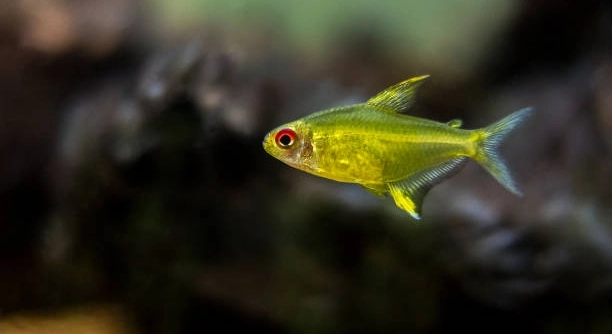
Have you ever noticed how your lemon tetras swim differently when the water in their tank changes? These small fish are lively and bright, and they react quickly to shifts in their environment without much delay.
Lemon tetras can sense changes in water quality very rapidly. Their sensory systems detect alterations in pH, temperature, and chemical composition, allowing them to respond almost immediately to potentially harmful conditions, which is crucial for their survival and overall health.
Observing these subtle reactions can help you maintain a safer, healthier aquarium for your fish over time.
How Lemon Tetras Detect Water Changes
Lemon tetras are small but very sensitive to their environment. Their bodies can pick up tiny differences in temperature, pH, and chemical levels. When something changes, even slightly, their swimming patterns can shift. They may dart around, pause, or hover near certain areas. These behaviors are subtle, but consistent observation makes them noticeable. Maintaining stable water conditions is important because these fish can become stressed if changes happen too quickly. Stress can affect their health, appetite, and coloration. Tank plants and decorations can also influence their comfort, giving them places to explore or hide. Even small shifts in water hardness or chlorine levels can trigger reactions. Testing your water regularly helps you notice changes before your fish do. A stable environment ensures they swim normally and stay healthy. Watching them closely provides early warning signs that water quality needs attention. Lemon tetras’ responses are a natural alert system you can rely on.
Their fast reactions make it easier to correct problems before they worsen.
Being aware of how sensitive lemon tetras are allows you to act promptly. Small adjustments, like changing water gradually or checking filter efficiency, can prevent stress. Observing their behavior gives insight into tank balance. Over time, patterns in swimming, feeding, and grouping show if conditions remain consistent. If fish cluster unusually or seem lethargic, it’s often a sign something in the water has shifted. Using gentle, steady measures to maintain water quality is better than sudden large changes. Their keen senses highlight the importance of consistent maintenance and careful observation. Learning these small cues helps create a safer environment. It also builds a routine for testing water, monitoring temperature, and checking chemical levels. By responding to their signals, you support their health and keep the tank balanced. Lemon tetras demonstrate how even tiny creatures can be remarkably aware of their surroundings.
Common Water Factors Affecting Lemon Tetras
Water temperature and pH are key elements to watch closely.
Sharp changes in temperature can stress lemon tetras and affect feeding and behavior. They thrive in stable, slightly acidic to neutral water. Hardness, ammonia, nitrites, and nitrates are other important factors. Even low levels of ammonia or nitrite can disturb their swimming patterns. Regular testing helps detect issues early. Adjusting water gently with conditioned water and monitoring filtration keeps levels safe. Overcrowding or overfeeding also impacts water quality, raising harmful chemicals quickly. Providing a proper balance of fish, plants, and filtration supports stable conditions. Observing fish reactions along with testing gives a clearer picture of tank health. Consistent maintenance routines prevent sudden problems. Maintaining clean water ensures lemon tetras remain active, colorful, and healthy.
Signs Lemon Tetras React to Water Quality
Lemon tetras often show subtle behavior changes when water conditions shift. They may swim erratically, hover near the surface, or hide more than usual. These behaviors indicate stress or discomfort and are early signs that water quality needs attention.
Watching their swimming patterns closely can reveal much about their environment. Rapid movements, sudden pauses, or staying near filter outlets often signal changes in oxygen levels or temperature. Changes in coloration, such as fading brightness, can also point to pH or chemical imbalances. Feeding behavior may slow, or fish might refuse food entirely. Noticing these signs early allows timely interventions. Regular observation combined with water testing ensures minor issues don’t escalate into serious health problems. Lemon tetras communicate their environment’s condition through small, observable cues that are easy to miss without attention.
Behavioral responses vary among individual fish but usually follow predictable patterns. Some tetras may dart back and forth while others remain still. Stressful conditions like high ammonia or nitrite levels can trigger rapid gill movement or clamped fins. Observing groups together helps distinguish between natural activity and stress-related behaviors. Tank setup, including plants, hiding spots, and water flow, also influences responses. These signs provide practical information for adjusting care routines. By connecting behavior with water quality, maintaining a stable tank becomes easier, and fish remain healthier for longer periods.
Maintaining Stable Water Conditions
Regular water changes help prevent sudden chemical spikes and maintain clarity in the tank. Consistency is key for lemon tetras’ health.
Testing water weekly for pH, ammonia, nitrites, and nitrates ensures that any issues are caught early. Temperature should remain steady, avoiding sudden drops or rises that can stress fish. Using a reliable heater and thermometer helps maintain proper warmth. Filter maintenance is essential for removing debris and balancing chemical levels. Introducing new water gradually prevents shock. Avoid overfeeding, as leftover food increases waste and ammonia buildup. Observing plants and tank inhabitants helps spot subtle changes in tank dynamics. Combining observation, testing, and consistent care supports healthy fish and prevents unexpected water quality issues.
Maintaining balance also involves monitoring tank population and decoration placement. Overcrowded tanks increase waste, which raises harmful chemicals quickly. Proper spacing allows water to circulate effectively, ensuring oxygen reaches all areas. Plants not only provide shelter but also help absorb some toxins. Cleaning gravel and surfaces during water changes reduces buildup of organic matter. Using water conditioners and monitoring tap water quality prevents introducing chlorine or other harmful substances. Attention to all these factors creates a stable environment where lemon tetras can swim freely and thrive. Regular routines and careful adjustments make long-term tank health manageable and predictable.
Quick Water Testing Methods
Simple test kits make monitoring pH, ammonia, nitrites, and nitrates easy. Using these kits regularly ensures that water conditions remain safe for lemon tetras and prevents sudden health issues.
Observing fish behavior alongside test results gives a clearer picture. Quick checks help identify problems before they become serious, keeping your tank balanced and your tetras comfortable.
Using Observation as a Tool
Watching how lemon tetras move, feed, and interact provides practical insight into water quality. Subtle changes in activity or color often indicate shifts in their environment, allowing early adjustments to prevent stress or illness.
Adjusting Tank Conditions Gradually
Making slow changes in water parameters prevents shocking the fish. Small, steady adjustments help lemon tetras adapt while minimizing stress and behavioral disturbances.
Common Mistakes to Avoid
Ignoring minor changes in water quality can lead to serious problems. Regular observation and maintenance prevent accidents that could harm fish or disrupt the tank ecosystem.
FAQ
How quickly can lemon tetras sense changes in water quality?
Lemon tetras can react almost immediately to shifts in their environment. Changes in pH, temperature, or chemical composition can trigger noticeable behaviors, such as hovering near the surface, darting around, or hiding. Their sensory systems are designed to detect even small variations, which helps them avoid stressful or harmful conditions. Observing their movements gives insight into how well the water is maintained.
What are the most common signs that water quality is changing?
Behavioral changes are usually the first signs. Fish may swim erratically, cluster together, or stay near filtration outlets. Color fading or dullness is another indicator, as well as a sudden decrease in appetite. Clamped fins and rapid gill movements are signs of chemical imbalance. Keeping a close eye on these subtle behaviors allows you to intervene early.
Can lemon tetras survive sudden water changes?
Sudden water changes can be stressful and sometimes harmful. They can tolerate minor shifts if changes are gradual and the water is properly conditioned. Drastic shifts in temperature or pH can lead to stress, illness, or even death. Regular, partial water changes are safer and help maintain stable conditions without shocking the fish.
How often should I test water for lemon tetras?
Testing weekly is generally sufficient, but frequency depends on tank size, population, and filtration. Smaller tanks or heavily stocked tanks may need more frequent checks. Testing pH, ammonia, nitrite, nitrate, and temperature ensures you catch issues early. Observing fish behavior alongside test results provides a fuller picture of water quality.
Do plants help lemon tetras sense or adapt to water changes?
Plants don’t directly enhance their sensing abilities, but they stabilize water conditions by absorbing some waste products and providing oxygen. They create shaded areas and hiding spots that reduce stress. Healthy plants can buffer minor changes, giving lemon tetras time to adjust without being immediately affected by fluctuations.
What should I do if my lemon tetras show stress signs?
First, test the water to identify potential problems. Adjust parameters gradually, such as temperature or pH, and perform partial water changes if needed. Check filtration and remove uneaten food or waste. Provide hiding spots or plants to help them feel secure. Avoid adding new fish or making sudden changes until they recover.
Can observation replace water testing entirely?
Observation is useful but cannot replace testing. Behavioral cues can indicate problems, but tests measure exact chemical levels, which are necessary for precise adjustments. Combining both approaches ensures lemon tetras remain healthy and prevents stress from undetected chemical changes.
Are lemon tetras more sensitive than other small fish?
Lemon tetras are fairly sensitive compared to many other tropical fish. Their small size and active metabolism make them quick to react to shifts in water quality. While other small species may tolerate minor changes, lemon tetras give clearer behavioral warnings, which can help maintain overall tank health.
How can I reduce the risk of sudden water issues?
Regular partial water changes, consistent feeding, and proper filtration reduce the likelihood of sudden water problems. Avoid overcrowding and monitor chemical levels closely. Using a stable heater and checking temperature frequently helps prevent rapid fluctuations. Observing fish daily ensures early detection of stress or discomfort.
What role does diet play in water quality reactions?
Overfeeding increases waste, raising ammonia and nitrite levels. A balanced diet in proper portions reduces excess nutrients and maintains cleaner water. Healthy fish also react better to minor environmental changes, showing fewer signs of stress. Controlling feeding is as important as maintaining water parameters.
Can new lemon tetras affect existing fish’s stress levels?
Introducing new fish can temporarily stress residents, even if water quality is stable. Quarantining new arrivals and acclimating them slowly helps prevent sudden reactions. Lemon tetras are sensitive to crowding, so giving them space reduces tension and allows them to maintain normal behavior in a stable environment.
How do I know if the tank setup is contributing to stress?
Uneven water flow, lack of hiding spots, or improper lighting can make tetras more sensitive to changes. Observing their swimming patterns and grouping behavior can highlight areas causing discomfort. Adjusting decorations, plants, or flow helps create a more stable, comfortable environment.
Is it normal for lemon tetras to react differently in different tanks?
Yes, tank size, stocking levels, filtration, and plant coverage influence their responses. Smaller tanks or less planted environments can make them more reactive to minor changes. Observing behavior in context with tank conditions provides a clearer understanding of their sensitivity.
Can I train myself to notice early signs of stress?
Regular observation makes it easier to identify small changes in movement, color, or appetite. Keeping a routine of watching behavior while testing water levels helps you connect specific signs with particular issues. Over time, spotting early warnings becomes second nature, allowing prompt corrective action.
Do seasonal changes affect lemon tetras’ sensitivity?
Yes, seasonal variations in room temperature or water source can influence tank stability. Small temperature fluctuations may stress them if not buffered. Monitoring and adjusting heating or cooling systems ensures that lemon tetras remain comfortable and reactive to water changes only when necessary, not from external fluctuations.
Are certain water parameters more critical than others?
Ammonia and nitrite are most harmful, even at low levels, while pH and temperature should remain stable within their preferred ranges. Nitrate is less immediately dangerous but should be controlled to prevent long-term stress. Prioritizing these parameters ensures a safer environment for lemon tetras.
Can lemon tetras help indicate long-term tank health?
Yes, consistent behavior patterns reflect a stable, balanced environment. Changes in activity, color, or feeding habits can highlight developing problems before they become severe. Observing these fish provides valuable feedback for long-term tank management, helping maintain a healthy ecosystem.
Lemon tetras are small fish, but they are very sensitive to their environment. They react quickly to changes in water quality, and their behavior can tell a lot about how healthy the tank is. Watching them closely helps notice small problems before they become serious. Even tiny shifts in pH, temperature, or chemical levels can make them swim differently, pause in unusual spots, or hide more than normal. These reactions are natural and important because they help the fish survive in conditions that may not be ideal. By paying attention to their movements and activity, you can understand if the water is stable or if adjustments are needed. Their behavior is a signal system that helps keep the tank environment safe for all inhabitants.
Maintaining good water quality is not just about keeping lemon tetras alive, but also about helping them thrive. Regular water testing for pH, ammonia, nitrites, and nitrates ensures that dangerous levels don’t build up. Partial water changes and proper filtration keep the water clean, while careful feeding prevents leftover food from creating chemical spikes. Plants and decorations also play a role by providing hiding spots and helping absorb some waste. All these factors together create a balanced environment where fish can swim freely and stay healthy. Gradual adjustments to temperature or chemical levels prevent stress, and observing behavior alongside testing gives a full picture of tank health. Lemon tetras are small indicators of the overall condition of the aquarium, and understanding their needs helps maintain a stable and healthy ecosystem.
Paying attention to lemon tetras over time makes caring for them easier and more effective. You begin to notice patterns in swimming, feeding, and social behavior that indicate stability or stress. Quick interventions when problems arise, such as adjusting water conditions or improving filtration, keep the fish comfortable and reduce long-term health risks. Avoiding sudden, large changes and maintaining consistency in cleaning, feeding, and monitoring ensures the fish remain calm and active. While they are tiny, lemon tetras show a remarkable ability to signal the quality of their environment. Learning to recognize their subtle cues makes aquarium care more manageable and rewarding. By combining observation, testing, and steady maintenance, you can support the health and happiness of lemon tetras while keeping the entire tank balanced and thriving. Consistency, patience, and attention to detail create a strong foundation for a healthy aquatic environment that benefits every fish in the tank.

Hello,
If you enjoy the content that we create, please consider saying a "Thank You!" by leaving a tip.
Every little bit helps us continue crafting quality advice that supports the health, happiness, and well-being of pets around the world, for pets of all shapes, sizes, and species.
We really appreciate the kindness and support that you show us!