
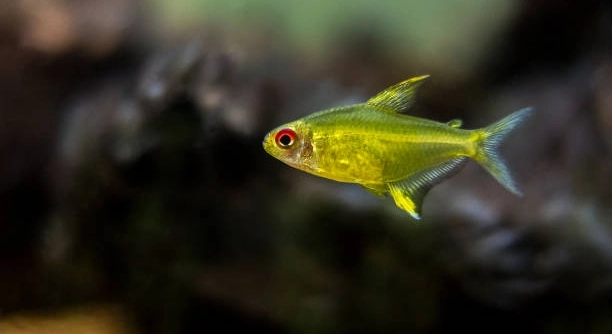
Keeping a Lemon Tetra school peaceful requires more than just adding fish to a tank. Observing their behavior closely can help maintain harmony. Small changes in their environment often make a big difference in their overall mood.
A peaceful Lemon Tetra school is characterized by minimal chasing, consistent swimming patterns, clear signs of social cohesion, and a stable hierarchy. Observing their interactions allows owners to ensure stress-free conditions, promoting both health and longevity in captivity.
Recognizing these signs early helps you maintain a calm and balanced aquarium environment for your fish. This knowledge benefits both you and your Lemon Tetras.
Understanding School Dynamics
Lemon Tetras thrive in small groups, usually six or more. Their social behavior is delicate, and introducing new fish can disrupt balance. Observing how they swim together helps identify potential stress. A calm school swims in coordinated patterns, rarely isolating any individual. Rapid darting or chasing indicates tension, often caused by overcrowding or insufficient hiding spaces. Providing plants, rocks, and open swimming areas ensures each tetra has a secure territory. Temperature and water quality also play a major role. Stable conditions reduce aggression and help fish establish a clear hierarchy naturally. Feeding at consistent times supports predictability and reduces competition. Monitoring daily interactions allows quick action if problems arise. Even subtle changes in lighting or water chemistry can affect behavior. A balanced diet keeps fish healthy, contributing to social stability. Over time, observing patterns builds confidence in recognizing when a school is genuinely peaceful. Patience and attention to detail create a harmonious environment for the entire group.
A stable school reduces stress, improves feeding, and encourages natural behaviors. Lemon Tetras benefit from calm surroundings and consistency.
Maintaining harmony also involves respecting individual temperaments. Some fish may be more timid, others more dominant. Allowing natural roles to form prevents conflicts. Avoid sudden movements around the tank, as this can startle them and trigger chasing. Regular water changes and monitoring ammonia, nitrite, and nitrate levels support health, preventing stress-related behavior. Providing multiple hiding spots minimizes bullying, giving shy tetras a safe retreat. Observing swimming formations can indicate mood and overall cohesion. Even minor disturbances, like changing tank décor abruptly, can unsettle the school. A peaceful school is not just quiet swimming—it reflects balanced nutrition, stable water conditions, and attentive care. Recognizing these factors early ensures a thriving group. Over time, this approach fosters trust in your observation skills and helps maintain a long-term, peaceful environment.
Signs of Low Stress
A peaceful Lemon Tetra school displays calm interactions and minimal aggression. Fish maintain even spacing and coordinated swimming patterns.
Low stress is evident in regular feeding behavior, clear coloration, and absence of fin damage. Fish appear alert but not frantic. Swimming is fluid and synchronized. Schools respond to changes without panic, maintaining cohesion even with environmental adjustments. Tetras explore the tank confidently while occasionally retreating to hiding spots, showing a natural sense of security. Color vibrancy reflects health and contentment, while dull colors may indicate underlying stress. Balanced interactions prevent bullying, ensuring that timid individuals are not constantly chased or cornered. Schools with low stress rarely exhibit erratic swimming or rapid darting. Observing these signs consistently allows owners to confirm a truly peaceful group. Supporting a calm environment with proper tank layout, stable water parameters, and consistent feeding reinforces low-stress conditions. Recognizing these behavioral cues early helps prevent conflicts and supports overall well-being. A thoughtful approach ensures each fish thrives in a balanced, harmonious school.
Cohesive Swimming Patterns
Peaceful Lemon Tetras move in coordinated groups, keeping consistent spacing. They rarely chase or nip at each other and maintain fluid, synchronized swimming throughout the tank.
Coordinated swimming is a key indicator of social harmony. Each fish mirrors the movements of its peers, creating a balanced and visually calming effect. Disruptions in patterns, such as sudden scattering or isolated darting, often signal stress or aggression. A harmonious school spreads evenly across the tank, with no single fish dominating space or resources. Observing these patterns daily helps identify subtle changes in behavior, allowing adjustments to environment or group composition. Proper tank size and décor support natural swimming habits, giving each tetra enough room to move confidently. Plants and open areas combine to promote both hiding and group cohesion. Stable water parameters further reinforce consistent activity, preventing erratic or stressed behavior.
Synchronized swimming reflects both physical health and emotional balance. Tetras displaying fluid movement are likely comfortable, well-fed, and secure.
Maintaining these patterns requires careful attention to tank conditions. Overcrowding, sudden temperature shifts, or aggressive newcomers can disrupt fluidity. Rotating feeding spots encourages equitable access without conflict. Subtle changes in lighting can affect activity levels, so consistent conditions are important. Observing the school during feeding and at rest provides insights into their cohesion. Providing visual barriers and varied terrain prevents dominant individuals from controlling the entire space. A combination of environmental stability, proper nutrition, and attentive observation ensures that coordinated swimming remains a reliable sign of a peaceful Lemon Tetra school. Consistency fosters long-term balance and reduces stress throughout the group.
Calm Feeding Behavior
Peaceful Lemon Tetras feed together without squabbling. Each fish gets access to food, and aggressive chasing is minimal or absent.
Even distribution of food indicates a healthy, stable hierarchy within the school. Fish approach the feeding area calmly, taking turns or feeding side by side. Overly aggressive feeding, chasing, or stealing from others signals tension or overcrowding. Maintaining proper portions ensures no individual dominates the resources. Feeding at regular intervals supports predictability, reducing stress and minimizing competition. Observing feeding behavior also helps monitor health, as sluggish or reluctant fish may indicate illness or discomfort. Incorporating a varied diet of flakes, frozen, or live food promotes nutrition and interest during mealtimes. Calm feeding reinforces social bonds and provides an opportunity to detect early signs of conflict or stress.
Consistent feeding routines, adequate portions, and careful observation help maintain harmony. Fish that eat calmly are likely comfortable in their environment and with their peers.
Minimal Aggression
Peaceful Lemon Tetras show little to no chasing or fin nipping. Conflicts are rare, and fish maintain their personal space.
Occasional brief scuffles may happen but are quickly resolved. Dominance is subtle and does not escalate into prolonged aggression.
Even Coloration
Uniform, vibrant colors indicate comfort and health. Dull or patchy coloration can signal stress or illness, while a lively school shows stability and calm.
Active Exploration
Peaceful schools explore the tank evenly, interacting with plants and decorations. They move confidently without isolating themselves or hiding excessively, demonstrating curiosity balanced with security.
Stable Hierarchy
A calm Lemon Tetra school maintains a clear social order. Dominant and subordinate roles exist but do not lead to prolonged stress or aggression among members.
FAQ
How many Lemon Tetras should I keep together?
Lemon Tetras are schooling fish, so keeping at least six is recommended. Smaller groups can become stressed and display aggressive or erratic behavior. Larger groups create more natural social dynamics, helping them feel secure. Proper group size encourages coordinated swimming and reduces dominance struggles.
What tank size is ideal for a peaceful school?
A minimum of 20 gallons is recommended for a small school of six to eight fish. Larger tanks allow more swimming space and reduce territorial disputes. Adequate open areas combined with planted sections create balance, giving fish both freedom and security.
How can I reduce aggression in my Lemon Tetra school?
Providing enough hiding spots and plants helps diffuse tension. Avoid overcrowding, maintain stable water parameters, and feed evenly to prevent competition. New additions should be introduced gradually. Observing behavior daily allows you to act quickly if chasing or fin nipping begins.
What signs show my Lemon Tetras are stressed?
Stress may appear as dull colors, clamped fins, erratic swimming, or hiding more than usual. Refusing food is also a common sign. Addressing water quality, temperature, and social interactions often resolves these issues.
How often should I feed my Lemon Tetras?
Feeding once or twice daily is sufficient. Small portions prevent overeating and reduce waste in the tank. Offering a mix of flakes, frozen, and live foods ensures balanced nutrition. Consistent feeding times support predictable behavior and calm interactions.
Can I mix Lemon Tetras with other fish?
Yes, but choose peaceful species of similar size. Avoid large or aggressive fish that may harass or eat them. Compatible tank mates include small rasboras, tetras, and peaceful bottom dwellers. Monitoring interactions is crucial to maintain harmony.
What water parameters support a peaceful school?
Lemon Tetras prefer slightly acidic to neutral water, pH 6.5–7.5, and temperatures between 72–78°F (22–26°C). Regular water changes and stable parameters reduce stress. Soft to moderately hard water is ideal, and ammonia, nitrite, and nitrate levels should be carefully monitored.
How do I know if my school hierarchy is balanced?
A balanced hierarchy shows subtle dominance without prolonged aggression. Fish maintain personal space, swim in coordinated patterns, and feed calmly. Minimal chasing and quick resolution of minor conflicts indicate a healthy social structure. Observing interactions over time helps confirm stability.
What decorations and plants help a peaceful environment?
Live or artificial plants, rocks, and driftwood provide hiding spaces and break line-of-sight, reducing aggression. Open swimming areas are also important. A mix of vertical and horizontal structures encourages exploration while supporting natural schooling behavior.
How do I monitor daily behavior effectively?
Watch swimming patterns, feeding behavior, and color vibrancy. Note any changes in interaction, such as chasing or isolation. Quick observation sessions during feeding or active periods give insight into stress levels and overall school health.
How long does it take for a new school to become peaceful?
It can take several days to weeks for new groups to settle. Initial chasing is normal as dominance roles form. Maintaining stable conditions, adequate space, and proper feeding accelerates the process, leading to calm, coordinated behavior.
Can Lemon Tetras recover from stress?
Yes, stress is often reversible with proper care. Correcting water quality, providing hiding spaces, and maintaining a balanced diet can restore health. Consistent observation ensures issues are addressed before they affect the entire school.
Is it normal for some fish to be more active than others?
Yes, individual temperaments vary. Some Lemon Tetras may lead swimming formations, while others stay in the middle or back. This variation is natural and does not indicate aggression as long as all fish remain healthy and interactions are calm.
How do seasonal changes affect my school?
Sudden temperature changes or lighting variations can increase stress and trigger chasing or hiding. Maintaining stable conditions year-round supports a peaceful environment. Gradual adjustments during seasonal shifts are safer than abrupt changes.
What should I do if aggression persists?
Identify the source: overcrowding, new additions, or water issues. Adjust tank size, rearrange decorations, or remove aggressive individuals if needed. Frequent monitoring and gradual changes help restore calm without further stressing the school.
Can I encourage natural schooling behavior?
Yes, keeping an appropriate number of fish, providing open swimming areas, and consistent routines support natural coordination. Observing patterns during feeding and exploration reinforces calm group dynamics, promoting harmony and reducing conflicts.
How important is tank maintenance for peace?
Regular water changes, filter cleaning, and monitoring water quality are essential. Poor maintenance increases stress, promotes aggression, and can lead to illness. Consistent upkeep keeps fish comfortable, healthy, and socially stable.
What role does diet play in maintaining peace?
Balanced nutrition reduces competition and supports overall health. Offering small, frequent portions ensures all fish eat adequately. Variety in food types encourages interest and prevents dominance-related aggression during mealtimes.
Can lighting affect Lemon Tetra behavior?
Yes, consistent lighting helps regulate activity and reduces stress. Sudden bright lights or irregular cycles can cause darting or hiding. Soft, even illumination mimics natural conditions and supports calm, predictable behavior.
How do I prevent bullying in my school?
Provide hiding spots, open swimming space, and proper group size. Observe interactions, and if necessary, separate aggressive individuals temporarily. Early intervention maintains a peaceful school and protects weaker or timid fish.
Is it normal for fish to occasionally chase each other?
Brief chasing is normal as part of establishing hierarchy. Problems arise when chasing is prolonged or causes injury. Monitoring and adjusting tank conditions ensures that normal social behavior does not escalate into stress.
How often should I observe my Lemon Tetras?
Daily short observations are sufficient. Watch swimming, feeding, and interactions. Noting subtle changes allows early intervention, preventing stress and maintaining a balanced, peaceful school environment.
Can Lemon Tetras live long in a peaceful school?
Yes, calm schools with stable conditions, proper diet, and attentive care can live 5–8 years. Reducing stress and aggression supports longevity, ensuring fish remain healthy and active throughout their life.
How do I introduce new fish without disrupting peace?
Use a quarantine period, introduce fish gradually, and provide hiding spaces. Monitor behavior closely, ensuring the new addition does not trigger prolonged chasing or aggression. Patience during introductions protects both new and existing fish.
What is the best way to tell if my school is happy?
Indicators include vibrant colors, coordinated swimming, calm feeding, and minimal aggression. Fish exploring the tank confidently and interacting naturally reflect contentment. Consistency in these behaviors shows a well-adjusted, peaceful Lemon Tetra school.
Are some tetras naturally more dominant?
Yes, natural personality differences exist. Dominant fish lead formations or feed first, but as long as aggression is brief and hierarchy is subtle, the school remains peaceful. Respecting these roles helps maintain balance.
How do I handle sudden changes in behavior?
Investigate water quality, temperature, and tank dynamics. Check for illness, overcrowding, or stressors. Quick corrective action, such as adjusting conditions or separating aggressive individuals, helps restore harmony and prevents escalation.
Can tank décor influence social behavior?
Yes, plants, rocks, and driftwood provide hiding spaces and visual barriers. A mix of open areas and cover supports exploration, reduces chasing, and promotes natural schooling patterns, contributing to a peaceful environment.
How do I know if my fish are eating enough?
All fish should get a share during feeding without prolonged competition. Uneaten food or overly aggressive behavior indicates adjustments are needed. Observing meal times ensures each tetra remains healthy and calm.
Does water temperature affect behavior?
Yes, stable temperatures between 72–78°F (22–26°C) reduce stress and aggression. Sudden changes can trigger darting, hiding, or chasing. Monitoring and maintaining consistent warmth keeps the school calm and active.
What role does tank size play in peace?
Larger tanks allow more swimming space, prevent overcrowding, and reduce dominance disputes. Proper layout with open and covered areas supports exploration and coordinated swimming, promoting a harmonious school environment.
How long does it take to see signs of a peaceful school?
Signs may appear within days for small groups, but full harmony can take weeks. Coordinated swimming, calm feeding, and minimal aggression develop gradually as fish adjust to each other and their environment.
Can stress impact coloration and health?
Yes, stressed fish may lose vibrancy, develop clamped fins, or become lethargic. Early detection and corrective care, including stable water and diet, restore both color and overall well-being, reflecting a peaceful school.
How do I balance hiding spots and open space?
Provide plants, rocks, and decorations for cover, but maintain open swimming areas. Too much cover limits movement, while too little increases stress. Balanced design encourages exploration and reduces conflicts, supporting calm schooling behavior.
Can I use tank mates to encourage peaceful behavior?
Compatible, non-aggressive species can reinforce calm dynamics. Avoid large or territorial fish. Monitoring interactions ensures harmony. Proper tank mate selection contributes to a balanced, relaxed environment for Lemon Tetras.
What is the impact of lighting on schooling patterns?
Consistent, moderate lighting supports natural activity cycles. Sudden brightness or darkness can startle fish, disrupt swimming formations, and increase chasing. Regular lighting encourages calm, coordinated movements throughout the day.
How do I prevent sudden aggression during feeding?
Feed small portions at consistent locations and times. Provide multiple feeding spots to reduce competition. Observing behavior during mealtimes helps identify and address potential conflicts before they escalate.
Are some tetras more sensitive than others?
Yes, individual temperament varies. Shy fish may hide more, while bold ones explore actively. As long as interactions remain calm and aggression is minimal, these differences are normal and do not disrupt school harmony.
What are the long-term benefits of a peaceful school?
Reduced stress, vibrant coloration, consistent feeding, and longer lifespans. Calm social interactions create a stable environment that supports health and natural behavior, ensuring the school thrives over time.
How do I restore peace after disturbances?
Check water quality, adjust tank décor, and provide hiding spots. Address aggressive individuals if needed. Gradual changes and careful observation help the school re-establish calm, coordinated behavior.
Can observing my school daily improve care?
Yes, regular observation identifies subtle changes, prevents stress, and allows timely interventions. Understanding patterns improves long-term health, feeding routines, and social stability for Lemon Tetras.
How do I know if my tank setup is optimal?
Fish should swim fluidly, feed calmly, and show vibrant colors. Minimal chasing and consistent coordination indicate a well-designed, peaceful environment. Adjusting plants, décor, and space helps maintain these conditions.
Is it normal for a school to have quiet periods?
Yes, resting or slow swimming periods are natural. Calm moments indicate comfort and balance. Fish retreating briefly to hiding spots does not indicate a problem if interactions remain healthy.
How important is water chemistry for social behavior?
Critical. Stable pH, temperature, and hardness reduce stress and aggression. Poor water chemistry can lead to erratic swimming, chasing, or illness, disrupting the peaceful dynamics of the school.
What is the best way to introduce plants and décor?
Place new elements gradually and monitor reactions. Rearranging existing décor slowly helps fish adjust without triggering prolonged chasing or hiding. A careful approach maintains harmony.
Can illness affect school behavior?
Yes, sick fish may isolate, swim erratically, or trigger chasing from others. Early detection and treatment protect both the individual and the social stability of the school.
How do I maintain peace during tank cleaning?
Clean gradually, avoiding sudden large changes. Temporarily separate fish if needed. Replace water slowly, maintain temperature, and restore décor to prevent stress and preserve coordinated behavior.
What is the best diet to support calm behavior?
A balanced diet of flakes, frozen, and live foods keeps fish healthy, reduces competition, and supports energy levels needed for coordinated swimming and peaceful interactions.
How do I prevent bullying during introductions?
Use quarantine, gradual release, and plenty of hiding spots. Monitor closely and intervene if chasing escalates. Controlled introductions minimize stress and support smooth social integration.
Can I tell the difference between playful chasing and aggression?
Yes, playful chasing is brief, non-injurious, and often part of schooling coordination. Aggression is prolonged, repetitive, and can cause fin damage or stress. Observation distinguishes healthy behavior from harmful conflict.
What is the role of routine in maintaining a peaceful school?
Consistent feeding, lighting, and maintenance create predictability. Fish feel secure, reducing stress and aggression. A stable routine supports calm, coordinated schooling behavior over time.
How do I adjust the environment for timid fish?
Provide extra hiding spots, avoid sudden movements, and monitor interactions closely. Ensuring shy fish can retreat safely prevents stress and supports overall school harmony.
Are Lemon Tetras compatible with shrimp or snails?
Yes, peaceful invertebrates can coexist if tank size is adequate. They provide interest without threatening tetras, and tetras usually ignore them. Proper space ensures all species thrive without conflict.
Can seasonal water changes affect behavior?
Sudden temperature or chemistry changes can increase stress. Gradual adjustments prevent disruption of swimming patterns and social stability, keeping the school peaceful.
How do I encourage shy fish to join the school?
Provide hiding spots near open swimming areas and feed consistently. Timid fish gradually feel secure enough to participate, integrating smoothly into group behavior.
What are the early warning signs of conflict?
Frequent chasing, clamped fins, isolation, or sudden darting indicate tension. Early intervention with space adjustments or temporary separation maintains a peaceful school.
How do I ensure all fish get enough food?
Feed small portions in multiple locations. Observe that timid or slow fish eat alongside dominant individuals. Proper feeding prevents competition-related stress.
Can changing tank décor too often cause aggression?
Yes, sudden rearrangements disrupt established territories and can trigger chasing. Gradual changes help fish adapt while maintaining calm, coordinated behavior.
Is it normal for schools to split temporarily?
Occasional splitting during feeding or exploration is normal. Fish quickly regroup, indicating a healthy social structure and balanced hierarchy.
How do I monitor long-term school health?
Track color vibrancy, coordinated swimming, calm feeding, and minimal aggression over weeks and months. Consistent observation ensures stable behavior and early problem detection.
Can stress reduce lifespan?
Yes, prolonged stress from aggression, poor water quality, or overcrowding can shorten lifespan. Maintaining calm, stable conditions promotes health and longevity.
How do I deal with aggressive newcomers?
Quarantine new fish, introduce gradually, and provide hiding spaces. Remove persistent aggressors if needed. Careful integration protects both new and established fish.
How can I tell if my school is fully peaceful?
Fish swim fluidly, feed calmly, maintain vibrant colors, and rarely show aggression. Coordinated patterns and stable interactions indicate a truly harmonious Lemon Tetra school.
Does tank location matter?
Yes, quiet, low-traffic areas reduce stress. Avoid constant vibrations or direct sunlight, which can trigger chasing or hiding behavior. A stable environment supports calm, balanced schooling.
How often should I test water parameters?
Weekly testing is recommended. Consistent monitoring of pH, ammonia, nitrite, and nitrate levels ensures a stable, stress-free environment for Lemon Tetras.
Can adding new plants improve behavior?
Yes, additional plants create hiding spots and visual barriers, reducing chasing and encouraging exploration. Proper placement enhances natural schooling patterns.
What should I do if one fish isolates constantly?
Check for illness, stress, or bullying. Provide hiding spots and ensure adequate food. Isolated fish often reintegrate once conditions improve, restoring school harmony.
How do I prevent overcrowding?
Follow tank size recommendations and avoid adding too many fish at once. Adequate space maintains personal territories and reduces aggressive interactions.
Are some fish naturally more dominant?
Yes, mild dominance is normal. As long as chasing is brief and hierarchy does not cause injury, the school remains peaceful. Respecting roles helps maintain balance.
How do I maintain a peaceful school long-term?
Consistent feeding, stable water parameters, adequate space, and careful observation. Timely intervention for stress, aggression, or health issues ensures ongoing harmony and well-being for the school.
Can environmental enrichment reduce stress?
Yes, varied plants, rocks, and open areas provide stimulation and security. Enrichment encourages natural behavior while minimizing boredom-related aggression or hiding.
How can I tell if my tetras are happy?
Vibrant colors, calm feeding, synchronized swimming, and minimal chasing indicate comfort. Confident exploration and balanced social interactions reflect a happy, peaceful school.
What is the best approach for long-term care?
Maintain routine feeding, regular water testing, clean tank environment, and observe behavior daily. Address issues promptly, ensuring stability, health, and peaceful social dynamics for Lemon Tetras.
How do I handle aggression during breeding?
Provide extra hiding spots and separate overly aggressive fish if necessary. Calm conditions and sufficient space reduce conflicts during breeding periods.
Can social bonds affect stress levels?
Yes, stable social relationships within the school lower stress, encourage coordinated swimming, and reduce chasing or hiding behaviors, supporting a harmonious environment.
How do I introduce tank mates safely?
Choose peaceful species, quarantine first, introduce gradually, and provide hiding spaces. Monitor interactions to maintain calm and prevent disruption to the school.
What are subtle signs of stress?
Clamped fins, minor color changes, hesitancy during feeding, or slight darting. Early detection allows adjustments to water, space, or group dynamics before issues escalate.
How can I tell if a new fish fits in?
Calm interactions, synchronized swimming, and balanced feeding indicate successful integration. Persistent chasing or hiding signals that further adjustments are needed.
Does diet variety impact peace?
Yes, balanced flakes, frozen, and live foods prevent dominance-related conflicts and encourage active, healthy, and calm behavior.
How do I support timid fish?
Provide cover, consistent feeding, and gentle observation. Timid fish gradually gain confidence, joining the school without triggering stress or aggression.
Is it normal for a school to shift formations?
Yes, occasional changes in swimming patterns are natural and reflect exploration or adjustments to tank activity.
Can water movement affect behavior?
Moderate flow encourages swimming and coordination. Excessive currents can stress fish, disrupt schooling, and trigger chasing. Balanced flow supports calm, harmonious activity.
How do I prevent injuries from chasing?
Adequate space, hiding spots, proper feeding, and observation. Early intervention with aggressive individuals ensures safety and preserves peace within the school.
What role does tank décor play in schooling?
Provides shelter, visual barriers, and exploration areas. Balanced layout reduces
Maintaining a peaceful Lemon Tetra school requires attention to both environmental and social factors. The right tank size, consistent water conditions, and adequate décor all play a role in reducing stress and promoting calm behavior. Open swimming areas allow fish to move freely, while plants and rocks provide safe hiding spots for more timid individuals. Ensuring the tank is neither overcrowded nor understocked helps establish a natural hierarchy without causing tension among fish. Even small changes, such as adjusting lighting or rearranging decorations, can affect behavior, so gradual modifications are important. Observing how fish respond to these conditions allows you to make subtle adjustments that maintain harmony over time. A carefully maintained environment forms the foundation of a school where Lemon Tetras can swim together confidently and exhibit natural behavior.
Feeding routines and diet also contribute significantly to a calm school. Providing food at consistent times and in measured portions reduces competition and prevents dominant fish from controlling resources. A balanced diet that includes flakes, frozen, or live foods ensures that all fish receive proper nutrition. Watching the school during feeding is an effective way to monitor stress and social balance. Calm feeding indicates that the hierarchy is stable and fish feel secure in their environment. Conversely, signs of aggression, such as chasing or fin nipping, can signal underlying problems that need to be addressed. Supporting healthy feeding behavior not only helps maintain peace but also promotes the long-term health and vibrancy of the fish. Regular observation during feeding sessions gives insight into individual temperaments, allowing timid or shy fish to be protected and gradually encouraged to integrate fully into the group.
Behavioral observation is key to understanding the dynamics of a Lemon Tetra school. Coordinated swimming, even coloration, and minimal aggression are indicators of a healthy, peaceful group. Subtle changes, such as erratic movements, prolonged hiding, or color fading, often point to stress or environmental issues. Addressing these problems early prevents them from escalating and helps maintain a stable social structure. Patience and consistent care are essential, as it may take days or weeks for new fish to fully integrate and for the school to display calm behavior consistently. Over time, attentive observation allows you to anticipate potential stressors and adjust conditions accordingly. By combining proper tank setup, feeding practices, and behavioral monitoring, you create an environment that supports both the physical health and emotional well-being of Lemon Tetras. A peaceful school is the result of careful care, stability, and attention to detail, ensuring that the fish thrive and display natural, harmonious behavior throughout their lives.

Hello,
If you enjoy the content that we create, please consider saying a "Thank You!" by leaving a tip.
Every little bit helps us continue crafting quality advice that supports the health, happiness, and well-being of pets around the world, for pets of all shapes, sizes, and species.
We really appreciate the kindness and support that you show us!