
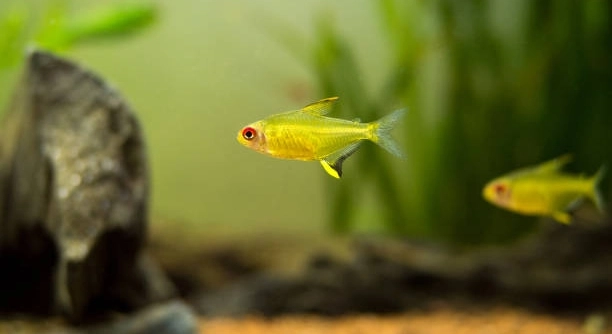
Are your home aquariums filled with the gentle shimmer of lemon tetras, yet you play music nearby? Many fish owners enjoy music in their homes, but it is natural to wonder how sound affects these tiny, delicate swimmers.
Lemon tetras can be affected by loud music, as high volumes may induce stress, alter swimming patterns, and impact overall health. Maintaining moderate sound levels ensures their natural behavior and well-being are preserved within a home aquarium.
Understanding the connection between sound and your fish’s health is essential. Proper awareness can improve their environment and enhance their overall quality of life.
How Loud Music Affects Lemon Tetras
Lemon tetras are small, delicate fish that thrive in calm environments. Sudden or constant loud music can startle them, causing erratic swimming or hiding. Over time, repeated exposure to high volumes may weaken their immune system and affect feeding habits. Stress can also reduce breeding success in these fish. Even if they appear to adapt, subtle changes in behavior, such as staying near the bottom or avoiding open areas, indicate discomfort. Aquarium decorations, plants, and background noise can either amplify or reduce sound vibrations. Observing your fish closely while introducing new sounds can help identify their tolerance levels. Choosing softer, slower music or keeping volumes low ensures a peaceful environment. Fish rely on vibrations for communication and orientation, so excessive noise can interfere with natural behavior. Maintaining a calm atmosphere promotes healthy growth and a balanced, stress-free tank environment for lemon tetras to thrive.
Monitoring your fish’s reactions to sound is simple but effective. Small adjustments prevent long-term stress and support their well-being.
Paying attention to their swimming patterns, feeding response, and hiding tendencies provides insights. Consistent observation allows you to create a stable, comfortable habitat that promotes overall health and natural behavior.
Tips for Minimizing Stress from Music
Keeping music volume moderate is the easiest way to reduce stress.
Placement of speakers and using soft background sounds can significantly impact how much vibration reaches the aquarium. Avoid placing tanks directly near walls or floors that resonate with bass-heavy sounds. Introducing music gradually, rather than abruptly, allows fish to acclimate. Consider using low-frequency tracks or classical music, which tend to be less stressful. Turning off music during critical periods, such as feeding or cleaning, helps maintain normal behavior. Regularly observing your fish’s responses ensures the environment remains suitable. Small adjustments in tank setup, such as adding plants or decorations, can buffer vibrations and provide hiding spots, giving tetras a sense of security. Consistency in the environment is key to reducing chronic stress. By managing sound levels thoughtfully, you create a stable home where lemon tetras can swim naturally, feed well, and maintain healthy social interactions with other tank mates, resulting in a happier, more active aquarium.
Recognizing Stress in Lemon Tetras
Erratic swimming, hiding, and reduced appetite are common signs of stress. Changes in color or increased aggression toward tank mates may also indicate discomfort caused by loud music or vibrations.
Lemon tetras respond to environmental changes quickly. Persistent loud sounds can cause trembling, staying near the tank bottom, or clustering together in corners. Feeding patterns may shift, with some fish refusing food or nibbling less. Over time, stress can weaken their immune systems, making them more prone to illness. Observing your tetras daily helps identify these signs early, allowing adjustments in tank placement, music volume, or décor to reduce stress and maintain their well-being.
Stress can also affect social behavior. Lemon tetras may avoid interaction or display unusual aggression when exposed to repeated loud noises. Providing calm conditions, hiding spaces, and low-volume music ensures they retain natural swimming patterns and healthy social dynamics. Consistent monitoring and gradual changes create a supportive environment for a balanced, thriving tank community.
Creating a Calm Aquarium Environment
Reducing vibrations and sudden noises is crucial. Proper tank placement, soft furnishings, and gentle background sounds help maintain a peaceful habitat.
Choosing a stable location away from speakers or heavy foot traffic reduces stress. Plants and decorations absorb some vibrations and offer hiding spots, letting tetras feel secure. Soft, continuous background sounds are less alarming than sudden, loud music bursts. Adjusting lighting and maintaining regular feeding schedules also supports a calm environment. Monitoring behavior after changes ensures the setup remains suitable and stress-free, letting lemon tetras swim naturally, eat properly, and interact comfortably with tank mates.
Adjusting Music for Lemon Tetras
Keeping music at a low volume prevents stress and supports natural behavior. Soft, steady sounds are less likely to disturb swimming or feeding patterns.
Gradual introduction of new music helps tetras acclimate. Sudden loud changes can cause panic, so start quietly and monitor their reactions closely for comfort and safety.
Ideal Tank Placement
Positioning the tank away from speakers, doors, or high-traffic areas reduces exposure to vibrations. Stable surfaces minimize shaking and sudden movements, protecting delicate fish. Consistent surroundings allow lemon tetras to swim freely, feed normally, and maintain social behavior without unnecessary stress or fear.
Using Plants and Decorations
Adding plants and décor provides hiding spots that absorb vibrations. These elements create a sense of security, letting tetras feel safe while exploring or resting, reducing the impact of external noises on their well-being.
FAQ
How can I tell if my lemon tetras are stressed by music?
Watch for changes in swimming, hiding, or feeding behavior. Stressed tetras may cling to tank corners, swim erratically, or avoid open areas. Color fading or frequent darting indicates discomfort. Monitoring daily gives early signs to adjust sound levels or tank setup.
Is any type of music safe for lemon tetras?
Low-volume, soft music is generally safer. Classical, instrumental, or gentle ambient sounds create minimal vibrations. Avoid bass-heavy or fast-paced tracks, as sudden beats and strong vibrations can trigger stress, making fish behave unusually or avoid feeding.
How loud is too loud for an aquarium?
Volumes that cause noticeable water ripples or make fish scatter are too high. Even if the fish seem calm initially, repeated exposure can lead to long-term stress. Maintaining soft background sounds, rather than loud or sudden bursts, keeps their environment stable and secure.
Does the tank size affect sensitivity to noise?
Yes. Smaller tanks amplify vibrations, so music or noise near a small tank has a greater impact. Larger tanks buffer some sounds, but excessive volumes can still stress fish. Proper placement and decorations help reduce this effect regardless of tank size.
Can decorations help reduce stress from sound?
Plants, rocks, and ornaments absorb vibrations and provide hiding spots. Tetras feel more secure when they have places to retreat. Dense foliage or layered décor creates natural barriers, softening external noise and allowing fish to maintain normal swimming and social patterns.
How often should I play music near my tank?
Occasional, soft background music is generally fine. Continuous or very loud music increases stress risk. Limiting exposure and observing reactions ensures fish remain calm and healthy. Regular quiet periods help maintain their natural rhythms.
Will stressed tetras recover if I reduce music?
Yes, removing or lowering noise often helps fish regain normal behavior. They may gradually return to usual swimming patterns, normal feeding, and social interaction. Patience and a consistent, calm environment are key for recovery.
Are some tetras more sensitive than others?
Individual temperament varies. Some lemon tetras tolerate moderate sound better, while others react quickly to vibrations. Observing each fish’s behavior and adjusting the environment ensures all tank inhabitants remain comfortable.
Can I use headphones or external speakers safely near the tank?
Headphones worn by humans are safe. External speakers should be kept at low volumes and a distance from the tank. Direct vibrations from large, bass-heavy speakers can disturb water and stress fish. Distance and soft sound are important.
Does stress from music affect breeding?
Yes. Stressed tetras may avoid spawning, become less active, or exhibit reduced fertility. Calm, stable environments with minimal vibrations support natural breeding behavior, improving the chances of healthy fry development.
How can I test the tank for noise impact?
Play music at a low volume and watch for sudden hiding, erratic swimming, or feeding changes. Observe over several days to identify patterns. Adjust placement, decorations, or volume based on reactions. Continuous observation ensures the tank remains safe and calm.
Can aquarium filters or pumps amplify music stress?
Strong filter vibrations combined with music can increase stress. Choosing quieter equipment or placing filters on stable surfaces reduces extra vibrations. Combined with soft music, this creates a more comfortable habitat for lemon tetras.
Is it better to turn off music completely?
Turning music off eliminates stress risk. If music is important, keeping it soft, consistent, and at a distance prevents sudden shocks while still allowing a pleasant home environment for both fish and humans.
Do other fish react the same way as lemon tetras?
Many small, delicate species respond similarly, showing stress from loud noises. Observing each species individually is necessary, as reactions can vary. Lemon tetras are particularly sensitive, so precautions benefit the overall tank ecosystem.
How long does it take for tetras to adjust to background music?
Adjustment depends on volume, frequency, and individual fish. Gradual introduction over several days allows acclimation. Fish that show persistent stress may need quieter surroundings or additional hiding spots to feel secure.
Can stress from music cause long-term health problems?
Chronic stress can weaken the immune system, reduce appetite, and increase susceptibility to disease. Maintaining a calm, low-vibration environment ensures longevity and overall health for lemon tetras.
What’s the best way to combine human music and a healthy aquarium?
Keep volume low, choose soft tracks, and place speakers away from the tank. Provide hiding spots and plants, and observe fish regularly. Soft, intermittent music can coexist with a healthy, stress-free environment for tetras.
Are there signs that music is actually enjoyable or neutral for tetras?
Neutral or enjoyable conditions are indicated by normal swimming, active feeding, and regular social interaction. Fish that explore, interact, and maintain vibrant colors suggest they are not disturbed by background sounds.
Can stress affect water quality indirectly?
Yes. Stressed fish may eat less or produce more waste inconsistently, which can slightly alter water parameters. Maintaining filtration, monitoring behavior, and ensuring minimal stress keeps the tank balanced and water quality stable.
How do I balance my love for music with fish care?
Use low-volume, soft music at a distance, provide plants and hiding spots, and observe behavior closely. Adjust based on reactions to ensure both human enjoyment and fish well-being coexist without compromise.
Final Thoughts
Maintaining a healthy environment for lemon tetras requires attention to details that may seem small but have a significant impact on their well-being. Sound levels in a home can influence how fish behave, eat, and interact with one another. Loud or sudden noises can startle these delicate fish, causing stress that may not always be immediately visible. Even if the fish appear calm, subtle changes in behavior, such as hiding more frequently, swimming irregularly, or reducing their food intake, can signal that something in their environment is affecting them. Providing a calm and stable habitat is essential for their overall health and allows them to exhibit natural behaviors, including normal swimming patterns, proper feeding, and social interactions within the tank.
Soft background sounds or low-volume music are generally safe for lemon tetras, but careful observation is key. Introducing new sounds gradually gives the fish time to adjust, and keeping the music consistent helps reduce unexpected stress. Tank placement also matters. Positioning the aquarium away from high-traffic areas, speakers, or surfaces that amplify vibrations minimizes disturbances. Decorations, plants, and hiding spots not only create a natural-looking habitat but also act as buffers, helping absorb vibrations and providing safe spaces for fish to retreat when needed. By combining gentle sound, careful placement, and thoughtful tank design, the aquarium becomes a stable environment where lemon tetras can thrive. Regular observation of swimming patterns, feeding habits, and social behavior ensures that any negative effects of sound can be addressed quickly.
Consistency is a critical factor for reducing stress in lemon tetras. Sudden changes in sound, light, or tank conditions can lead to chronic stress, which affects immunity and overall health. Ensuring that music or other noises are kept at low levels, maintaining a predictable feeding schedule, and providing a secure environment helps the fish maintain a sense of stability. Over time, these small adjustments create a home where lemon tetras can display natural colors, interact comfortably with each other, and remain active throughout the day. Taking these precautions allows the aquarium to remain both enjoyable for humans and safe for fish. Paying attention to these factors may require some trial and error, but it ultimately supports the long-term health and happiness of lemon tetras in a home aquarium.

Hello,
If you enjoy the content that we create, please consider saying a "Thank You!" by leaving a tip.
Every little bit helps us continue crafting quality advice that supports the health, happiness, and well-being of pets around the world, for pets of all shapes, sizes, and species.
We really appreciate the kindness and support that you show us!