
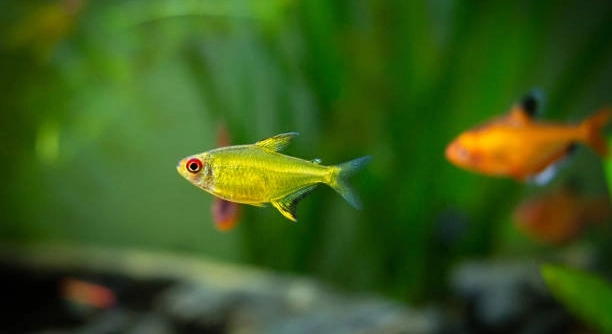
Do you ever find yourself admiring the bright, cheerful glow of your lemon tetras and wondering if you are feeding them correctly? Their small size and vibrant color make them a charming addition to any aquarium setup.
Lemon tetras require a balanced diet consisting of high-quality flake or pellet food, supplemented with occasional live or frozen foods. Proper feeding ensures optimal growth, vibrant coloration, and overall health while preventing overfeeding and water quality issues in the tank.
Maintaining the right feeding habits can make a noticeable difference in your tetras’ energy and color over time. Understanding these basics is key to keeping them thriving in your aquarium.
How Often Should Lemon Tetras Be Fed
Lemon tetras are small fish with tiny stomachs, so they do best with small, frequent meals rather than one large feeding each day. Overfeeding can lead to water quality problems, including excess waste and algae growth, which can harm the fish. Most aquarists feed them two to three times daily, offering only what they can consume in a few minutes. A mix of flake food and occasional live or frozen foods, such as daphnia or brine shrimp, provides a well-rounded diet. Observing your tetras during feeding helps ensure they eat everything quickly, reducing leftover food in the tank. Adjusting portion sizes as they grow or during breeding seasons is important. Consistent feeding schedules help maintain their natural activity patterns. A clean tank and balanced diet together keep lemon tetras healthy and colorful, while minimizing the risk of disease. Feeding is more than nutrition; it sets the tone for a stable aquarium environment.
Feeding small portions several times a day prevents overeating and keeps the tank cleaner. Proper timing supports health and natural activity levels.
Overfeeding not only affects water quality but also the long-term health of lemon tetras. Uneaten food can decay, increasing ammonia and nitrate levels, stressing the fish. Stressed fish may show faded colors, lethargy, or reduced immunity, making them more vulnerable to disease. Feeding routines should account for tank size and the number of fish, as crowded tanks need careful portion control. Combining flake or pellet diets with occasional live foods ensures they receive proteins, fats, and micronutrients for growth and vibrant color. Observing behavior during feeding helps detect health issues early, such as reduced appetite or aggression. Small, consistent meals encourage natural foraging behavior, which keeps fish active. Feeding isn’t just about filling their stomachs; it’s about maintaining balance in the aquarium ecosystem. By following these practices, you can support the well-being of lemon tetras and enjoy their lively presence.
What Foods Are Best for Lemon Tetras
High-quality flake or pellet food designed for small tropical fish should form the foundation of a lemon tetra’s diet.
Live or frozen foods, such as daphnia, brine shrimp, and bloodworms, supplement their diet with essential proteins and nutrients. Feeding a variety ensures they get enough vitamins, promotes natural behavior, and keeps them healthy. Rotating foods also prevents dietary deficiencies. Some plant-based flakes can add fiber, supporting digestion. Avoid overfeeding protein-rich foods, as this can strain their small digestive systems. Always remove uneaten food promptly to prevent water contamination. Observing your tetras’ preferences helps balance their meals effectively, encouraging active and bright fish. A thoughtful combination of dry and fresh foods maximizes nutrition and enhances color.
Lemon tetras thrive when diets include both flake and live options. Variety is essential for long-term health.
A proper feeding plan starts with understanding the nutritional needs of lemon tetras. Flakes and pellets are convenient and provide balanced daily nutrients, including essential vitamins and minerals. Adding live or frozen foods ensures sufficient protein intake, which is vital for growth and maintaining their bright yellow hue. Occasional plant-based foods support digestion and provide additional nutrients. It is important to adjust portions depending on their activity level and the number of fish in the tank. Observing how quickly they eat can guide the amount to feed. Uneaten food should be removed immediately to prevent water pollution and disease. Consistent feeding schedules also help regulate their metabolism and reduce stress. By offering a variety of foods in controlled amounts, lemon tetras remain energetic, colorful, and less prone to illness, creating a healthier and more vibrant aquarium environment.
How Much Food Do Lemon Tetras Need
Lemon tetras need very small amounts of food at each feeding. Only offer what they can eat in two to three minutes to prevent overfeeding and maintain water quality.
Portion control is essential because lemon tetras have tiny stomachs and overfeeding can lead to health problems. Excess food that sinks to the bottom decomposes, raising ammonia and nitrate levels, which stresses the fish. Feeding them too much can also cause bloating or swim bladder issues. A careful approach involves offering small pinches of flake or pellet food and observing how quickly the fish finish their meals. Adjust portions based on activity levels, number of fish, and growth. Live or frozen foods should be given sparingly, supplementing their daily diet without overwhelming their digestive system. Maintaining proper food quantity ensures vibrant coloration and overall health while keeping the tank clean and safe for all inhabitants.
Monitoring how your lemon tetras respond to feedings helps fine-tune portions over time. Observing their energy, appetite, and growth patterns allows adjustments that prevent overfeeding while ensuring adequate nutrition. Feeding should match their natural pace, with attention to removing uneaten food promptly. Incorporating occasional live foods keeps them active and supports healthy digestion, while consistent dry food portions provide daily nutrients. Small, balanced servings at frequent intervals maintain their metabolism and color, avoiding sudden spikes in tank waste. This disciplined feeding strategy encourages healthy, lively fish and reduces maintenance challenges for the aquarium.
Can Lemon Tetras Eat Plant-Based Foods
Lemon tetras can eat plant-based flakes or finely chopped vegetables, but these should only supplement their main diet of protein-rich foods.
Plant-based foods help with digestion and provide extra vitamins and fiber, but they don’t meet all nutritional needs. Flake foods often contain plant ingredients already, but adding occasional blanched spinach or zucchini can diversify their diet. Avoid feeding too much, as excessive vegetable matter can lead to bloating or water pollution. A mix of protein and plant matter keeps tetras balanced and supports growth, color, and energy levels. Regularly monitoring their reaction ensures they benefit without harming health or tank conditions.
Offering plant-based foods in moderation contributes to a well-rounded diet. Small amounts of blanched vegetables provide fiber, aiding digestion, while flakes with plant content supply additional nutrients. Combining these with protein-rich flake or live foods ensures that lemon tetras receive everything needed for optimal growth, coloration, and vitality. Overfeeding plant matter should be avoided, as uneaten food can quickly pollute water and create unhealthy conditions. Observing fish behavior helps determine the right balance of vegetable and protein foods, maintaining a stable, clean, and thriving aquarium. Rotating food types supports variety, keeps tetras interested, and promotes natural foraging behaviors, encouraging active and healthy fish over time.
Feeding Young Lemon Tetras
Young lemon tetras need more frequent, smaller meals than adults. Tiny portions help them grow without overwhelming their small digestive systems.
Fry can start with finely crushed flake foods or infusoria. Gradually introduce baby brine shrimp or microworms to increase protein intake. Careful monitoring ensures they consume all food and prevents leftover waste from affecting water quality.
Signs of Overfeeding
Overfeeding lemon tetras can cause bloating, lethargy, or faded coloration. Uneaten food leads to water quality problems that stress the fish and promote algae growth.
Adjusting Diet for Tank Size
The number of fish in your tank affects how much to feed. A larger school needs more food, but portions should still be controlled to prevent water contamination and maintain overall tank health.
Using Frozen Foods
Frozen foods, like daphnia or brine shrimp, are convenient supplements. They provide essential proteins and nutrients that enhance color and promote natural foraging behavior.
What is the best daily feeding schedule for lemon tetras?
Lemon tetras do best with two to three small meals per day. Their tiny stomachs cannot handle large amounts at once. Feeding several times ensures they get enough nutrients without overloading the tank with uneaten food. Small portions also encourage natural foraging behavior. Observing how quickly they eat helps adjust portion sizes over time. Stick to a consistent schedule to maintain their energy and color, as irregular feeding can stress the fish and affect their overall health.
Can lemon tetras eat only flake food?
Flake food can form the base of their diet, but it is best to supplement with occasional live or frozen foods. Flakes provide vitamins and minerals, but proteins from brine shrimp or daphnia support growth and enhance coloration. Relying solely on flakes may lead to slower development or duller colors over time. A balanced diet combining flake, pellet, and live or frozen foods keeps them healthy and energetic while supporting natural activity patterns.
How do I know if I am overfeeding my tetras?
Overfeeding signs include leftover food at the bottom of the tank, bloated bellies, and sluggish swimming. Water quality may also decline, resulting in cloudy water or algae growth. Adjust portions to what they can consume in two to three minutes. Observing behavior during feeding helps prevent health problems and maintains a clean aquarium environment. Regularly checking water parameters ensures that excess food is not causing harm.
Are frozen foods necessary for lemon tetras?
Frozen foods are not strictly necessary, but they are highly beneficial. They provide proteins and nutrients that flakes alone may not supply. Frozen options like daphnia, brine shrimp, or bloodworms encourage natural hunting behavior, support growth, and enhance coloration. Incorporating frozen foods a few times per week helps maintain variety and overall health. Properly thawed and portioned, these foods prevent digestive stress while supplementing the main diet.
How much plant-based food should I feed them?
Plant-based foods should only supplement protein-rich meals. Small amounts of blanched vegetables or plant-based flakes help digestion and provide fiber and vitamins. Too much can lead to bloating or water contamination. Feeding plants two to three times a week alongside regular flakes and live or frozen foods is sufficient to maintain health and support growth.
Do lemon tetras need special foods during breeding?
Yes, breeding lemon tetras benefits from increased protein intake. Offering live or frozen foods like baby brine shrimp improves fertility and boosts energy. Flakes alone are usually not enough to prepare them for spawning. Providing a varied diet ensures both adults and fry receive necessary nutrients. Careful portion control prevents water contamination during this delicate period, maintaining tank health for eggs and fry.
Can I feed my tetras at night?
Feeding at night is possible if the aquarium is dimly lit or the tetras are used to it. Some tetras feed more actively in low light. However, daytime feeding is generally more effective because it allows easier observation of food consumption and behavior. Regardless of timing, small portions and consistent feeding remain the most important factors for health and water quality.
Should uneaten food be removed immediately?
Yes, uneaten food should always be removed after a few minutes. Leftover food decomposes quickly, raising ammonia and nitrate levels that stress the fish. Removing it prevents bloating, disease, and water quality issues. This is especially important in smaller tanks, where even a small amount of uneaten food can cause rapid changes in water chemistry. Proper feeding amounts reduce waste and keep tetras healthy.
Are live foods better than frozen foods?
Both live and frozen foods have advantages. Live foods encourage natural hunting behavior and provide fresh nutrients, while frozen foods are convenient, safe, and retain most of their nutritional value. A mix of both is ideal for a balanced diet. Rotate them with flakes and plant-based foods to ensure variety and prevent deficiencies. Observing how tetras respond helps determine the best combination for your tank.
How do I adjust feeding for a crowded tank?
In a crowded tank, feeding portions must be carefully controlled to prevent overfeeding. More fish need slightly larger amounts, but always give only what can be eaten in a few minutes. Uneaten food should be removed immediately. Spread food across the tank to ensure all fish have access, and monitor water quality closely. Maintaining balance in crowded tanks helps prevent stress, disease, and unhealthy water conditions.
Caring for lemon tetras means paying close attention to their feeding habits. These small, bright fish are sensitive to overfeeding, and providing the right amount of food is important for their health. Feeding them small portions several times a day is better than one large meal. Flake or pellet foods should form the main part of their diet, while occasional live or frozen foods like daphnia or brine shrimp provide extra protein. Even small amounts of plant-based foods can help digestion and provide some vitamins, but protein should remain the primary focus. Overfeeding not only harms the fish but also affects water quality, which can quickly become a problem in smaller aquariums. By observing how much your tetras eat and adjusting portions accordingly, you can maintain a cleaner tank and healthier fish.
A well-balanced diet directly affects the growth, color, and activity levels of lemon tetras. Young fish need more frequent feedings with very small portions to support healthy development. Adult tetras require less frequent meals but still need proper nutrition to maintain their bright yellow color and energetic behavior. Frozen and live foods are not required every day, but incorporating them a few times per week adds variety and helps replicate natural feeding behaviors. Uneaten food should always be removed promptly to prevent it from decaying in the tank. Plant-based flakes or small amounts of blanched vegetables can supplement the diet, but too much may cause bloating or poor water quality. A consistent feeding routine and a variety of foods help keep your tetras healthy while avoiding common feeding problems.
Feeding lemon tetras is about balance and observation. Paying attention to how they react to meals and the cleanliness of the tank is key. Overfeeding can lead to bloated bellies, dull colors, and stress, while underfeeding can slow growth and reduce energy. A proper combination of flakes, pellets, frozen, and live foods ensures they get enough nutrients without overwhelming their small digestive systems. By monitoring behavior, portion sizes, and tank conditions, you can create a stable environment that supports both the health and vibrancy of your fish. Feeding is more than a daily routine; it is part of maintaining their overall well-being. Consistency, balance, and careful observation are the best tools for keeping lemon tetras healthy and lively.

Hello,
If you enjoy the content that we create, please consider saying a "Thank You!" by leaving a tip.
Every little bit helps us continue crafting quality advice that supports the health, happiness, and well-being of pets around the world, for pets of all shapes, sizes, and species.
We really appreciate the kindness and support that you show us!