
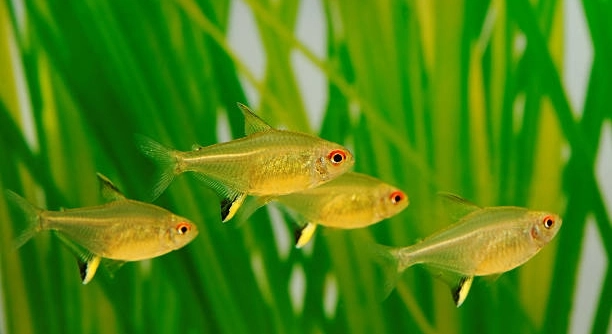
Have you ever noticed your lemon tetra swimming in circles or returning to certain spots in the tank? Observing these little fish can be surprisingly engaging, as their behaviors sometimes suggest a surprising level of awareness.
Lemon tetras are capable of developing memory over time. Studies indicate they can recognize patterns, remember feeding routines, and respond to familiar stimuli, showing that their small brains can store and retrieve information in a consistent manner.
Understanding how lemon tetras remember things can help improve tank conditions and daily care, ensuring these small fish thrive in a healthy, engaging environment.
How Lemon Tetras Learn Patterns
I have noticed that my lemon tetras start recognizing feeding times and locations very quickly. They swim toward the food as soon as I approach the tank. This shows that even small fish can form memories linked to daily routines. They respond differently to repeated stimuli, which indicates they can learn through experience. Observing their behavior, it becomes clear they remember both positive and negative experiences, like avoiding areas that previously caused stress or discomfort. Memory in lemon tetras is linked to their environment, social interactions, and feeding habits. By keeping their tank stable and predictable, they tend to be more active and responsive. Small variations, like changing decorations or moving plants, are noticed by them. Over time, their reactions become more precise, showing that repetition strengthens memory. The ability to recognize patterns helps them adapt, making their behavior appear more deliberate than random swimming. Memory formation is gradual but consistent, and it affects almost every aspect of their daily life.
Lemon tetras learn faster when their environment is calm and stable. Sudden changes can confuse them and reduce memory retention.
Consistency in care is key. Regular feeding schedules, stable water conditions, and familiar surroundings help these small fish develop stronger memory. They react predictably to routine, and their interactions improve when the tank is stable. Memory is closely tied to environmental consistency, and these fish thrive when life in the tank is steady. By minimizing stressors, you allow them to focus on learning and remembering, which is vital for their overall behavior and wellbeing.
Signs of Memory in Lemon Tetras
Repeated swimming patterns and anticipation of feeding times are common signs of memory in lemon tetras.
Memory in lemon tetras is not always obvious, but careful observation reveals patterns. For example, they can remember where hiding spots are and often return to them when stressed. They also recognize other fish in the tank, showing social memory. Some even learn to navigate obstacles, which indicates spatial memory. Memory helps them survive and thrive by remembering safe areas and familiar stimuli. Recognizing these behaviors allows caretakers to improve tank arrangements, feeding routines, and interactions. By tracking how they react to repeated events, it is possible to see which experiences leave a lasting impression. Memory in lemon tetras is subtle but measurable, and it highlights how even small fish can adapt over time to their environment and social settings. Understanding these signs ensures better care and enriches the fish’s life, making them more comfortable and responsive in their habitat.
Improving Memory Through Environment
A stable tank with consistent lighting, temperature, and decorations helps lemon tetras form memory. They notice changes quickly, so predictable surroundings reduce stress and improve learning. Familiar hiding spots and clear swimming paths encourage confident, repeatable behavior.
Providing consistent care is essential for memory development. Regular feeding schedules allow lemon tetras to anticipate meals, strengthening their ability to remember timing and location. Arranging plants and decorations consistently helps them learn safe areas and navigate the tank efficiently. Avoiding sudden changes or overcrowding supports their focus and reduces confusion. Memory is reinforced when they experience repeated, positive interactions in a calm, stable environment. Even small details, like placement of rocks or plants, influence how well they recall patterns over time, showing that careful tank management directly impacts cognitive abilities.
Social interaction also plays a role in memory. Lemon tetras remember their tank mates and can recognize individuals. When introduced to new fish gradually, they learn social hierarchies and adapt behaviors accordingly. Memory in social contexts helps reduce aggression and supports coordinated swimming. By observing their interactions, it’s clear that their memory extends beyond basic survival skills to managing relationships within the group. Stable, predictable conditions combined with social learning create an enriched environment where memory can develop naturally.
Training Techniques for Lemon Tetras
Using repetition and gentle cues improves memory in lemon tetras. They respond best to consistent signals, like tapping the tank before feeding.
Simple training routines can reinforce memory effectively. Feeding at the same time each day helps them anticipate food and navigate toward it efficiently. Introducing small, safe obstacles, like floating rings or plants, encourages problem-solving and spatial memory. Repetition is key—repeated exposure to the same cues strengthens recall. Positive reinforcement, such as pairing signals with food, teaches them to associate actions with outcomes. Over time, these routines make their behavior predictable and more interactive. Even small, daily interactions contribute to memory improvement and cognitive stimulation.
Gradual exposure to new objects or mild challenges enhances memory and confidence. Lemon tetras can learn to navigate around unfamiliar items or recognize changes in the tank layout. By carefully observing responses, it’s possible to measure their memory retention and adaptability. Combining environmental consistency with simple training exercises creates a supportive setting for learning. Over weeks, repeated practice allows them to anticipate events, avoid stress, and react appropriately to both new and familiar situations. Training in a calm, structured way strengthens their memory while maintaining overall wellbeing, helping them thrive in captivity.
Diet and Memory
A balanced diet supports brain function in lemon tetras. High-quality flakes, occasional live or frozen foods, and proper vitamins help them stay alert and respond to routines.
Overfeeding or inconsistent feeding can confuse them. Providing meals at the same time every day reinforces memory and encourages predictable behavior in the tank.
Observing Memory in Daily Behavior
Lemon tetras show memory through repeated swimming patterns, anticipation of feeding, and returning to familiar hiding spots. Noticing these behaviors helps understand how well they retain information. Regular observation allows caretakers to adjust care routines to support cognitive development effectively.
Stress and Memory
Stress negatively affects memory in lemon tetras. Sudden changes in environment, aggressive tank mates, or poor water quality can reduce learning ability and recall.
How long does it take for lemon tetras to develop memory?
Lemon tetras start showing simple memory within a few days of consistent routines. Feeding at the same time each day and keeping a stable environment helps them recognize patterns. Over weeks, their responses become more precise, such as swimming toward food or returning to hiding spots reliably.
Can lemon tetras remember their tank mates?
Yes, lemon tetras can recognize other fish in their group. They often swim together in coordinated patterns and can show signs of social memory, such as avoiding aggressive individuals or following familiar companions. This memory helps reduce stress and improves overall social stability in the tank.
Do lemon tetras respond to changes in their environment?
Lemon tetras notice even small changes. Moving plants, decorations, or rocks can make them cautious at first. Over time, they explore and remember the new layout. Sudden changes may stress them, so gradual adjustments allow them to adapt while maintaining memory of safe areas.
How can I improve my lemon tetra’s memory?
Consistency is key. Regular feeding times, stable water conditions, and familiar tank setups support memory formation. Simple training, like tapping before feeding or introducing mild obstacles, encourages spatial and associative learning. Positive reinforcement strengthens recall and helps them develop predictable behavior patterns over time.
Do lemon tetras forget quickly?
Memory in lemon tetras is not as long-lasting as in larger animals, but it is functional. Repeated routines reinforce recall, while stress or frequent environmental changes can reduce retention. Stable conditions and repetition help maintain memory for weeks or even months.
Are there signs my lemon tetra has a good memory?
Observing swimming patterns, anticipation of feeding, and returning to favorite hiding spots indicates strong memory. Recognizing tank mates, navigating obstacles, and reacting to familiar signals are additional signs. Consistent behavior over days or weeks shows that memory is being retained effectively.
Does diet affect memory in lemon tetras?
Yes, a proper diet supports brain function. High-quality flakes or pellets with occasional live or frozen food help them stay alert. Vitamins and nutrients contribute to cognitive abilities, while overfeeding or inconsistent meals can confuse them and reduce memory retention.
Can stress erase a lemon tetra’s memory?
Stress can interfere with memory formation. Sudden environmental changes, aggressive tank mates, or poor water quality can make them less responsive to routines. Reducing stress through stable conditions and gentle care allows memory to remain intact and behavior to normalize.
Is training lemon tetras possible?
Training is possible with patience. Repetition, gentle cues, and positive reinforcement help them learn routines. Feeding at the same time or introducing mild challenges strengthens memory. Small daily exercises, like navigating obstacles, gradually improve spatial awareness and recall.
Do lemon tetras remember past experiences?
Yes, lemon tetras can recall both positive and negative experiences. They avoid areas that caused stress and return to safe hiding spots. Familiarity with tank mates and feeding routines shows they retain information from past events, demonstrating practical memory use in daily life.
How does tank setup influence memory?
A stable, predictable tank supports memory development. Consistent decorations, hiding spots, and swimming paths help them navigate confidently. Sudden changes can temporarily confuse them, so maintaining a familiar layout enhances recall and reduces stress, allowing their memory to develop naturally over time.
Can social interactions boost memory?
Social interactions enhance memory by helping them recognize and respond to other fish. Coordinated swimming, avoidance of aggressive mates, and recognition of companions show that social experiences strengthen recall. Gradual introductions of new fish help memory develop without causing stress.
What is the role of repetition in memory formation?
Repetition reinforces memory. Repeating feeding routines, environmental cues, or mild training exercises allows lemon tetras to learn and recall patterns reliably. Consistent repetition strengthens both spatial and associative memory, making behavior more predictable and helping them adapt to their tank environment effectively.
How do lemon tetras remember feeding routines?
They associate certain cues, like approaching the tank or tapping the glass, with food. Over time, they swim to the feeding spot as soon as the signal occurs. This shows associative memory, where repeated pairings of cues and outcomes reinforce recall, making feeding predictable and consistent.
Can memory in lemon tetras be measured?
Yes, by observing behavior over time. Anticipation of feeding, recognition of hiding spots, navigation of obstacles, and social interactions all indicate memory retention. Consistent responses to repeated stimuli provide a practical way to assess how well they remember and learn from their environment.
Do lemon tetras have long-term memory?
They have a functional form of long-term memory for familiar routines, safe areas, and social interactions. While not as extensive as mammals, repeated experiences and stable environments allow them to retain information for weeks, helping them navigate, feed, and interact effectively within the tank.
Can environmental enrichment improve memory?
Yes, adding plants, hiding spots, and mild challenges encourages exploration and problem-solving. Enriched tanks stimulate the brain, promote learning, and support memory formation. Gradual introduction of changes allows them to adapt while reinforcing spatial memory and confidence in navigating the tank.
Are there limits to what lemon tetras can remember?
Memory is practical rather than complex. They retain routines, locations, social recognition, and simple associations. Complex sequences or abstract concepts are beyond their capacity, but repeated positive experiences and consistent environments maximize what they can recall effectively.
How does age affect memory in lemon tetras?
Younger lemon tetras tend to learn quickly, while older fish may show slower adaptation but still retain memory of familiar routines and tank mates. Aging may slightly reduce recall speed, but consistent care and stable conditions continue to support memory throughout life.
Can memory help lemon tetras survive in captivity?
Yes, memory allows them to anticipate feeding, avoid stressful situations, navigate safely, and maintain social harmony. Remembering tank layout and companions reduces stress and promotes healthier, more predictable behavior, helping them thrive under care while maintaining natural instincts.
How important is observation in understanding memory?
Observing behavior closely reveals memory patterns. Tracking swimming routes, feeding responses, and social interactions allows caretakers to see how well lemon tetras retain information. Consistent observation helps adjust care routines, enrich the environment, and ensure memory continues to develop effectively.
Do lemon tetras remember obstacles or changes in tank layout?
Yes, repeated exposure to obstacles or new decorations allows them to learn navigation and recall locations. Gradual changes help them adapt without stress, showing that memory is flexible and closely tied to environmental consistency and experience over time.
How can I support memory daily?
Maintaining consistent feeding, tank stability, mild enrichment, and gentle handling supports memory. Repetition and predictability strengthen recall. Observing responses and making gradual adjustments ensures they remain confident, alert, and able to retain important information about their surroundings, companions, and routines.
Does memory vary between individual fish?
Yes, some lemon tetras are naturally more responsive or observant. Individual differences affect how quickly they form associations and recall routines. Providing consistent care and observation allows each fish to develop memory according to its unique temperament and learning capacity.
Lemon tetras are small fish with surprisingly noticeable memory abilities. Over time, they can recognize patterns in feeding schedules, tank layouts, and even their tank mates. Observing them closely makes it clear that their behavior is not entirely random. They respond to repeated cues and routines, which shows that memory plays an important role in their daily life. Even subtle changes in the tank, like moving plants or decorations, are noticed and remembered. This shows that their memory is closely connected to their environment and experiences. By keeping the tank stable and consistent, they can form stronger memories and behave in a more predictable way. Watching them interact with each other and the tank itself demonstrates that memory helps them navigate, explore, and manage their surroundings more confidently.
Memory in lemon tetras is influenced by several factors, including diet, social interactions, and environmental stability. A balanced diet with proper nutrients supports brain function, helping them respond to routines and retain information. Social memory is also significant, as they recognize and react to other fish in the tank, following familiar companions and avoiding aggressive ones. Stress, however, can interfere with memory. Sudden changes in water quality, overcrowding, or abrupt shifts in the tank environment can reduce their ability to remember routines and respond accurately. Gradual changes, calm conditions, and consistent care make it easier for lemon tetras to retain information. Small routines, such as feeding at the same time daily or using gentle cues before mealtime, reinforce associative memory, helping them anticipate events and navigate their environment safely.
Supporting memory in lemon tetras goes beyond just observing behavior. Creating an enriched environment with hiding spots, plants, and mild challenges encourages learning and recall. Gradual introduction of changes helps them adapt while remembering safe spaces and navigating obstacles. Consistency in feeding, tank setup, and daily routines ensures that memory can develop naturally and remain stable over time. Over weeks and months, repeated experiences strengthen recall, allowing lemon tetras to anticipate events, manage social interactions, and respond to familiar cues. Memory is not only a sign of intelligence but also a tool that helps them thrive in captivity. By paying attention to their behavior, maintaining a stable environment, and providing proper care, it is possible to support their cognitive development and ensure they remain active, alert, and comfortable in the tank. Memory in lemon tetras is subtle but meaningful, shaping how they interact with their environment and companions every day.

Hello,
If you enjoy the content that we create, please consider saying a "Thank You!" by leaving a tip.
Every little bit helps us continue crafting quality advice that supports the health, happiness, and well-being of pets around the world, for pets of all shapes, sizes, and species.
We really appreciate the kindness and support that you show us!