
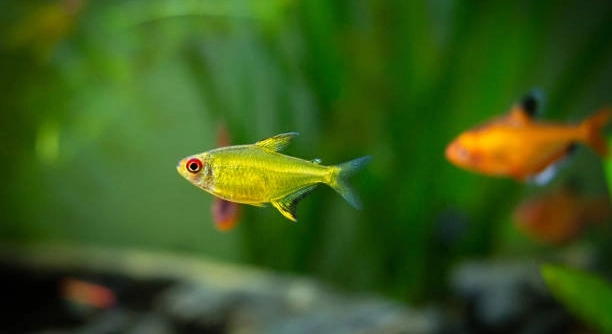
Do you ever notice your lemon tetra swimming near your hand, as if it is curious about your movements? Observing these small, bright fish can be surprisingly engaging and might hint at unexpected intelligence. Their behavior often draws attention from hobbyists.
Lemon tetras are capable of learning to follow fingers with consistent interaction and gentle movement. Through repeated exposure, these fish can associate hand motions with feeding or attention, demonstrating basic cognitive response and recognition of familiar patterns in their environment.
Understanding how lemon tetras interact with their surroundings can improve your care routine and strengthen the bond between you and your fish. Observing these behaviors offers insight into their learning abilities and natural instincts.
How Lemon Tetras Learn to Recognize Movement
Lemon tetras respond to movement through a combination of instinct and conditioning. When you consistently move your finger near the tank, they begin to associate that motion with feeding or attention. Their small size and social nature make them quick to observe patterns in their environment. Over time, repeated exposure allows them to recognize familiar hand gestures and react accordingly. This learning process is not immediate and requires patience, but their natural curiosity and alertness help them adapt faster than one might expect. Providing a calm, predictable environment also supports this recognition. Bright lighting and clear water can make it easier for them to track movement. Avoid sudden motions, as these can stress the fish and hinder learning. By maintaining a steady routine, lemon tetras gradually learn to follow your finger consistently, creating a subtle but noticeable interaction.
Lemon tetras primarily use visual cues to learn, responding best to slow and repeated motions.
Regular interaction strengthens their responsiveness. With patience, they associate your finger with positive outcomes and begin to follow it reliably. Observing this process can be both fascinating and rewarding.
Tips for Encouraging Finger-Following
Start by placing your finger near the tank slowly and consistently.
Consistency is key. Schedule short, calm sessions to help the fish recognize and respond to your hand movements. Gradually, they will approach your finger on sight. Rewarding them with food shortly after following encourages continued behavior. Avoid overfeeding during this process to maintain health. Positioning yourself at eye level with the tank also improves engagement. Over several sessions, their tracking improves, and they begin to anticipate your presence and gestures. Patience matters; each tetra may learn at its own pace, and rushing can create stress. Observing their reactions and adjusting timing helps reinforce learning. Lighting, water clarity, and minimal tank distractions all contribute to successful finger-following. Eventually, this interaction can become a reliable part of their routine, allowing for gentle, enjoyable engagement that demonstrates their learning capacity.
Monitoring their comfort is essential. Ensure the tank is calm, and avoid abrupt movements. Over time, fish begin to recognize patterns and show consistent responses to hand gestures.
Recognizing Your Presence
Lemon tetras quickly notice consistent movement near their tank. Over time, they learn to associate your presence with feeding and interaction. This recognition depends on patience and repeated exposure, allowing them to react confidently to familiar gestures.
Consistency and gentle motion are key. Slowly introducing your finger encourages tracking without causing stress. Fish often respond faster when they are already active and comfortable in their environment. Bright lighting and clear water improve visibility, making it easier for them to notice subtle movements. Over repeated sessions, lemon tetras begin to anticipate where and when your hand will appear, demonstrating learning and recognition. This process highlights their adaptability and the importance of a calm, stable environment for fostering interaction.
Tracking hand movement is a gradual process. Lemon tetras may take days or weeks to consistently follow a finger. Each fish adapts at its own pace, so observing individual responses helps refine the approach. Using brief, frequent sessions maintains their interest while avoiding fatigue. Pairing finger movement with feeding reinforces positive behavior. Over time, they develop a reliable response pattern, recognizing both the motion and its association with food. Patience and careful observation are essential to supporting this learning without causing unnecessary stress or confusion.
Reinforcing Finger-Following Behavior
Short, regular practice sessions are most effective for training.
Repeated exposure strengthens memory and association. Begin with slow hand movements near the tank for a few minutes each day. Rewarding the fish with food immediately after following encourages them to repeat the behavior. Avoid abrupt motions that may frighten them, as fear can hinder learning. Placement of your hand at different tank angles helps them generalize the behavior and respond reliably. Gradually increasing interaction time and varying gestures reinforces recognition. Over time, lemon tetras become more confident, approaching your finger without hesitation, showing clear evidence of learning through consistent practice and gentle reinforcement.
Observing their reactions is crucial to refining this behavior. Some fish may respond quickly, while others require more patience. Adapting the speed, timing, and frequency of hand movements ensures all individuals can learn effectively. Environmental factors, such as water quality, lighting, and tank decor, also influence responsiveness. Keeping sessions short and positive prevents stress and helps maintain their natural curiosity. By systematically reinforcing finger-following behavior, these fish demonstrate an impressive capacity for learning. Consistent practice allows them to reliably recognize gestures, creating enjoyable, interactive moments that strengthen their awareness and responsiveness.
Common Mistakes to Avoid
Moving your hand too quickly can startle lemon tetras, preventing them from learning. Avoid sudden gestures and loud noises near the tank, as these disrupt their focus and may cause stress.
Overfeeding during training sessions can reduce responsiveness. Stick to small, controlled amounts to maintain their motivation and health.
Using Visual Cues Effectively
Lemon tetras respond well to consistent visual signals. Bright-colored fingers or objects near the tank can help them notice movements more easily. Repeating the same gestures daily helps fish form associations between the cue and food or interaction. Over time, they begin following cues reliably, demonstrating their ability to connect visual input with outcomes. Varying the timing slightly keeps them attentive without creating confusion. Observing their reactions allows you to adjust gestures for optimal response. Clear water and proper lighting enhance visibility, making visual cues more effective. Tracking progress ensures the fish remain engaged and comfortable.
Timing Your Sessions
Short, consistent sessions work best for learning.
FAQ
Can all lemon tetras learn to follow fingers?
Not every lemon tetra will respond in the same way. Individual personality and confidence play a role. Some fish are naturally more curious and willing to approach movements, while others may remain cautious. Consistency, gentle gestures, and a calm environment increase the likelihood of success for most fish.
How long does it take for lemon tetras to learn this behavior?
Learning speed varies. Some fish may begin responding within a few days, while others might need several weeks. Short, daily practice sessions are more effective than long, infrequent attempts. Patience is essential, as forcing interactions can create stress and reduce responsiveness.
Does tank size affect learning?
Yes, smaller tanks make it easier for fish to notice hand movements, but even in larger tanks, they can learn with consistent practice. Positioning yourself at the tank level and ensuring clear sightlines improves visibility and tracking, which aids learning.
Is finger-following stressful for lemon tetras?
When done gently and slowly, finger-following is not stressful. Sudden movements, tapping, or loud noises, however, can frighten the fish. Observing their comfort level is key. If they hide or avoid interaction, reduce session length or adjust hand placement.
Should I feed them every time they follow my finger?
No, overfeeding can lead to health issues and reduce motivation. Offer small treats occasionally to reinforce behavior, but maintain their normal feeding routine. Reinforcement works best when it is paired with positive interaction, not excessive feeding.
Can they recognize me specifically?
Lemon tetras do not have facial recognition like mammals, but they can recognize consistent patterns and movements. If you approach the tank in a predictable way, they may respond more readily to your presence than to unfamiliar people.
Does water quality impact their ability to learn?
Absolutely. Clear water with stable parameters allows them to see movements easily and reduces stress. Poor water quality can make them sluggish, less attentive, or reluctant to interact. Maintaining proper filtration, temperature, and cleanliness supports both learning and general health.
Are there other ways to encourage interaction besides finger-following?
Yes, you can use small floating objects or bright-colored markers near the tank to attract attention. Gentle tapping on the surface or consistent feeding spots also help fish associate patterns with rewards. Combining methods can improve responsiveness and keep training engaging.
What should I do if my lemon tetra doesn’t respond?
If a fish does not follow fingers, remain patient. Reduce session length, ensure gentle movements, and avoid overcrowding the tank. Some fish are slower learners or more cautious. Consistent, calm practice over time often leads to gradual improvement.
Can following fingers improve the bond with my fish?
Yes, these interactions build familiarity and trust. While they do not form bonds like mammals, lemon tetras learn to associate your presence with positive experiences, making them more confident and interactive during feeding or observation sessions.
Is there a risk of overtraining?
Yes, excessively long or frequent sessions can cause stress or fatigue. Keep sessions short and positive, watching for signs of discomfort. Balanced, brief training helps maintain interest and supports their well-being.
Does lighting affect learning?
Proper lighting enhances visibility, helping fish track movements accurately. Too dim or harsh lighting can interfere with recognition and create stress. Soft, consistent light during training sessions improves their ability to follow gestures reliably.
Can finger-following be combined with other enrichment activities?
Yes, it works well alongside plants, decorations, and interactive feeding routines. Variety keeps the fish stimulated and encourages natural behaviors. Combining enrichment with gentle finger-following can increase engagement without causing stress or overexertion.
Is it normal for only some fish in the group to follow fingers?
Yes, individual differences in personality and confidence are normal. Dominant or bolder fish often respond first, while shy individuals may take longer. Observing group dynamics can help you adjust your approach to engage all fish effectively.
Can finger-following improve overall tank behavior?
Interacting through finger-following may make fish more active and attentive, enhancing their response to feeding and other stimuli. It encourages exploration and engagement, which can have subtle benefits for their overall activity and well-being.
How can I tell if my fish enjoys these sessions?
Signs include approaching your finger voluntarily, swimming alongside hand movements, and showing curiosity without signs of stress. Avoid forcing interactions or sudden gestures, as enjoyment is indicated by calm, confident, and voluntary engagement.
Are there age considerations for learning?
Younger fish may learn more quickly due to higher curiosity and energy. Older fish can still learn, but progress may be slower. Consistent, gentle interaction supports learning at any age without causing harm or stress.
What is the best time of day for training?
Choose times when fish are naturally active, often mid-morning or early afternoon. Avoid training right after feeding or during periods of low activity, as they may be less responsive or less motivated to follow movements.
Can environmental distractions affect learning?
Yes, loud noises, vibrations, or other pets nearby can reduce attention. A calm, predictable environment helps lemon tetras focus on hand movements, making learning faster and less stressful.
How often should I practice finger-following?
Short, consistent daily sessions work best. A few minutes at a time is more effective than long sessions, keeping fish engaged without causing fatigue. Frequency and predictability help them form reliable associations with your gestures.
Is finger-following common in other tetra species?
Yes, many small tetra species display similar learning abilities. The process depends on individual curiosity, social behavior, and consistent interaction. Observing responses in different species highlights the adaptability of these small fish.
Can finger-following help with fish health monitoring?
Indirectly, yes. Regular interaction allows you to observe activity, responsiveness, and behavior changes. Alert, interactive fish are often healthy, while reduced interest or lethargy can indicate stress or illness, providing an early warning for necessary care.
Do I need special equipment for training?
No special equipment is required. Clear water, gentle hand movements, and consistent practice are sufficient. Optional items like floating targets or small feeding tools can enhance learning but are not necessary for finger-following success.
How can I track progress effectively?
Observe and note the frequency and consistency of following behavior. Gradually increase session complexity, and record individual responses. Tracking helps identify which gestures work best and which fish may need more time or adjustment.
What if multiple fish follow at the same time?
This is normal in group tanks. Dominant fish may compete for attention, but consistent practice allows most fish to learn. Rotating sessions or adjusting hand placement can help ensure all fish get equal opportunity to engage.
Can following fingers reduce stress in fish?
Yes, predictable interaction can make fish more comfortable in their environment. When practiced gently, it encourages exploration and attention without sudden disturbances, contributing to a calmer and more confident tank community.
How do I combine feeding and training safely?
Offer small, controlled portions immediately after finger-following. Avoid overfeeding and maintain regular feeding schedules. Using feeding as a reward reinforces the behavior while keeping nutritional balance intact.
Are there risks for beginners trying this method?
The main risks are stressing the fish through sudden movement or overhandling. Beginners should focus on slow, gentle gestures, short sessions, and observation to prevent negative effects while building consistent behavior.
Can finger-following replace other enrichment?
No, it complements other enrichment like plants, hiding spaces, and social interaction. Finger-following is one form of mental stimulation but should be part of a broader approach to keep fish engaged and healthy.
Is patience more important than frequency?
Both are important, but patience ensures sessions remain positive and stress-free. Frequent interaction is effective only when combined with calm, consistent practice that respects the fish’s natural behavior and comfort.
Does tank lighting timing affect learning sessions?
Yes, conducting sessions during consistent light periods helps fish recognize patterns. Abrupt changes in lighting can cause confusion or stress, while stable conditions support recognition and successful learning.
Are there specific gestures that work best?
Slow, repetitive hand motions work best. Consistency in direction, speed, and position helps fish learn associations more reliably. Varying gestures slightly after mastery can maintain engagement without causing confusion.
How can I prevent aggression during training?
Maintain adequate space and avoid overcrowding. Ensure dominant fish do not block others from participating. Observing group dynamics allows you to adjust hand placement and timing to reduce competition and stress.
Can finger-following indicate intelligence?
It shows basic learning ability and recognition, demonstrating cognitive skills. While not intelligence in a human sense, the behavior reflects memory, pattern recognition, and adaptability, highlighting the complexity of these small fish.
Does diet influence learning ability?
A balanced diet supports energy and focus, making fish more responsive during sessions. Nutritional deficiencies may reduce activity, curiosity, or willingness to engage, so maintaining proper feeding is essential for learning.
Is it possible to train multiple behaviors simultaneously?
Yes, but start with one simple behavior like following fingers before introducing others. Gradual progression prevents confusion and stress, allowing fish to master one skill before moving to the next.
Can stress from other tankmates affect learning?
Yes, aggressive or overly active tankmates can distract or intimidate lemon tetras. Ensuring a compatible community and observing interactions helps maintain a calm environment conducive to learning.
Are there signs that a fish is not enjoying sessions?
Avoidance, hiding, frantic swimming, or rapid gill movement indicate stress. Reduce session length, slow gestures, and ensure the environment is calm to prevent negative experiences.
Do water temperature changes impact responsiveness?
Yes, sudden temperature shifts can make fish sluggish or stressed. Stable, appropriate water temperature supports activity and attentiveness, making learning more effective.
Can I train finger-following in a community tank?
Yes, with patience. Individual fish may learn at different rates. Observing each fish’s response and adjusting hand placement ensures all fish can participate safely without causing conflict.
Is there a maximum effective session length?
Sessions longer than five to ten minutes can cause fatigue or stress. Multiple short sessions per day are more effective than a single extended session, keeping fish engaged and comfortable.
Can finger-following reduce fear of humans?
Yes, consistent gentle interaction can make fish less wary of hands near the tank. Predictable gestures create familiarity and a sense of security, encouraging voluntary engagement.
Are younger fish easier to train than older fish?
Generally, younger fish are more curious and active, which can make learning faster. Older fish can still learn but may require longer, more patient sessions to achieve consistent responses.
Does tank decoration impact training?
Yes, dense decorations can obscure hand movements or create hiding spots that reduce visibility. Clear sightlines or strategically placed decorations allow fish to see gestures more easily, supporting learning.
Can stress from tank maintenance affect training?
Yes, recently disturbed tanks can make fish cautious. Conduct training sessions after maintenance has settled, giving fish time to adjust to changes before expecting consistent responses.
Is it possible for fish to forget finger-following behavior?
Yes, without regular reinforcement, fish may lose the association. Occasional refresher sessions help maintain the learned behavior and keep responses consistent over time.
Do group dynamics change during training?
Yes, dominant fish may approach first while shy fish hang back. Observing behavior and adjusting placement ensures all individuals have a chance to participate, promoting equitable learning opportunities.
Can finger-following improve observation skills for the owner?
Yes, it encourages careful attention to subtle fish behaviors, helping detect health changes or social interactions early. Observing reactions enhances awareness of individual and group dynamics.
Is there a risk of dependency on hand interactions?
Not significantly. Finger-following is a learned response, not a necessity for survival. Fish continue normal behavior when hand gestures are absent, so dependency is minimal.
Are some gestures more stimulating than others?
Slow, predictable gestures work best for learning. Bright colors or repeated patterns capture attention, while fast, erratic motions can startle and reduce engagement. Consistency is key for reinforcing behavior.
Does water clarity affect learning consistency?
Yes, clear water improves visibility and tracking. Cloudy or dirty water reduces recognition and may frustrate the fish, making learning slower or less reliable.
Can stress from other pets affect training?
Yes, external animals like cats or dogs near the tank may startle fish. Minimizing disturbances ensures they remain calm and attentive during sessions.
Is it necessary to train every fish individually?
Not always, but individual attention can help shy or slower learners. Group training works for confident fish, while targeted sessions ensure all fish develop responsiveness.
Does finger-following affect natural behavior?
When done gently, it does not harm natural behaviors. Fish continue normal swimming, schooling, and feeding patterns while learning this additional interaction.
Can I use finger-following to assess cognitive health?
Yes, consistent response to gestures can indicate alertness, memory, and learning capacity. Changes in responsiveness may highlight stress, illness, or cognitive decline, helping monitor overall well-being.
Are there risks of overestimating their abilities?
Yes, while lemon tetras can learn to follow fingers, they have limits. Avoid expecting complex behaviors beyond simple pattern recognition to prevent frustration for both owner and fish.
Is training more effective at certain tank locations?
Yes, open areas without obstacles make gestures more visible. Corners or heavily decorated sections can reduce clarity, making it harder for fish to track movements accurately.
Does finger-following vary with tank population density?
Yes, overcrowded tanks can reduce individual attention and learning. Lower density allows fish to focus and respond more reliably to gestures, improving training outcomes.
Can finger-following be used as enrichment for shy fish?
Yes, gradual, gentle interaction encourages exploration and confidence. Shy individuals benefit from slow, consistent sessions that reduce fear and build curiosity safely.
How do I maintain interest over time?
Vary timing, gestures, and rewards. Occasional changes keep fish attentive without creating stress, ensuring they remain engaged with the interaction long-term.
Is finger-following safe for breeding fish?
Yes, as long as interactions are gentle. Avoid disturbing fry or nesting sites, and ensure sessions do not create stress during sensitive reproductive periods.
Can finger-following reveal personality differences?
Yes, bold fish approach quickly, while shy fish take longer. Observing responses highlights individual temperament, helping tailor interactions for each fish.
Does tank lighting intensity matter?
Moderate, consistent lighting works best. Too dim reduces visibility, while harsh light may cause stress. Balanced lighting helps fish see gestures clearly and respond reliably.
Can finger-following improve social cohesion in a group?
Indirectly, yes. Confident fish may lead others to approach, encouraging participation. Careful observation ensures dominant fish do not intimidate shy individuals, maintaining group harmony.
Are there seasonal factors affecting learning?
Minor variations in water temperature or daylight cycles may influence activity. Keeping environmental conditions stable supports consistent engagement and learning regardless of season.
Can finger-following help detect illness early?
Yes, reduced responsiveness, lethargy, or avoidance during sessions may indicate health problems, providing an early signal to check water quality or consult care guidelines.
Does the number of training sessions per day matter?
Short, frequent sessions are better than long, infrequent ones. Two to three brief sessions allow fish to learn without stress, supporting consistent engagement and reinforcement.
Can finger-following replace feeding routines?
No, it complements feeding but does not replace it. Maintaining regular nutrition ensures health, while finger-following serves as enrichment and positive interaction.
How do I handle a timid fish that refuses to follow?
Give extra time and patience. Reduce session length, keep gestures slow, and allow observation from a distance. Gradual exposure increases comfort and eventually encourages participation.
Is finger-following a reliable measure of intelligence?
It reflects basic learning and pattern recognition but should not be interpreted as complex intelligence. It demonstrates adaptability and responsiveness rather than advanced cognitive ability.
Do tank mates interfere with learning?
Yes, aggressive or overly active tankmates can distract or intimidate. Managing social dynamics ensures all fish can focus on the gesture and participate safely.
Can finger-following improve overall engagement with the tank?
Yes, regular interaction encourages activity, exploration, and responsiveness. Fish become more attentive to their environment, making observation and care more interactive and rewarding.
Is it better to train in the morning or evening?
Train when fish are naturally active, typically mid-morning or early afternoon. Avoid periods immediately after feeding or during low activity, as responsiveness may decrease.
Are there visual aids that help with training?
Bright-colored fingers or small floating objects can improve visibility. Consistent patterns help fish associate gestures with rewards, reinforcing learning effectively.
Can finger-following be used for multiple enrichment goals?
Yes, it can combine with feeding routines, exploration exercises, or environmental enrichment to stimulate natural behaviors and cognitive engagement without overtaxing the fish.
Does tank water movement affect learning?
Strong currents may hinder precise tracking. Calm water conditions make gestures easier to follow and improve reliability of learned behavior.
Are all gestures equally effective?
Slow, repetitive, predictable movements work best. Fast or erratic gestures can startle fish and reduce attention. Consistency ensures reinforcement of behavior.
How can I encourage shy fish without stressing them?
Start with observation from a distance, using slow, gentle hand movements. Gradually decrease distance over multiple sessions, rewarding voluntary engagement to build confidence safely.
Is finger-following appropriate for juvenile lemon tetras?
Yes, juveniles are curious and adaptable, often learning quickly. Gentle, brief sessions help establish behavior without causing stress, supporting cognitive development in young fish.
Can finger-following replace social interaction in the tank?
No, it complements natural schooling and social behavior. Fish still rely on group dynamics for normal interaction, with finger-following serving as enrichment.
Does the type of tank lid matter?
A clear, unobstructed lid improves visibility and allows gestures to be seen more easily. Opaque or high lids may reduce the fish’s ability to track hand movements effectively.
Are finger-following behaviors permanent?
Without reinforcement, fish may forget the association over time. Occasional refresher sessions help maintain responsiveness and prevent loss of learned behavior.
Can finger-following reduce stress during tank maintenance?
Yes, familiar gestures can provide reassurance. Calm, predictable interaction before or after maintenance helps fish remain comfortable and reduces avoidance behavior.
Does hand size affect learning?
Hand size matters less than movement speed and consistency. Gentle, slow gestures work for all hand sizes, as fish respond primarily to motion and visual contrast.
Is finger-following compatible with nocturnal lighting setups?
Low or red lighting may reduce visibility. Training is most effective under standard lighting that allows clear observation of gestures.
Can finger-following be done in community tanks with larger species?
Yes, but
Final Thoughts
Training lemon tetras to follow fingers is a small but rewarding way to observe their behavior and intelligence. These fish are naturally curious and social, which helps them learn to recognize hand movements when approached consistently and gently. Learning is gradual, and each fish adapts at its own pace. Patience is key, as some may respond quickly while others take longer to feel comfortable following gestures. Short, regular sessions are more effective than long, sporadic attempts. Slow movements, a calm environment, and clear visibility improve their ability to track your finger. Maintaining consistent practice allows the fish to form associations between gestures and rewards, creating reliable responses over time. Observing these patterns can be enjoyable, offering insight into the cognitive abilities of such small, often underestimated creatures.
Finger-following is not just a trick or novelty; it also serves as a form of enrichment that benefits the fish’s mental and physical well-being. Repetition and gentle reinforcement encourage exploration and curiosity while providing a safe, structured activity. It can help reduce fear or stress in fish by making them more familiar with human presence, creating a sense of predictability in their environment. This type of interaction also allows owners to monitor activity and responsiveness, which can indicate overall health and alertness. Fish that engage with finger-following tend to show more confident swimming and attentiveness in other parts of the tank. These interactions can be particularly helpful in community tanks, where shyer or more timid fish may benefit from individual attention to build confidence. When done carefully and consistently, finger-following supports both engagement and observation, making it a valuable tool for anyone interested in understanding their fish better.
It is important to remember that not every lemon tetra will respond in the same way, and that is perfectly normal. Personality differences, age, tank conditions, and prior experiences all influence learning speed and willingness to engage. Some fish may become more confident quickly, while others may require longer exposure and patience. Maintaining a balanced approach, avoiding overfeeding, and keeping sessions short prevents stress while encouraging learning. Environmental factors like lighting, water clarity, and calm surroundings further enhance success. Observing individual responses allows owners to adjust hand movements and session timing for optimal interaction. Finger-following is not a replacement for natural behaviors or social interaction within the tank, but it complements these aspects by providing mental stimulation and gentle engagement. Overall, this simple, consistent activity highlights the adaptability of lemon tetras and encourages a closer understanding of their behaviors, creating an enjoyable and rewarding experience for both the fish and the owner.

Hello,
If you enjoy the content that we create, please consider saying a "Thank You!" by leaving a tip.
Every little bit helps us continue crafting quality advice that supports the health, happiness, and well-being of pets around the world, for pets of all shapes, sizes, and species.
We really appreciate the kindness and support that you show us!