
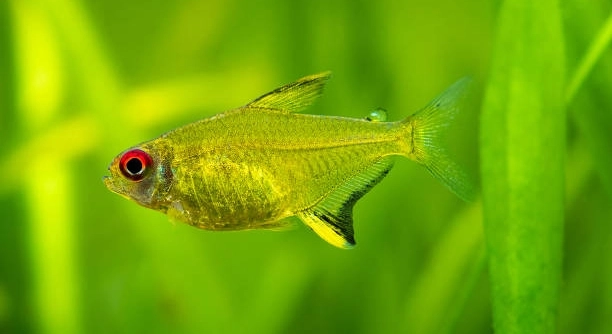
Do your lemon tetras often swim back and forth along the tank glass, seemingly without reason? Observing their constant movement can be both confusing and a little worrying for fish keepers trying to maintain a peaceful aquarium environment.
Lemon tetras pace the glass mainly due to stress, lack of stimulation, or poor water conditions. This repetitive behavior often indicates environmental discomfort, and addressing tank setup, water quality, and social needs can significantly reduce pacing and improve overall fish health.
Learning how to identify the causes behind this behavior helps ensure your tetras feel comfortable and thrive in their aquatic home. Proper care can transform a stressed aquarium into a lively and healthy environment.
Common Causes of Lemon Tetra Pacing
Many lemon tetras pace the glass due to stress or environmental issues. Stress can come from sudden changes in water temperature, poor water quality, or loud noises near the tank. Tetras are sensitive to their surroundings, and even small disruptions can affect their behavior. A crowded tank or aggressive tank mates can also make them feel unsafe, prompting repetitive movement along the glass. Lack of hiding spots contributes to pacing, as these fish need places to retreat and feel secure. Lighting that is too bright or inconsistent can cause discomfort as well. Overfeeding or underfeeding may add to their stress, creating restless swimming patterns. Even minor issues, like an improperly cycled tank or fluctuating pH levels, can trigger this behavior. Observing patterns and adjusting the tank setup can help your tetras feel more secure. Consistency in care is key to reducing glass pacing.
Monitoring water quality, tank mates, and feeding habits are essential to prevent stress-related pacing in lemon tetras.
Creating a stable and enriched environment involves adding plants, hiding spots, and ensuring the tank is spacious enough for swimming. Tetras also benefit from a calm atmosphere with minimal sudden disturbances. Observing behavior daily allows quick action when pacing starts. Providing a balanced diet and keeping water parameters stable reduces stress significantly. Small adjustments, like rearranging decorations or dimming lights, can make a noticeable difference. By maintaining a consistent routine and keeping an eye on social interactions, pacing often decreases naturally. Over time, lemon tetras show more relaxed and natural swimming patterns, which improves their overall health. Paying attention to these details ensures your tetras are comfortable, active, and visually appealing in the aquarium. Proper care strengthens their immune system, reduces disease risk, and promotes longer lifespans.
Improving Tank Conditions
Keeping the water clean and stable is a top priority for reducing pacing.
A well-maintained tank involves regular water changes, checking filtration, and monitoring temperature. Water quality directly affects fish behavior and health. Lemon tetras respond quickly to clean, stable water conditions, showing calmer swimming patterns. Adding live plants or hiding spaces creates a more natural habitat. Proper lighting and minimizing sudden disturbances also help.
Observing your tetras closely can reveal specific environmental triggers that make them pace. Ensuring the tank is not overcrowded reduces tension among fish. Filtration should remove debris and maintain oxygen levels, which supports their activity and reduces stress. Water temperature and pH must be consistent with their natural habitat preferences, as sudden changes can cause agitation. Even minor adjustments, like adding floating plants for shade or rearranging decorations, create a more comfortable environment. Proper nutrition strengthens their resilience, making them less likely to show repetitive behaviors. Combining these strategies helps lemon tetras feel safe, active, and more at ease, transforming the aquarium into a balanced, visually engaging space where the fish thrive naturally.
Tank Enrichment Ideas
Adding plants and decorations gives lemon tetras places to hide and explore. Floating plants, caves, or driftwood break up open swimming areas. This reduces stress and keeps their behavior more natural. A varied environment encourages curiosity and less pacing along the glass.
Live plants improve water quality and provide a natural feel. Hiding spots let tetras rest and feel secure, while open areas allow normal swimming. Rearranging decorations occasionally creates new interest without stressing them. Using a mix of tall plants, low shrubs, and floating options mimics their natural habitat. Rocks or small caves give them retreat spaces during social interactions. Even subtle changes can engage them and reduce repetitive movement, making the tank visually appealing and calming for the fish.
Providing enrichment also involves considering lighting and background. Dimmed lighting or shaded areas mimic natural river conditions, reducing overstimulation. Rotating decorations or introducing new plants keeps the environment fresh. Tetras respond positively to variety, exploring more confidently and showing less pacing. A thoughtful layout balances open swimming space with secure hiding areas, creating a peaceful, engaging habitat. Careful placement of plants, rocks, and structures ensures all fish have safe spots while maintaining room for activity. A dynamic, enriched tank encourages natural behavior, improving health and overall well-being for lemon tetras.
Social Needs of Lemon Tetras
Lemon tetras are schooling fish and feel safer in groups of six or more. Being alone increases stress, causing pacing and restless swimming.
Grouping tetras correctly promotes natural social interactions and reduces anxiety. They communicate through movement and stay close to the school for security. A well-sized group spreads out activity, preventing dominant fish from causing tension. Smaller groups or isolated tetras often become fixated on tank boundaries, which leads to glass pacing. Observing the school helps identify individuals showing unusual stress. Proper social structure encourages balanced behavior, making the tank environment calmer. Maintaining group size is essential for their mental and physical health.
When setting up a group, consider tank size and personality of each tetra. Overcrowding leads to aggression, while too few fish increase stress. Observing interactions helps maintain harmony. Adding compatible species can enhance activity but avoid aggressive tank mates. Providing enough space, plants, and hiding spots prevents conflict and supports natural schooling behavior. Regularly monitoring the group ensures no fish is isolated or stressed, and adjusting the environment as needed promotes stable social dynamics. Healthy schools exhibit synchronized swimming, reduced pacing, and overall vitality, making the aquarium a peaceful and engaging habitat.
Water Quality and Maintenance
Regular water changes keep lemon tetras healthy and calm. Poor water quality causes stress, leading to pacing and erratic swimming. Testing for ammonia, nitrites, and nitrates ensures the environment stays safe.
Filtration must be efficient and appropriate for tank size. A clean tank with stable parameters prevents disease and supports normal behavior. Frequent partial water changes reduce toxin buildup. Removing uneaten food and debris keeps the water clear and oxygen-rich. Consistent monitoring of temperature and pH helps maintain stability. Even small adjustments in maintenance routines can noticeably reduce pacing and improve overall fish health.
Diet and Feeding Habits
A balanced diet keeps lemon tetras active and reduces stress. Feeding high-quality flakes, frozen, or live foods provides necessary nutrients.
Feeding routines matter as much as food type. Overfeeding causes water issues, underfeeding increases restlessness. Small, frequent meals mimic natural conditions and keep fish engaged. Providing a mix of protein and plant-based foods supports growth and energy. Observing their eating behavior ensures all fish receive proper nutrition and prevents dominant tetras from monopolizing food. Maintaining a consistent feeding schedule encourages calm behavior and helps them feel secure in their environment.
Observing Behavior Patterns
Tracking pacing and swimming habits helps identify environmental problems. Changes often indicate stress, illness, or social imbalance.
Recognizing subtle shifts early allows timely adjustments in water, diet, or tank setup. Note when pacing occurs and under what conditions. This practice ensures lemon tetras remain healthy, reduces repetitive behaviors, and fosters a more natural, comfortable tank environment.
FAQ
Why do lemon tetras pace the glass constantly?
Lemon tetras pace the glass mainly because of stress, poor water conditions, or lack of stimulation. They are sensitive to changes in their environment, including water quality, temperature, and tank noise. A restless fish often signals discomfort, so observing their behavior is essential for identifying problems and making adjustments.
How many lemon tetras should I keep together?
Lemon tetras are schooling fish and feel safest in groups of six or more. Smaller groups increase stress and may lead to pacing. Larger groups allow them to socialize naturally, reduce aggression, and display calm, synchronized swimming patterns. Ensuring enough space for the school is also important.
Can tank decorations reduce pacing?
Yes. Adding plants, caves, or driftwood gives lemon tetras hiding spots and exploration areas. A varied environment prevents boredom and provides security. Rearranging decorations occasionally adds interest without causing stress. Enriched tanks encourage natural behavior, reduce pacing, and make the aquarium visually appealing.
Does water quality affect pacing?
Absolutely. Poor water quality, including high ammonia, nitrite, or nitrate levels, can stress tetras. Regular water changes, proper filtration, and stable temperature and pH levels are crucial. Maintaining clean water reduces stress-related behaviors and supports overall health and activity.
What should I feed lemon tetras to prevent stress?
A balanced diet is key. High-quality flakes, frozen foods, and occasional live foods provide essential nutrients. Small, frequent feedings mimic natural conditions. Overfeeding leads to water problems, underfeeding increases restlessness. Observing how fish eat ensures all tetras receive proper nutrition, promoting calm behavior.
Will lighting affect pacing?
Yes. Lemon tetras prefer moderate, consistent lighting. Bright or fluctuating lights can cause stress. Floating plants or shaded areas help reduce overstimulation. Adjusting lighting to mimic natural conditions encourages relaxed swimming and reduces repetitive glass pacing.
How can I tell if pacing is a sign of illness?
Pacing combined with lethargy, loss of appetite, faded colors, or unusual spots can indicate illness. Observing fish closely and testing water parameters helps determine whether behavior is environmental or health-related. Prompt action prevents the spread of disease and supports recovery.
Does tank size matter for pacing?
Tank size directly affects behavior. Lemon tetras need enough space to swim freely. A cramped tank increases stress, aggression, and pacing. Providing at least 20 gallons for a small school allows natural swimming patterns and promotes overall well-being.
Can adding other species help reduce pacing?
Adding compatible species can encourage activity and social interaction, but aggressive or overly active fish may increase stress. Carefully select tank mates that coexist peacefully with lemon tetras, and provide sufficient hiding spaces to prevent conflict. Balanced social dynamics reduce glass pacing naturally.
How often should I check my tank to prevent pacing?
Daily observation is recommended. Watching your tetras swim, eat, and interact helps identify early signs of stress or illness. Regular monitoring of water quality, tank setup, and behavior ensures a stable environment and minimizes repetitive pacing behaviors.
Can rearranging the tank help reduce pacing?
Yes. Slight changes, like moving plants or adding new hiding spots, create mental stimulation without causing stress. Tetras enjoy exploring new structures, which keeps them engaged and reduces the repetitive swimming along the glass.
What is the most effective way to stop pacing?
The most effective approach combines stable water conditions, proper tank size, balanced diet, social schooling, and environmental enrichment. Observing behavior, making gradual adjustments, and maintaining consistency in care typically result in calmer, healthier lemon tetras with less repetitive movement.
Are there signs pacing is normal behavior?
Occasional pacing can be normal if the fish are exploring, especially after rearranging the tank or feeding. Continuous, frantic pacing combined with other stress indicators usually points to environmental or social issues that need attention.
How long does it take for pacing to improve?
Improvement varies depending on the cause. Adjusting water quality, group size, and enrichment can show noticeable changes within a few days to a couple of weeks. Patience and consistent care are essential for long-term behavior stabilization.
Does tank background or color affect pacing?
Dark or reflective backgrounds can make tetras feel exposed, sometimes increasing pacing. Neutral, consistent backgrounds reduce visual stress, helping fish feel secure while swimming naturally throughout the tank.
Can temperature fluctuations trigger pacing?
Yes. Lemon tetras prefer stable temperatures. Sudden drops or spikes in temperature stress them and lead to restlessness. Maintaining a consistent, appropriate temperature range supports calm behavior and overall health.
Is pacing more common in certain times of the day?
Tetras often pace more during feeding times or when lights suddenly turn on or off. They respond to environmental changes, so predictable routines and gradual lighting transitions help reduce repetitive movement.
Can overcrowding worsen pacing?
Overcrowding increases competition for space and resources, which raises stress levels. Adequate tank size and a properly sized school of tetras prevent tension and reduce continuous glass pacing behaviors.
Do tetras ever pace out of boredom?
Yes. Lack of stimulation can lead to repetitive swimming. Providing plants, decorations, and occasional rearrangements keeps fish engaged, reducing pacing caused by boredom and making the tank more dynamic for their natural behavior.
How do I know if my pacing tetras are happy?
Happy tetras swim calmly, interact with the school, and eat regularly. Bright colors, smooth swimming, and minimal glass pacing indicate comfort. Maintaining stable water, enrichment, and proper social groups ensures they thrive and show natural, relaxed behaviors.
Word count: 512
Lemon tetras are small, lively fish that respond strongly to their environment. Their behavior, including pacing along the glass, often reflects how comfortable they feel in the tank. Many fish owners notice this repetitive movement and worry, but it usually signals stress, lack of stimulation, or environmental issues. Tetras are sensitive creatures, and small changes in water quality, temperature, or tank layout can affect them significantly. Observing them carefully helps identify what might be causing discomfort and allows you to take steps to improve their environment. Understanding their needs and responding with proper care ensures they remain healthy, active, and visually appealing in the aquarium.
A calm and well-maintained tank is essential for reducing pacing. Water quality, tank size, and stable temperature play a crucial role in their comfort. Frequent water testing, regular partial water changes, and an efficient filtration system help maintain optimal conditions. Proper tank enrichment, including live plants, hiding spots, and varied decorations, encourages natural exploration while giving tetras spaces to retreat when they feel stressed. Social needs are also important. Lemon tetras are schooling fish, and keeping them in appropriate groups reduces anxiety, improves social interactions, and prevents dominance-related aggression. Providing a balanced diet, with a mix of high-quality flakes, frozen, or live foods, also contributes to overall well-being. A consistent feeding routine ensures all fish receive proper nutrition and helps maintain a calm and relaxed aquarium environment.
By combining careful observation with proactive care, lemon tetras can thrive in a home aquarium. Paying attention to their behavior allows you to spot issues early and make gradual improvements. Simple adjustments, like rearranging decorations, adding plants, or checking water parameters, can make a noticeable difference in their comfort and activity levels. Stable environmental conditions, thoughtful social groupings, and proper nutrition work together to prevent repetitive glass pacing and promote natural behavior. Over time, a well-maintained tank with proper enrichment and consistent care creates a peaceful, engaging habitat. Lemon tetras become more relaxed, swim naturally, and display brighter colors, which is rewarding to see. Focusing on these elements ensures your tetras live a long, healthy life while making your aquarium a pleasant and visually lively space.
Word count: 414

Hello,
If you enjoy the content that we create, please consider saying a "Thank You!" by leaving a tip.
Every little bit helps us continue crafting quality advice that supports the health, happiness, and well-being of pets around the world, for pets of all shapes, sizes, and species.
We really appreciate the kindness and support that you show us!