
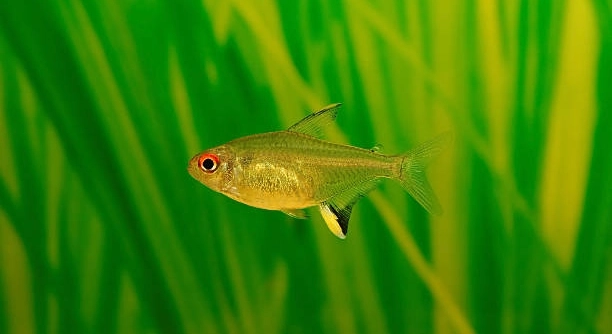
Do you ever notice your lemon tetra eagerly swimming to the surface during feeding, yet still leave uneaten food behind? Watching them enjoy their meals can be satisfying, but too much food can quietly create problems.
Overfeeding lemon tetra can lead to serious health and water quality issues. Excess food causes digestive stress, obesity, and increases waste in the tank, which promotes harmful bacterial growth and can damage the aquarium ecosystem if left unmanaged.
Even small changes in feeding habits can make a big difference, affecting both the fish’s health and the overall tank environment. Proper care ensures your tetra thrives in a balanced, clean habitat.
Signs of Overfeeding Lemon Tetra
When lemon tetra are overfed, there are several noticeable signs. Fish may become sluggish and spend more time at the bottom of the tank. Uneaten food often floats or sinks, leading to cloudy water and an increase in algae growth. Their bellies can appear bloated, and swimming patterns may seem less coordinated. Overfeeding can also make the fish more prone to diseases, as excess waste stresses their immune system. In addition, the tank itself shows changes. Filters can clog faster, and water parameters may fluctuate due to decaying food. Monitoring your tetra during feeding helps identify early signs. Adjusting portion sizes and timing is important to keep the tank healthy. Observing both fish behavior and tank conditions together provides a clearer picture. Over time, consistent overfeeding may reduce the overall lifespan of lemon tetra. By recognizing these signs, small changes can prevent long-term problems.
Maintaining regular observation helps detect overfeeding early and protects both fish health and tank quality efficiently.
Proper feeding techniques include offering small portions multiple times a day rather than a large single feeding. Using a feeding ring or measuring food ensures the fish consume what they need without excess. Removing leftover food promptly prevents water pollution and keeps the environment stable.
Health Risks of Overfeeding
Excessive food intake can strain a lemon tetra’s digestive system and cause bloating.
Overfeeding increases the risk of fatty liver disease, constipation, and swim bladder disorders in lemon tetra. Digestive issues make the fish more susceptible to infections. A poor diet combined with leftover food in the tank can lead to elevated ammonia and nitrate levels, which further harm fish health. Chronic overfeeding reduces activity, weakening their natural defense against illness. Water quality is directly affected, encouraging bacterial and fungal growth that can infect the fish. Proper portion control and observation are essential to prevent these problems. Healthy feeding habits support long-term vitality and vibrant behavior. Regularly monitoring the tank and adjusting food portions based on fish consumption helps maintain a safe environment. Understanding these risks allows caretakers to create a stable habitat while minimizing stress. By keeping feeding in check, lemon tetra can live healthier, longer lives and display natural, active behaviors consistently.
Proper Feeding Practices
Feeding lemon tetra small amounts two to three times daily helps prevent overfeeding. Observing how much they eat in a few minutes ensures leftovers are minimized.
Using a pinch of high-quality flake or micro-pellets keeps portions controlled. It’s better to offer less food and add more if needed than to give too much at once. Consistency is key; feeding at the same times daily helps regulate their metabolism and behavior. Removing uneaten food promptly prevents water quality issues. Rotating food types, including occasional frozen or live options, provides balanced nutrition without overloading their system.
Measuring food with a small spoon or feeding ring ensures precise portions. Overfeeding often happens when estimations are used. Tracking how much each fish consumes can reduce waste. Observation also helps notice appetite changes, which can indicate health issues. Adjusting feeding routines based on tank size, fish number, and water conditions creates a stable environment, preventing stress and long-term problems caused by excess food.
Maintaining a Clean Tank
Uneaten food quickly affects water quality, producing ammonia and nitrates.
Regular water changes and prompt removal of leftover food keep the tank healthy. Using a siphon to clean the substrate removes trapped debris that can harm fish. Filters should be checked frequently and cleaned as recommended to maintain proper circulation. Maintaining stable water parameters reduces stress on lemon tetra and lowers the risk of disease caused by poor conditions. A clean tank ensures that overfeeding does not turn into a serious issue for both fish and aquarium.
Balancing feeding with tank maintenance is crucial. Even moderate overfeeding can have cumulative effects if cleaning routines are neglected. Observing water clarity, testing ammonia and nitrate levels, and monitoring fish behavior helps identify potential problems early. Adjusting feeding based on tank size and fish population supports a stable environment. Tools like fine mesh nets or siphons simplify food removal, while routine filter checks maintain efficiency. Maintaining a proper cleaning schedule combined with mindful feeding habits reduces stress, improves water quality, and supports healthier, more active lemon tetra.
Choosing the Right Food
Selecting the correct food prevents overfeeding and supports health. Flakes, micro-pellets, and occasional frozen options offer balanced nutrition.
Avoid oversized portions or low-quality food. High-quality options digest better, reducing waste buildup and maintaining water clarity in the tank.
Portion Control Techniques
Using a small spoon or measuring tool ensures accurate portions for lemon tetra. Limiting each feeding to what they can consume in a few minutes prevents leftovers. Consistent portioning reduces stress on the fish and lowers the risk of digestive problems. Monitoring daily intake allows adjustments based on activity and appetite, maintaining healthy growth. Over time, portion control helps establish a predictable routine that keeps both fish and tank conditions stable. This practice also prevents sudden spikes in waste and maintains optimal water quality. Tracking consumption can highlight early signs of health issues, ensuring quick intervention.
Observing Fish Behavior
Changes in swimming or appetite can indicate overfeeding. Watching your tetra regularly helps maintain proper health.
Benefits of a Balanced Diet
A balanced diet keeps lemon tetra active, vibrant, and less prone to illness. Proper nutrition supports growth, immunity, and natural coloration, enhancing overall wellbeing.
FAQ
How often should I feed my lemon tetra?
Feeding two to three small portions per day is ideal. Each serving should be consumed within a few minutes to prevent leftovers. Maintaining a consistent schedule helps regulate metabolism and keeps fish active and healthy.
What happens if I overfeed my lemon tetra once in a while?
Occasional overfeeding may not cause immediate harm, but repeated instances increase waste in the tank, leading to water quality issues. Over time, even occasional overfeeding can stress digestion and make fish more prone to disease. It’s best to correct feeding amounts promptly.
Can leftover food harm my aquarium?
Yes, uneaten food decomposes, raising ammonia and nitrate levels. This can lead to cloudy water, algae growth, and toxic conditions for fish. Promptly removing leftover food and cleaning the substrate prevents these problems.
Which foods are safest for lemon tetra?
Small flake foods, micro-pellets, and occasional frozen or live foods provide balanced nutrition. High-quality options digest quickly and minimize waste. Avoid oversized portions or low-grade foods, which can contribute to digestive issues and overfeeding problems.
How do I know if my tetra is overfed?
Signs include bloated bellies, sluggish swimming, and leftover food in the tank. Water may appear cloudy, and algae growth can increase. Behavioral changes, like spending more time at the bottom, often indicate stress from overfeeding.
Is it better to feed once or multiple times a day?
Multiple small feedings are better than one large feeding. Small portions are easier to digest, reduce waste, and maintain stable water quality. Observing how much the fish eat in a few minutes ensures no excess remains.
How do I adjust feeding if I see leftovers?
Reduce portion sizes gradually until the food is fully consumed within minutes. Consistency is key, and monitoring fish behavior alongside water quality helps fine-tune feeding amounts.
Can overfeeding shorten my fish’s lifespan?
Yes, chronic overfeeding can cause obesity, digestive problems, and stress from poor water quality. These factors collectively reduce lifespan and can lead to long-term health complications if not addressed.
Should I change feeding habits if water quality drops?
Absolutely. If ammonia, nitrate, or nitrite levels rise, reduce feeding immediately and remove any uneaten food. Regular water tests and partial water changes help restore safe conditions for lemon tetra.
Are frozen or live foods necessary for a healthy diet?
They are not strictly necessary but provide variety and added nutrients. Occasional frozen or live foods enhance color and support natural behaviors, complementing a staple diet of flakes or micro-pellets.
How do I prevent overfeeding in a community tank?
Feed small, measured portions and monitor which fish eat first. Remove uneaten food quickly, and consider feeding slower eaters separately if needed. Keeping track of tank population and individual consumption helps maintain balance and prevents overfeeding issues.
Can overfeeding affect fish behavior?
Yes, overfed lemon tetra may become less active, spend more time near the bottom, and show irregular swimming. Digestive discomfort and water stress often change natural behaviors, signaling the need to adjust feeding routines.
What tools help control portions accurately?
Small spoons, feeding rings, or dedicated portion containers work well. Measuring food ensures fish receive the right amount without excess. Consistency in tools and methods helps maintain long-term feeding accuracy and tank stability.
How long should I observe fish after adjusting feeding?
Monitor behavior, water clarity, and leftover food for several days. Observing changes helps confirm the new feeding routine meets their needs and prevents repeated overfeeding or water quality issues.
Are there signs of permanent damage from overfeeding?
Severe cases may result in chronic obesity, swim bladder problems, or fatty liver disease. Early detection and proper feeding adjustments can prevent long-term health impacts, but prolonged overfeeding can leave lasting effects on metabolism and behavior.
Can overfeeding affect breeding in lemon tetra?
Yes, poor nutrition and excess weight can reduce fertility and egg quality. Maintaining balanced portions and proper nutrition supports healthier reproductive behavior and improves the chances of successful breeding outcomes.
How do I know if my tank size affects feeding?
Smaller tanks are more sensitive to leftover food and waste. Overfeeding in confined spaces quickly degrades water quality. Observing water clarity, algae growth, and fish activity helps determine appropriate portion sizes for your specific tank size.
Are there differences in feeding juvenile and adult lemon tetra?
Juveniles require smaller, more frequent portions to support growth, while adults need moderate amounts. Adjust feeding based on size, appetite, and activity, ensuring each group receives the right nutrition without overfeeding.
What is the easiest way to prevent overfeeding long-term?
Establish a consistent routine, measure portions carefully, remove leftovers promptly, and monitor fish behavior. Regular water testing and periodic adjustments to feeding amounts help maintain a healthy tank environment and support fish well-being.
How can I teach others in my household to feed correctly?
Label feeding portions, provide clear instructions, and demonstrate proper measurement. Consistency among all caregivers ensures lemon tetra receive the correct amount, preventing accidental overfeeding and keeping the tank stable.
Overfeeding lemon tetra can seem harmless at first, especially when the fish eagerly swim to the surface during feeding. It is easy to think that giving them extra food is a sign of care, but the reality is that too much food can quickly cause problems. Excess food leads to water contamination, increasing ammonia and nitrate levels that stress the fish and encourage algae growth. Over time, this not only affects water quality but also the overall health of the fish. They may become sluggish, experience bloating, or develop digestive issues that reduce their natural activity. Observing how your lemon tetra respond to feeding is crucial. Paying attention to leftover food, swimming behavior, and changes in appearance helps identify overfeeding early, which can prevent more serious problems. By keeping portions small and consistent, the tank environment stays balanced and safe for all inhabitants.
Maintaining proper feeding practices is a simple way to support the long-term health of lemon tetra. Small, measured portions given multiple times a day are more effective than a single large feeding. Using high-quality flake food, micro-pellets, and occasionally offering frozen or live foods ensures they receive a balanced diet without overloading their digestive system. Removing any uneaten food promptly keeps water clean and prevents bacterial buildup. Regular monitoring of water quality, including ammonia and nitrate levels, helps identify any issues before they escalate. Even minor changes in feeding routines, like adjusting portion sizes or frequency, can make a significant difference in fish health. Proper feeding combined with routine tank maintenance, such as substrate cleaning and filter checks, creates a stable environment that supports healthy behavior, vibrant colors, and natural activity.
Understanding the impact of overfeeding allows caretakers to make informed decisions for their aquarium. Lemon tetra are small, active fish, and their wellbeing depends heavily on balanced nutrition and clean water. Following guidelines for portion control, feeding frequency, and food selection reduces stress and prevents common health issues like bloating, swim bladder disorders, and weakened immunity. Overfeeding is a manageable risk if approached with care and observation. Keeping track of fish behavior, appetite, and water conditions helps maintain a healthy, thriving tank. By implementing consistent, mindful feeding practices, caretakers ensure that lemon tetra live longer, more active lives while preserving a clean and balanced aquarium environment. Proper care supports their natural behaviors and allows them to flourish in a safe, stable habitat, providing satisfaction for both the fish and the person maintaining the tank.

Hello,
If you enjoy the content that we create, please consider saying a "Thank You!" by leaving a tip.
Every little bit helps us continue crafting quality advice that supports the health, happiness, and well-being of pets around the world, for pets of all shapes, sizes, and species.
We really appreciate the kindness and support that you show us!