
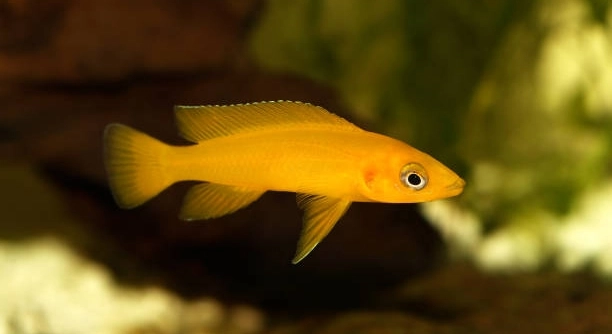
Lemon tetras are small, lively fish that brighten any freshwater aquarium. Observing their daily habits can be rewarding, especially when they interact with their environment and respond to routines in subtle, fascinating ways.
Lemon tetras are capable of learning feeding times through repeated exposure to consistent schedules. They can associate visual and environmental cues with food delivery, demonstrating basic time-based conditioning similar to other small tropical fish species in controlled settings.
Knowing how these fish adapt to routines can improve their care and create a more engaging aquarium experience. Proper observation can make feeding times smoother and more predictable.
Understanding Lemon Tetra Behavior
Lemon tetras are active and social fish that thrive in groups. They naturally swim in schools, which provides them a sense of security and helps them feel confident in their surroundings. Observing their daily routines, including how they respond to feeding, can give insight into their learning patterns. These fish are sensitive to changes in lighting, tank layout, and the presence of other species. Small adjustments in their environment can influence their behavior significantly. For example, introducing new decorations or altering water flow can temporarily make them cautious or hesitant. Maintaining consistency in their habitat helps them feel secure. Over time, they begin to recognize patterns, including feeding times, and respond accordingly. This makes care easier for those who want a predictable routine. Lemon tetras also communicate subtly through fin movements and positioning in the tank, which can indicate their mood and readiness to eat. Watching these cues helps in providing timely care and support.
Consistency in environment and feeding helps lemon tetras feel secure, encouraging them to interact more actively with their surroundings and peers.
Recognizing behavioral patterns in lemon tetras allows caretakers to optimize tank conditions. By observing swimming patterns, reactions to light, and group interactions, owners can ensure the fish remain healthy and active. Creating a calm and stable environment reduces stress, encourages schooling, and improves feeding responses. This attentiveness strengthens the caretaker’s ability to support their fish effectively.
Training Lemon Tetras to Feeding Times
Lemon tetras respond well to predictable feeding schedules when repeated consistently over time.
By introducing food at the same time each day, these fish can learn to anticipate feeding. Visual cues, such as a hand approaching the tank or a specific light pattern, reinforce this learning. Start by feeding small amounts daily, gradually maintaining the same schedule. Avoid sudden changes in timing, as this may confuse them. Observing their responses over several days can help identify if they recognize the pattern. Lemon tetras are intelligent enough to associate consistent cues with rewards, and patience is key in this process. Timing feedings with attention to their activity levels ensures they stay healthy and reduces competition among the group. Over weeks, they begin to swim closer to the feeding area as the expected time approaches, demonstrating that they have learned the routine.
Regular observation and consistency in feeding allow these fish to develop a sense of time. Repetition strengthens their learning, improves response to cues, and encourages smoother interactions during feeding periods. Maintaining a steady environment supports their health and enhances the overall aquarium experience.
Signals That Lemon Tetras Recognize Feeding
Lemon tetras respond to consistent signals such as approaching hands, shaking food containers, or specific light changes. These cues help them anticipate feeding and gather near the designated area before food appears. Observing these signals confirms their ability to recognize routine patterns.
Over time, lemon tetras begin associating visual and environmental cues with mealtime. They may swim closer to the feeding area, gather near the surface, or display increased activity. This behavior shows they are learning through repetition and consistency. Using the same signals daily reinforces this understanding, helping them develop a predictable response. Careful observation ensures that all fish are reacting appropriately, which supports their overall health.
Feeding signals also help reduce stress and competition within the tank. When tetras recognize cues, they prepare for food without rushing or fighting. This smoother routine ensures they all get their share and encourages calmer interactions. By maintaining predictable patterns, caretakers can create a structured environment that supports both learning and general well-being.
Tips for Consistent Feeding
Consistency in timing and signals improves lemon tetras’ learning efficiency and overall tank harmony.
Establishing a fixed feeding schedule helps these fish anticipate meals and respond naturally. Providing the same type and quantity of food each time prevents confusion and ensures nutritional balance. Using consistent hand movements or light changes reinforces this routine, allowing tetras to recognize feeding periods quickly. Careful monitoring prevents overfeeding, which can harm water quality and fish health. Additionally, consistency builds trust within the tank environment. Observing reactions daily helps fine-tune the process, ensuring all fish adapt successfully.
Small adjustments in feeding techniques, such as gradual changes in food placement or portion size, maintain engagement and reduce stress. Predictable routines support their internal biological rhythms, promoting activity and reducing erratic behavior. Consistency in tank maintenance and feeding not only strengthens the tetras’ ability to learn but also encourages a calmer, healthier environment overall. With patience and attention, caretakers can optimize feeding practices while supporting both the physical and behavioral well-being of their lemon tetras.
Common Feeding Mistakes
Overfeeding lemon tetras can lead to poor water quality and stressed fish. Giving too much food at once encourages waste buildup and unhealthy swimming behavior.
Irregular feeding schedules can confuse the fish, making them less responsive to cues. Sticking to consistent times helps them learn and remain active throughout the day.
Using Environmental Cues
Environmental cues such as lighting changes, specific tank decorations, or even gentle vibrations can signal feeding time. Lemon tetras quickly associate these cues with food when applied consistently, improving their ability to anticipate meals and reinforcing their learning over time.
Observing Group Dynamics
Watching how lemon tetras interact during feeding reveals dominance hierarchies and social behavior. Some may reach the food first while others follow, reflecting natural schooling patterns.
FAQ
Can lemon tetras really learn feeding times?
Yes, lemon tetras can learn feeding times with consistency and repetition. They respond to visual and environmental cues, gradually associating them with food delivery. Over days or weeks, they begin swimming closer to the feeding area as mealtime approaches, showing that they recognize patterns.
How long does it take for lemon tetras to learn feeding schedules?
Typically, lemon tetras start showing recognition within a week if feeding occurs at the same time daily. Full adaptation may take two to three weeks. Consistency, patience, and clear cues, such as hand movement or light changes, are essential for establishing this routine effectively.
What types of food work best for training them?
Small, easily digestible foods like flakes, micro-pellets, and finely crushed freeze-dried options work best. Foods that disperse slowly in water encourage the tetras to stay in the feeding area longer, reinforcing the learning process. Variety also helps maintain interest and nutrition.
Can multiple tetras learn together?
Yes, schooling behavior helps reinforce learning. When one fish reacts to feeding cues, others quickly follow, creating a group response. Observing their interactions ensures all fish are feeding properly and can help identify if some are not adapting to the schedule.
Do environmental changes affect their learning?
Sudden changes in lighting, decorations, or water flow can confuse lemon tetras and temporarily disrupt their recognition of feeding times. Keeping tank conditions stable while introducing cues gradually ensures they can focus on learning without stress.
Is it possible to overfeed them while training?
Overfeeding can be an issue if food is left in the tank too long. Feed small portions that they can finish in a few minutes. Excess food can pollute the water and lead to health problems, counteracting the benefits of a structured feeding routine.
What are the best cues to use?
Visual cues like approaching hands, tapping the food container, or slight changes in light work well. Consistency matters more than complexity. The goal is for the fish to associate a specific action or signal with the arrival of food.
Do lemon tetras show signs of stress during training?
Signs of stress include hiding, erratic swimming, or refusal to eat. If these behaviors appear, adjust the feeding routine, ensure water quality is stable, and avoid sudden changes. A calm, predictable environment helps reduce stress and supports learning.
Can feeding schedules improve their overall health?
Yes, predictable feeding supports digestion, reduces competition, and stabilizes activity levels. Structured routines contribute to their well-being, encourage normal behavior, and make tank management easier for caretakers. Healthy fish are more responsive to cues and interact naturally within their environment.
What if some fish do not respond to the routine?
Individual fish may adapt at different speeds. Observe the group and adjust portions or timing if necessary. Ensuring that all fish get equal access to food prevents bullying and encourages full participation in the feeding schedule. Patience and observation are key.
Are there any tools to help with feeding times?
Automatic feeders can reinforce consistency, especially if you maintain the same time each day. They deliver measured amounts, preventing overfeeding while maintaining a predictable schedule, though human observation is still important to monitor fish health and behavior.
Can cues be changed once learned?
Yes, but it requires gradual transition. Introduce new cues slowly alongside old ones, then phase out the original signal. Sudden changes may confuse the tetras, so patience is necessary to help them adapt to a new routine.
Do juvenile lemon tetras learn as easily as adults?
Juveniles may take slightly longer to recognize cues because they are still developing. However, they are generally adaptable and benefit from early exposure to consistent feeding routines, which helps establish habits that continue into adulthood.
How often should feeding times be adjusted?
Feeding times should remain consistent to strengthen recognition. Occasional minor adjustments are possible, but frequent changes can confuse the fish and reduce the effectiveness of learned routines. Stability is key for training success and tank harmony.
Can stress or illness affect their learning?
Yes, stressed or sick fish may ignore cues or eat less. Ensuring water quality, proper diet, and a calm environment supports both health and learning capacity. Addressing these factors helps maintain effective routines without causing harm to the tetras.
Is it normal for some tetras to be less responsive?
Yes, individual temperament affects learning speed. Some tetras are naturally more cautious or shy, while others are bold. Observing their behavior and adjusting feeding strategies ensures all fish gradually adapt to the routine without undue stress.
Does the type of tank affect learning?
Tank size, décor, and flow influence how effectively tetras respond to cues. A well-structured, stable environment allows clear visual access to feeding areas, supporting recognition and reducing distractions during meal times. Consistency in tank setup is important for predictable behavior.
Can lemon tetras remember feeding times long-term?
Yes, once a routine is established, they can remember feeding times for extended periods. Consistency and reinforcement strengthen memory, allowing tetras to anticipate food even after short breaks, demonstrating their capacity for time-based learning.
What is the best way to start a feeding schedule?
Begin by selecting a fixed time each day, offering small portions, and using a clear cue. Observe their response, maintain consistency, and gradually reinforce the routine. Patience and steady repetition are essential to help lemon tetras recognize and adapt to the schedule effectively.
How can caretakers monitor progress?
Keep notes on response times, activity levels, and group behavior during feeding. Monitoring allows identification of fish that may need additional attention, helps refine cues, and ensures all tetras benefit from the structured routine. Adjustments can be made based on these observations to maintain success.
Are there signs that the learning is successful?
Indicators include tetras gathering near the feeding area before food is added, increased activity at cue presentation, and reduced competition or stress during feeding. Consistent responses over several days confirm that the fish have learned the schedule.
Lemon tetras are small, lively fish that respond well to consistency and routine. Observing their behavior closely reveals that they are capable of learning patterns, including feeding times, through repetition and environmental cues. By establishing a consistent feeding schedule, caretakers can help these fish develop predictable responses. Visual signals, such as approaching hands or tapping the food container, work particularly well when repeated at the same time daily. Over time, lemon tetras begin to associate these cues with mealtime, often swimming toward the feeding area or displaying heightened activity as the expected time approaches. This behavior demonstrates that even small tropical fish are capable of basic learning and memory, which can make aquarium management easier and more rewarding.
Consistency is key when helping lemon tetras recognize feeding schedules. Irregular feeding or sudden changes in timing can confuse the fish and reduce their responsiveness. Maintaining stable water conditions and a calm environment also supports their learning. Small adjustments, such as introducing cues gradually or offering food in consistent portions, can reinforce positive behavior. Overfeeding should be avoided, as excess food can pollute the water and create health issues. Observing group dynamics during feeding helps ensure all fish are responding and receiving adequate nutrition. Some individuals may be slower to adapt, and patience is necessary to allow them to catch up. By paying attention to both individual and group behavior, caretakers can optimize feeding routines, support well-being, and create a more predictable aquarium environment.
Structured feeding routines benefit both lemon tetras and their caretakers. Fish that learn and recognize feeding times tend to be more active, less stressed, and healthier overall. Predictable schedules reduce competition during feeding and allow caretakers to monitor fish more effectively. Using simple cues, maintaining consistency, and observing responses closely strengthens learning and supports overall tank management. This approach allows caretakers to enjoy the behavior and interaction of their fish without creating unnecessary stress or confusion. With steady practice and attention, lemon tetras can reliably respond to feeding cues, making their care straightforward while enhancing their quality of life. Consistent routines, careful observation, and patience ultimately create a stable and harmonious aquarium environment for these small, colorful fish.

Hello,
If you enjoy the content that we create, please consider saying a "Thank You!" by leaving a tip.
Every little bit helps us continue crafting quality advice that supports the health, happiness, and well-being of pets around the world, for pets of all shapes, sizes, and species.
We really appreciate the kindness and support that you show us!