
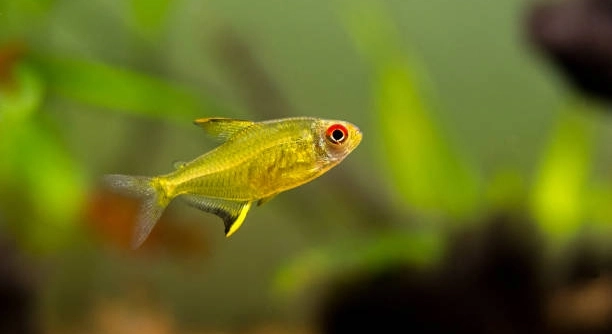
Have you ever noticed your lemon tetras looking dull despite regular feeding? Watching their bright yellow color fade can be disappointing for any aquarium enthusiast. Proper care and diet play a key role in keeping their colors vibrant.
Feeding lemon tetras a diet rich in natural pigments, high-quality proteins, and essential nutrients enhances their coloration. Foods like carotenoid-rich flakes, live or frozen brine shrimp, and spirulina can intensify yellow and orange hues effectively.
Maintaining their vibrant appearance requires consistent feeding habits and knowledge of color-boosting foods. Understanding what works can make a noticeable difference in your aquarium’s visual appeal.
High-Quality Flake Foods
Flake foods designed for tropical fish are a staple in a lemon tetra’s diet. They are convenient, balanced, and often enriched with natural pigments like carotenoids that enhance yellow and orange coloration. Choosing a high-quality flake ensures your tetras receive essential vitamins and minerals. Some brands specifically formulate their flakes to boost color, including ingredients such as astaxanthin, spirulina, and krill meal. Regular feeding of these flakes can gradually make your fish appear brighter and more vibrant. It is important to avoid overfeeding, as leftover flakes can pollute the water and stress your fish. For best results, feed small portions two to three times daily. Mixing flakes with other foods like frozen or live options can provide a more varied diet and promote both color and overall health. Observing how your lemon tetras respond to different flakes can help you select the best option for enhancing their appearance.
Flakes enriched with natural pigments provide consistent nutrition and help maintain bright, vibrant colors in lemon tetras.
Including high-quality flakes in a regular feeding schedule supports your tetras’ immune system and reduces the risk of nutritional deficiencies. While flakes alone can improve color, combining them with live or frozen foods maximizes pigment absorption. Rotating different flake types prevents boredom and ensures a balanced intake of proteins, vitamins, and minerals. Feeding small amounts prevents water quality issues and helps your tetras digest properly. Over time, consistent flake feeding results in noticeably brighter colors and healthier, more active fish.
Live and Frozen Foods
Live and frozen foods like brine shrimp or daphnia are excellent for enhancing coloration in lemon tetras.
These foods are rich in protein and carotenoids, which naturally intensify the yellow and orange tones in your fish. Brine shrimp, in particular, are high in astaxanthin, a pigment that improves brightness and vibrancy. Feeding your tetras live or frozen foods a few times each week ensures they get nutrients not always found in flakes. Many lemon tetras respond quickly, showing a noticeable color boost after just a few feedings. Incorporating these foods also encourages natural foraging behavior, which can improve their activity and overall health. Care should be taken to source these foods from reputable suppliers to avoid contamination or parasites that could harm your aquarium. Combining live or frozen options with regular flakes creates a balanced diet that supports both color and vitality. Regularly observing your fish will help you adjust feeding frequency for optimal results.
Spirulina Supplements
Spirulina is a blue-green algae that is highly effective at enhancing yellow and orange coloration in lemon tetras. It is rich in natural pigments, protein, and vitamins that support overall health and vibrant colors. Regular inclusion can noticeably improve brightness.
Spirulina can be offered in flake, powder, or pellet form. Its high carotenoid content directly contributes to the intensity of a lemon tetra’s coloration, while the protein helps maintain growth and energy. Many aquarists notice more vivid yellow hues after a few weeks of consistent feeding. It can be mixed with regular flake food or offered as a standalone supplement. Spirulina is also gentle on the digestive system, making it suitable for daily feeding. Monitoring the quantity ensures water quality is not affected by excess uneaten portions.
In addition to color benefits, spirulina boosts immunity and overall vitality. Lemon tetras fed spirulina often display more active behavior and healthier fins. Its natural composition reduces the risk of diet-related deficiencies, creating a well-rounded nutritional plan. Combining spirulina with live or frozen foods enhances pigment absorption, giving a deeper, richer yellow appearance. Consistency is key, as gradual feeding leads to long-term improvements without shocking the fish’s system.
Color-Enhancing Freeze-Dried Foods
Freeze-dried foods such as bloodworms and krill are rich in carotenoids and proteins that improve lemon tetra coloration. They are convenient and have a long shelf life.
These foods maintain most of their nutrients after drying, making them excellent supplements to a regular diet. Bloodworms are particularly appealing to lemon tetras and can stimulate natural hunting instincts. Krill provides astaxanthin, which is vital for deepening yellow and orange hues. Regular feeding two to three times a week is sufficient to see visible color improvements. Care should be taken to soak freeze-dried foods briefly to prevent digestive issues. Combining them with flakes and live foods creates a balanced approach.
In addition to color benefits, freeze-dried foods add variety and enrichment to your aquarium. Rotating between bloodworms, krill, and other options keeps your tetras engaged and encourages natural feeding behavior. Nutrient-rich freeze-dried foods can complement spirulina and live foods, providing essential amino acids and fatty acids needed for growth and vitality. Ensuring proper storage prevents nutrient loss and maintains quality. Over time, consistent inclusion of freeze-dried foods results in brighter, more intense yellow tones while supporting overall health. Observing your tetras’ response helps tailor feeding frequency and portion sizes.
Daphnia
Daphnia, often called water fleas, are excellent live foods for lemon tetras. They are rich in carotenoids and protein, which support bright coloration and overall health. Feeding small amounts regularly helps maintain vivid yellow tones.
They also encourage natural foraging behavior. Daphnia keeps tetras active and engaged, which can enhance their appearance and vitality over time.
High-Protein Brine Shrimp
Brine shrimp are packed with nutrients that directly improve lemon tetra color. Their high protein and astaxanthin content boost yellow and orange pigmentation. Feeding them regularly stimulates growth, enhances energy, and keeps your fish healthy. Brine shrimp can be offered live, frozen, or newly hatched, making them a flexible addition to the diet.
Vegetable Additions
Blanched vegetables like spinach or zucchini provide vitamins and trace nutrients that support color development. Small amounts added to the diet promote overall health.
FAQ
What is the best food to enhance lemon tetra color?
The most effective foods are those rich in natural pigments like carotenoids and astaxanthin. High-quality flake foods, spirulina supplements, and live or frozen options such as brine shrimp, daphnia, and bloodworms are all excellent choices. Rotating these foods ensures a balanced diet while gradually intensifying yellow and orange tones in your tetras. Consistent feeding is key to seeing noticeable improvements over time.
How often should I feed color-boosting foods?
Feeding small portions two to three times per day is ideal. Overfeeding can harm water quality and stress fish, while underfeeding may slow color development. Live and frozen foods like brine shrimp or daphnia can be given a few times per week in addition to daily flake or spirulina supplements. Keeping a consistent schedule helps your fish absorb pigments effectively.
Can color fade even with a proper diet?
Yes, color fading can occur due to stress, poor water conditions, or illness. Even with a nutrient-rich diet, factors like fluctuating temperatures, high nitrate levels, and overcrowding can reduce brightness. Maintaining stable water parameters and a clean tank is just as important as providing pigment-rich foods. Observing behavior and environment regularly helps identify issues early.
Are spirulina and freeze-dried foods necessary for all lemon tetras?
While not absolutely required, adding spirulina or freeze-dried foods like krill and bloodworms significantly enhances color. These foods are rich in carotenoids that aren’t always present in standard flakes. Including them a few times per week supports pigment development, immune health, and overall vitality, giving your tetras a brighter, healthier appearance.
How long does it take to see results from color-boosting diets?
Visible changes usually appear within two to four weeks of consistent feeding. Some fish may respond faster depending on age, health, and prior diet. Gradual improvement is normal, and sudden changes in color are often a sign of stress or environmental issues rather than dietary effects. Patience and routine are essential.
Can overfeeding color-enhancing foods harm my fish?
Yes, overfeeding can cause poor water quality, obesity, and digestive issues. Uneaten food can decay and produce ammonia, which stresses tetras and may lead to disease. Feeding small, controlled portions ensures nutrient absorption while maintaining a clean, safe tank environment. Monitoring intake and adjusting amounts is recommended.
Do vegetables really improve coloration?
Vegetables like spinach, zucchini, and peas provide vitamins and trace nutrients that support overall health, indirectly helping color retention. While they do not contain high levels of pigments, they promote digestion and general vitality, which contributes to a brighter and more consistent coloration when combined with protein-rich, pigment-heavy foods.
Is it necessary to combine live, frozen, and flake foods?
Yes, combining these food types provides a complete diet. Flakes offer daily nutrition, spirulina and freeze-dried foods enhance color, and live or frozen foods supply protein and natural pigments. A varied diet keeps fish engaged, supports growth, and ensures optimal coloration over time. This combination mimics natural feeding patterns effectively.
Can stress affect lemon tetra color?
Absolutely. Stress from overcrowding, aggressive tank mates, sudden water changes, or poor quality water can cause dulling of colors. Even a perfect diet won’t fully restore brightness if stress factors persist. Reducing stress through stable conditions, proper tank setup, and compatible companions is crucial for maintaining vivid coloration.
What is the easiest way to monitor color improvement?
Regularly observing your tetras under consistent lighting and noting any gradual changes in hue is effective. Taking photos weekly can help track progress objectively. Pairing this with monitoring water quality and diet adjustments ensures improvements are both noticeable and sustainable, giving a clear view of your fish’s health and color development.
This FAQ covers the essential aspects of feeding and care needed to maintain bright, vibrant lemon tetra colors while keeping their overall health strong.
Feeding lemon tetras the right diet plays a major role in keeping their colors bright and healthy. Foods rich in natural pigments like carotenoids, astaxanthin, and spirulina can make a visible difference in the intensity of yellow and orange tones. High-quality flake foods provide a balanced daily diet, while live or frozen options such as brine shrimp and daphnia offer additional protein and nutrients. Freeze-dried foods like bloodworms or krill are convenient supplements that further support color enhancement. Including blanched vegetables like spinach or zucchini adds important vitamins and trace nutrients that help maintain overall health. Combining these options in a consistent feeding routine ensures that lemon tetras not only display vibrant colors but also stay active and strong. Over time, a varied diet like this helps fish develop more consistent coloration, reducing dull patches and fading caused by nutritional gaps.
Maintaining proper water conditions is equally important for color retention. Even the best diet will have limited effect if water quality is poor or stress levels are high. Lemon tetras thrive in clean, stable environments with consistent temperature, moderate water flow, and low nitrate levels. Regular water changes and careful monitoring of tank parameters keep fish healthy, allowing them to make the most of their color-boosting foods. Stress from overcrowding, incompatible tank mates, or sudden environmental changes can dull their colors, even with a nutrient-rich diet. Observing behavior alongside physical appearance is a good way to assess overall health. Bright, alert, and active fish are usually receiving proper nutrition and living in suitable conditions. Paying attention to both diet and environment ensures that color improvements are long-lasting and sustainable.
Consistency is key when working to enhance lemon tetra coloration. Gradual, steady improvements are normal, and expecting sudden changes can lead to frustration. Feeding small portions regularly and rotating between different types of color-enhancing foods helps prevent overfeeding while providing essential nutrients. Tracking progress over weeks rather than days allows you to see real differences in vibrancy. Combining nutrition with proper care, attention to water quality, and minimizing stress ensures your lemon tetras display their best colors naturally. By focusing on these simple but essential steps, you can enjoy a lively aquarium filled with fish that not only look vibrant but also remain healthy and active for years.

Hello,
If you enjoy the content that we create, please consider saying a "Thank You!" by leaving a tip.
Every little bit helps us continue crafting quality advice that supports the health, happiness, and well-being of pets around the world, for pets of all shapes, sizes, and species.
We really appreciate the kindness and support that you show us!