
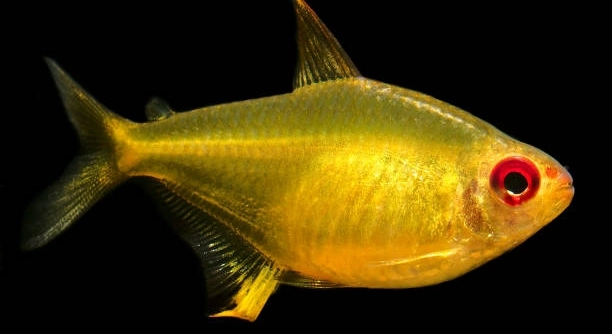
Lemon tetras are small, vibrant fish that bring life to home aquariums. Many fish owners want to provide safe water while keeping their tanks simple and easy to maintain. Their care starts with understanding water conditions.
Lemon tetras can handle tap water if it is properly treated and conditioned. Chlorine, chloramine, and heavy metals must be removed, and water parameters such as pH and hardness should be within the species’ tolerable range to ensure health and longevity.
Ensuring proper water quality will support your tetras’ growth, color, and overall well-being, making it easier to maintain a thriving aquarium environment.
Understanding Tap Water for Lemon Tetras
Tap water is the most convenient source for aquarium owners, but it requires preparation before it becomes safe for lemon tetras. Municipal water often contains chlorine or chloramine, which are harmful to fish even in small amounts. Heavy metals like copper or lead can also be present, depending on your local water supply. A reliable water conditioner neutralizes these chemicals quickly, making the water safe for delicate species. Testing water parameters is equally important. Lemon tetras prefer slightly acidic to neutral pH and moderate hardness. Frequent monitoring helps prevent sudden changes that can stress your fish. Temperature is another factor to consider, as these tetras thrive in warmer water, typically between 23°C and 28°C. Maintaining stable water conditions reduces disease risk and promotes natural behavior, including schooling and active swimming. Establishing a regular maintenance routine will support a healthy, colorful, and lively aquarium.
Proper preparation of tap water prevents unnecessary stress and supports a healthy environment for lemon tetras.
Regular water tests and conditioner use help keep fish healthy and maintain consistent tank conditions over time.
Signs Tap Water May Be Unsafe
Cloudy water, unusual fish behavior, and sudden deaths can indicate untreated tap water issues.
Even when using treated water, occasional spikes in ammonia or nitrites can occur. Monitoring these parameters allows you to act quickly if the water becomes unsafe. Tank filtration is important, as it removes debris and promotes a stable environment. Inexperienced caretakers may overlook minor changes in water chemistry, which can affect fish health over time. Consistency in maintenance, such as partial water changes and filter cleaning, ensures the tank remains safe. Lemon tetras are sensitive to abrupt changes, and repeated exposure to untreated chemicals can weaken their immune systems. A well-kept tank encourages proper feeding habits and social behavior, helping fish display their natural colors and activity levels. Maintaining awareness of tap water quality is an essential step toward a thriving aquarium and reduces the likelihood of unexpected health problems.
Preparing Tap Water for Lemon Tetras
Using a water conditioner immediately neutralizes chlorine and chloramine, making tap water safe for your lemon tetras. Dechlorinating the water prevents stress and potential gill damage, which can occur even with brief exposure to untreated water.
After treating the water, it is important to test the pH, hardness, and temperature. Lemon tetras prefer slightly acidic to neutral water, around 6.5 to 7.0 pH, with moderate hardness. Maintaining a stable temperature between 23°C and 28°C ensures fish remain active and healthy. Sudden changes can lead to stress, loss of appetite, and color fading. Regular checks and adjustments create a predictable environment, helping tetras thrive.
Partial water changes are essential to keep water quality consistent. Removing 20-25% of old water weekly prevents buildup of nitrates and waste. Introducing treated tap water gradually avoids shocking the fish. Combining consistent testing, conditioning, and water changes ensures a healthy tank and vibrant lemon tetras over time.
Monitoring Water Quality
Frequent testing of tap water helps identify any harmful fluctuations before they affect your tetras.
Ammonia, nitrites, and nitrates must be monitored to prevent toxic levels. Even small imbalances can cause stress or illness. Using a reliable test kit and keeping a log allows you to track trends over time. Filters should be cleaned periodically to maintain efficiency, but avoid over-cleaning, which can disrupt beneficial bacteria. Observing fish behavior alongside water tests provides early warning signs of water quality issues. Gradual adjustments prevent shock, keeping lemon tetras healthy and active.
Consistency in monitoring water quality directly affects fish health, color, and behavior. Stress from poor conditions can reduce lifespan and growth, making regular testing essential. Combining visual observation with chemical testing ensures the environment remains suitable for delicate tetras. Adjusting water parameters carefully and consistently prevents sudden swings that could harm fish. Over time, maintaining a stable, clean tank reduces the risk of disease and encourages natural behavior, including schooling and interaction with other tetras. A proactive approach creates a balanced environment that supports long-term well-being.
Acclimating Lemon Tetras to Tap Water
Introduce lemon tetras slowly to treated tap water to avoid shock. Drip acclimation or gradual mixing of tank water with new water helps them adjust safely.
Observe fish during acclimation for signs of stress, such as rapid gill movement or hiding. Adjust the process if needed.
Ideal Water Parameters
Lemon tetras thrive in water with a pH between 6.5 and 7.0 and moderate hardness around 5–12 dGH. Temperature should stay steady between 23°C and 28°C. Stable parameters prevent stress, maintain vibrant colors, and encourage natural schooling behavior. Consistency is more important than perfect numbers, as sudden changes can impact health. Regular testing and small adjustments help maintain these conditions. A well-maintained tank supports overall growth, immunity, and activity, ensuring that lemon tetras remain healthy and lively over time.
Common Mistakes to Avoid
Adding untreated tap water directly can shock tetras and harm their gills.
FAQ
Can lemon tetras survive in untreated tap water?
Lemon tetras are sensitive to chlorine, chloramine, and heavy metals in untreated tap water. Directly using untreated water can damage their gills, stress them, and even lead to death. Always use a reliable water conditioner to neutralize harmful chemicals before introducing water into the tank.
How often should I test tap water for my lemon tetras?
Water testing should be done weekly, or more often if issues arise. Monitoring pH, hardness, ammonia, nitrites, and nitrates helps prevent sudden changes that could stress fish. Keeping a log allows you to spot trends and make timely adjustments to maintain stable conditions.
Is it necessary to let tap water sit before adding it to the tank?
Sitting water alone does not remove chlorine or chloramine. Only a proper water conditioner can neutralize these chemicals. Letting water sit may help dissipate some gases or temperature differences, but chemical treatment is essential for safety.
Can lemon tetras tolerate small fluctuations in pH or temperature?
They can handle minor, gradual changes, but sudden shifts can cause stress, reduced immunity, and color loss. Consistency is key. Make gradual adjustments over hours or days if you need to correct pH, hardness, or temperature levels.
What is the best method to acclimate lemon tetras to new water?
Drip acclimation or gradual mixing of new treated water with tank water over 30–60 minutes is effective. This helps fish adjust to any small differences in pH, hardness, or temperature, reducing stress and preventing shock.
How much water should I change each week?
Replacing 20–25% of tank water weekly is recommended. Larger changes can shock fish, while smaller changes may not effectively remove waste or maintain water quality. Always use treated tap water to avoid introducing harmful chemicals.
Do I need a filter when using tap water for lemon tetras?
Yes, a filter helps remove debris, supports beneficial bacteria, and keeps water conditions stable. Filters work together with water conditioning and regular changes to maintain a healthy environment. Avoid over-cleaning the filter to prevent killing beneficial bacteria.
What signs indicate tap water is affecting my lemon tetras?
Fish may show rapid gill movement, hiding, loss of appetite, faded colors, or lethargy. These signs suggest stress from chemicals or poor water parameters. Testing water and adjusting accordingly usually resolves the issue.
Can I use bottled or distilled water instead of tap water?
Bottled or distilled water is generally not ideal without re-mineralization because lemon tetras need moderate hardness and stable pH. Untreated soft water can lead to stress and poor health. Tap water treated correctly is usually more suitable and cost-effective.
How do I maintain long-term water quality for lemon tetras?
Combine weekly partial water changes, regular testing, proper filtration, and careful monitoring of fish behavior. Condition tap water before adding it, avoid sudden parameter changes, and maintain a consistent routine. These steps prevent stress, disease, and water chemistry fluctuations.
Is it safe to mix tap water with other water sources?
Yes, but only if all water is properly conditioned. Mixing untreated water can introduce harmful chemicals. Gradual mixing helps maintain stable conditions while avoiding sudden shocks to your tetras.
Can lemon tetras live in hard or very soft water?
They tolerate moderate hardness best. Extremely soft or very hard water can stress them, affect coloration, and reduce lifespan. Adjust hardness gradually using safe methods, such as mineral additives or treated tap water, rather than abrupt changes.
How can I make tap water taste safe for lemon tetras?
While “taste” is human-focused, fish detect chemical imbalances. Proper conditioning, stable pH, and moderate hardness create water that meets their physiological needs. Avoid untreated water and sudden changes to prevent discomfort or stress.
Can I use tap water directly after a water change?
Only if it has been treated with a conditioner to neutralize chlorine and chloramine. Even small amounts of untreated water can harm gills and stress fish. Temperature matching is also important to avoid thermal shock.
What is the ideal temperature range for lemon tetras in tap water?
Maintain 23°C to 28°C for stable metabolism, activity, and growth. Use a reliable heater and thermometer. Avoid sudden drops or rises during water changes to prevent stress or disease.
Are there long-term risks of using tap water even when treated?
When properly conditioned and maintained, tap water is generally safe long-term. Issues arise only if water is inconsistent, untreated chemicals are introduced, or tank maintenance is neglected. Regular monitoring ensures healthy tetras.
How does water hardness affect lemon tetras?
Moderate hardness supports healthy osmoregulation and coloration. Very soft water can weaken fish, while very hard water can stress kidneys and reduce lifespan. Adjust hardness gradually to maintain a stable environment.
What should I do if my lemon tetras show signs of tap water stress?
Check water parameters immediately, test for chlorine, chloramine, pH, hardness, ammonia, nitrites, and nitrates. Correct any imbalances gradually, perform partial water changes with treated water, and monitor fish closely for improvement.
Can adding plants help with tap water issues?
Yes, live plants absorb nitrates and help stabilize water parameters. They also provide hiding spots, reduce stress, and contribute to overall tank health. Plants work best alongside proper water treatment and routine maintenance.
Is it okay to use water softeners for tap water?
Avoid household water softeners that replace calcium and magnesium with sodium, as high sodium levels are harmful to fish. Only use products specifically designed for aquarium water adjustment.
How do I ensure a safe tank after a long absence?
Before adding fish, test all water parameters and condition tap water. Replace a portion of water if stagnation occurred. Check filtration, temperature, and cleanliness to maintain a safe environment for lemon tetras.
Can lemon tetras breed in tap water?
Yes, if water is properly treated, stable, and within preferred pH and hardness ranges. Consistent water quality encourages natural breeding behavior and supports fry survival.
How important is routine maintenance with tap water?
Routine maintenance is essential to prevent chemical buildup, monitor water parameters, and sustain a safe environment. Regular partial water changes, filter cleaning, and observation reduce stress and ensure long-term health of lemon tetras.
What is the best approach for new aquariums with tap water?
Cycle the tank before introducing fish using treated tap water. Establish beneficial bacteria, maintain stable pH and temperature, and monitor water parameters carefully. This preparation ensures a healthy environment for lemon tetras from the start.
How do I handle sudden tap water changes during emergencies?
Always condition new water and match temperature as closely as possible. Introduce changes gradually to prevent shock. Avoid large, abrupt water replacements unless necessary for critical water quality issues.
Can I use tap water for all tropical fish, not just lemon tetras?
Most tropical fish tolerate treated tap water if parameters are within their preferred ranges. Each species has specific needs for pH, hardness, and temperature. Research individual requirements and condition water accordingly to ensure safety.
Is dechlorinated tap water enough for sensitive species?
While dechlorination removes harmful chemicals, sensitive species may still need stable pH, hardness, and temperature. Monitor water parameters closely and adjust gradually for delicate fish like lemon tetras to thrive.
Can I rely on water filters alone instead of conditioning tap water?
No, filters remove debris and support bacteria but do not neutralize chlorine or chloramine. Water conditioners are essential for making tap water safe. Filters and conditioners work together to maintain a healthy aquarium environment.
How do I prevent recurring tap water stress in lemon tetras?
Maintain consistent testing, conditioning, and partial water changes. Avoid sudden changes in temperature, pH, or hardness. Observe fish regularly and adjust gradually. Stable and treated tap water reduces stress, promotes health, and supports natural behavior.
What steps ensure long-term safety with tap water?
Combine conditioning, gradual acclimation, regular testing, partial water changes, proper filtration, and observation. Consistency in these steps prevents stress, chemical exposure, and sudden parameter changes, ensuring lemon tetras remain healthy and active for years.
How can I recognize gradual tap water issues before they become serious?
Monitor ammonia, nitrite, and nitrate levels weekly, check pH and hardness, and observe fish for subtle signs like slight color fading, decreased activity, or reduced appetite. Early detection allows for gentle corrections without stressing the fish.
Are there additives besides conditioners that help with tap water?
Some additives stabilize pH or hardness, but use only aquarium-specific products. Overuse can harm fish. Water conditioners remain the primary tool for neutralizing harmful chemicals in tap water.
Can I mix treated tap water with RO or distilled water?
Yes, if both are conditioned properly. This can help adjust hardness or pH, but changes should be gradual to prevent stress. Monitor parameters carefully when combining water sources.
Do lemon tetras show immediate reactions to untreated tap water?
Yes, symptoms like rapid gill movement, gasping, hiding, or lethargy can appear quickly. Immediate water testing and correction are necessary to prevent serious harm.
How does temperature fluctuation interact with tap water safety?
Even conditioned tap water can stress fish if temperatures differ drastically from the tank. Gradually adjusting temperature before adding water prevents shock and maintains a stable environment.
Can treated tap water help prevent common diseases?
Yes, stable and properly treated water reduces stress, which is a major factor in disease susceptibility. Healthy, unstressed fish have stronger immune systems and are less likely to develop infections.
How do I store treated tap water safely?
Store in clean, covered containers, away from direct sunlight and contaminants. Label treated water and use within a few days to ensure parameters remain stable for aquarium use.
Is water softening necessary if my tap water is already moderate?
No, moderate tap water is ideal for lemon tetras. Only adjust hardness if it falls outside their preferred range. Gradual changes are important to avoid stress or health issues.
Can lemon tetras adapt to slightly hard or soft tap water over time?
Yes, gradual acclimation allows some adaptation. Rapid changes should be avoided. Monitoring water parameters ensures that fish adjust safely without compromising health or coloration.
Do lemon tetras require special preparation for tap water during breeding?
Yes, stable, treated water with preferred pH and hardness encourages breeding. Avoid sudden changes, maintain temperature consistency, and ensure water quality is optimal to support eggs and fry survival.
How important is pH stability compared to other water parameters?
pH stability is critical. Sudden shifts can stress fish, weaken immunity, and reduce coloration. Stable pH combined with appropriate hardness and temperature ensures a healthy, thriving environment.
What is the role of filtration in maintaining safe tap water?
Filters remove debris, support beneficial bacteria, and stabilize water parameters. Combined with water conditioning, filtration ensures a safe environment by reducing chemical buildup and maintaining consistent water quality.
Are there common myths about using tap water for lemon tetras?
Some believe all tap water is unsafe or that filters alone are enough. Proper conditioning, monitoring, and maintenance are what make tap water safe, not avoidance or overreliance on filters.
Can I prevent tap water stress by using only bottled water?
Bottled water may lack necessary minerals, leading to stress or poor health. Properly treated tap water is generally safer, cost-effective, and supports long-term fish well-being.
How can I gradually improve poor tap water quality?
Use conditioners, partial water changes, pH and hardness adjustments, and filtration improvements. Implement changes slowly, monitor fish, and ensure consistency to restore and maintain safe conditions.
What should I keep in mind when introducing new fish to tap water?
Always condition the water, check parameters, acclimate gradually, and observe behavior. Stability and safety prevent shock, stress, and early health issues for lemon tetras.
Is it necessary to remove all chemicals from tap water?
Yes, chlorine and chloramine must be neutralized. Heavy metals should be removed if present. Proper treatment ensures a safe environment and protects gill health.
Can temperature and chemical treatment be adjusted simultaneously?
Yes, but both should be done gradually. Rapid changes in either can stress fish. Monitor closely to ensure a smooth transition and maintain safe conditions.
Are there natural ways to support treated tap water?
Live plants and driftwood can help stabilize pH and absorb nitrates. While not a replacement for conditioning, they complement treated water and enhance the tank environment.
How often should I replace treated water in the tank?
Partial water changes of 20–25% weekly maintain stability, remove waste, and prevent chemical buildup. Using treated tap water consistently avoids introducing stress factors.
Can treated tap water affect fish behavior?
Yes, well-treated and stable water supports active swimming, proper schooling, and natural feeding behavior. Poor treatment or instability can cause hiding, lethargy, or aggression.
Is tap water safe for all life stages of lemon tetras?
Properly treated tap water is safe for adults, juveniles, and fry. Stable parameters and careful acclimation are crucial for sensitive young fish.
What precautions should I take if using municipal tap water?
Condition it properly, test parameters, and monitor fish. Municipal water may contain fluctuating levels of chemicals or minerals. Consistency ensures safety and health.
Can treated tap water prevent color fading in lemon tetras?
Yes, stable pH, hardness, and chemical-free water help maintain vibrant coloration. Stress from poor water quality is a common reason for dulling colors.
How do I maintain tap water safety during power outages or heater failures?
Monitor temperature closely and avoid adding water that differs significantly in temperature. Conditioned water remains chemically safe, but temperature stability is critical to prevent stress.
Are there any long-term tips for using tap water safely?
Maintain consistent conditioning, monitor parameters, perform regular partial changes, use proper filtration, and observe fish closely. Consistency ensures a healthy, vibrant, and stress-free environment for lemon tetras.
Can treated tap water alone ensure fish health?
No, it is part of a full care routine. Feeding, tank maintenance, temperature control, and monitoring are also necessary to support health and longevity.
Is it possible to over-condition tap water?
Yes, excessive use of conditioners or additives can affect water chemistry. Follow product instructions carefully to ensure a safe balance for lemon tetras.
Do lemon tetras need time to adjust after each water change?
Yes, they benefit from gradual adjustments in temperature, pH, and hardness. Observing behavior post-change ensures they are adapting without stress.
Can tap water affect breeding success?
Yes, stable, treated water with optimal parameters encourages spawning, egg survival, and fry development. Inconsistent or untreated water reduces breeding success.
How can I detect subtle water issues early?
Regular testing, monitoring fish behavior, and observing slight color or activity changes can identify problems before they escalate. Prompt corrective actions prevent stress or disease.
What equipment supports safe tap water use?
Reliable water conditioner, test kits for pH, hardness, ammonia, nitrite, nitrate, and a consistent filtration system all contribute to safe tap water management.
Are there seasonal considerations for tap water safety?
Yes, municipal water chemistry can vary with seasons. Test regularly, especially during winter or summer, to ensure safe parameters.
How do I teach myself to read tap water trends?
Keep a log of test results and fish behavior over weeks or months. Patterns help anticipate changes and prevent sudden stress or parameter shifts.
Can I prepare tap water in advance?
Yes, condition and store in clean containers. Ensure temperature is adjusted before adding to the tank. Avoid long storage without monitoring parameters.
How do I avoid mistakes with tap water and young fish?
Acclimate gradually, maintain stable parameters, and test frequently. Young tetras are more sensitive to chemicals, pH shifts, and temperature changes.
Are there signs that water conditioning is insufficient?
Rapid gill movement, gasping, lethargy, faded colors, or hiding indicate possible chemical exposure or imbalance. Retest water and adjust treatment immediately.
Is tap water treatment different for nano tanks?
Small tanks are more sensitive to chemical fluctuations. Accurate conditioning, frequent monitoring, and careful water changes are crucial to prevent stress or sudden parameter swings.
Can over-filtering affect tap water safety?
Yes, excessive cleaning may remove beneficial bacteria, affecting ammonia and nitrite processing. Balance filter maintenance with biological stability to maintain safe water conditions.
How do I balance convenience with safety using tap water?
Pre-treat water, monitor parameters, maintain filtration, and follow routine maintenance. A consistent approach ensures convenience without compromising lemon tetra health.
Can I use tap water directly for a newly cycled tank?
Yes, if properly conditioned and tested. Ensure pH, hardness, and temperature are stable before introducing fish. Gradual acclimation further prevents stress.
What is the biggest mistake fish owners make with tap water?
Skipping water conditioning or neglecting parameter monitoring. Even small chemical exposure or sudden changes can stress or harm lemon tetras. Consistency is key.
How does tap water treatment affect fish lifespan?
Properly treated and stable tap water supports longevity by preventing chemical stress, disease, and sudden parameter swings. Healthy water contributes directly to lifespan and well-being.
Can lemon tetras signal water issues before tests detect them?
Yes, behavior changes, fading colors, or hiding often occur before chemical tests show problems. Observing fish complements regular testing for a safer environment.
Are there special considerations for city vs. well water?
City water may contain chlorine or chloramine, while well water can have metals or minerals. Both require testing and conditioning to meet safe parameters for lemon tetras.
Can over-conditioning harm lemon tetras?
Excessive conditioner or additives can alter water chemistry. Follow instructions and measure carefully to avoid over-treatment, which may stress or harm fish.
Is gradual water addition always necessary?
Yes, especially for sensitive species. Sudden changes in pH, hardness, or temperature can stress fish. Gradual addition allows safe acclimation and prevents shock.
Do lemon tetras prefer tap water over bottled water?
When properly treated, tap water provides essential minerals and stable conditions that support health, coloration, and breeding better than distilled or demineralized bottled water.
What is the simplest routine to keep tap water safe?
Condition new water, monitor parameters weekly, perform partial changes, maintain filters, and observe fish behavior. This routine ensures a stable, healthy environment for lemon tetras.
Can I combine water treatment methods for best results?
Yes, conditioners, pH stabilizers, filtration, and live plants together create a balanced, safe, and stable environment. Avoid overuse of any single additive.
**How do I know when tap water
Final Thoughts
Lemon tetras are small, vibrant fish that respond well to consistent care. Tap water, when properly treated, is generally safe and convenient for maintaining their aquarium. Using a reliable water conditioner removes harmful chlorine, chloramine, and other chemicals that could damage their gills or cause stress. Regular testing of pH, hardness, and temperature helps maintain a stable environment, which is essential for their health and behavior. Small, gradual adjustments are better than sudden changes, as abrupt shifts in water parameters can cause lethargy, color fading, or even illness. Establishing a routine that includes weekly partial water changes, careful monitoring, and consistent treatment ensures that lemon tetras remain active, colorful, and resilient over time. Observing fish daily for subtle changes in behavior or appearance helps catch potential water issues early, allowing adjustments before they become serious.
Consistency in water preparation and monitoring is key to supporting healthy lemon tetras. They thrive in slightly acidic to neutral water with moderate hardness and a stable temperature between 23°C and 28°C. Even small deviations from these preferred parameters can lead to stress, which affects appetite, activity, and immune function. Filtration plays an important role in maintaining clean water and supporting beneficial bacteria that help process waste and maintain chemical stability. However, filtration alone cannot remove chlorine or chloramine, so treatment is necessary before introducing tap water. Gradual acclimation is also important, particularly for new fish or after water changes, as it allows them to adjust safely without shock. Over time, proper maintenance and attention to water quality will create a secure, stable environment that encourages natural schooling behavior and supports long-term health.
Maintaining a healthy aquarium with tap water requires a balance of preparation, observation, and routine care. Regular partial water changes with treated tap water, monitoring key parameters, and careful acclimation help prevent stress and ensure optimal living conditions. Attention to detail, such as gradual adjustments in pH, hardness, and temperature, protects delicate fish like lemon tetras from sudden fluctuations. While treated tap water is generally sufficient, incorporating live plants or driftwood can provide additional stability and support a more natural habitat. Consistent maintenance also reduces the risk of disease, encourages proper feeding behavior, and supports vibrant coloration. By following these steps and remaining attentive to the needs of your fish, you can maintain a thriving, safe aquarium that allows lemon tetras to live active, healthy, and long lives.

Hello,
If you enjoy the content that we create, please consider saying a "Thank You!" by leaving a tip.
Every little bit helps us continue crafting quality advice that supports the health, happiness, and well-being of pets around the world, for pets of all shapes, sizes, and species.
We really appreciate the kindness and support that you show us!