
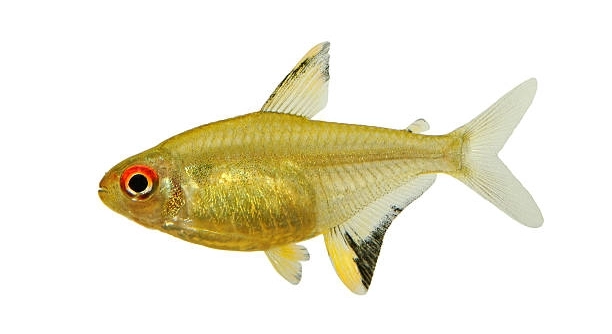
Lemon tetras are small, lively fish that bring color and life to any aquarium. Keeping them healthy requires understanding their needs and creating a stable, clean environment where they can thrive. Attention to detail makes a big difference.
Maintaining optimal water quality, feeding a balanced diet, and monitoring for early signs of disease are essential for preventing illness in lemon tetras. Consistent care and observation reduce stress, boost immunity, and ensure long-term health in their aquatic environment.
Healthy fish create a more enjoyable aquarium experience, and simple daily routines can make a lasting impact on their well-being. These practices are easy to implement and benefit both fish and owner alike.
Keep Water Clean and Stable
Maintaining clean, stable water is the most important step in keeping lemon tetras healthy. Regular water changes prevent the buildup of harmful toxins, such as ammonia and nitrites, which can stress fish and lead to illness. Testing water regularly helps you spot problems early, keeping pH, hardness, and temperature consistent. Avoid sudden changes in temperature or water chemistry, as lemon tetras are sensitive to rapid shifts. Filters should be cleaned on a schedule that avoids disrupting beneficial bacteria, which help break down waste. Using a dechlorinator ensures tap water is safe, and adding live plants can improve water quality naturally. Observing your fish during water changes helps you notice early signs of distress or disease. By prioritizing water quality, you give your lemon tetras the foundation they need to stay healthy, active, and vibrant in the aquarium. Small daily habits have a big impact on long-term health.
Consistent water care significantly reduces stress and disease risks, keeping lemon tetras lively and resilient.
Routine maintenance not only prevents illness but also supports their natural behaviors. Clear water allows them to explore and interact freely, enhancing both their health and your enjoyment of the tank. Avoid overcrowding and remove leftover food promptly, which also helps maintain water stability. By committing to simple steps like these, the aquarium remains a safe, healthy environment. Your tetras will show brighter colors, swim actively, and exhibit less stress. Clean water is the foundation for all other care practices, making it easier to manage feeding, temperature, and tank companions effectively.
Provide a Balanced Diet
A varied diet is key to strong immune systems and healthy growth in lemon tetras. Feed them high-quality flake or micro-pellets supplemented with frozen or live foods like brine shrimp or daphnia.
Offering different foods prevents nutritional deficiencies and encourages natural foraging behavior.
Feeding small amounts two to three times a day ensures all fish get adequate nutrition without overloading the tank. Avoid overfeeding, which can pollute the water and increase disease risk. Rotating food types provides essential vitamins, minerals, and protein to keep tetras healthy and active. Fresh vegetables such as blanched spinach or zucchini can be added occasionally to provide fiber. Watching how your fish respond to different foods helps adjust portions and variety. A balanced diet not only supports physical health but also improves color intensity, energy levels, and overall resilience. Over time, proper feeding strengthens their immune systems, making them less susceptible to common infections.
Monitor Fish Behavior
Unusual swimming patterns, loss of appetite, or hiding can signal stress or illness in lemon tetras. Observing them daily helps catch problems early before they become serious.
Early detection allows for quick intervention, preventing minor issues from turning into severe diseases. Watch for lethargy, clamped fins, or rapid gill movement, which may indicate water quality problems or infection. Keeping a log of behavior and feeding habits helps track changes over time. Noting interactions between tank mates can reveal aggression or bullying, which can also stress fish. Regular observation ensures tetras remain healthy, active, and stress-free, and it allows adjustments to tank conditions or care routines promptly.
Keeping a close eye on behavior is one of the simplest ways to protect your fish. Small changes often indicate larger underlying issues that need attention.
Quarantine New Fish
Quarantining new arrivals prevents the introduction of diseases into an established tank. A separate tank allows observation and treatment if needed.
A 2–4 week quarantine period is ideal to detect any infections or parasites before adding fish to the main aquarium. During this time, feed normally and monitor for unusual behavior or physical signs such as spots, frayed fins, or bloating. Treat any illnesses promptly with appropriate medication, following instructions carefully. Maintaining clean water in the quarantine tank is essential, as stressed fish are more susceptible to disease. Quarantine also allows fish to adjust to a new diet and environment without affecting the established community. This step reduces stress for both the new and existing fish.
Quarantine ensures your main tank remains healthy and stable, preventing costly or stressful outbreaks. Regular observation during this period gives confidence that only healthy fish join your lemon tetras.
Maintain Proper Temperature
Lemon tetras thrive in water between 72°F and 78°F. Using a reliable heater and thermometer ensures consistent temperature, reducing stress and disease risk.
Sudden fluctuations can weaken their immune system, making them more prone to infections. Stable warmth keeps their metabolism and activity levels healthy.
Avoid Overcrowding
Overcrowding increases stress and spreads disease faster. Keep a moderate number of lemon tetras per tank size to allow free swimming and reduce competition for food.
A well-spaced environment supports natural behaviors and keeps water quality easier to manage.
Use High-Quality Filtration
A strong, efficient filter removes debris and maintains water clarity, which is essential for fish health. Regular maintenance prevents clogs and ensures consistent performance.
Minimize Stress
Stress lowers immunity and increases the likelihood of illness. Avoid sudden movements, loud noises, or constant handling around the tank.
FAQ
How often should I change the water in my lemon tetra tank?
Water changes should be done weekly, replacing about 20–25% of the tank’s water each time. This prevents buildup of toxins like ammonia and nitrates, which can stress fish and cause illness. Always use a dechlorinator when adding tap water.
What foods are best for lemon tetras?
A mix of high-quality flakes or micro-pellets, combined with frozen or live foods like brine shrimp, daphnia, or bloodworms, provides balanced nutrition. Offering small portions multiple times a day prevents overfeeding and keeps water cleaner. Occasionally adding blanched vegetables like zucchini or spinach can improve fiber intake.
How many lemon tetras should I keep together?
Lemon tetras are schooling fish and should be kept in groups of at least six. Smaller groups can lead to stress and aggression. Providing ample space per fish helps reduce conflict and ensures healthy swimming patterns.
What are common signs of illness in lemon tetras?
Watch for lethargy, clamped fins, loss of appetite, rapid gill movement, or unusual swimming patterns. Physical signs include spots, frayed fins, bloating, or faded colors. Early detection is crucial for successful treatment and preventing the spread of disease.
Do lemon tetras need a heater in their tank?
Yes. They prefer water temperatures between 72°F and 78°F. A stable temperature supports metabolism, immune function, and overall activity. Sudden changes or cold water can weaken their immune system and make them more susceptible to infections.
How do I quarantine new fish properly?
Quarantine new fish in a separate tank for 2–4 weeks before adding them to the main tank. Monitor for disease, unusual behavior, and appetite changes. Treat any illness promptly and keep water clean to reduce stress during this period.
Can lemon tetras live with other fish?
Yes, they can coexist with other peaceful species of similar size. Avoid aggressive or much larger fish, as they may stress or harm tetras. Providing hiding spots and plants can help reduce tension and protect weaker individuals.
What is the best way to clean the tank without stressing the fish?
Clean decorations and remove debris gently during water changes. Avoid scrubbing beneficial bacteria too aggressively, as this can disrupt the tank’s ecosystem. Use a siphon to remove leftover food and waste from the substrate carefully.
Why do my lemon tetras hide frequently?
Frequent hiding can indicate stress, poor water quality, or illness. Check water parameters, temperature, and tankmates for potential causes. Providing plants and decorations gives them secure spaces, reducing stress and encouraging natural behavior.
How can I boost my lemon tetras’ immunity naturally?
A balanced diet, stable water conditions, and minimal stress help maintain strong immune systems. Rotating food types and providing occasional live foods can also improve overall health. Regular observation ensures early detection of potential issues, keeping tetras healthy long-term.
Can overfeeding cause sickness?
Yes. Excess food decomposes, releasing harmful compounds that degrade water quality. Feeding small portions multiple times a day and removing uneaten food promptly prevents this and reduces the risk of disease.
How do I treat common fish diseases?
Treatment depends on the illness. Parasites may require medicated food or tank treatments, while bacterial infections often need antibiotics. Quarantine affected fish and follow dosage instructions carefully to avoid harming healthy tankmates.
Is it necessary to test water regularly?
Yes. Testing for ammonia, nitrites, nitrates, pH, and hardness helps maintain stable conditions. Early detection of imbalances prevents stress and illness. Consistent monitoring ensures that preventive measures can be applied before fish health is affected.
Why is my lemon tetra’s color fading?
Fading color often signals stress, poor diet, or water quality issues. Ensure proper nutrition, stable water parameters, and a low-stress environment. Bright, active fish indicate a healthy tank and good overall care.
How can I reduce stress in my aquarium?
Minimize loud noises, sudden movements, or frequent handling. Maintain stable water conditions, provide hiding spots, and avoid overcrowding. Stress reduction directly supports immunity and reduces the likelihood of illness, keeping tetras active and vibrant.
Are live plants beneficial for lemon tetras?
Yes. Live plants improve water quality by absorbing nitrates, provide hiding spaces, and create a natural environment. They also reduce stress and encourage natural behaviors, supporting the overall health and longevity of your fish.
How long do lemon tetras typically live?
With proper care, they usually live 5–8 years. Maintaining water quality, providing a balanced diet, minimizing stress, and monitoring health regularly are key factors in reaching their full lifespan.
What should I do if one fish gets sick?
Isolate the sick fish in a quarantine tank to prevent disease spread. Treat with appropriate medication and monitor recovery closely. Ensure the main tank remains clean and healthy to reduce further risk to other fish.
How important is tank size for lemon tetras?
Tank size is critical. A minimum of 10 gallons is recommended for a small school, but larger tanks provide better swimming space and more stable water conditions. Adequate space reduces stress, supports social behavior, and lowers the risk of disease outbreaks.
Can water additives prevent illness?
Certain additives, like stress coat or immune boosters, may help, but they cannot replace proper care. Clean, stable water, a balanced diet, and regular observation remain the most effective ways to keep lemon tetras healthy.
How often should I clean the filter?
Filters should be rinsed in tank water monthly to remove debris without killing beneficial bacteria. Replace filter media according to manufacturer instructions while maintaining the biological balance that supports a healthy aquarium.
Do temperature swings cause disease?
Yes. Rapid changes weaken immunity and increase susceptibility to infections. Using a reliable heater and monitoring temperature daily ensures a stable environment that supports overall fish health.
Can lemon tetras get fungal infections?
Yes. Fungal infections often appear as white, cotton-like growths on fins or body. They usually develop in stressed fish or poor water conditions. Treatment involves antifungal medication and improved water quality to prevent recurrence.
Is it necessary to remove uneaten food immediately?
Yes. Leftover food decomposes and pollutes water, increasing ammonia and nitrate levels. Prompt removal keeps the tank clean, reduces disease risk, and supports healthy water conditions for all fish.
What signs indicate a parasite infestation?
Rapid gill movement, scratching against surfaces, weight loss, or visible spots may indicate parasites. Early detection and quarantine treatment prevent the spread to other fish and protect overall tank health.
Can I keep other species with lemon tetras safely?
Yes, with compatible species that are peaceful and similar in size. Avoid aggressive or predatory fish, as they can stress or harm tetras. Careful selection ensures a stable and healthy community tank.
How do I acclimate new fish properly?
Float the bag in the tank for 15–20 minutes to equalize temperature. Gradually add small amounts of tank water to the bag over an hour. This reduces stress and allows fish to adjust to water chemistry before release.
Why is consistent observation important?
Daily observation helps detect illness or stress early. Noticing subtle changes in behavior or appearance allows prompt intervention, reducing the risk of severe disease and ensuring long-term health for lemon tetras.
How does tank decor affect health?
Plants, rocks, and hiding spots reduce stress and create natural spaces for exploration. They support social behavior, provide shelter during aggression, and encourage a more active, healthier environment for lemon tetras.
What should I do if water parameters fluctuate?
Immediate action is required to stabilize water. Partial water changes, adjusting heater settings, and testing for chemical imbalances help restore safe conditions. Stable water reduces stress and prevents illness in sensitive fish.
How do I prevent fin rot?
Maintain clean water, avoid overcrowding, and ensure a balanced diet. Quarantine new fish and treat any infections promptly. Preventing stress is key, as weakened fish are more susceptible to bacterial fin infections.
Are lemon tetras sensitive to chemicals in tap water?
Yes. Chlorine, chloramine, and heavy metals can harm fish. Always treat tap water with a dechlorinator before adding it to the tank, protecting gills and overall health.
How long should a quarantine last?
A minimum of 2–4 weeks is recommended. This period allows observation for disease symptoms, ensures proper acclimation, and reduces the risk of introducing illness into the main tank.
What is the role of temperature in disease prevention?
Stable temperatures support metabolism and immunity. Fluctuations can trigger stress, weaken defenses, and make fish more susceptible to bacterial, fungal, or parasitic infections. Consistency is key.
How can I make feeding easier and safer?
Feed small portions multiple times a day, remove uneaten food, and provide a mix of flakes, pellets, and live foods. This prevents overfeeding, reduces water pollution, and ensures even distribution among fish.
Why is stress reduction crucial for longevity?
Stress compromises immune function, making fish vulnerable to illness. Minimizing sudden changes, providing hiding spots, and maintaining water quality directly improves health, activity, and lifespan of lemon tetras.
Can tank mates affect disease risk?
Yes. Aggressive or sick fish can spread disease or cause stress. Choosing compatible, healthy tankmates reduces the chance of outbreaks and helps maintain a peaceful environment for lemon tetras.
What are early signs of water quality issues?
Cloudy water, unusual odors, algae overgrowth, and fish behavior changes often indicate poor water quality. Prompt testing and correction prevent stress and disease.
How can I maintain optimal tank conditions long-term?
Regular water changes, monitoring parameters, feeding balanced diets, observing behavior, and preventing overcrowding keep the environment stable. Consistency supports immune health and reduces disease risk, creating a thriving tank.
Can stress cause physical changes in lemon tetras?
Yes. Stress may lead to faded color, clamped fins, or rapid breathing. Addressing the source of stress quickly prevents further health issues.
What should I do if one fish shows white spots?
White spots often indicate ich or fungal infection. Quarantine the fish, treat with appropriate medication, and maintain clean, stable water to prevent spreading.
Are lemon tetras prone to specific illnesses?
Common issues include ich, fin rot, fungal infections, and parasitic infestations. Proper care, water quality, diet, and observation reduce these risks significantly.
How can I tell if a fish is stressed?
Signs include hiding, clamped fins, rapid gill movement, loss of appetite, or erratic swimming. Identifying stress early allows corrective action to prevent illness.
Is live food safer than frozen food?
Both can be safe if handled properly. Live food encourages natural behavior, while frozen food is convenient and less likely to carry parasites. Rotate types for balanced nutrition.
Can lemon tetras survive without live plants?
Yes, but live plants improve water quality, reduce stress, and provide hiding spaces. Plastic or artificial plants lack these benefits.
How often should I check water temperature?
Daily checks ensure stability and help prevent stress-related illness. Consistent readings allow timely adjustments to heaters or cooling methods.
What is the best way to treat minor infections?
Small infections respond well to targeted medications in a quarantine tank. Ensure water quality is optimal, follow dosage instructions, and monitor recovery closely to avoid complications.
How important is a consistent feeding schedule?
Consistent feeding supports metabolism, reduces stress, and maintains water quality. Irregular feeding can weaken fish and increase disease susceptibility.
Can stress cause death in lemon tetras?
Yes. Chronic stress lowers immunity, increases vulnerability to disease, and can lead to premature death. Maintaining calm, stable conditions is critical for survival.
How do I know if the filter is working properly?
Water should remain clear, with minimal debris accumulation. Flow should be steady, and there should be no unusual noise or clogging. Regular maintenance ensures continuous efficiency.
Should I remove sick fish immediately?
Yes. Prompt removal prevents disease spread, allows effective treatment, and protects other fish from stress and infection.
How do I safely introduce new fish?
Float the bag for temperature adjustment, gradually mix tank water, and release gently. Quarantine is essential to prevent disease introduction.
Can lemon tetras get stressed by frequent handling?
Yes. Avoid unnecessary handling, tapping on glass, or moving fish between tanks. Minimal disturbance supports immunity and overall health.
Do all tetras require the same care routine?
No. While similar species share basic needs, each species may have specific temperature, diet, or social requirements. Lemon tetras are sensitive and benefit from consistent care tailored to their needs.
Can poor diet affect coloration?
Yes. Lack of protein, vitamins, or carotenoids can dull colors. Balanced feeding restores vibrancy and promotes general health.
Are aquarium decorations necessary for health?
Not strictly, but they provide hiding spaces, reduce stress, and encourage natural behavior, supporting overall well-being.
How do I prevent ammonia spikes?
Regular water changes, avoiding overfeeding, and proper filtration help maintain safe ammonia levels. Testing water frequently catches early issues.
Is it okay to mix frozen and flake foods?
Yes. Mixing food types ensures nutritional balance and keeps feeding interesting, which encourages natural foraging behavior and better health.
What should I do if fish appear lethargic?
Check water quality, temperature, and diet. Observe for disease signs. Promptly address environmental or health issues to restore activity and prevent worsening conditions.
Can water hardness affect health?
Yes. Lemon tetras prefer moderately soft to slightly hard water. Extreme hardness or softness can stress fish and increase susceptibility to disease.
How do I know if a fish is eating properly?
Watch daily feeding behavior. Healthy tetras actively swim to feed and show no prolonged disinterest. Uneaten food may indicate illness or stress.
Can overcrowding cause color fading?
Yes. High density increases stress, leading to muted colors and reduced immunity. Proper stocking prevents these problems.
How can I maintain a low-stress environment long-term?
Stable water parameters, consistent feeding, minimal handling, and compatible tankmates reduce stress. Regular observation allows quick adjustments for health maintenance.
Are quarantine tanks required for every new fish?
Ideally, yes. Quarantine prevents disease introduction, allows observation, and ensures fish are healthy before joining the main tank.
What are the benefits of observing fish daily?
Daily observation detects early illness, stress, or environmental problems. Quick action prevents disease spread and supports long-term health and well-being.
How do I prevent fin damage from tank mates?
Choose peaceful species, provide hiding spots, and monitor interactions. Avoid sharp decorations that could injure fins.
Is feeding live foods risky?
It can be if sourced poorly. Ensure live foods are parasite-free to prevent infections. Frozen or prepared foods are safer alternatives.
How often should I test pH?
Weekly testing is sufficient for stable tanks. Sudden shifts may indicate a problem that needs immediate attention.
Can lemon tetras live in a bare tank?
Yes, but adding plants or hiding spots reduces stress, encourages natural behavior, and improves overall health.
How do I prevent fungal infections?
Maintain clean water, avoid stress, and quarantine new fish. Treat early signs with antifungal medication to prevent spread.
Are lemon tetras social fish?
Yes. They thrive in schools, which reduces stress, encourages activity, and supports natural behavior patterns.
How do I handle minor tank disturbances safely?
Move slowly, avoid sudden changes, and perform maintenance carefully to prevent stress and maintain a healthy environment.
Can sudden light changes stress fish?
Yes. Gradual transitions and consistent lighting schedules reduce stress and support normal behavior and health.
What is the best way to prevent ich?
Quarantine new fish, maintain water quality, avoid overcrowding, and treat early signs promptly to prevent outbreaks.
How important is oxygenation for health?
Proper oxygen levels support metabolism, immunity, and activity. Adequate flow and surface agitation ensure fish remain healthy and active.
Can low-quality food harm lemon tetras?
Yes. Poor nutrition weakens immunity, dulls color, and increases disease risk. High-quality, varied food is essential.
Should I worry about nitrate levels?
Yes. High nitrates stress fish and promote disease. Regular water changes and plant growth help keep levels safe.
Can stress cause appetite loss?
Yes. Stress leads to reduced feeding, which can weaken immunity and make fish more prone to illness.
How do I know if a fish is compatible?
Observe size, temperament, and activity level. Peaceful species of similar size generally coexist without stress or aggression.
Are lemon tetras hardy fish?
They are relatively hardy but sensitive to water quality, temperature changes, and stress. Proper care ensures long-term health.
Can poor water clarity indicate disease?
Yes. Cloudy water may result from bacterial blooms or waste buildup, stressing fish and increasing illness risk.
How often should I check for signs of illness?
Daily observation during feeding or routine maintenance helps detect problems early. Prompt action prevents disease progression.
Is stress the main reason for color fading?
Often, yes. Stress from poor water, overcrowding, or aggression leads to dull colors. Correcting these factors restores vibrancy.
How can I reduce the risk of bacterial infections?
Maintain water quality, avoid overcrowding, provide balanced nutrition, and quarantine new fish. Early treatment also prevents spread.
Do lemon tetras need special lighting?
Normal aquarium lighting is sufficient. Consistent light schedules support natural behavior and plant growth if live plants are present.
Can water changes alone prevent illness?
No. While essential, water changes must be combined with proper feeding, filtration, and stress management for effective disease prevention.
Are lemon tetras prone to parasites?
Yes. Parasites like ich or flukes can appear in stressed or newly introduced fish. Quarantine and monitoring are key preventive measures.
How do I safely medicate fish?
Follow instructions carefully, treat in quarantine if possible, monitor water parameters, and remove uneaten medication to prevent overdose or stress.
Can tank size affect social behavior?
Yes. Larger tanks allow schools to swim freely and reduce aggression, supporting natural interactions and stress reduction.
What are the best hiding spots for tetras?
Plants, rocks, and decorations provide shelter. These reduce stress, protect weaker fish, and encourage natural exploration.
How do I prevent disease after adding new fish?
Quarantine, monitor for illness, maintain water quality, and avoid overcrowding. Early intervention prevents outbreaks.
Are lemon tetras sensitive to noise?
Yes. Loud or sudden sounds stress fish, affecting appetite, immune response,
Lemon tetras are small, lively fish that add color and movement to any aquarium. Keeping them healthy is a matter of consistent care and attention to their environment. Water quality is the foundation of their well-being. Regular water changes, proper filtration, and stable temperature create conditions that reduce stress and prevent illness. Monitoring water parameters like ammonia, nitrites, nitrates, and pH ensures that the tank remains safe for the fish. Even small changes in water quality can affect their health, so paying attention to these details helps avoid problems before they start. Daily observation of your fish allows you to notice early signs of disease or stress. Watching how they swim, eat, and interact with each other provides insight into their overall health. Small habits, like removing uneaten food and cleaning debris from the tank, play an important role in maintaining a healthy environment.
Feeding is another essential part of lemon tetra care. Providing a balanced diet that includes high-quality flakes or micro-pellets along with occasional frozen or live foods supports their immune system and encourages natural behavior. Variety in their diet ensures they receive all the nutrients they need, which strengthens their color, energy, and resistance to disease. Overfeeding should be avoided, as leftover food can pollute the water and contribute to stress or illness. Offering small amounts multiple times a day keeps the tank cleaner and helps ensure that all fish get enough to eat. Incorporating occasional plant matter, such as blanched spinach or zucchini, adds fiber and contributes to overall health. Observing their response to different foods also helps fine-tune portions and maintain a diet that supports their long-term well-being.
Creating a stable, low-stress environment is equally important. Lemon tetras are sensitive to sudden changes in water, temperature, or tank mates. Avoiding overcrowding, providing hiding spots, and minimizing disturbances like loud noises or constant handling helps reduce stress. Quarantining new fish before introducing them to the main tank prevents the spread of disease and keeps the established group healthy. Maintaining live plants or decorations provides shelter and encourages natural behaviors, which contributes to overall happiness and vitality. By combining these practices—clean water, proper nutrition, careful observation, and stress reduction—you can create an environment where lemon tetras thrive. Following consistent routines and paying attention to details not only keeps them healthy but also allows you to enjoy their activity, color, and social behavior in a well-maintained tank. Healthy tetras are more active, more colorful, and more resilient, making consistent care worthwhile for both the fish and the aquarium experience.

Hello,
If you enjoy the content that we create, please consider saying a "Thank You!" by leaving a tip.
Every little bit helps us continue crafting quality advice that supports the health, happiness, and well-being of pets around the world, for pets of all shapes, sizes, and species.
We really appreciate the kindness and support that you show us!