
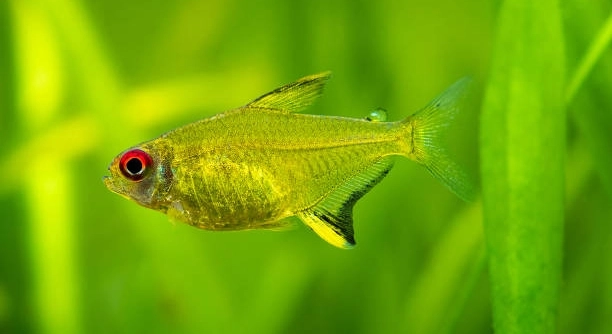
Is your lemon tetra lingering at the top of the tank more than usual? Observing your fish floating near the surface can be concerning, especially when they are usually active swimmers exploring all areas of the aquarium.
The primary reason a lemon tetra floats at the top is due to swim bladder issues or water quality problems. Swim bladder dysfunction affects buoyancy, while improper water parameters, such as high ammonia or low oxygen, can also cause surface-floating behavior.
Understanding these causes will help you correct the issue promptly and maintain a healthy environment for your lemon tetra’s overall well-being.
Common Causes of Lemon Tetras Floating
Floating at the top of the tank can result from a few different factors. Swim bladder disease is common in small freshwater fish like lemon tetras. This condition affects the fish’s ability to control buoyancy, making it difficult for them to stay submerged. Water quality is equally important; high ammonia, nitrite, or nitrate levels can stress fish and cause erratic swimming. Temperature fluctuations or water that is too warm may reduce oxygen levels, forcing your fish to the surface for air. Overfeeding can also contribute, as uneaten food decomposes, altering water chemistry and creating digestive issues for your tetra. Even sudden changes in diet or new tankmates can stress the fish, causing abnormal behavior. Observing the fish carefully and noting any other symptoms such as lethargy, clamped fins, or discoloration can provide clues. Regular monitoring and small adjustments often restore normal swimming patterns and health.
Properly balancing diet and tank conditions can reduce the likelihood of buoyancy problems.
Taking action quickly is important. Start by testing the water, removing leftover food, and ensuring the temperature and oxygen levels are stable. A small, frequent feeding schedule with easily digestible food can help prevent swim bladder issues. Avoid sudden changes in water chemistry, and if you introduce new fish, quarantine them to avoid stress-related problems. If swim bladder disease persists, medicated treatments or a short fasting period may be necessary. Observing patterns in floating behavior over several days helps identify whether the issue is temporary or chronic. Maintaining a clean environment with gentle filtration keeps stress levels low. By combining consistent care, proper feeding, and regular water testing, you can support the health and stability of your lemon tetra, ensuring they remain active swimmers in all areas of the tank.
Maintaining a Healthy Tank
Consistent water testing is crucial for lemon tetras.
Check for ammonia, nitrite, nitrate, and pH levels regularly. Clean filters and perform partial water changes to maintain a stable environment. Keep the tank at a steady temperature and avoid overcrowding. Proper maintenance prevents common health issues and encourages normal swimming patterns.
In addition to water quality, attention to diet is essential. Lemon tetras thrive on small, frequent feedings of high-quality flakes or micro-pellets, supplemented occasionally with live or frozen foods. Overfeeding or sudden changes in diet can upset digestion and contribute to floating problems. Decorations and plants provide hiding spots, reducing stress and encouraging natural swimming behavior. Monitor tankmates for aggression or competition, as social stress can also affect buoyancy. Observing your fish daily allows you to catch early signs of illness or environmental imbalance. By combining careful feeding, stable water conditions, and mindful observation, you can create an environment that supports long-term health and reduces the likelihood of floating at the surface. Consistency and attentiveness are key to keeping lemon tetras active, healthy, and thriving.
Adjusting Diet and Feeding
Small, frequent feedings help prevent swim bladder issues. Avoid overfeeding, and remove uneaten food promptly to maintain water quality and reduce digestive stress.
Feeding your lemon tetra a balanced diet is essential. High-quality flakes or micro-pellets work well, but supplementing occasionally with live or frozen foods improves nutrition. Sudden changes in diet can upset their digestive system, causing buoyancy problems. Monitor their feeding behavior to ensure each fish eats enough without excess. If swim bladder issues arise, a short fasting period can help clear the digestive tract. Pair careful feeding with clean water for the best results.
Some foods are harder to digest and may contribute to floating. Avoid large or dense items that can expand in the stomach. Consider soaking dry food briefly before feeding to make it easier to digest. Maintaining a predictable feeding schedule and portion control reduces stress on the swim bladder and supports consistent buoyancy. Regular observation ensures adjustments are made early, keeping your lemon tetra healthy and active.
Tank Environment Optimization
Stable water temperature and oxygen levels are critical for buoyancy control.
Use a thermometer to maintain steady temperatures and an air pump or gentle filtration to ensure proper oxygenation. Sudden changes in either can stress fish and lead to floating. Proper plant placement and open swimming areas support normal behavior.
Water chemistry and tank layout directly affect lemon tetra health. Avoid overcrowding, which increases stress and reduces oxygen availability. Decorations and plants should provide hiding spots without restricting swimming space. Regular partial water changes help remove toxins and maintain consistent pH, ammonia, and nitrate levels. A consistent light cycle supports natural activity patterns, reducing erratic floating. Monitoring both water quality and fish behavior allows timely corrections to prevent long-term issues. These adjustments create an environment where lemon tetras can swim normally, maintain buoyancy, and stay healthy, minimizing floating problems caused by stress or poor conditions.
Monitoring Health Signs
Regular observation helps catch early signs of illness. Watch for changes in color, fin condition, or unusual swimming patterns. Prompt attention can prevent minor issues from becoming serious problems.
Behavioral changes like lethargy or surface gasping often indicate water quality or health issues. Keeping notes on your lemon tetra’s activity supports timely intervention.
Treating Swim Bladder Issues
Swim bladder problems often respond to fasting and diet adjustment. Temporarily withhold food for one to two days to allow the digestive system to clear. Feeding a small portion of cooked, peeled peas can help regulate digestion and relieve pressure on the swim bladder. Observation during this period is important to ensure improvement. Maintaining stable water conditions and avoiding sudden changes in tank parameters also supports recovery. If symptoms persist after dietary adjustments, consulting a veterinarian experienced with fish may be necessary to identify underlying causes. Regular monitoring ensures the problem does not recur and keeps the fish active.
Reducing Stress
Minimize sudden movements around the tank and maintain a calm environment to support your lemon tetra’s stability and buoyancy.
Why is my lemon tetra floating at the top of the tank?
Floating at the top is usually linked to swim bladder issues or water quality problems. Swim bladder dysfunction affects buoyancy, making it difficult for the fish to stay submerged. Poor water conditions, such as high ammonia, nitrite, or nitrate levels, can stress fish and lead to surface-floating behavior. Temperature fluctuations or low oxygen levels can also push them to the surface. Overfeeding and digestive issues are common contributors. Observing the fish’s behavior alongside water testing can help identify the root cause quickly.
Can I treat swim bladder issues at home?
Yes, mild swim bladder problems can often be treated at home. Temporarily fasting the fish for one to two days allows the digestive system to clear. Feeding a small portion of cooked, peeled peas can relieve constipation and reduce pressure on the swim bladder. Maintaining stable water parameters, proper temperature, and oxygen levels supports recovery. Avoid sudden changes in diet or environment during this period. Persistent or severe symptoms may require consulting a veterinarian experienced in fish care.
How often should I test my water?
Water testing should be done at least once a week, especially in smaller tanks. Frequent testing ensures ammonia, nitrite, nitrate, and pH levels remain safe. Regular monitoring helps prevent stress and buoyancy problems. Partial water changes can then be timed effectively to maintain a healthy environment. Keeping notes on readings helps track trends over time and identify potential issues before they affect your fish.
What diet is best for lemon tetras?
A balanced diet is essential for buoyancy and overall health. High-quality flakes or micro-pellets form the base, supplemented with live or frozen foods occasionally. Avoid large, dense foods that are hard to digest. Feeding small portions two to three times daily prevents overfeeding and digestive problems. Gradually introducing new foods allows the fish to adjust without stress. Monitoring how much they eat and removing uneaten food maintains water quality, reducing the risk of floating caused by digestive or environmental issues.
Can water temperature affect floating behavior?
Yes, temperature directly impacts metabolism and oxygen availability. Lemon tetras prefer stable temperatures, usually between 74–80°F (23–27°C). Sudden changes can stress the fish, leading to erratic swimming or surface-floating behavior. Consistent temperature helps maintain buoyancy and supports normal activity. Using a reliable thermometer and adjusting heaters carefully prevents shocks to the system. A stable, slightly cooler environment encourages fish to swim throughout the tank rather than lingering at the surface for oxygen.
Should I isolate a floating fish?
Isolating the fish can help if it is showing signs of illness or stress. A quarantine tank allows you to monitor feeding, administer treatment, and maintain stable water conditions without interference from other fish. Isolation reduces competition for food and limits exposure to potential pathogens. However, ensure the quarantine tank has proper temperature, filtration, and oxygenation to prevent additional stress. Regular observation during isolation helps determine if buoyancy improves or if further treatment is necessary.
When should I call a veterinarian?
If floating persists despite proper diet, water conditions, and fasting, a veterinarian’s input is recommended. Persistent swim bladder disease, infections, or internal issues may require professional diagnosis. A vet can identify underlying causes that are not visible and suggest targeted treatments. Prompt consultation increases the chances of full recovery. Observing other symptoms such as discoloration, fin damage, or unusual behavior alongside floating provides important information for diagnosis.
Can tankmates cause floating issues?
Yes, aggressive or overly active tankmates can stress lemon tetras. Stress raises metabolism, affects buoyancy, and may lead to surface-floating behavior. Ensure compatible species are housed together and that there is enough space to reduce competition for food and territory. Hiding spots and plants help minimize stress and support natural swimming patterns. Regular observation of interactions can prevent long-term issues caused by social stress.
How can I prevent floating problems in the future?
Consistent maintenance is key. Feed a balanced diet in small portions, monitor water parameters weekly, maintain stable temperatures, and provide a calm, spacious environment. Avoid sudden changes in diet, water chemistry, or tankmates. Regular observation allows early intervention if buoyancy issues arise. Keeping a stable and healthy environment minimizes swim bladder and stress-related floating.
Are floating lemon tetras always sick?
Not always. Temporary floating can occur due to minor stress, overfeeding, or brief water fluctuations. If behavior is short-lived and the fish resumes normal swimming, it may not indicate a serious problem. Persistent floating, accompanied by other symptoms like lethargy or fin clamping, usually indicates a health or environmental issue that requires attention. Observing patterns and maintaining a clean, stable environment reduces the likelihood of recurring problems.
How do I know if my fish is improving?
Improvement is indicated by normal swimming throughout the tank, reduced surface-floating, and consistent feeding behavior. Color should remain vibrant, fins should be open, and activity levels stable. Tracking behavior daily helps confirm recovery. If symptoms persist beyond a few days of treatment and environmental adjustments, further intervention may be needed. Consistency in care and observation supports long-term health and prevents recurring buoyancy problems.
Floating at the top of the tank is a common issue with lemon tetras, but it is often a sign of something that can be addressed with care. Observing your fish carefully is the first step in understanding why this behavior is happening. Many times, the cause is related to water quality, swim bladder function, or feeding practices. By checking water parameters regularly and keeping the tank clean, you reduce the risk of stress and buoyancy problems. Maintaining stable temperature and oxygen levels is equally important, as sudden changes in either can make fish float at the surface. These small, consistent actions often make a big difference in keeping lemon tetras healthy and active.
Diet plays a significant role in preventing floating issues. Overfeeding, feeding hard-to-digest foods, or making sudden changes in diet can disrupt digestion and affect buoyancy. Providing small, frequent feedings of high-quality flakes or pellets, supplemented with occasional live or frozen foods, helps maintain digestive health. If swim bladder issues arise, a short fasting period or offering cooked, peeled peas can relieve pressure and encourage normal swimming. Observing feeding behavior and removing uneaten food promptly also supports water quality. Combining proper diet with clean water and stable tank conditions addresses most cases of floating and keeps your lemon tetra thriving.
Stress is another factor that contributes to floating behavior. Aggressive tankmates, overcrowding, sudden movements near the tank, or abrupt environmental changes can all impact a fish’s buoyancy. Providing hiding spots and maintaining a calm, stable environment reduces stress and supports normal swimming patterns. Regular observation allows you to identify early signs of illness or environmental problems before they worsen. If floating persists despite proper care, consulting a veterinarian experienced with fish may be necessary to rule out underlying health issues. Overall, maintaining a consistent routine of feeding, water testing, tank cleaning, and monitoring behavior ensures that your lemon tetra remains healthy, active, and swimming throughout the tank.

Hello,
If you enjoy the content that we create, please consider saying a "Thank You!" by leaving a tip.
Every little bit helps us continue crafting quality advice that supports the health, happiness, and well-being of pets around the world, for pets of all shapes, sizes, and species.
We really appreciate the kindness and support that you show us!