
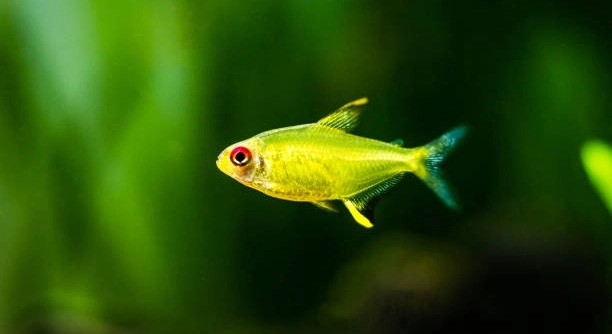
Lemon tetras are small, vibrant freshwater fish that can bring life to any aquarium. Their bright yellow bodies and active swimming habits make them a delightful addition to home tanks, offering both color and movement.
Lemon tetras do not naturally grow attached to tank layouts or decorations. They are free-swimming schooling fish that prefer open areas, occasionally resting near plants or structures for security. Their behavior is influenced by water conditions, tank design, and group dynamics.
Understanding their natural tendencies and habitat preferences is essential for creating a comfortable and visually appealing environment for these lively fish. Proper layout planning ensures both health and activity levels remain optimal.
Understanding Lemon Tetra Behavior
Lemon tetras are naturally active and social fish that thrive in groups. They move constantly, exploring their environment while maintaining close proximity to other tetras. These fish are not inclined to cling to decorations or tank surfaces. Instead, they use plants and rocks for brief shelter or as points of reference while swimming. Their bright coloring and reflective scales make them highly visible, and they often swim near the middle or top levels of the tank. Observing them can reveal subtle behaviors, like darting toward food, interacting with peers, or resting briefly among foliage. A tank with moderate current, consistent water temperature, and regular feeding will encourage healthy activity. Providing a mix of open swimming space and planted areas helps them feel secure. Avoid overcrowding, as this can increase stress and reduce natural behavior. Proper observation ensures you can adjust tank elements to support their lifestyle effectively.
Their behavior is largely influenced by water quality and group size, not the layout itself.
By arranging plants, rocks, and driftwood thoughtfully, you create zones that offer security without restricting movement. Open swimming areas combined with shaded corners allow tetras to exhibit natural schooling patterns. Choosing live plants or soft artificial ones can provide resting spots, while avoiding sharp edges ensures their safety. Regularly monitoring interactions within the group can prevent stress and aggression, especially in smaller tanks. Adding subtle currents encourages natural swimming rhythms. Lighting should mimic natural conditions, enhancing colors without causing overstimulation. Maintaining stable temperature and pH levels further supports their health. Observation over time shows how they use the tank differently depending on layout. Rearranging elements occasionally keeps their environment engaging, preventing boredom. Tank decor should balance aesthetics and functionality, supporting both fish activity and visual appeal. With careful planning, lemon tetras can flourish while remaining active and visible, offering a lively and healthy aquarium display.
Tank Layout Tips
Start with a balanced mix of open space and planted areas. Lemon tetras need room to swim freely.
Choose decorations that offer subtle hiding spots without blocking movement. Rocks, driftwood, and low plants create secure areas while keeping open swimming paths. Place taller plants near the back or sides to avoid crowding the middle. Use smooth surfaces to prevent injuries, and avoid dense clusters that can trap fish. Adding floating plants can soften lighting and provide shade, which reduces stress. Ensure water flow reaches all areas without creating strong currents. Rearranging decorations occasionally adds novelty, encouraging activity and exploration. Observe how tetras interact with each section to identify favorite resting zones. Combining practical placement with aesthetic appeal results in a tank that feels natural, comfortable, and visually engaging. Consistency in cleaning and maintenance ensures the environment remains stable, supporting both the health of the fish and the overall tank balance. Proper planning enhances their behavior and creates a harmonious aquatic display.
Water Conditions for Lemon Tetras
Stable water conditions are crucial for lemon tetras’ health. Temperature, pH, and hardness must remain consistent. Sudden changes can stress them, affecting activity and color. Regular testing and adjustments prevent long-term issues and promote natural behavior in the tank.
Maintaining a temperature range of 72–78°F and a pH between 6.0 and 7.5 supports healthy metabolism. Lemon tetras are sensitive to rapid fluctuations, so gradual changes are essential. Soft to moderately hard water mimics their natural environment, keeping them active and vibrant. Frequent partial water changes reduce toxins, helping maintain clarity and oxygen levels. Proper filtration prevents waste buildup while ensuring gentle water flow, allowing fish to swim comfortably. Monitoring water regularly gives insight into their well-being and highlights adjustments needed for optimal conditions.
Consistency in water conditions directly impacts feeding habits, coloration, and social behavior. Fish in stable water remain more active and interact naturally. A balanced nitrogen cycle reduces stress and disease risks. Avoid overcrowding, as this strains water quality and disrupts schooling patterns. Observing behavior in relation to water parameters helps identify subtle signs of discomfort. Regular maintenance, combined with careful monitoring, ensures lemon tetras thrive and display their natural, lively behavior throughout the aquarium.
Feeding and Nutrition
Lemon tetras require a varied diet to stay healthy and maintain bright colors. High-quality flakes, micro-pellets, and occasional live foods meet their nutritional needs.
Feeding small amounts two to three times daily prevents overfeeding and water contamination. Supplementing with live or frozen foods like daphnia, brine shrimp, or bloodworms enhances protein intake and supports growth. A diverse diet strengthens immune systems and encourages active behavior. Avoid large, dense foods that may sink too quickly, as lemon tetras prefer mid-water feeding. Observing how much they eat and adjusting portions ensures all fish receive adequate nutrition without compromising water quality. Proper feeding contributes to vibrant coloration, robust health, and natural swimming activity, creating a more engaging aquarium environment.
Diet affects overall vitality, stress levels, and schooling behavior. Balanced nutrition promotes color intensity, energy, and responsiveness. Overfeeding can lead to lethargy and water issues, while underfeeding slows growth and reduces activity. Rotating food types keeps the fish stimulated and supports diverse nutritional needs. Pairing flakes with live or frozen options provides essential vitamins and minerals, maintaining their immune system. Attention to feeding habits allows for monitoring health trends, ensuring prompt adjustments if any signs of deficiency or illness appear. Careful feeding enhances longevity, natural behavior, and visual appeal.
Tank Mates for Lemon Tetras
Choosing compatible tank mates ensures a peaceful aquarium. Small, non-aggressive fish like rasboras, guppies, or corydoras coexist well. Avoid larger, predatory species that may stress or harm lemon tetras.
Schooling species of similar size create a harmonious environment. Mixing fish with different swimming levels adds activity without overcrowding. Proper selection encourages natural behavior and reduces stress.
Plant Selection
Soft-leaved plants are ideal for lemon tetras. Java fern, Anubias, and Amazon sword offer shelter without sharp edges. Floating plants provide shade and reduce stress, mimicking their natural habitat.
Lighting and Temperature
Moderate lighting enhances colors without overstimulation. Lemon tetras prefer subdued light and shaded areas for resting.
A stable temperature around 74–78°F supports metabolism and activity. Avoid sudden fluctuations, as these can stress the fish and impact swimming patterns, appetite, and coloration. Consistency ensures a healthy, lively tank.
FAQ
Can lemon tetras attach themselves to plants or decorations?
Lemon tetras do not naturally attach to plants or tank decorations. They are active swimmers that prefer open water and only rest briefly among plants or rocks for security. Any contact with surfaces is temporary, usually for shelter or minor pauses in swimming.
How many lemon tetras should be kept together?
Lemon tetras are schooling fish and thrive in groups of at least six. Small numbers may lead to stress, shyness, or unusual hiding behavior. Larger groups encourage natural swimming patterns, social interactions, and reduce anxiety, creating a livelier tank environment.
What type of plants work best for lemon tetra tanks?
Soft-leaved plants like Java fern, Anubias, and Amazon sword are ideal. Floating plants provide shade, reduce stress, and create natural hiding spots. Avoid sharp-edged plants that could injure these delicate fish while swimming.
How often should lemon tetras be fed?
Feed small portions two to three times a day. Overfeeding can pollute water and lead to health issues, while underfeeding affects growth and energy. Supplement flakes with occasional live or frozen foods like daphnia or brine shrimp to provide protein and variety.
What water conditions are optimal for lemon tetras?
A stable temperature of 72–78°F, pH between 6.0 and 7.5, and soft to moderately hard water mimic their natural habitat. Frequent partial water changes and gentle filtration maintain clarity, oxygen levels, and overall health. Sudden fluctuations can cause stress and affect activity.
Can lemon tetras live with other fish?
Yes, they coexist well with small, peaceful species like rasboras, guppies, and corydoras. Avoid large or aggressive fish that may intimidate or harm them. Proper selection supports natural schooling behavior and reduces stress, maintaining a harmonious tank.
How long do lemon tetras live?
With proper care, lemon tetras can live 3–5 years. Stable water conditions, balanced nutrition, and minimal stress are essential for longevity. Monitoring behavior, feeding patterns, and coloration helps detect health issues early and supports a longer life.
Do lemon tetras need hiding spots in the tank?
Yes, they benefit from shaded areas and plants. Hiding spots reduce stress, give security, and allow resting without restricting swimming space. A mix of open areas and cover creates a balanced environment that supports natural behavior and activity.
How important is tank lighting for lemon tetras?
Moderate lighting enhances their colors while preventing overstimulation. Lemon tetras prefer subdued light and shaded areas, which mimic their natural environment. Lighting should complement the tank layout and plants, promoting comfort and natural swimming patterns.
Can lemon tetras adapt to different tank layouts?
Yes, they adapt well if open swimming spaces and shaded areas are available. Rearranging plants and decorations occasionally can encourage exploration. Observing how they use the space helps optimize comfort while maintaining active and natural behavior.
Do lemon tetras require a special diet?
A varied diet of high-quality flakes or micro-pellets, supplemented with live or frozen foods, meets their nutritional needs. Balanced feeding supports growth, bright coloration, and activity, while preventing stress and maintaining overall health.
How do you know if lemon tetras are stressed?
Signs of stress include lethargy, hiding, faded coloration, or irregular swimming. Causes often involve water fluctuations, poor diet, overcrowding, or aggressive tank mates. Adjusting conditions, improving diet, or modifying the layout usually alleviates stress and restores normal behavior.
Can lemon tetras jump out of the tank?
Yes, they can jump if startled or if water conditions are unsuitable. A secure lid is recommended to prevent escapes. Ensuring calm water, proper lighting, and compatible tank mates reduces the likelihood of jumping behavior.
How often should tank water be changed for lemon tetras?
Partial water changes of 20–30% weekly maintain cleanliness, reduce toxins, and support stable water parameters. Regular maintenance promotes healthy swimming, vibrant colors, and longevity, ensuring the fish remain active and stress-free.
What is the best tank size for lemon tetras?
A minimum 20-gallon tank is recommended for a small group, providing enough open swimming space and areas for shelter. Larger tanks allow more flexibility in layout, improved water stability, and better support for schooling behavior.
How do you introduce lemon tetras to a new tank?
Acclimate slowly by floating the bag in the tank for temperature equalization, then gradually adding small amounts of tank water over 30–60 minutes. This reduces stress, prevents shock, and ensures a smooth transition to the new environment.
Do lemon tetras require filtration?
Yes, gentle filtration maintains water quality, oxygenation, and overall health. Avoid strong currents that may tire the fish or disrupt schooling patterns. A balanced filter supports stable conditions and reduces maintenance needs.
Can lemon tetras tolerate different water hardness levels?
They prefer soft to moderately hard water. Extreme hardness can affect health and coloration. Maintaining consistent parameters allows lemon tetras to remain active, vibrant, and comfortable in their habitat.
How do you handle sick lemon tetras?
Isolate affected fish in a quarantine tank to prevent disease spread. Test water parameters, provide appropriate medication, and maintain cleanliness. Observing feeding and swimming behavior helps determine recovery progress, ensuring proper care for affected individuals.
Are lemon tetras sensitive to tank layout changes?
Frequent changes can cause mild stress. Gradual rearrangement of plants and decorations encourages exploration without overwhelming the fish. Observing their response ensures comfort while keeping the environment engaging.
Do lemon tetras interact with other species?
They interact peacefully with similar-sized, non-aggressive fish, forming visible schooling patterns. Aggressive or predatory tank mates may inhibit natural behavior, so careful selection promotes harmony and active social interactions.
Can lemon tetras live in a planted tank only?
Yes, but a mix of open swimming space and planted areas is ideal. Dense plant-only setups may limit movement, while balanced layouts encourage natural schooling and exploration.
How long should lighting be on for lemon tetras?
Around 8–10 hours per day mimics natural daylight. Proper duration supports activity, coloration, and plant growth while preventing overstimulation or stress. Consistent schedules help establish natural rhythms for the fish.
What signs indicate a healthy lemon tetra tank?
Active swimming, bright coloration, proper feeding, and schooling behavior indicate stability. Clear water, balanced plants, and minimal algae growth reflect good maintenance practices. Observing daily habits ensures ongoing health and comfort.
Do lemon tetras need hiding spots for breeding?
Yes, plants and shaded areas provide security for spawning and protect fry. Adequate cover reduces stress and increases breeding success. A well-structured tank supports natural reproductive behavior while keeping adults comfortable.
Are lemon tetras compatible with shrimp or snails?
Yes, peaceful invertebrates like small shrimp or snails coexist safely. They help with tank maintenance without threatening the tetras. Monitoring interactions ensures harmony while supporting natural behavior and tank cleanliness.
Can lemon tetras adapt to tap water?
Yes, if treated properly to remove chlorine, chloramine, and heavy metals. Gradual acclimation and consistent monitoring ensure health and stability. Proper preparation prevents stress, disease, and long-term damage.
How often should the tank be cleaned?
Regular maintenance includes weekly partial water changes, filter checks, and substrate cleaning. Consistent care maintains water quality, prevents buildup of waste, and ensures a healthy environment for active and vibrant lemon tetras.
What tank decorations are safest for lemon tetras?
Smooth rocks, driftwood, and soft artificial or live plants are ideal. Avoid sharp edges or dense clusters that could injure or trap fish. Safe placement encourages exploration and comfortable swimming patterns.
Can lemon tetras survive in a small tank?
Small tanks can limit movement and stress fish. Minimum 20 gallons is recommended for groups to maintain swimming space, stable water parameters, and natural social behavior. Careful planning improves health and longevity.
Do lemon tetras require aeration?
Moderate aeration helps oxygenate water but strong currents should be avoided. Gentle circulation ensures comfort, healthy metabolism, and active swimming without disrupting schooling or stressing the fish.
What are common health issues for lemon tetras?
Common problems include stress-related illness, fungal or bacterial infections, and parasites. Maintaining water quality, proper diet, and compatible tank mates prevents many issues. Early observation allows prompt treatment.
Can lemon tetras tolerate seasonal changes?
Gradual seasonal shifts are acceptable if water temperature and parameters remain stable. Sudden fluctuations can cause stress, reduced activity, and health problems. Consistent monitoring ensures safe adaptation.
How do you encourage natural behavior in lemon tetras?
Provide a balance of open swimming areas, plants, and gentle currents. Proper lighting, consistent feeding, and compatible tank mates support schooling, exploration, and active swimming patterns. Observing behavior guides adjustments for optimal comfort and activity.
Do lemon tetras require quarantine for new fish?
Yes, quarantining new arrivals prevents disease introduction. A 2–4 week period allows monitoring for illness and ensures healthy integration into the main tank. Proper procedures maintain long-term health for all fish.
Can lemon tetras live in cold water?
No, temperatures below 70°F reduce metabolism, activity, and immunity. Maintaining the recommended range of 72–78°F ensures proper health, vibrant coloration, and natural swimming patterns.
How do you reduce stress in lemon tetras?
Stable water, proper tank mates, sufficient hiding spots, and a consistent feeding routine reduce stress. Observation allows early adjustments to conditions or behavior, ensuring fish remain active, healthy, and visually vibrant.
Do lemon tetras require live plants for survival?
No, but live plants improve water quality, offer shelter, and encourage natural behavior. Combining live and artificial plants provides benefits without limiting open swimming space.
Can lemon tetras coexist with bettas?
Generally, no. Bettas may be aggressive or territorial, causing stress and inhibiting natural behavior. Peaceful, small schooling fish are a better match to maintain harmony.
How do you identify a sick lemon tetra?
Symptoms include faded color, clamped fins, lethargy, irregular swimming, or refusal to eat. Early detection allows prompt treatment and prevents illness spread.
Can lemon tetras tolerate bright lights?
Bright lighting may cause stress or hiding. Moderate lighting with shaded areas supports comfort, natural behavior, and vibrant coloration.
Do lemon tetras need a specific substrate?
No special substrate is required, but fine gravel or sand allows easy swimming and supports plants. Avoid sharp or coarse materials that could injure delicate fins.
How long can lemon tetras go without food?
They can survive 2–3 days, but extended fasting affects health and energy. Consistent feeding ensures vitality, coloration, and activity.
Can lemon tetras live in brackish water?
No, they are strictly freshwater fish. Salt or brackish conditions cause stress, reduce activity, and can lead to illness or death.
Do lemon tetras require a lid on the tank?
Yes, a lid prevents jumping, especially if startled. Safe, secure tanks reduce escapes while maintaining stable environmental conditions.
Are lemon tetras suitable for beginner aquariums?
Yes, with proper group size, water conditions, and feeding. Their peaceful nature and adaptability make them manageable for those with basic aquarium knowledge.
How can I tell the sex of lemon tetras?
Males are usually more slender with brighter coloration, while females appear rounder, especially when carrying eggs. Observation over time aids accurate identification.
Do lemon tetras recognize their owners?
While not interactive in a direct sense, they may notice movement near the tank and respond to feeding cues. This shows recognition without forming attachments.
Can lemon tetras live with goldfish?
No, goldfish are larger, produce more waste, and have different temperature requirements. Housing them together can cause stress and water quality issues.
How do you breed lemon tetras?
Provide dense plants for spawning, stable water conditions, and high-protein foods. Separate adults after laying eggs to prevent predation. Fry require small live foods for initial growth.
Can lemon tetras tolerate aquarium medications?
Yes, if dosed correctly. Always follow instructions carefully, as overdosing or incompatible treatments can harm sensitive species. Quarantine tanks reduce risks.
Do lemon tetras change color with stress?
Yes, stress or poor water conditions can cause fading or dulling of colors. Proper care restores vibrancy over time.
Are lemon tetras nocturnal or diurnal?
They are diurnal, active during daylight hours. Lighting schedules and tank layout influence swimming and feeding patterns throughout the day.
How do I prevent bullying in a lemon tetra tank?
Maintain proper group size, provide hiding spots, and avoid aggressive tank mates. Observing interactions allows early intervention to maintain harmony.
Can lemon tetras survive in unheated tanks?
Unheated tanks in cooler climates may drop below safe temperatures. Consistent heating ensures activity, metabolism, and overall health.
Do lemon tetras need a specialized tank setup?
A simple setup with open swimming areas, gentle filtration, soft plants, and stable water parameters is sufficient. Complex layouts are optional for aesthetic purposes.
How sensitive are lemon tetras to chemicals in water?
They are sensitive to chlorine, chloramine, and heavy metals. Treating tap water and monitoring parameters prevents illness, stress, and long-term damage.
What is the ideal tank shape for lemon tetras?
Long tanks provide better horizontal swimming space for schooling behavior. Taller tanks are less critical but can be used if swimming space remains sufficient.
Do lemon tetras interact with decorations?
Interactions are limited to brief resting or exploring. They do not attach to decorations but may use them as reference points or shelter during stress.
How often should filters be cleaned?
Clean filters monthly or as needed to maintain water flow and prevent clogging. Proper filtration supports water quality and fish health without disrupting the tank ecosystem.
Can lemon tetras adapt to low-light tanks?
Yes, as long as water parameters and feeding remain consistent. Moderate light is preferred for coloration and plant growth, but they tolerate subdued lighting without harm.
Are lemon tetras compatible with African dwarf frogs?
Yes, peaceful invertebrates and small amphibians can coexist. Monitor interactions to ensure neither species is stressed or deprived of food.
Do lemon tetras show signs of aging?
Older tetras may become less active, show slight color fading, or reduce schooling intensity. Proper care can extend lifespan while maintaining activity and health.
Can lemon tetras live alone?
No, they require a school to feel secure and display natural behavior. Single fish may become stressed, hide excessively, and exhibit abnormal swimming patterns.
How do you encourage breeding in lemon tetras?
Stable water, high-protein foods, and dense plants encourage spawning. Separating adults after egg-laying prevents predation. Fry require small live foods to grow successfully.
Do lemon tetras need air stones?
Air stones are optional if the filter provides sufficient oxygenation. Gentle water movement is more important than additional aeration.
Can lemon tetras tolerate algae in the tank?
Moderate algae is safe, but excessive growth reduces water quality and may stress the fish. Regular maintenance keeps levels manageable.
How do lemon tetras behave during feeding?
They actively swim in mid-water, quickly consuming flakes, micro-pellets, or live foods. Schooling behavior becomes more visible during mealtime.
Can lemon tetras coexist with shrimp species?
Yes, peaceful shrimp like cherry or Amano species coexist safely. Monitor interactions to ensure shrimp are not harassed.
Are lemon tetras sensitive to noise?
Excessive vibration or tapping may stress them. Calm surroundings promote active and natural behavior.
Do lemon tetras require special water conditioners?
Basic conditioners to remove chlorine and chloramine are sufficient. Additional treatments are only necessary for specific health issues.
Can lemon tetras live in a community tank?
Yes, if all species are peaceful, similar-sized, and share compatible water requirements. Proper planning ensures harmony and reduces stress.
How do lemon tetras interact with newly introduced fish?
They may be cautious at first but adapt quickly in peaceful, compatible groups. Gradual introduction reduces stress and establishes stable schooling behavior.
Can lemon tetras tolerate tap water without treatment?
No, untreated tap water may contain chlorine or heavy metals. Treating water ensures safety and reduces health risks.
How long do lemon tetras need to acclimate to a new tank?
Acclimation over 30–60 minutes prevents temperature shock and stress. Gradual introduction improves survival and reduces erratic behavior.
Do lemon tetras prefer planted or bare tanks?
They prefer a mix of open swimming areas and planted sections. Plants provide shelter while open space supports schooling and active swimming patterns.
Are lemon tetras affected by tank shape?
Horizontal swimming space is more important than height. Long tanks encourage natural schooling, while vertical space is less critical.
Can lemon tetras survive in unfiltered tanks?
Unfiltered tanks risk toxin buildup and poor oxygenation. Filtration supports water quality, reduces stress, and maintains activity and coloration.
Do lemon tetras respond to human interaction?
They recognize movement near the tank and respond to feeding cues but do not form attachments. Behavior reflects observation and routine rather than social bonding.
How often should lemon tetra tanks be monitored?
Daily observation for behavior, feeding, and water clarity helps catch issues early. Consistent checks prevent stress, disease, and water quality problems.
Are lemon tetras suitable for nano tanks?
Nano tanks under 20 gallons are too small for proper schooling. Limited space stresses the fish and restricts natural behavior.
Do lemon tetras jump during water changes?
They may jump if startled. Using gentle handling, calm water changes, and a secure lid prevents accidents.
How do lemon tetras react to sudden light changes?
Sudden bright light can cause stress, hiding, or rapid swimming. Gradual adjustment maintains calm and natural behavior.
Can lemon tetras tolerate slight temperature drops?
Small, gradual drops may be tolerated, but extended exposure to temperatures below 72°F can reduce activity, feeding, and immune response.
Do lemon tetras require specialized diets for color enhancement?
No specialized diet is needed. A varied, high-quality diet with occasional live or frozen foods maintains vibrant coloration naturally.
How sensitive are lemon tetras to ammonia or nitrites?
They are very sensitive. Any spike can cause stress, illness, or death. Regular testing and proper cycling are essential for safety.
Can lemon tetras survive short power outages?
Short outages are usually tolerated if oxygen levels remain adequate. Longer outages require aeration or careful monitoring to prevent stress.
**Do lemon t
Lemon tetras are lively, small freshwater fish that bring activity and color to any aquarium. They are not naturally attached to plants or tank decorations, preferring to swim freely in open water while occasionally resting among plants or rocks for shelter. Their schooling nature makes it important to keep them in groups of at least six, as this encourages natural social behavior and reduces stress. Observing them closely can reveal subtle patterns, such as how they interact with each other, respond to feeding, or find comfort in shaded areas. A well-planned tank layout balances open swimming space with soft-leaved plants and low-risk decorations, providing both comfort and room to move. While lemon tetras do not cling to objects, thoughtful arrangement of the environment supports their natural habits and creates a lively, visually appealing display that showcases their bright coloration and active behavior.
Water conditions play a significant role in the health and behavior of lemon tetras. Maintaining stable temperature, pH, and hardness levels ensures they remain active and stress-free. Partial water changes, gentle filtration, and careful monitoring help maintain water quality while preventing sudden fluctuations that could disrupt their swimming patterns or appetite. A varied diet of high-quality flakes, micro-pellets, and occasional live or frozen foods keeps them nourished and enhances their vibrant colors. Feeding small amounts two to three times daily supports consistent growth and energy without overloading the tank with excess waste. Observing how the fish respond to water conditions and feeding routines provides insight into their well-being, allowing timely adjustments to optimize comfort, activity, and overall health in the tank.
Proper tank maintenance, compatible tank mates, and moderate lighting complete the care requirements for lemon tetras. They thrive with peaceful, similarly sized fish and benefit from hiding spots, floating plants, and subdued lighting that mimics natural conditions. Attention to the arrangement of plants and decorations, combined with careful feeding, water testing, and routine cleaning, encourages natural schooling, exploration, and resting behaviors. By creating a balanced environment that considers both open swimming areas and sheltered spaces, lemon tetras are able to display their full range of behaviors, maintain vibrant colors, and remain healthy. With consistent care and observation, they can live active, stress-free lives, offering a dynamic and visually engaging addition to any home aquarium.

Hello,
If you enjoy the content that we create, please consider saying a "Thank You!" by leaving a tip.
Every little bit helps us continue crafting quality advice that supports the health, happiness, and well-being of pets around the world, for pets of all shapes, sizes, and species.
We really appreciate the kindness and support that you show us!