
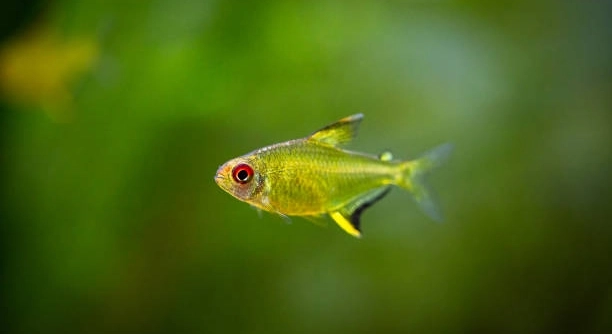
Lemon tetras are lively and colorful, often swimming in schools across the tank. Sometimes, they suddenly hide, leaving owners feeling unsure about their fish’s health and behavior in their aquatic environment.
When lemon tetras suddenly hide, the behavior usually indicates stress, illness, or changes in their tank environment. Factors such as water quality, temperature fluctuations, or aggressive tankmates can trigger hiding, and addressing these conditions helps restore their normal activity and comfort.
Understanding why they retreat and how to support them can make a big difference in their well-being and help you maintain a healthy aquarium.
Common Reasons Lemon Tetras Hide
Lemon tetras may hide for several reasons, and observing their environment carefully helps identify the cause. Sudden changes in water temperature or chemistry can make them feel unsafe. If ammonia or nitrate levels rise, they will retreat to plants or decorations. New tankmates that are aggressive or overly curious can also frighten them, causing them to hide. Overcrowding reduces swimming space and increases stress, making hiding a natural response. Even subtle changes like rearranging decorations or introducing new plants may make them cautious until they adjust. Health issues, including parasites or infections, can also lead to sudden hiding. Fish often become less active when feeling unwell, seeking shelter to conserve energy and avoid potential threats. By paying close attention to these environmental and health factors, you can address problems early, ensuring your lemon tetras feel safe and return to their normal behavior, swimming confidently in open areas.
Stress in lemon tetras can often be reduced with stable water conditions and peaceful tankmates.
Keeping water clean, maintaining stable temperature, and adding hiding spots like plants or decorations creates a safe environment. Healthy, non-aggressive companions help tetras feel secure, reducing frequent hiding and encouraging natural, active swimming behavior.
How to Encourage Lemon Tetras to Swim
Hiding behavior can be minimized by gradually acclimating fish to changes in their tank. Start by keeping lighting soft and consistent, as sudden bright lights can scare them. Provide plenty of plants or decorations for shelter, allowing tetras to feel safe while exploring. Feeding them in the same area each day can create a sense of routine and comfort, reducing stress. Avoid overcrowding and aggressive tankmates that may intimidate them. Observing their behavior regularly helps identify if any tetras are sick or overly stressed. Slowly adjusting tank elements instead of abrupt changes keeps them confident. Once they feel secure, they will begin swimming in open areas more often, showing natural curiosity and social interaction with the school. Regular water testing, stable filtration, and careful tank management all play a role in helping lemon tetras feel safe, gradually reducing their tendency to hide and improving overall well-being.
Water Quality and Tank Conditions
Poor water quality is a main reason lemon tetras hide. High ammonia, nitrite, or nitrate levels stress fish, making them retreat. Uneven temperature or low oxygen also impacts their activity, encouraging them to stay in shelter rather than swim openly.
Regular water testing is essential to keep parameters stable. Lemon tetras prefer slightly acidic to neutral pH and consistent temperatures around 24–27°C (75–81°F). Filtration should remove waste efficiently without creating strong currents that tire them. Frequent partial water changes reduce toxins and maintain clarity, giving tetras a safer environment. Even minor fluctuations in water chemistry can trigger hiding, so observing behavior alongside water parameters helps detect problems early.
Tank layout affects how comfortable tetras feel. Providing plants, caves, and gentle swimming spaces gives them options to hide and explore safely. Overcrowding or sparse decorations can increase stress. A balanced environment encourages activity and reduces sudden hiding, letting tetras interact naturally within their school and feel secure while swimming throughout the tank.
Diet and Feeding Habits
Lemon tetras may hide if they feel stressed from poor nutrition or inconsistent feeding. Offering a balanced diet keeps them healthy and active.
Feeding small amounts multiple times a day works best. They eat flake, frozen, or live foods like daphnia and brine shrimp. Uneaten food should be removed to prevent water quality issues that can cause hiding. Feeding routines create predictability, making tetras feel safer and more confident. Nutrient-rich foods support their immune system, reducing illness-related stress. Overfeeding or sudden changes in diet can cause discomfort, leading fish to hide more often. By keeping feeding consistent and water clean, lemon tetras become more active and social, showing bright colors while swimming openly in their tank.
Tankmates and Social Dynamics
Aggressive or overly large tankmates can make lemon tetras hide frequently. Peaceful, similarly sized fish reduce stress and encourage normal swimming behavior.
Keeping lemon tetras in groups of six or more helps them feel secure. Schools provide safety and social interaction, decreasing the likelihood of hiding caused by fear or intimidation from other fish.
Lighting and Environment
Bright or fluctuating lighting can startle lemon tetras, causing them to hide. Consistent, moderate lighting helps them feel safe while swimming. Plants and decorations offer shaded areas, giving fish control over how exposed they feel in the tank.
Observing Behavior for Health
Monitoring activity, color, and appetite is essential. Sudden hiding can indicate illness or stress. Detecting changes early allows prompt care, maintaining overall well-being and helping lemon tetras remain active and healthy in their aquarium environment.
Stress Reduction Techniques
Introducing changes gradually, maintaining stable water conditions, and providing hiding spots reduce stress. Calm, predictable environments encourage lemon tetras to explore and interact naturally, preventing frequent retreat into shelters.
FAQ
Why do lemon tetras hide suddenly?
Lemon tetras hide due to stress, illness, or changes in their environment. Sudden temperature shifts, poor water quality, or aggressive tankmates can trigger hiding. Even minor rearrangements in the tank may make them cautious. Observing their behavior alongside water parameters helps identify the cause.
Is it normal for them to hide at night?
Yes, lemon tetras often hide at night or when lights are off. This is a natural behavior, as they feel safer in shaded areas during periods of low light. Providing plants and decorations ensures they have safe spaces to retreat.
Can water quality cause hiding?
Absolutely. High levels of ammonia, nitrite, or nitrate stress fish, making them retreat. Even small fluctuations in pH or temperature can cause discomfort. Regular water testing, partial water changes, and stable filtration reduce stress and encourage natural swimming behavior.
Do tankmates affect hiding behavior?
Yes, aggressive or larger fish can intimidate lemon tetras. Keeping peaceful, similarly sized fish and schooling them in groups of six or more increases their confidence and reduces hiding tendencies. Social interaction within their school helps them feel secure.
Can diet influence hiding?
Poor nutrition or inconsistent feeding can make lemon tetras less active and more prone to hiding. Offering a balanced diet of flake, frozen, or live foods like daphnia and brine shrimp keeps them healthy. Feeding small amounts multiple times a day encourages routine and security.
How long will they hide?
The duration depends on the cause. If hiding is due to minor stress or new tank changes, it may last a few hours to a couple of days. Persistent hiding could indicate illness or poor water conditions, which require immediate attention.
Does overcrowding affect hiding?
Overcrowding increases stress, reduces swimming space, and can make fish hide more often. Ensuring a spacious tank with adequate plants and decorations provides safe spaces and encourages more confident swimming.
Can lighting changes make them hide?
Sudden bright lights or fluctuating lighting can startle tetras. Consistent, moderate lighting, along with shaded areas from plants or decorations, allows them to feel secure and reduces hiding behavior.
What signs indicate illness when they hide?
Signs include loss of appetite, faded colors, lethargy, or unusual swimming patterns. Sudden hiding combined with these symptoms often points to stress or disease. Early detection and water quality maintenance help prevent further health issues.
How can I encourage them to swim openly again?
Stable water conditions, peaceful tankmates, a proper diet, and plenty of hiding spaces gradually build confidence. Avoid sudden changes in decorations or lighting. Regular observation and small, consistent adjustments help lemon tetras feel safe and reduce hiding behavior over time.
Is it normal for some tetras to hide more than others?
Yes, individual temperaments vary. Some lemon tetras are naturally shy or less dominant within their school. Providing ample shelter and keeping them in groups allows them to find comfort and gradually become more active without forcing exposure.
Can seasonal changes in temperature or light affect hiding?
Seasonal shifts can slightly affect tank conditions, even indoors. Gradual adjustments in lighting duration and maintaining stable water temperature prevent stress-induced hiding. Monitoring parameters and observing behavior ensures tetras stay comfortable year-round.
Are there any decorations that help reduce hiding?
Plants, caves, and gentle rock formations provide safe spaces. They allow tetras to hide temporarily while also giving room to explore. A balanced mix of open swimming areas and shelters encourages confidence and natural activity.
How often should I monitor my tank?
Daily observation is ideal. Check water parameters weekly and adjust as needed. Monitoring behavior, feeding, and overall activity ensures any stressors or issues are identified before they cause prolonged hiding or health problems.
Can sudden noises or vibrations affect lemon tetras?
Yes, loud or consistent vibrations can stress tetras. Avoid placing tanks near high-traffic areas or speakers. Gentle handling during maintenance and careful placement of equipment reduces unnecessary stress and encourages normal swimming patterns.
Does water flow impact hiding?
Strong currents can tire or stress lemon tetras, causing them to retreat. Moderate, gentle flow is ideal. Adjust filters or add plants to break up strong currents, creating a calm environment where tetras feel comfortable swimming openly.
Can hiding indicate breeding behavior?
Sometimes, but it is usually temporary. During breeding, lemon tetras may hide in dense plants or secluded areas. Observing other behaviors, like chasing or spawning activity, helps distinguish stress-related hiding from reproductive behavior.
How long does it take for tetras to adjust after tank changes?
Adjustment depends on the change and the individual fish. Minor changes may take hours, while larger modifications, such as new tankmates or rearranged decorations, may take days. Patience and gradual transitions help them regain confidence.
Is it necessary to isolate hiding tetras?
Not usually. Isolation is only needed if a fish shows signs of illness or aggression. Providing shelter within the main tank is often enough to reduce stress and encourage natural swimming without removing them.
What’s the best way to reduce long-term hiding?
Maintain stable water quality, provide balanced nutrition, keep peaceful tankmates, and offer safe hiding spaces. Consistency, observation, and gentle adjustments to the tank help lemon tetras feel secure, gradually reducing frequent hiding and encouraging active, social behavior.
Lemon tetras are delicate and sensitive fish that respond quickly to changes in their environment. Their tendency to hide suddenly is often a sign that something in the tank is not quite right. It could be stress caused by water quality, aggressive tankmates, or even small adjustments in decorations or lighting. Observing their behavior carefully helps you understand their needs. Hiding is not always a sign of illness, but it is a way for fish to protect themselves when they feel uncertain or threatened. By recognizing these behaviors early, you can prevent more serious problems from developing and create a stable, safe environment where lemon tetras feel comfortable. Over time, consistent care helps them regain confidence and encourages natural swimming patterns.
Maintaining stable water conditions is one of the most important factors in reducing hiding behavior. Lemon tetras thrive in clean water with a slightly acidic to neutral pH and a consistent temperature between 24–27°C (75–81°F). Regular water testing and partial water changes keep toxins such as ammonia, nitrite, and nitrate at safe levels, which reduces stress and supports overall health. Proper filtration is also key, ensuring water flows gently without creating strong currents that may tire the fish. A well-structured tank with plants, caves, and decorations gives them places to hide when they need it, while also leaving enough open space for swimming and schooling. This balance between shelter and space allows tetras to feel safe while gradually becoming more active and confident in their environment.
Diet and social structure also influence how lemon tetras behave. Feeding small, frequent meals of balanced foods like flake, frozen, or live options supports their energy levels and immunity. Overfeeding or irregular feeding routines can contribute to stress and hiding behavior. Keeping lemon tetras in groups of six or more helps them feel secure, as schooling provides social interaction and a sense of safety. Peaceful tankmates and careful observation of their interactions reduce the risk of intimidation or conflict. By combining consistent water care, proper nutrition, a thoughtfully arranged tank, and attention to social dynamics, lemon tetras are more likely to swim openly, display vibrant colors, and enjoy a healthy life. Understanding their behaviors and responding thoughtfully ensures that hiding becomes a temporary, manageable occurrence rather than a long-term issue, creating a more harmonious and stable aquarium for both the fish and their caretaker.

Hello,
If you enjoy the content that we create, please consider saying a "Thank You!" by leaving a tip.
Every little bit helps us continue crafting quality advice that supports the health, happiness, and well-being of pets around the world, for pets of all shapes, sizes, and species.
We really appreciate the kindness and support that you show us!