
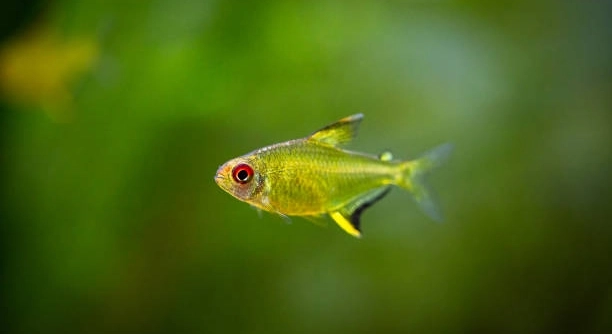
Have you ever wondered how water conditions shape the comfort of your lemon tetras, giving them the steady environment they need to stay vibrant and active in your home aquarium while keeping their health stable.
Optimal water hardness for lemon tetra care ranges between soft and moderately hard conditions, typically measured at 3 to 8 dGH. Maintaining this range supports stable osmoregulation, encourages consistent behavior, and promotes long term physiological balance within managed freshwater systems.
Learning how hardness influences their comfort helps you create an environment that supports health and natural behavior in your aquarium.
Understanding Water Hardness for Lemon Tetra Care
Water hardness plays a steady role in how lemon tetras respond to their surroundings, shaping their comfort and overall condition in a quiet but noticeable way. When the hardness level stays within a gentle range, these small fish show calmer behavior and handle daily changes with fewer signs of stress. Stable hardness also supports proper ion balance, which helps their bodies function without strain. Many keepers find that once they set the right range, the fish settle in with smoother movement and clearer colors. Even small shifts can influence their routine, so keeping consistency becomes an important task. Understanding this helps you build an environment that stays safe, predictable, and easy to manage. By focusing on the hardness range early on, you help prevent subtle issues that may appear over time. It keeps your aquarium on track and allows your lemon tetras to stay active and steady throughout their care.
Maintaining suitable hardness helps reduce stress and supports steady activity, giving the fish a stable foundation for healthy living. When the range is kept consistent, the aquarium becomes easier to manage and offers a dependable environment that protects the long term comfort of your lemon tetras in their daily routine.
Soft to moderately hard water supports the natural behavior of lemon tetras by keeping their internal balance steady. When hardness rises too high, the fish may show restlessness or reduced color, and when it drops too low, they can struggle with basic functions. Adjustments should be made slowly, allowing the aquarium to respond without sudden shifts. Regular testing helps you track changes before they affect the fish. Using reliable conditioners and stable water sources keeps the level within the preferred range. This creates a calm setup that stays predictable and makes long term care feel more manageable for you daily.
Maintaining Stable Hardness Levels
Keeping hardness consistent relies on steady habits that support long term stability in your aquarium. Regular tests reveal minor changes early, allowing you to adjust before the fish react. Matching new water to your tank’s range helps avoid sudden shifts that could affect the comfort of your lemon tetras daily.
Managing hardness levels becomes easier when you build a routine that stays simple and consistent. Start by checking your water source, since different supplies can vary widely in mineral content. If the hardness is too high, mixing in a portion of purified water helps soften the aquarium without overwhelming the fish. When hardness is too low, adding mineral supplements in small amounts can raise it gradually. Avoid sudden changes, as quick shifts can cause stress and disrupt natural behavior. A steady pattern of water changes also helps maintain balance, especially when performed at regular intervals. Make sure replacement water is conditioned and checked before adding it to the tank. Tracking your readings in a small notebook or digital note can help you notice patterns that might influence your schedule. With consistent habits, the aquarium becomes easier to maintain, and your lemon tetras enjoy a calm setting that supports their health. Each step builds a predictable routine that helps keep your fish active and comfortable while keeping the overall care process manageable for you. Small adjustments made at a slow pace protect their stability and give you better control over daily conditions in the tank helping maintain steady behavior over time.
Adjusting Hardness Safely
Small adjustments help keep your lemon tetras steady during changes in water hardness. Slow shifts protect their internal balance and prevent sudden reactions that can affect their behavior. Testing before and after each adjustment helps you understand how the tank responds and keeps the process controlled and predictable.
Raising hardness works best when done with gradual steps. Mineral supplements are useful, but they should be added in small portions mixed into separate containers before reaching the tank. This prevents concentrated areas that might irritate the fish. If the water remains too soft, crushed coral placed in a filter bag can slowly increase hardness without sudden spikes. Each method works at its own pace, so tracking results helps you understand which option fits your routine. As you monitor changes, note how the fish behave, since their activity can reflect whether the adjustments are mild enough to keep them calm.
Lowering hardness requires the same slow approach to avoid stressing your lemon tetras. Blending purified water with your current supply softens hardness in a controlled way. Using small amounts during water changes helps maintain steady conditions without overwhelming the tank. Driftwood can also create a gentle softening effect as it releases natural compounds over time. When monitoring your readings, keep the range consistent by making changes during scheduled maintenance rather than reacting to quick fluctuations. This method keeps the environment predictable and maintains a stable rhythm that supports long term comfort.
Common Signs of Hardness Issues
Hardness problems often show through subtle changes in your lemon tetras’ appearance or movement. Dull color, twitchy swimming, or hesitation during feeding may signal stress from unsuitable hardness levels. Keeping an eye on these small shifts helps you catch problems early and correct them before they grow.
When hardness becomes too high, lemon tetras may appear more restless or show reduced flexibility during swimming. Their colors may fade slightly, and they can become less willing to explore open areas. In low hardness, they may struggle to maintain balance or show slower responses during routine activity. These signs usually improve once the hardness returns to a proper range. Taking notes on these behaviors helps you understand how your tank reacts to each adjustment. This awareness makes it easier to respond with precision while keeping the process calm and steady.
Tools That Help Keep Hardness Stable
Simple tools make hardness control easier and more reliable. Test kits reveal small changes early, letting you correct issues before they affect your lemon tetras. Conditioners, mineral additives, and purified water offer steady ways to adjust hardness without causing sudden shifts in your tank.
Filter media like crushed coral or limestone can raise hardness slowly, giving you more control over the pace of change. Driftwood and peat help soften water at a gentle rate. Using these tools thoughtfully helps you maintain a consistent environment that supports your fish and keeps their behavior steady.
How Hardness Affects Daily Behavior
Hardness levels influence how your lemon tetras move, interact, and respond to their surroundings. When the hardness stays within a suitable range, they swim with ease, explore confidently, and show clear, bright color. If the hardness drifts too far in either direction, they may become hesitant or restless. This change in behavior is often one of the earliest signs that something in the tank needs attention. Observing their activity helps you adjust conditions before problems develop. With stable hardness, your fish maintain a calm rhythm that reflects balanced internal function and a comfortable environment.
Tips for Consistent Monitoring
Regular testing helps you avoid unexpected shifts and makes hardness control simpler. Using the same test kit keeps your readings consistent and gives you a clearer view of your tank’s patterns over time.
FAQ
What hardness level is best for lemon tetras?
The best hardness range for lemon tetras stays between 3 and 8 dGH, which keeps their internal balance steady and supports calm behavior. Staying within this range helps them show clear color, smooth movement, and predictable daily activity. Consistency protects them from stress caused by sudden mineral changes.
Can hardness fluctuate without causing problems?
Small shifts are normal, but frequent or large changes can affect your lemon tetras quickly. When hardness moves too fast, the fish may seem jumpy or less active. Keeping testing regular helps you catch changes early. Stable hardness creates a steady environment that supports their well being.
How often should I test hardness levels?
Testing once a week keeps you aware of changes before they affect your fish. If your water source is unpredictable, testing during every water change helps maintain balance. Consistent testing gives you a clear view of how your aquarium responds to routine adjustments.
What signs show that hardness is too high?
Hardness that rises too much can make lemon tetras appear restless with faded color and sharper movements. They may stop exploring open spaces and react more strongly to feeding. These signs ease once the hardness returns to a softer and stable range that suits their needs.
What signs show that hardness is too low?
Very soft water can cause slower reactions, mild wobbling, or reduced interest in normal activity. Lemon tetras may appear weak or hesitant when the hardness drops too far. Raising hardness slowly helps their bodies adjust and restores comfortable behavior over time.
Is it safe to change hardness quickly?
Quick changes can stress lemon tetras and disrupt internal balance. Slow adjustments help protect them from sudden discomfort. Spreading changes across several days gives the tank time to adapt. This approach keeps the process calm and helps your fish stay steady.
Can you use crushed coral to raise hardness?
Crushed coral works well because it releases minerals slowly. Placing a small bag of coral in your filter provides gentle increases without sudden spikes. It may take several days to see results, which helps you maintain a steady pace that keeps your fish comfortable.
Does driftwood help soften water?
Driftwood releases natural compounds that soften water gradually. It is gentle enough for lemon tetras and works best when monitored through regular testing. Adding too much driftwood at once can lower hardness faster than expected, so starting with small pieces keeps changes controlled.
Can purified water be used to lower hardness?
Purified water is useful for softening your tank, especially when mixed with your usual supply. Replacing only part of your water with purified water during routine changes helps prevent sudden drops. This method feels manageable and keeps hardness reduction steady.
Do conditioners affect water hardness?
Some conditioners influence hardness by adjusting mineral levels. They work best when added slowly and tested after each use. Conditioners should match your tank’s goals, whether raising or lowering hardness. Using the right type helps create controlled changes that support stable behavior.
Why does my hardness keep drifting even with regular care?
Hardness can shift due to evaporation, inconsistent sources, or the materials inside your aquarium. Even small decorations or substrates can influence mineral balance. Tracking hardness readings helps you understand which elements affect your tank the most. Adjustments to routine often fix the drifting.
Should I adjust hardness during every water change?
You only need to adjust hardness when readings fall outside the preferred range. When the tank stays stable, normal water changes are enough. If your source water is very different from your tank’s range, making small corrections during each change helps maintain balance.
Can hardness affect feeding behavior?
Unsuitable hardness can make lemon tetras withdraw from feeding or appear slower when approaching food. Once hardness becomes stable, their feeding rhythm usually improves. Watching how they eat gives you early clues about changes in water conditions before they worsen.
Is hardness the same as pH?
Hardness and pH are different, even though they can influence one another. Hardness measures minerals, while pH measures acidity. Both matter for lemon tetras, but hardness plays a direct role in their internal balance. Keeping each within a suitable range supports long term comfort.
Do live plants affect hardness?
Some plants absorb minerals slightly, which can soften water over time. While the impact is usually small, heavily planted tanks may show gradual changes. Regular testing helps you understand how your plants influence hardness so you can adjust as needed.
Final Thoughts
Caring for lemon tetras becomes easier once you understand how much water hardness shapes their daily comfort. When the range stays stable, the fish respond with calm behavior, steady swimming, and clear color that reflects good health. Hardness may seem like a small detail at first, but it influences your aquarium in ways that build up over time. By testing regularly, adjusting slowly, and keeping your routine predictable, you create a space that supports your fish without constant worry or guessing. This steady approach also makes the tank easier to manage, since you know what to expect and can handle changes before they become problems. Everything becomes smoother when hardness remains consistent, and the fish appreciate the balance you work to maintain. It gives them a calm, reliable habitat that supports their natural rhythm and reduces stress from sudden shifts. This balance keeps your aquarium running well and creates a peaceful setting that stays enjoyable for you.
As you continue caring for lemon tetras, it helps to remember that hardness is not a one time task but an ongoing part of maintenance. The water in your home can shift from season to season, and small changes inside the tank can influence mineral levels without you noticing right away. Keeping a simple log makes these patterns easier to track and helps you understand what your tank needs at different times. Slow adjustments will always be the safest path for your fish, whether you are raising or lowering hardness. Gentle methods protect their internal balance while giving you room to correct issues at a manageable pace. With patience, the tank becomes more predictable, and your fish show smoother behavior as a result. Even when challenges come up, approaching them with careful steps helps keep everything stable. This steady mindset supports long term success and creates a sense of confidence as you settle into your routine.
In the end, stable hardness helps your lemon tetras live with comfort and ease, and it offers you a calmer experience as well. When you maintain the right range and avoid sudden changes, the aquarium becomes a relaxed space that reflects the time and care you put into it. The fish move with confidence, their color stays bright, and their overall behavior feels natural. Your efforts build an environment where each part of the tank works together in a simple and balanced way. This steady foundation supports the long life and well being of your lemon tetras, while also giving you a setup that feels peaceful to care for each day.

Hello,
If you enjoy the content that we create, please consider saying a "Thank You!" by leaving a tip.
Every little bit helps us continue crafting quality advice that supports the health, happiness, and well-being of pets around the world, for pets of all shapes, sizes, and species.
We really appreciate the kindness and support that you show us!