
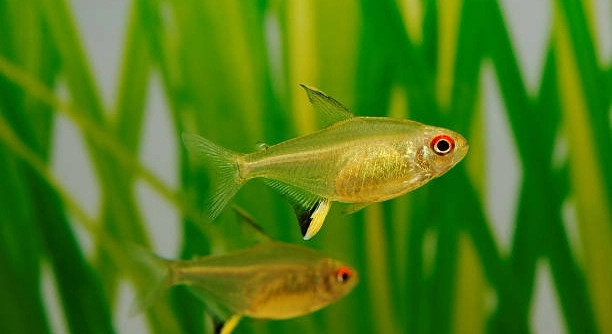
Do your lemon tetras spend most of their time in the same corner of the tank? Observing their behavior can be surprisingly revealing. These small, vibrant fish often develop favorite spots that feel safest to them.
Lemon tetras can show strong site attachment due to environmental factors and social behavior. Providing consistent tank conditions, hiding spots, and stable companions can reinforce this preference, influencing their movement patterns and overall stress levels in captivity.
Understanding why lemon tetras favor certain areas helps in managing their tank environment effectively. Proper care ensures healthier, more confident fish that thrive in their space.
Understanding Lemon Tetra Spot Attachment
Lemon tetras often choose specific areas in the tank where they feel most secure. These spots may offer better visibility, protection, or proximity to companions. Factors like light, current, and hiding places influence where a fish prefers to stay. Observing their daily patterns can reveal consistent favorites. Over time, these spots can become a central part of their behavior, influencing feeding and social interactions. Changes in the tank, such as rearranging plants or decorations, may temporarily stress them, as they need time to adjust. Maintaining a stable environment helps reduce anxiety and supports natural behavior. Even small adjustments, like gentle lighting or quiet tank placement, can make a noticeable difference. Understanding these preferences allows caretakers to create spaces where fish feel safe, improving overall well-being and encouraging natural movement throughout the aquarium. It also helps identify health concerns early when a fish avoids its usual spots.
Consistency in tank layout supports calmer, more confident lemon tetras.
Spot preference can indicate comfort and security. Watching their behavior helps tailor tank setup for healthier fish.
Managing Their Preferred Spots
Recognizing where lemon tetras spend most of their time allows for better tank management. Avoid sudden changes to plants or decorations in these areas. Keeping water conditions stable supports their natural habits.
Once you know their favorite spots, consider adjusting tank elements to enhance comfort. Provide gentle currents, secure hiding places, and evenly distributed lighting. Overcrowding or frequent disturbances near these areas can increase stress. Social dynamics within the group also play a role; pairing them with compatible tank mates reduces tension. Feeding routines near preferred locations reinforces positive behavior. Consistent observation ensures any signs of illness or distress are noticed early. Gradually introducing new objects or rearranging decorations gives fish time to explore without losing their sense of security. Understanding these details allows for creating a more harmonious tank environment. Healthy, confident lemon tetras exhibit natural movement and social patterns, which are easier to maintain when their favorite spots are respected. This approach fosters a stable ecosystem that benefits all tank inhabitants.
Spot Attachment and Stress
Strong attachment to a specific spot can indicate comfort, but it may also signal stress. Lemon tetras often cling to familiar areas when water conditions fluctuate or new tank mates are introduced. Monitoring behavior helps prevent prolonged anxiety.
Repeatedly occupying the same spot can be linked to minor stressors such as changes in water temperature, pH, or tank lighting. Even subtle shifts in environment, like new decorations or cleaning, can prompt fish to retreat to their preferred corner. This behavior is a natural coping mechanism. Keeping water stable and avoiding sudden disruptions allows them to feel secure, encouraging more balanced movement throughout the tank. Observation over time helps identify patterns, ensuring any stress is addressed promptly before it affects health or appetite.
Overcrowding or aggressive companions can amplify spot attachment. Lemon tetras may limit movement, hiding behind plants or near the tank’s edge. Providing open swimming space alongside secure areas reduces tension. Regular water testing, gradual environmental adjustments, and maintaining compatible groups help ensure comfort. Understanding these dynamics allows for better management of their tank behavior, supporting overall well-being. Spot attachment can thus serve as a useful indicator for assessing tank conditions and improving care practices.
Encouraging Exploration
Encouraging lemon tetras to explore other areas reduces overreliance on one spot. Rearranging plants or adding decorations can gently motivate movement without causing stress.
Creating a stimulating environment with varied structures encourages natural exploration. Floating plants, small caves, and gentle currents promote curiosity while maintaining secure zones. Avoid sudden changes, which can increase anxiety, and introduce new elements gradually. Feeding in different locations can also guide them to explore, supporting exercise and natural social behavior. By balancing safety and stimulation, lemon tetras are more active, healthier, and less prone to stress-related behaviors.
Gradually modifying the tank allows fish to expand their range confidently. Monitoring interactions with companions ensures no dominance issues arise. Observing swimming patterns and response to new objects helps fine-tune tank layout. Providing both shelter and open space ensures mental stimulation and physical activity. Encouraging exploration strengthens immunity, reduces stress, and fosters natural behaviors. Over time, the fish learn to feel secure beyond their favorite spot, leading to a more balanced and engaging tank environment for the entire group.
Recognizing Comfort Zones
Lemon tetras often select areas that feel safe, like corners near plants or gentle currents. These spots provide security while allowing them to observe the tank. Comfort zones help reduce stress and encourage natural behaviors.
Fish may repeatedly return to these locations during feeding or rest periods. Recognizing patterns helps maintain a suitable environment.
Water Quality and Spot Preference
Stable water parameters are crucial for lemon tetras. Variations in temperature, pH, or ammonia levels can make them cling to familiar spots. Monitoring these conditions consistently supports healthy behavior. Maintaining clean water, performing regular tests, and avoiding sudden changes prevent stress-induced spot attachment.
Social Influence
Tank mates impact where lemon tetras spend their time. Aggressive or dominant companions may push them toward secluded areas. Proper groupings and balanced social dynamics help fish feel secure and encourage more natural movement.
FAQ
Why does my lemon tetra stay in one spot all the time?
Lemon tetras often stay in a single spot due to comfort or minor stress. Familiar corners give them a sense of security, especially when water conditions fluctuate or new tank mates are added. Stable environments help reduce this behavior over time.
Can a lemon tetra get stressed from changing tank decorations?
Yes, sudden changes in the tank can cause stress. Rearranging plants, adding new ornaments, or moving hiding places may make them cling to their favorite area. Gradual adjustments are better for maintaining calm behavior.
How can I tell if my fish is too attached to a spot because of stress?
Signs include lack of movement, refusal to feed in new areas, hiding more than usual, or frequent hovering in the same corner. Consistent observation is important to distinguish normal preference from stress-related behavior.
Does water quality affect spot attachment?
Absolutely. Lemon tetras are sensitive to temperature, pH, and ammonia fluctuations. Poor water quality can make them retreat to secure spots. Regular testing and proper maintenance reduce stress and encourage exploration.
Can tank mates influence my tetra’s spot preference?
Yes, aggressive or dominant fish may push tetras toward secluded areas. Keeping compatible species and balanced groups ensures fish feel secure, which reduces overreliance on one location.
Is it normal for lemon tetras to have favorite spots?
Yes, it is natural. Many fish develop preferred resting or feeding areas. It becomes a routine for comfort and security, as long as they still swim around and interact with the environment.
How do I encourage my tetra to explore other areas?
Gradually rearrange plants or add small decorations to motivate movement. Feeding in different spots also encourages exploration. Ensure changes are gentle to avoid stress while giving the fish new areas to feel secure.
Can overcrowding increase spot attachment?
Yes, crowded tanks often force tetras into corners or hidden spots. Adequate space, proper tank size, and managing population density are essential to encourage natural movement.
Should I worry if my tetra never leaves one spot?
If it also shows signs of illness, poor appetite, or lethargy, yes. Persistent inactivity can indicate health issues. Otherwise, it may simply be their comfort zone. Monitor behavior and maintain tank stability.
Will changing lighting help my tetra explore more?
Subtle adjustments to lighting can help, especially if the area feels too bright or shaded. Gradual changes that mimic natural conditions encourage activity without causing stress.
Do tetras ever change their favorite spots naturally?
Yes, as plants grow, decorations shift, or social dynamics change, fish may pick new preferred areas. Observing these changes helps understand behavior and ensures the tank setup meets their needs.
Can diet affect spot attachment?
Indirectly, yes. Feeding routines can make tetras associate certain areas with food. Rotating feeding locations encourages movement and prevents overreliance on a single spot.
Is it okay for them to return to the same spot daily?
Yes, daily returns to a favorite spot are normal. It provides comfort and consistency, but ensure they still swim, feed, and interact to maintain health and well-being.
How long does it take for a tetra to adjust to a new spot?
Adjustment varies. Some tetras adapt within hours, while others take days or weeks. Gradual changes and a calm environment accelerate adaptation. Patience is key to reducing stress and supporting natural exploration.
Can stress from spot attachment lead to illness?
Prolonged stress weakens immunity, making fish more susceptible to disease. Maintaining water quality, stable conditions, and compatible tank mates helps minimize stress-related health risks.
Are hiding spots important even if my tetra has a favorite area?
Yes, additional shelters reduce anxiety and give fish options. Even with a preferred spot, multiple secure areas encourage natural movement and exploration while providing safety when needed.
What’s the best way to monitor spot attachment?
Observe swimming patterns, feeding behavior, and interaction with tank mates. Take note of changes over time, especially after environmental adjustments or social changes, to ensure behavior reflects comfort rather than stress.
How can I balance safety and exploration in the tank?
Provide both secure zones and open swimming areas. Gradually introduce new elements, distribute food in various locations, and maintain consistent water parameters to encourage confident, healthy movement throughout the tank.
Does age affect spot preference?
Younger tetras may explore more, while older fish often develop stronger preferences for familiar spots. Adjusting tank elements gently can help older fish feel safe while still encouraging activity.
Can multiple tetras share the same favorite spot?
Yes, but overcrowding can cause tension. Monitor interactions and provide alternative shelters to prevent stress or aggression while allowing social bonding in shared spaces.
How often should I check their behavior?
Daily observation is ideal. Short, consistent monitoring helps spot changes early, whether due to stress, illness, or environmental shifts. This allows for timely adjustments and better overall care.
Lemon tetras are small, lively fish that often develop clear preferences for certain areas in the tank. These favorite spots provide comfort, safety, and a sense of control over their surroundings. Observing their behavior closely allows you to understand these preferences and adjust the tank environment accordingly. It is natural for fish to return to familiar corners, especially during feeding or rest periods. Consistent tank conditions, such as stable water temperature, pH levels, and gentle lighting, make it easier for tetras to feel secure. Small details like the placement of plants, rocks, or decorations also contribute to their comfort. Over time, noticing where your fish spend most of their time can help identify their preferred areas and ensure that these spots remain safe and stress-free.
Spot attachment is not always a sign of a problem. In many cases, it is simply a reflection of a fish’s natural instinct to find security. However, strong attachment can sometimes indicate minor stress, caused by changes in the environment, aggressive tank mates, or fluctuations in water quality. Monitoring behavior regularly can reveal patterns, showing whether the attachment is a healthy routine or a response to stress. Providing enough hiding places, open swimming areas, and compatible companions reduces tension and encourages balanced movement throughout the tank. Feeding in different areas and introducing new decorations gradually can also motivate tetras to explore without feeling unsafe. By understanding these dynamics, caretakers can create a harmonious environment that supports natural behavior, mental stimulation, and overall well-being.
Maintaining a stable, well-structured tank benefits both the fish and the caretaker. Lemon tetras thrive when their environment feels predictable yet engaging, allowing them to express natural behaviors while remaining secure. Paying attention to their favorite spots and observing changes over time helps prevent stress-related issues and promotes long-term health. Adjustments should be gradual and deliberate, avoiding sudden disruptions that could cause anxiety. Encouraging exploration alongside providing safe zones fosters confidence, social interaction, and activity. A carefully managed tank results in healthier, more active fish, making it easier to enjoy their natural charm. Understanding spot attachment and how it relates to comfort, stress, and behavior ultimately allows you to provide a better, more balanced habitat for your lemon tetras.

Hello,
If you enjoy the content that we create, please consider saying a "Thank You!" by leaving a tip.
Every little bit helps us continue crafting quality advice that supports the health, happiness, and well-being of pets around the world, for pets of all shapes, sizes, and species.
We really appreciate the kindness and support that you show us!