
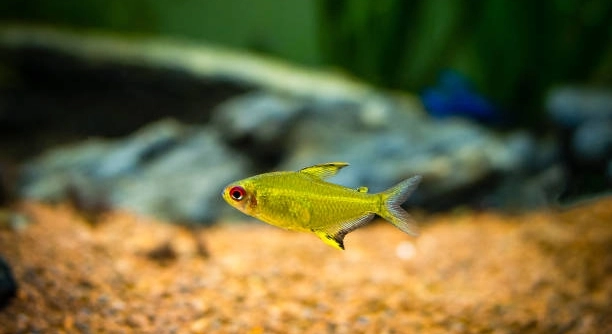
Encouraging steady schooling in lemon tetras can feel challenging when their movements appear scattered or uncertain. Understanding their natural behavior supports a calm environment that helps them swim together in a peaceful and balanced aquarium.
Encouraging lemon tetras to school effectively relies on providing stable water conditions, appropriate group sizes, and thoughtful tank arrangements that mirror their natural habitat. These factors promote coordinated movement, reduce stress responses, and reinforce an inclination to swim with conspecifics.
These combined elements guide their natural patterns, offering a smoother experience while creating a tranquil setting that strengthens schooling behavior.
Provide Stable Water Conditions
Creating stable water conditions helps lemon tetras feel secure and willing to swim together in a calm pattern. I have seen how even small fluctuations can unsettle them, making the group scatter more than usual. Keeping the temperature consistent supports their comfort since sudden changes often lead to erratic swimming. Maintaining proper filtration keeps the water clear, allowing the fish to sense each other easily. Regular testing prevents hidden issues from building up and affecting their behavior. Gentle flow adds movement without overwhelming them, giving the school a natural space to glide. When these elements stay balanced, the fish react with smoother coordination, settling into a relaxed rhythm that feels pleasant to watch. Paying attention to these details creates a predictable environment that encourages schooling. It also lowers stress, which is essential for their long term stability and confidence in the tank, helping them thrive in a peaceful setup environment.
Stable parameters support smooth schooling by reducing tension and allowing the fish to focus on natural group movement. Consistency in temperature, clarity, and flow gives them predictable conditions that strengthen coordination and reduce scattered reactions within the tank, helping them feel calm and secure throughout their daily swimming patterns overall.
Maintaining this stability over time deepens the schooling behavior you see. Lemon tetras respond well to predictable surroundings that let them stay aware of each other without being startled. I find that regular maintenance prevents sudden shifts that often disrupt their flow. Clean water and steady filtration make it easier for them to align, and the gentle current encourages synchronized movement. When the environment remains peaceful, their interactions grow smoother and more confident. These conditions support their natural instincts, making the group behave in a more unified way that feels pleasant to observe and helps maintain overall harmony within aquariums.
Maintain an Adequate Group Size
Keeping a proper group size supports steady schooling since lemon tetras feel safer when surrounded by their own kind. A larger group helps reduce nervous behavior, allowing the fish to move in a cohesive pattern that reflects their natural preference for social swimming throughout their shared space each day.
A well sized group plays a major role in shaping how confidently lemon tetras school. When they live in small numbers, they tend to scatter more easily because they lack the comfort that comes from having a supportive cluster around them. In larger groups, their behavior changes quickly as they begin responding to subtle signals from nearby fish. I have noticed how their movements appear smoother, and their responses become more predictable when the group feels complete. This arrangement not only reduces stress but also strengthens their ability to swim in coordinated patterns. A fuller group gives them a natural sense of security, encouraging them to join the flow rather than swim alone. It also spreads out any tension that might otherwise affect a single fish, making the entire school more stable. When space in the tank is appropriate, the fish glide together in a calm rhythm that reflects their natural instincts. Providing enough room for everyone ensures they move comfortably without crowding, while still staying close enough to interact. These conditions create a balanced environment that supports consistent schooling and enhances the overall atmosphere of the tank, promoting steady behavior across the group during daily swimming activity each time.
Create a Calm Tank Environment
A calm tank environment helps lemon tetras maintain steady schooling by reducing sudden reactions. Soft lighting, minimal noise, and smooth movement around the aquarium help them stay relaxed. When the surroundings stay peaceful, the group swims with better coordination and less scattered behavior.
Soft lighting prevents overstimulation, which often causes quick darting that disrupts group flow. I rely on steady, moderate brightness to keep them comfortable enough to focus on each other. Avoiding sudden room movements supports their sense of safety, and keeping external noise low helps them settle. Decorating the tank with gentle shapes and natural colors also reduces tension. When the space feels calm and predictable, the school stays closer together and moves in smoother patterns. These details build a stable atmosphere that encourages them to react in a more unified way, helping their schooling behavior appear stronger and more consistent.
Maintaining this calmness through daily habits keeps their behavior predictable. I find that slow, gentle tank maintenance reduces stress and keeps their attention on the group rather than reacting to disturbances. Moving slowly around the aquarium prevents startled swimming, which often causes the school to break apart. Even feeding them with a steady hand keeps their focus steady and prevents frantic motion. When the environment remains soothing from morning to evening, the fish respond with more synchronized gliding, reflecting their natural instincts. Over time, this stability supports healthier interactions and keeps their schooling behavior steady.
Offer Adequate Hiding Spots
Hiding spots help lemon tetras feel protected, which allows them to swim together with more confidence. Plants, driftwood, and gentle shelters give them places to retreat when startled, reducing stress and improving their ability to stay coordinated while schooling.
A well balanced tank layout supports steady schooling by easing tension and helping the fish feel safe at all times. I like using tall plants and layered arrangements that provide cover without blocking their swimming paths. These structures create a sense of security, making them less likely to dart away from the group. When they know safe spaces are available, they settle into smoother patterns and return to coordinated movement more quickly after disturbances. This stability strengthens their trust in the environment, which helps the school behave with more unity. Over time, these shelters become part of their daily routine, supporting healthier interactions and a more reliable schooling pattern.
Choose Compatible Tank Mates
Compatible tank mates help lemon tetras stay relaxed enough to school without interruption. Calm species that avoid chasing or nipping allow the group to maintain steady movement. When the tank community stays peaceful, the tetras show smoother coordination and remain close together.
Selecting gentle companions prevents unnecessary stress that often leads to scattered swimming. I find that avoiding territorial or overly active fish keeps the environment stable. With the right mix of species, lemon tetras maintain their natural rhythm and respond more confidently to the presence of their group.
Provide Consistent Feeding Habits
Consistent feeding habits support steady schooling by reducing frantic behavior during mealtimes. I rely on predictable feeding times to keep them calm and focused, preventing sudden bursts that disrupt their flow. Balanced portions help avoid competition, encouraging them to stay together rather than darting around the tank. When food is offered in small, steady amounts, the tetras feed without stress, which carries over into their regular swimming patterns. Over time, this routine strengthens their confidence and allows their schooling behavior to remain smooth, especially when paired with a quiet environment and stable water conditions.
Adjust Lighting Gradually
Gradual lighting adjustments help prevent startle reactions that break up schooling. Soft transitions allow the fish to stay calm as the tank brightens or darkens, supporting steady movement and helping them maintain coordinated behavior throughout their daily rhythm.
FAQ
Why do lemon tetras prefer to stay in groups?
Lemon tetras feel safer when surrounded by others of their kind. I have noticed that they become calmer and more predictable when kept in groups because the presence of other tetras reduces their alertness to sudden changes. Their natural instinct is to follow nearby movement, which helps them swim in a unified way. When they feel protected, they respond more evenly to the environment and maintain gentle patterns. This sense of safety also lowers stress, making it easier for them to settle into coordinated behavior that reflects how they act in nature.
How many lemon tetras should be kept together?
A group of at least six helps maintain steady schooling, but larger groups offer even better results. When the number is too small, the fish often become nervous and scatter. I find that groups of ten or more show smoother coordination and better confidence. A fuller group spreads out tension and keeps each fish aware of others nearby, allowing them to move with a stable rhythm. The more complete the school feels, the more comfortable they become, and their swimming patterns grow noticeably smoother over time.
What tank size works best for encouraging schooling?
A tank with generous horizontal space helps lemon tetras swim in longer paths without interruption. They appreciate open areas where they can align with each other easily. I prefer tanks around twenty gallons or larger for a group since it prevents crowding and gives them room to glide. The extra space supports natural movement and helps the school stay close together without feeling restricted. When they have space to stretch out, their schooling behavior becomes more fluid and coordinated.
Do lemon tetras stop schooling when stressed?
Yes, stress often breaks their formation. Sudden noise, fast movements, poor water conditions, or aggressive tank mates can cause them to dart in different directions. I see a noticeable difference when their environment feels unsettled. They scatter more, hug the corners, or move unpredictably. When the stressor is removed, they usually return to their normal schooling pattern. Keeping the tank calm and stable prevents these disruptions and allows them to maintain natural group behavior throughout the day.
Can lighting affect schooling behavior?
Lighting plays a major role in how relaxed the fish feel. Harsh lights can cause quick reactions that interrupt schooling. Gradual transitions help them adjust without panic. I use soft, even lighting to keep their movements steady. When the tank brightens slowly, the fish stay calm enough to continue swimming as a group. Consistent lighting also helps reduce sudden tension that might disrupt their coordination.
Why do lemon tetras sometimes swim apart instead of staying together?
Swimming apart can happen for several reasons, including stress, inconsistent water parameters, or a group size that feels too small. Sometimes they separate temporarily when exploring, but they usually return to one another when they feel safe. If the tank feels chaotic or unbalanced, they may spread out more often. I always check water quality and observe interactions with other fish when I notice this behavior. Stable surroundings, appropriate companions, and a comfortable tank layout help them feel secure enough to swim in a coordinated pattern again.
How can I tell if my schooling setup is working well?
You will notice a relaxed, steady flow in their movement. They glide near one another without abrupt direction changes. Their colors appear brighter, and their behavior looks gentle and confident. When the setup meets their needs, they show smoother group reactions and fewer scattered moments. I pay close attention to how often they stay together and how calmly they swim. When everything stays stable, their natural schooling pattern becomes consistent and pleasant to watch.
Final Thoughts
Creating the right environment for lemon tetras takes steady attention, but the results feel rewarding when their schooling behavior becomes smooth and predictable. I find that small adjustments often lead to noticeable improvements in how they move together. Stable water conditions help them feel comfortable enough to rely on one another, and this comfort shapes the way they glide through the tank. When they experience a calm space, their natural instincts come forward with more confidence. It becomes easier to see how each element in the tank supports their behavior, from lighting to hiding spots to the mix of fish around them. These choices influence their mood, and over time, the fish begin responding with gentle patterns that reflect their sense of safety. A peaceful aquarium makes every part of their daily routine feel more natural to them, and their schooling becomes a steady reflection of that comfort. Watching them settle into these rhythms reminds me that consistency matters more than anything else in their care.
As they grow comfortable, their interactions shift in subtle ways that show how well the setup supports them. Their movements become slower and more controlled, and it is easier to see their awareness of the group. They follow each other with less hesitation, showing a balance that comes from feeling secure. I appreciate how much these details matter because they reveal what the fish need without always demanding major changes. Even simple steps like feeding calmly or keeping noise levels low play a role in helping them stay connected. When their environment stays predictable, lemon tetras respond with behavior that feels intentional rather than reactive. They rely on each other to navigate the tank, and this trust builds a stronger sense of unity. Every adjustment that supports this unity strengthens the calm atmosphere they depend on. Over time, the tank becomes more than a space for them to live in. It becomes a place where their natural patterns unfold in a clear and steady way.
Maintaining these conditions encourages long term stability in their schooling. A consistent environment nurtures their instinct to stay together, and this stability supports a healthier group overall. I value the calm moments when they move in gentle patterns, because it shows that their needs are being met in a way that allows them to thrive. Lemon tetras reward steady care with a peaceful, coordinated presence in the aquarium, making the space feel balanced and alive. Their behavior becomes a reflection of the time and attention put into maintaining their habitat. When these efforts remain steady, the school responds with quiet confidence, forming patterns that feel soothing to watch.

Hello,
If you enjoy the content that we create, please consider saying a "Thank You!" by leaving a tip.
Every little bit helps us continue crafting quality advice that supports the health, happiness, and well-being of pets around the world, for pets of all shapes, sizes, and species.
We really appreciate the kindness and support that you show us!