
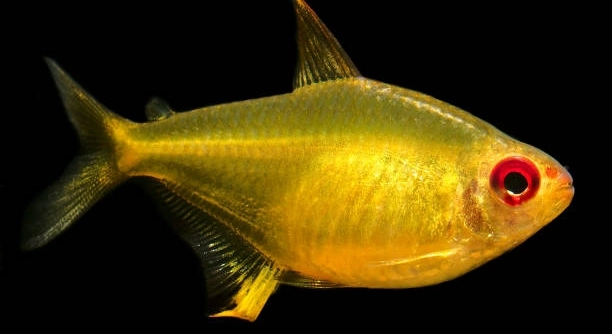
Do your lemon tetras swim in tight groups, appearing to recognize familiar faces among the school? Observing their interactions can be fascinating, as these small fish often display behaviors that hint at memory and social recognition.
Lemon tetras have been shown to remember other fish within their group. They can recognize familiar tank mates and adjust their behavior accordingly, demonstrating social memory that helps maintain harmony and reduces aggression in their environment.
Understanding how lemon tetras remember others can improve tank management and foster a calmer, more balanced community for your fish.
How Lemon Tetras Interact with Each Other
Lemon tetras are naturally social fish. In a well-maintained tank, they swim in groups and often stick close to familiar companions. Observing them, you might notice certain fish leading while others follow, showing subtle recognition patterns. These behaviors indicate memory and awareness. Fish that are new to the tank may be initially ignored or treated cautiously. Over time, as they interact, the established group begins to recognize and accept them. This recognition is not random. Lemon tetras remember past interactions, which can affect how they respond to aggression or play. They may avoid fish that have shown dominant behavior or spend more time near those they are comfortable with. Their memory helps reduce conflicts and allows the group to move as a cohesive unit. For owners, understanding these interactions can guide tank introductions and feeding patterns.
Social memory in lemon tetras helps maintain peace and stability in their school, reducing stress.
Monitoring group behavior ensures each fish is comfortable and recognized, fostering harmony in the tank while minimizing unexpected aggression.
Signs That Lemon Tetras Remember Other Fish
When lemon tetras encounter familiar tank mates, their behavior is noticeably different. They swim closer, share feeding areas, and show less aggression than with new fish.
Recognizing patterns of behavior is key to understanding their memory. Researchers note that these fish can recall other individuals for weeks or longer. Memory affects social dynamics, such as establishing hierarchies, forming smaller subgroups, or deciding who leads during movement. Observing them over time reveals clear patterns: certain fish are consistently preferred companions, while others remain distant. Their recognition abilities influence feeding order and territory within the tank, helping reduce unnecessary stress or conflict. By paying attention, owners can introduce new fish more effectively, ensuring smoother adaptation. Lemon tetras’ ability to remember also highlights the importance of stable environments. Frequent rearrangements or adding new fish too often can disrupt their recognition process, causing anxiety and minor disputes. Understanding these behaviors allows for better tank management and healthier, more cohesive fish communities.
Factors That Affect Memory in Lemon Tetras
Water quality and tank environment play a big role in lemon tetras’ memory. Poor conditions can stress them, making it harder to recognize other fish. Stable, clean tanks support healthy social interactions and long-term recognition.
Stress, overcrowding, and inconsistent routines can interfere with their memory. Fish under constant stress may forget familiar companions or show unusual aggression. On the other hand, maintaining proper temperature, pH, and regular feeding schedules strengthens their social memory. Lemon tetras thrive when they can predict their environment and recognize those around them. This predictability reduces anxiety and helps them develop trust with tank mates.
Nutrition also influences memory. A balanced diet rich in essential nutrients supports brain function, helping lemon tetras retain information about other fish. Occasional treats and varied food can stimulate their senses and improve alertness. Observing their interactions after feeding provides insight into who they recognize and prefer to swim with, showing memory in action.
Improving Social Recognition in Lemon Tetras
Introducing new fish slowly helps lemon tetras remember others. Gradual exposure reduces stress and encourages recognition.
Consistency in tank layout and feeding routines strengthens social memory. When fish are familiar with their environment, they can focus on recognizing each other rather than adapting to changes. Providing hiding spots and visual barriers can also help new and established fish interact safely. Repeated positive interactions, such as feeding together or swimming in small groups, reinforce memory. Over time, this allows the school to form a stable social hierarchy, reducing tension.
Lighting, plant arrangement, and even decorations can impact memory. Fish use visual cues to identify companions. Maintaining a stable environment allows lemon tetras to develop long-term recognition. Avoiding frequent changes ensures they retain these social connections, fostering a calmer and more cohesive group.
Recognizing Individual Fish
Lemon tetras can distinguish between individual tank mates. They notice differences in size, color intensity, and swimming patterns, which helps them remember who is familiar.
Familiarity affects how they interact during feeding and group swimming. Recognized fish receive more trust and less aggression compared to unfamiliar ones.
How Memory Impacts Group Behavior
Memory plays a crucial role in the social structure of lemon tetras. Fish that remember each other maintain smoother interactions, avoiding unnecessary conflict. Established groups show coordinated swimming and clear subgroups, with dominant and passive individuals forming naturally. This organization reduces stress and ensures better access to food for all members. Fish that cannot recognize others may be isolated or challenged more often, which can increase anxiety and aggression. Regular observation of group behavior helps identify patterns in recognition, allowing owners to manage tank dynamics effectively. Stable environments support these memory-driven interactions, promoting healthier, calmer schools over time.
Observing Memory in Action
Watching lemon tetras during feeding often reveals recognition. Familiar companions swim together, while new or less-known fish are approached cautiously.
FAQ
Do lemon tetras remember other fish for a long time?
Yes, lemon tetras can retain recognition of other fish for several weeks or even longer. Their memory is strong enough to remember familiar tank mates, which helps reduce aggression and maintain social harmony. This memory allows them to recognize both dominant and passive individuals, creating a balanced school dynamic. Fish that are consistently around each other develop predictable behaviors, such as who leads during swimming and who stays in the middle or back of the group. Observing interactions over time clearly shows which fish are preferred companions and which are treated more cautiously.
How can I tell if my lemon tetras recognize each other?
You can observe their swimming patterns and interactions. Recognized companions swim closer, share hiding spaces, and feed together without conflict. Unfamiliar fish are often approached cautiously, sometimes ignored or avoided. During feeding, fish that remember each other may let companions eat first or take turns. Aggressive behavior tends to decrease among familiar fish. They may also engage in coordinated movements, following the same paths around the tank. Over time, this creates smaller subgroups within the school. Watching these patterns regularly provides insight into how strong their social memory is and which individuals are fully recognized.
Does tank environment affect their memory?
Absolutely. Stable water conditions, consistent feeding schedules, and predictable tank layouts improve lemon tetras’ ability to remember each other. Stress from poor water quality, sudden temperature changes, or overcrowding can interfere with recognition. A calm, consistent environment allows fish to focus on social interactions rather than adapting to changes. Visual cues, like plants or decorations, help them remember territories and companions. Sudden rearrangements can disrupt memory, leading to confusion or aggression. Maintaining a steady environment ensures that recognition develops naturally and the school remains harmonious over time, benefiting both their social behavior and overall health.
Can diet impact their memory?
Yes, nutrition plays a role in brain function and memory. A balanced diet with high-quality flakes, pellets, and occasional live or frozen foods supports cognitive abilities. Fish that receive proper nutrition are more alert, interactive, and capable of recognizing other tank mates. Poor nutrition can weaken their memory, making it harder for them to form stable social connections. Adding variety stimulates their senses and encourages engagement with the group. Observing their behavior after feeding can show which fish are remembered and how recognition affects social interactions. A consistent, healthy diet strengthens their ability to maintain long-term recognition.
How do new fish affect the memory of established lemon tetras?
Introducing new fish requires careful observation. Established tetras may initially ignore or show caution toward newcomers. Over time, repeated exposure allows them to recognize and integrate the new fish into the group. Gradual introductions and visual barriers help reduce stress. Sudden additions can trigger aggression or confusion, as memory patterns are disrupted. Giving the new fish time to adapt and interact in small, controlled ways ensures smoother recognition. Consistent routines and monitoring interactions during feeding or group swimming can help the school accept newcomers without tension, allowing memory and social behavior to stabilize naturally.
Is recognition the same for all lemon tetras?
Not all individuals display memory equally. Some fish are naturally more social and better at remembering companions, while others may be shy or less interactive. Dominant fish are often recognized more quickly and remembered consistently, whereas passive or timid fish may take longer to integrate fully. Environmental stability and consistent interactions improve memory across all individuals, but natural personality differences remain. Observing behavior over weeks can reveal which fish are most recognized, which follow leaders, and which prefer to stay on the periphery. Recognizing these differences helps manage group dynamics effectively.
How long does it take for lemon tetras to recognize a new tank mate?
Recognition can develop within a few days to a couple of weeks, depending on interactions and environment. Frequent, positive interactions, consistent feeding schedules, and safe swimming space accelerate the process. Fish allowed to explore together gradually build memory and trust. Visual barriers and hiding spots reduce stress and encourage cautious engagement. By observing swimming patterns, proximity during feeding, and signs of aggression or avoidance, owners can track how quickly recognition develops. Patience and stability are key to helping lemon tetras form lasting social connections with new companions.
Can stress erase memory in lemon tetras?
Yes, stress can temporarily impair memory and social recognition. Factors such as poor water quality, overcrowding, or sudden environmental changes can make fish forget familiar companions or behave unpredictably. Stress increases aggression and anxiety, disrupting group cohesion. Maintaining consistent care, stable water parameters, and a calm environment supports memory retention. Reducing stress allows lemon tetras to refocus on their social relationships and restore recognition of other fish, ensuring harmony within the school. Regular observation helps identify stress-related memory lapses and allows for adjustments before behavior issues escalate.
Do lemon tetras remember fish they were separated from?
Yes, they can recall fish they haven’t seen for a period. Reintroducing separated fish may show initial caution or investigation, but memory of previous interactions often returns quickly. Recognition resumes through familiar swimming patterns, feeding behavior, and social cues. This demonstrates long-term memory and social awareness. Reintroduction should be gradual to reduce stress and reinforce recognition, allowing the group to reestablish hierarchy and familiarity naturally. Observing interactions closely can reveal how memory influences acceptance and integration after separation.
How does memory affect feeding behavior?
Memory influences feeding order and access. Fish recognize companions and may take turns or allow dominant individuals first access to food. Familiar fish are less likely to compete aggressively, while unfamiliar fish may face initial challenges. Feeding routines and consistency strengthen memory, promoting smoother distribution of resources. Fish that remember others develop predictable patterns, reducing stress and ensuring everyone gets enough food. Observing mealtime behavior highlights which fish are recognized and how social memory impacts daily interactions. Properly managed feeding schedules reinforce recognition and support the overall harmony of the tank.
Lemon tetras are small but fascinating fish. Their ability to remember other fish is an important part of how they interact in the tank. They recognize familiar companions, adjust their behavior around them, and form a structured social environment. This memory helps reduce aggression and stress, allowing the school to move and feed in a calmer way. Observing these interactions closely shows patterns in swimming, feeding, and general behavior. Recognized companions swim together, avoid unnecessary fights, and maintain a comfortable distance from each other. New or unfamiliar fish may be treated cautiously until recognition develops. Understanding this aspect of their behavior can make tank management easier and more rewarding, as it allows for smoother introductions and reduces tension among fish.
Memory in lemon tetras is influenced by several factors, including the tank environment, diet, and social stability. Stable water conditions, proper temperature, and consistent feeding routines give them the best chance to recognize and remember others. Stressful conditions, such as overcrowding, sudden changes, or poor water quality, can interfere with memory and social behavior. Nutrition also plays a role. A balanced diet with quality flakes, pellets, and occasional live or frozen foods supports brain function and alertness, helping fish retain social connections. When all these factors are in place, lemon tetras display clear recognition patterns. Observing their daily behavior allows owners to see how memory shapes group interactions, feeding order, and hierarchy. Over time, these small behaviors create a more harmonious and stable tank environment that benefits all fish.
Supporting memory and social recognition in lemon tetras requires patience and attention. Gradual introductions of new fish, stable tank setups, and consistent care reinforce recognition and reduce conflict. Visual cues, such as plants or decorations, help fish identify companions and territories. Watching interactions regularly can reveal which fish are most recognized, how subgroups form, and which individuals may need more time to integrate. These insights allow owners to make small adjustments that improve social cohesion. Maintaining a calm, predictable environment and meeting their dietary needs encourages strong memory and positive interactions. By focusing on these aspects, lemon tetras can thrive in a healthy, balanced school, creating a tank that is enjoyable to observe and easy to manage.

Hello,
If you enjoy the content that we create, please consider saying a "Thank You!" by leaving a tip.
Every little bit helps us continue crafting quality advice that supports the health, happiness, and well-being of pets around the world, for pets of all shapes, sizes, and species.
We really appreciate the kindness and support that you show us!