
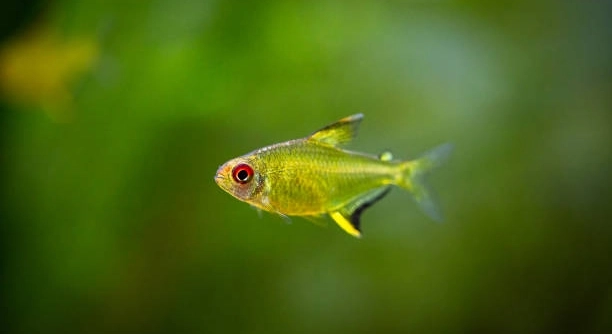
Have you ever wondered if the soft glow around your Lemon Tetra could cause any trouble in your aquarium setup, especially when the light feels brighter than usual and seems to rest on their scales?
Lemon Tetra rarely experience skin damage from illumination because their natural pigmentation and aquatic environment diffuse intensity. However, prolonged exposure to strong artificial lighting can contribute to stress and tissue sensitivity, making balanced illumination important for maintaining their overall health.
Learning how lighting strength influences Lemon Tetra will help you shape an environment that supports their comfort and well being.
Understanding Light Sensitivity in Lemon Tetra
Lemon Tetra respond to light in ways that can sometimes surprise new keepers, especially when the aquarium setup leans toward brighter conditions. Their small bodies and gentle coloring make them appear delicate, but they have a natural ability to handle moderate illumination without trouble. Problems often arise when the lighting remains too strong for extended periods, creating unnecessary pressure on their bodies. I try to picture how they react when the tank feels brighter than what they would experience in their native habitat, and it is clear that steady, balanced lighting supports their comfort. When the aquarium light is well controlled, they move with ease and display their colors softly. Adjusting light intensity and duration can make a noticeable difference in keeping them at ease, and it helps prevent the subtle signs of strain that sometimes develop when the lighting is left unchecked.
Their skin does not burn like human skin, but strong light can cause stress that affects their behavior, making them hide more often or appear less active.
Proper lighting gives Lemon Tetra a chance to thrive. It keeps them relaxed, encourages natural movement, and supports a stable daily rhythm that matches their calm nature. With the right setup, they settle into the tank with confidence.
How Bright Light Impacts Their Behavior
When the lighting is too intense, Lemon Tetra may become tense or try to avoid illuminated areas, showing that something in their environment feels uncomfortable.
Maintaining a lighting routine that matches their natural needs is one of the easiest ways to support their well being. Lemon Tetra thrive when the aquarium has a gentle brightness that allows them to display their soft yellow shades without feeling overwhelmed. Strong direct lighting can influence their activity level, making them less willing to swim freely. A consistent schedule helps them build a steady pattern, which keeps their stress levels low. I often find that small changes, like reducing the number of hours the lights stay on or adding floating plants for shade, bring noticeable improvements. These adjustments create a space that feels calmer and more natural for them. By paying attention to their reactions and making small refinements, you can create an environment where their subtle beauty shows clearly and their behavior feels peaceful.
Managing Light Exposure in the Aquarium
Lemon Tetra stay comfortable when the aquarium lighting remains gentle and steady. Sudden changes in brightness or long hours under strong bulbs can influence their behavior, so keeping the light soft and consistent brings a sense of calm to their environment.
Limiting the intensity of the light prevents unnecessary tension and keeps their movements natural. I find that using adjustable fixtures helps create a softer glow that feels more suitable for them. Adding floating plants also offers shaded spots that let them move through the tank without feeling pressured by harsh brightness. These small adjustments help protect their delicate appearance while still allowing you to enjoy their subtle color. Balanced lighting supports their well being, and it can reduce the signs of discomfort that sometimes appear when the light is too strong for long periods.
Monitoring the daily lighting schedule is just as important. Lemon Tetra respond well to predictable hours that reflect a gentle day and night rhythm. Using a timer takes away the effort of manual adjustments and keeps everything steady. When their environment remains consistent, they become more active during comfortable light periods and rest when the tank grows dimmer. This helps reduce stress and supports healthier behavior over time.
Signs Your Lemon Tetra Is Affected by Lighting
Behavioral changes often appear before physical signs, so watching how they move helps you understand when the light may be bothering them. If they start hiding more often, swimming in quick bursts, or avoiding open areas, the lighting is likely too strong for their comfort.
Extended exposure to bright bulbs can make them appear slightly pale or hesitant to explore. Their colors may not show as clearly, and their usual soft shimmer can fade when they feel overwhelmed. I have seen how even gentle fish react strongly when the lighting does not match their needs, so small shifts in behavior can be meaningful. Adjusting the brightness or offering more shaded areas often brings their normal activity back. Paying attention to these changes helps maintain a peaceful atmosphere that suits their gentle nature.
Preventing Stress Through Lighting Adjustments
Keeping the light at a soft level helps Lemon Tetra feel secure. Strong bulbs can influence their behavior quickly, so choosing fixtures that allow gentle brightness makes their environment easier to manage and keeps their movements calm.
Adding shaded areas creates a more comfortable space for them. Floating plants or dim corners let them move freely without feeling overwhelmed by bright spots. These small changes support their overall comfort and help reduce unnecessary tension in the tank.
Choosing the Right Lighting Equipment
Selecting suitable lighting plays an important role in protecting Lemon Tetra from discomfort. Adjustable fixtures make it easy to control brightness throughout the day, which helps create a balanced environment. Avoid placing the tank near direct sunlight, since natural glare can cause sudden intensity changes. I have seen how minor lighting shifts influence their behavior, so equipment that offers steady output is worth considering. Soft LED lights usually work well because they provide a gentle glow without overheating the water or creating sharp contrasts. Keeping the lighting predictable helps support their calm nature and maintains their subtle appearance.
Creating a Balanced Environment
A gentle and steady lighting routine helps them remain active without feeling pressured. When the tank stays softly lit, their natural behavior shows clearly and their environment feels more inviting.
FAQ
Can Lemon Tetra actually get sunburned?
Lemon Tetra do not get sunburned like humans. Their scales and natural pigments protect them from damage caused by normal aquarium lighting. However, exposure to very intense or prolonged artificial light can stress them and make them appear less vibrant. Stress does not leave physical burns, but it can impact their health and behavior over time. I have noticed that when the light is too strong, they often hide more or stay near shaded areas. Keeping light soft and consistent prevents this issue.
How long should the aquarium lights stay on each day?
A general rule is around 8 to 10 hours of light daily. This mimics a natural day/night cycle and keeps Lemon Tetra comfortable. Timers are useful because they maintain a steady schedule without you needing to remember daily adjustments. Sudden changes in duration can unsettle them, so I try to keep lighting predictable. This consistency helps them remain active and colorful, reducing stress and supporting overall health.
What kind of lighting is best for Lemon Tetra?
Soft LED lights or low-intensity fluorescent bulbs work well. These provide enough illumination to enjoy their subtle yellow color without overwhelming them. Adjustable lighting fixtures are ideal, allowing small changes if the tank feels too bright. I’ve seen that gentle, diffuse light encourages swimming and natural behavior, while harsh light can make them hide. Floating plants or shaded areas also help soften the intensity further.
Can direct sunlight harm Lemon Tetra?
Yes, direct sunlight can be too intense for their small bodies. It can cause temperature fluctuations and stress their scales. I avoid placing tanks near windows where sunlight hits directly, especially during midday. Even short exposure can lead to noticeable changes in behavior, like reduced activity or paler colors. Indirect natural light is safe, but I prefer relying on controlled artificial lighting to keep conditions stable.
Do tank decorations help with light sensitivity?
Decorations like plants, rocks, and driftwood create shaded zones that give Lemon Tetra options for avoiding bright spots. They often move between open and shaded areas depending on comfort. I find that providing multiple hiding spots reduces stress and supports their natural movement. Dense planting near the surface can also diffuse strong light, helping maintain gentle brightness throughout the tank.
How can I tell if my Lemon Tetra is stressed by light?
Signs include hiding frequently, swimming erratically, or staying in corners of the tank. Their color may also appear slightly duller. I watch their behavior closely when changing light intensity. Small adjustments often restore normal activity quickly. Observing their daily routine helps identify patterns related to lighting stress.
Is short-term exposure to strong light dangerous?
Short periods usually do not cause lasting harm, but repeated exposure can increase stress. I try to avoid bright, intense light for more than a few minutes at a time. Gradual adjustments to brightness or temporary shading help minimize any impact. Over time, maintaining a consistent, moderate level of light keeps them healthier and more active.
Do Lemon Tetra need darkness at night?
Yes, a dark period helps them rest and maintain a normal biological rhythm. Constant lighting can disrupt this cycle and increase stress. I ensure the aquarium lights turn off at night, giving them around 14 to 16 hours of combined light and darkness daily. This schedule keeps their behavior predictable and supports natural health.
Can tank mates affect light exposure stress?
Aggressive or fast-moving tank mates can make Lemon Tetra seek shaded areas more often, which may amplify stress under bright light. I monitor interactions carefully, ensuring they have safe spots to retreat. Providing sufficient hiding spaces and calm companions makes the environment more comfortable and reduces combined stress from light and social dynamics.
Are there any signs that lighting is perfect for them?
When lighting is ideal, Lemon Tetra swim confidently, display their soft yellow shades clearly, and explore both open and shaded areas. I notice they are more active, social, and relaxed. Predictable routines, gentle illumination, and shaded zones all contribute to this balance, helping them thrive without visible stress.
Can I adjust lighting gradually to help them adapt?
Yes, small, incremental changes are best. Abrupt increases in brightness can trigger hiding or stress. I usually adjust over a few days, allowing them to get used to new light levels. This approach helps maintain normal behavior and prevents sudden discomfort, supporting their overall health.
Is filtered light better than direct overhead bulbs?
Filtered or diffused light reduces intensity and spreads illumination evenly. I often use frosted covers or floating plants to soften harsh overhead bulbs. This method provides enough light to appreciate their colors without overwhelming them, keeping their movements natural and reducing stress responses.
Does water clarity affect light impact?
Yes, clear water allows light to penetrate more intensely, while slightly tinted or planted tanks reduce overall brightness. I pay attention to how clear water interacts with light and adjust either the intensity or provide extra shading. This balance ensures the tank stays visually appealing while keeping Lemon Tetra comfortable.
Can stressful lighting affect their health long-term?
Prolonged stress from excessive or inconsistent lighting can reduce appetite, weaken the immune system, and make them more vulnerable to illness. I prioritize moderate, steady light to prevent chronic stress. Observing behavior and making adjustments early helps maintain a healthy, active group.
Are there specific times of day when light should be dimmed?
Yes, morning and late afternoon are ideal for gentle, gradually increasing or decreasing light. I avoid sudden bright spikes, which can startle them. Gradual changes mimic natural conditions and reduce stress, allowing Lemon Tetra to adjust naturally to light patterns in the tank.
Do seasonal changes require adjusting aquarium lighting?
Seasonal shifts in daylight may slightly affect indoor tanks near windows. I monitor natural light and adjust artificial lighting if needed to maintain consistent brightness. This prevents sudden changes that could unsettle Lemon Tetra, keeping their routine predictable and their behavior stable.
How often should I check if the lighting is right?
Regular observation of behavior is the best indicator. I check daily for hiding, paleness, or inactivity. Adjustments are made based on these signs rather than strict schedules. Keeping an eye on their comfort ensures the lighting remains optimal and supports their calm, healthy activity.
Can I combine multiple lighting types safely?
Yes, but combining lights should be done carefully to avoid excessive brightness. I often mix soft LED with low-intensity ambient bulbs and use shaded areas to balance the effect. Proper combination enhances their color visibility while keeping intensity comfortable and stress-free.
Is it necessary to measure light intensity scientifically?
Not always, but for precision, a lux meter can help maintain consistent brightness. I usually rely on observation and adjustable lighting controls, which are sufficient for everyday aquarium care. Watching behavior provides practical guidance for keeping them comfortable.
Do all Lemon Tetra respond the same way to light?
Individual sensitivity varies slightly. Some fish tolerate brighter areas better, while others prefer shade. I observe each one and ensure the tank provides options for everyone to feel secure, which helps maintain harmony and reduces stress across the group.
Does lighting affect breeding behavior?
Yes, gentle and consistent lighting encourages natural activity, including courtship displays. Harsh or prolonged light can reduce interest in breeding. I make small adjustments to maintain comfort, which helps Lemon Tetra display normal social and reproductive behaviors without stress.
Are there easy fixes if lighting causes stress?
Yes, reducing brightness, adding floating plants, or creating shaded zones quickly relieves stress. I’ve found that minor changes often restore normal swimming, color, and behavior within a day or two, proving that small adjustments make a big difference in their comfort.
How important is tank placement for light management?
Tank location matters a lot. Away from direct sun and drafts, the tank experiences more stable lighting and temperature. I place mine in areas with soft indirect light and use artificial lights for predictability, ensuring the Lemon Tetra remain comfortable and display their natural behavior.
Can seasonal changes in light affect stress levels over time?
Yes, longer natural daylight in summer or shorter in winter can influence behavior if not adjusted. I maintain a consistent artificial lighting schedule regardless of season, keeping the tank conditions predictable. This approach reduces chronic stress and supports long-term health and activity patterns.
Is there a visual guide for safe lighting levels?
Visual observation is the most practical guide. I watch how they swim, hide, or interact with shaded areas to gauge comfort. If behavior changes, light intensity or exposure duration is adjusted. Their activity and color display reliably indicate whether lighting is optimal.
Can lighting affect their feeding habits?
Yes, stressed fish under harsh light may eat less or become more selective. I ensure illumination is moderate during feeding times. When the light feels comfortable, Lemon Tetra are more active, explore freely, and accept food consistently, which helps maintain proper nutrition and energy levels.
Are there long-term benefits of maintaining consistent lighting?
Consistent light helps regulate daily rhythm, supports natural behavior, and reduces stress. I’ve noticed that fish remain vibrant, active, and less prone to hiding when a predictable lighting schedule is maintained. This stability contributes to overall health, comfort, and a visually appealing tank.
How does light interact with water temperature?
Strong lights can slightly warm the water, adding stress risk. I monitor water temperature when adjusting lighting intensity. Gentle, low-heat options like LED reduce this effect. Keeping both light and temperature stable ensures Lemon Tetra remain comfortable and active.
Does tank size influence lighting stress?
Yes, smaller tanks concentrate light, making it more intense. I adjust brightness or add plants to diffuse light in compact setups. Larger tanks naturally distribute illumination better, but attention to shaded zones remains important. Proper balance helps all fish in the tank remain stress-free.
Can stress from lighting cause disease?
Prolonged stress weakens immune systems, making fish more vulnerable to infections. I prioritize moderate, predictable lighting to prevent stress-induced illness. Observing behavior, creating shade, and controlling intensity supports resilience and helps maintain overall health.
Is it safe to use multiple colored lights?
Colored lights can enhance aesthetics but should not increase intensity or contrast drastically. I use soft tones and avoid bright combinations that may overwhelm them. Gentle colored lighting can showcase their yellow hues without causing stress.
Does light timing affect social interactions?
Yes, consistent light periods support normal schooling and social behavior. Sudden bright or dim periods can disrupt group coordination. I maintain steady cycles so Lemon Tetra move together naturally and remain relaxed throughout the day.
Are there inexpensive ways to reduce light stress?
Yes, floating plants, frosted covers, or repositioning the tank away from windows are simple, low-cost methods. I find small adjustments often make the biggest difference in their comfort without expensive equipment or complex changes.
Should lights be turned off gradually or instantly?
Gradual dimming is better, as sudden darkness can startle them. I usually reduce brightness over a few minutes, allowing them to adjust naturally. This gentle approach keeps their behavior calm and supports a smooth transition to nighttime rest.
Does lighting affect coloration permanently?
Temporary dulling can happen under stress, but proper lighting restores normal shades. I’ve noticed that once the tank light is balanced, their subtle yellow colors return, demonstrating that gentle, consistent illumination supports long-term vibrancy.
Is it better to have lights on during feeding?
Moderate light during feeding encourages activity and visibility. I avoid overly bright light, which can make them hide or hesitate. Gentle illumination helps them feel comfortable, ensures proper feeding, and reduces tension during mealtime.
How do I combine natural and artificial light safely?
Indirect natural light can supplement artificial lighting, but I avoid direct sunlight. I adjust artificial lights to maintain consistent brightness when natural light changes, creating a stable environment that reduces stress and supports natural behavior.
Can lighting impact their lifespan?
Chronic stress from poor lighting can indirectly affect longevity. I prioritize steady, gentle illumination to maintain comfort, natural behavior, and overall health. Proper care contributes to a longer, active life for Lemon Tetra.
How often should I reassess lighting needs?
I check behavior weekly and adjust as necessary. Changes in tank decor, plant growth, or seasonal light may require tweaks. Observing fish behavior provides a reliable guide for maintaining safe and comfortable lighting conditions.
Do shy Lemon Tetra need different lighting?
Yes, more timid individuals may benefit from additional shaded areas or slightly lower brightness. I ensure multiple options in the tank so all fish, shy or bold, feel safe and can choose comfort without stress.
Are LED lights the best choice for long-term use?
LEDs are energy-efficient, produce little heat, and provide adjustable brightness, making them ideal. I prefer them for long-term use because they maintain steady conditions, showcase natural colors, and minimize stress risks for Lemon Tetra.
Can lighting affect water plants and indirectly the fish?
Yes, plants need light, but overexposure can create strong reflections or encourage algae growth, indirectly stressing the fish. I balance plant needs with fish comfort, adjusting intensity and duration to support both. Proper management keeps the tank visually healthy and stress-free.
Do newly introduced Lemon Tetra need a different light setup?
Yes, new fish are more sensitive to stress. I start with softer light and gradually increase brightness as they acclimate. Observing their behavior ensures they adjust comfortably, reducing risk of hiding or stress-related illness.
Is there a maximum safe light intensity?
While exact numbers vary, intensity that causes frequent hiding or color dulling indicates too much light. I monitor fish responses rather than relying solely on measurements. Behavioral cues are the most practical guide for safe light levels.
Can adjusting light prevent aggression?
Yes, balanced lighting reduces tension among tank mates. Harsh, bright light can trigger hiding and rapid movements that sometimes provoke conflict. I maintain gentle, steady illumination to keep social interactions calm and reduce stress-related aggression.
Does lighting impact nocturnal activity?
Yes, proper day/night cycles allow rest periods. Constant or overly bright light disrupts nocturnal rest, increasing fatigue and stress. I ensure darkness at night for recovery, supporting overall health and stable behavior.
Is aquarium lid design important for lighting?
Yes, lids that diffuse light prevent hotspots and glare. I use frosted or covered lids to maintain even illumination, reducing stress and allowing Lemon Tetra to move comfortably throughout the tank.
Can lighting influence school formation?
Yes, uneven or overly bright light can scatter schools. Gentle, even lighting encourages coordinated movement, supporting natural schooling and reducing stress. I often adjust brightness and shade placement to maintain cohesion.
How long does it take for fish to recover from light stress?
Recovery can happen within hours to a couple of days with proper adjustments. I reduce intensity, provide shade, and observe behavior. Once comfortable, Lemon Tetra resume normal swimming, color, and feeding patterns.
Are there signs of chronic light stress?
Persistent hiding, dull coloration, irregular swimming, and reduced appetite are key indicators. I address these immediately by softening light, adding shade, and observing until behavior normalizes. Early intervention prevents long-term health issues.
Can lighting affect interactions with tank mates?
Yes, sudden brightness may trigger avoidance or crowding in shaded areas. I ensure enough shaded zones and gentle light to allow natural social behavior, reducing stress and maintaining group harmony.
Is there a benefit to dimming lights gradually in the morning?
Yes, a slow increase mimics natural sunrise, easing fish into activity. I use timers or adjustable lights to create a soft transition, which reduces startle responses and supports normal daily rhythms.
Do strong reflections inside the tank stress Lemon Tetra?
Yes, reflections can cause confusion or perceived threats. I minimize reflective surfaces, use background materials, and adjust lighting angles to reduce stress and help them navigate confidently.
Are aquarium backgrounds important for lighting management?
Backgrounds absorb excess light, reduce reflections, and create a calmer visual environment. I use dark or matte backgrounds to prevent overstimulation and support Lemon Tetra comfort, especially under bright artificial lighting.
Can lighting influence disease outbreaks indirectly?
Yes, stressful lighting can weaken immune responses, making fish more prone to infections. I prioritize stable, gentle illumination to reduce stress and support resistance to common aquarium diseases.
Should I provide extra hiding spots if using bright lights temporarily?
Yes, temporary shade zones help fish adapt and prevent stress. I place floating plants or decorations to break up bright areas, allowing Lemon Tetra to feel secure until conditions normalize.
Do tank size and shape affect lighting decisions?
Yes, small tanks concentrate light, and tall tanks create uneven intensity. I adjust brightness, diffuse light, and provide shade accordingly to ensure comfort throughout the aquarium.
Can lighting schedules influence breeding cycles?
Yes, consistent light encourages normal reproductive behavior, while irregular schedules can reduce courtship activity. I maintain predictable illumination to support natural social and breeding behaviors.
Are some fish more light-sensitive than others?
Yes, individual differences exist. I observe each Lemon Tetra for comfort cues and ensure the tank provides shaded areas and moderate brightness suitable for all personalities.
Do nighttime lights affect Lemon Tetra?
Yes, constant light can prevent rest, causing stress. I turn off lights completely or use very dim blue lighting if nighttime illumination is needed.
Can temporary changes in lighting be used safely?
Yes, short adjustments are fine as long as fish have shaded areas and the change is gradual. I monitor behavior to ensure comfort and reduce stress.
Does water clarity interact with light intensity?
Yes, very clear water increases perceived brightness, while slightly tinted water softens light. I consider clarity when adjusting brightness to maintain comfort.
Are there specific light brands known to be gentle for Lemon Tetra?
Soft LED or adjustable aquarium lights from reputable brands generally work well. I focus on even illumination, low heat, and adjustable intensity rather than brand alone.
Can strong lighting affect other tank inhabitants?
Yes, plants, snails, or other fish may respond differently. I balance light needs for all tank inhabitants, ensuring comfort and reducing stress for Lemon Tetra and others alike.
Do reflective substrates increase stress under bright lights?
Yes, highly reflective gravel or sand can amplify light intensity. I use matte or darker substrates to reduce glare and prevent stress.
How often should light bulbs be replaced?
LEDs last a long time, but older bulbs may dim unevenly. I replace them according to manufacturer recommendations or when brightness consistency changes, ensuring stable illumination for the fish.
Can water movement affect lighting perception?
Yes, ripples can create shifting light patterns that may startle them. I monitor flow and adjust lighting angles to reduce sudden reflections, keeping their environment calm.
Does light temperature matter?
Yes, cooler-toned lights are often gentler than harsh white or blue tones. I prefer soft, neutral lighting that highlights their color without causing stress.
Is it okay to use lights for plant growth and fish together?
Yes, but I balance intensity. Plants may need more light than fish tolerate, so I use shading or adjustable lighting to satisfy both needs without stressing Lemon Tetra.
Do lights need to be turned off during water changes?
Not necessarily, but dimming can reduce stress from activity and splashing. I keep
Final Thoughts
Lemon Tetra are small, delicate-looking fish, but they are surprisingly resilient when cared for properly. One of the most important aspects of their care is managing light in the aquarium. While they do not get sunburned like humans, their comfort and health can be affected by strong or inconsistent lighting. Gentle, consistent illumination allows them to display their natural colors and swim freely without hiding or showing signs of stress. I have seen firsthand how even subtle adjustments to lighting can change their behavior. When the tank has soft, steady light, they appear more relaxed, move naturally, and interact with each other as they would in a calm environment. Proper lighting also supports their daily rhythm, which is important for their feeding, schooling, and overall activity patterns.
Balancing light intensity and duration is simpler than it may seem, but it requires careful observation. Using adjustable fixtures or soft LED bulbs helps maintain a comfortable level of brightness. I usually combine gentle lighting with shaded areas, like floating plants or decorations, which give Lemon Tetra a choice of where to swim. This helps them feel secure while still allowing them to explore open spaces. Timers are another helpful tool because they maintain a regular day-night cycle without the need for manual adjustments. Predictable lighting prevents sudden changes that can stress the fish and helps maintain their natural behavior. Even minor changes in light can make a big difference, especially for new or shy fish that take time to acclimate to a tank environment.
Overall, light management is a key part of creating a healthy and comfortable home for Lemon Tetra. Paying attention to their responses, providing shaded areas, and keeping a steady lighting schedule are practical steps that reduce stress and encourage natural activity. Over time, these small adjustments make the tank environment more stable and enjoyable, not only for the fish but also for anyone observing them. Maintaining soft, consistent light helps preserve their subtle yellow coloring and ensures they remain active, healthy, and comfortable in their aquarium. By being mindful of lighting, Lemon Tetra can thrive, showing their natural behavior, swimming confidently, and interacting peacefully within the tank. Proper care and observation allow you to create a space where these gentle fish feel secure, and their delicate beauty can be appreciated without worry.

Hello,
If you enjoy the content that we create, please consider saying a "Thank You!" by leaving a tip.
Every little bit helps us continue crafting quality advice that supports the health, happiness, and well-being of pets around the world, for pets of all shapes, sizes, and species.
We really appreciate the kindness and support that you show us!