
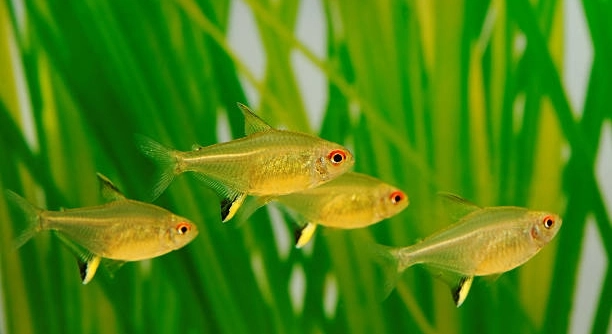
Are your Lemon Tetra showing signs of cloudy eyes, making their bright appearance look dull? This common issue can worry many fish owners, especially when their aquarium companions seem otherwise healthy and active.
Cloudy eyes in Lemon Tetra typically result from poor water quality, bacterial or fungal infections, physical injuries, nutritional deficiencies, or prolonged exposure to inappropriate tank conditions. Addressing these causes promptly is essential to prevent long-term vision problems and maintain overall health.
Understanding these causes will help you take proper care and ensure your Lemon Tetra stay healthy and vibrant in their aquatic environment.
Poor Water Quality
Maintaining clean water is essential for Lemon Tetra. Dirty or untreated water can lead to cloudy eyes and stress, affecting overall health. High ammonia, nitrite, or nitrate levels irritate their eyes and weaken their immune system. Regular water changes, proper filtration, and monitoring water parameters can prevent this issue. Avoid overcrowding the tank, as it increases waste accumulation and strains the filtration system. Using a water test kit helps ensure safe levels of chemicals. Even small amounts of chlorine or chloramine in tap water can harm fish. Conditioners remove these harmful substances before adding water to the tank. Temperature fluctuations also affect water quality and eye clarity. Keeping the environment stable minimizes stress and maintains eye health. Observation is key; noticing changes in water clarity or fish behavior allows for quick corrective action. Clean water promotes healthy, bright eyes and reduces the risk of infections or other health problems.
Monitoring water quality consistently supports long-term health and clear vision for Lemon Tetra.
Cloudy eyes from poor water conditions often indicate stress or bacterial growth. Prompt action helps prevent permanent damage and promotes recovery.
Bacterial and Fungal Infections
Bacterial or fungal infections can cause white or cloudy eyes in Lemon Tetra. These infections often appear when fish are stressed or exposed to poor water conditions. Eye infections may result from scratches, abrasions, or contaminated food. Symptoms include swelling, redness, and unusual behavior, such as rubbing against decorations or hiding more than usual. Treating infections promptly is important to prevent spreading within the tank. Mild infections can respond to medicated water treatments, while severe cases may require isolation in a quarantine tank. Observing other fish for early signs can help reduce the risk of outbreaks. Maintaining a clean tank, balanced diet, and stable environment supports the immune system, reducing susceptibility. Avoid overfeeding, as leftover food encourages bacterial growth. Routine observation ensures any infection is noticed early, allowing treatment before serious damage occurs.
Eye infections often develop quickly but can be managed with careful monitoring and proper treatment.
When addressing bacterial or fungal infections, isolating the affected fish can prevent further spread. Treatments often include medicated water or antibiotics specific for fish. Regular water changes, proper filtration, and good hygiene in the tank help reduce recurrence. Providing a nutrient-rich diet strengthens their immune system. Avoid sudden temperature changes, as these stress fish and worsen infections. Cleaning decorations and removing debris minimizes potential infection sites. Observing fish daily allows quick response to new symptoms. Treating infections early increases the chance of full recovery. Following proper dosages and treatment duration ensures effectiveness while keeping other tank inhabitants safe. Prevention is always more effective than cure, emphasizing cleanliness, stress reduction, and proper nutrition to maintain bright, healthy eyes in Lemon Tetra.
Physical Injuries
Cloudy eyes can occur if Lemon Tetra injure themselves on sharp decorations or during aggressive interactions. Even minor scratches can lead to swelling and temporary cloudiness if untreated.
Physical injuries often happen in crowded tanks or when decorations have rough edges. Fish may bump into ornaments, plants, or each other, causing abrasions. These injuries can allow bacteria or fungi to enter, increasing the risk of infection. Careful arrangement of tank decorations and providing sufficient swimming space reduces the chance of accidental harm. Observing fish behavior during feeding or social interactions helps identify aggressive individuals or potential hazards. Removing sharp objects and smoothing surfaces can prevent repeated injuries. Treating minor wounds promptly with antiseptic solutions or isolating affected fish ensures faster recovery and reduces the risk of secondary infections. Maintaining a calm, well-organized environment supports healing and prevents stress-related complications.
A careful setup and monitoring of tank interactions can minimize injuries and maintain clear eyes for Lemon Tetra.
Keeping fish safe from sharp objects and aggressive tank mates protects both eye health and overall well-being.
Nutritional Deficiencies
A lack of essential vitamins and minerals can cause eye cloudiness. Diets lacking variety may contribute to poor eye health and vision problems.
Vitamin A deficiency is a common reason for eye issues in Lemon Tetra. Feeding only flakes or low-quality foods may result in inadequate nutrition. Supplementing their diet with frozen or live foods, such as daphnia, brine shrimp, or bloodworms, improves vitamin intake and overall health. High-quality flakes or pellets fortified with vitamins ensure consistent nutrient supply. Feeding small amounts multiple times a day promotes better digestion and nutrient absorption. Observing for signs like lethargy, faded color, or eye cloudiness can indicate dietary gaps. Adjusting feeding routines and offering diverse food sources helps maintain vibrant eyes and strengthens the immune system. Proper nutrition supports long-term growth, vision clarity, and overall vitality in Lemon Tetra.
Balanced feeding with variety and vitamin-rich foods prevents deficiencies that lead to eye cloudiness and other health issues.
Stress
Stress can cause cloudy eyes in Lemon Tetra, often triggered by sudden changes in environment or aggressive tank mates. Maintaining a stable, calm tank reduces the risk.
Overcrowding, loud vibrations, or frequent handling also increase stress levels. Providing hiding spots and a consistent routine helps fish feel secure.
Aging
Older Lemon Tetra may naturally develop cloudy eyes as part of the aging process. This is common and often gradual. Their vision may decline slightly, but overall health can remain stable with proper care.
Poor Lighting
Inadequate or harsh lighting can affect eye health. Keeping a consistent light cycle with moderate intensity supports healthy vision and reduces eye stress.
FAQ
What is the first step I should take if my Lemon Tetra develops cloudy eyes?
Check the water quality immediately. Poor water conditions are a leading cause of eye cloudiness. Test for ammonia, nitrites, nitrates, and pH levels. Perform a partial water change if any of these values are unsafe. Ensuring clean, stable water can prevent further damage and reduce stress.
Can cloudy eyes in Lemon Tetra be reversed?
Yes, in many cases, cloudy eyes are reversible if addressed early. Treating underlying causes like poor water, infections, or injuries can restore eye clarity. However, prolonged neglect may lead to permanent damage, so prompt attention is important.
Should I isolate affected fish?
Isolating the fish in a quarantine tank is recommended if infections or injuries are suspected. This prevents spread to other fish and allows easier treatment. Use the same water parameters as the main tank to reduce stress.
How do I treat bacterial or fungal infections?
Medicated treatments designed for freshwater fish can be effective. Follow the instructions carefully and maintain good water quality during treatment. Severe cases may require antibiotics or antifungal medications under controlled conditions. Observe daily for improvement and remove any leftover food to prevent further bacterial growth.
Does diet affect eye clarity?
Yes. Nutritional deficiencies, especially lack of vitamin A, can cause cloudy eyes. Provide a varied diet including high-quality flakes, pellets, and frozen or live foods. Feeding multiple small portions daily improves nutrient absorption and supports eye health.
Can stress alone cause cloudy eyes?
Stress can contribute to eye cloudiness by weakening the immune system. Factors include sudden environment changes, overcrowding, loud vibrations, and aggressive tank mates. Minimizing stress through hiding spots, stable lighting, and a consistent routine supports recovery.
Are cloudy eyes always a sign of disease?
Not always. Physical injuries, aging, and mild environmental changes can also cause temporary cloudiness. Observe for additional symptoms like swelling, unusual behavior, or discoloration to determine whether medical treatment is necessary.
How often should I check water parameters?
Regular monitoring is important. Testing weekly for ammonia, nitrites, nitrates, and pH ensures a safe environment. Frequent water changes, along with careful observation of fish behavior, reduce the risk of eye problems and maintain overall tank health.
What should I do if the cloudiness persists?
If cloudy eyes continue despite addressing water quality, diet, and infections, consult a veterinarian familiar with aquarium fish. Persistent cloudiness may indicate deeper health issues, requiring professional assessment or advanced treatments.
Can decorations or tank setup affect eye health?
Yes. Sharp or rough surfaces can cause injuries leading to eye cloudiness. Arrange decorations carefully and provide adequate swimming space. Smooth surfaces and plenty of hiding areas reduce accidental scratches and support overall well-being.
Does lighting impact eye health?
Proper lighting is important. Too bright or inconsistent light can stress the eyes, while inadequate lighting affects vision and behavior. Maintain a stable light cycle with moderate intensity to support healthy eyes and daily activity.
Is it safe to use tap water for water changes?
Tap water must be treated with a water conditioner to remove chlorine or chloramine. Untreated water can irritate eyes and gills. Always match temperature and chemical levels with the main tank to reduce stress during water changes.
How long does it take for eyes to clear?
Recovery time varies depending on the cause. Minor water quality issues or mild injuries may improve within a few days. Infections or severe nutritional deficiencies can take weeks of consistent care. Patience and observation are key.
Can I prevent cloudy eyes entirely?
Prevention is possible with proper care. Maintain clean water, provide a balanced diet, avoid overcrowding, minimize stress, and regularly check fish for signs of illness. Early intervention ensures healthy eyes and overall vitality in Lemon Tetra.
Is cloudy eyes common in Lemon Tetra?
Yes, it is relatively common, especially in new aquariums or under poor care conditions. Awareness of causes and regular maintenance can significantly reduce its occurrence and keep fish healthy.
How do I know if an eye infection is worsening?
Look for increased cloudiness, swelling, redness, or behavioral changes such as hiding or reduced swimming. Quick progression indicates the need for immediate treatment to prevent permanent damage or spread to other fish.
Are there any home remedies for cloudy eyes?
Basic care at home includes maintaining clean water, proper diet, and reducing stress. Medications are often required for infections, as home remedies alone rarely clear serious eye cloudiness. Professional guidance ensures safe and effective treatment.
Can overcrowding cause eye problems?
Yes. Overcrowded tanks lead to poor water quality, stress, and accidental injuries. Ensuring adequate space per fish and maintaining proper filtration helps prevent eye cloudiness and promotes overall health.
Do cloudy eyes affect behavior?
Cloudy eyes can slightly alter behavior. Fish may become more cautious, hide frequently, or swim slower. Observing these changes helps identify underlying issues and guide corrective action.
Is cloudy eyes always painful for Lemon Tetra?
Not always visibly painful, but it can cause discomfort or stress. Prompt care reduces the risk of pain and prevents secondary infections. Healthy water conditions, proper nutrition, and safe tank setup minimize discomfort.
What long-term effects can occur if untreated?
Untreated cloudy eyes can lead to permanent vision impairment, increased susceptibility to infections, and overall health decline. Early detection and proper care are essential to prevent serious consequences and maintain quality of life for Lemon Tetra.
How do I balance treatment and tank safety?
Use medications as directed and monitor other fish closely. Maintain water quality and avoid overmedicating. Quarantine affected fish when possible to ensure safe, effective treatment without harming the main tank population.
Can temperature changes worsen eye problems?
Yes. Sudden fluctuations stress fish and can aggravate eye cloudiness. Maintain stable temperatures appropriate for Lemon Tetra, usually around 22–28°C, to support recovery and overall health.
Does cloudiness always appear in both eyes?
Not necessarily. It may appear in one eye first, especially with injury or localized infection. Observing both eyes helps determine the cause and informs treatment decisions.
Can cloudy eyes indicate internal issues?
Sometimes. Nutritional deficiencies, systemic infections, or organ stress can manifest in the eyes. Proper observation, diet, and medical intervention are important for identifying deeper health concerns.
Are juvenile Lemon Tetra more prone to cloudy eyes?
Young fish can be more sensitive to water quality, diet, and stress, making them more susceptible. Extra care in feeding and tank maintenance supports healthy eye development and reduces risks.
How often should I feed to prevent deficiencies?
Small, frequent meals help ensure proper nutrition. Feeding two to three times daily with varied foods supports eye health and overall growth, reducing the chance of deficiencies that cause cloudiness.
Is cloudy eyes reversible in older fish?
It depends on the cause. Age-related changes may not fully reverse, but maintaining proper care can prevent further deterioration. Early intervention still improves quality of life and slows progression.
Can cloudy eyes spread between fish?
Only if caused by infectious bacteria or fungi. Non-infectious causes like injury, stress, or diet do not spread. Quarantine affected fish when infection is suspected to protect the rest of the tank.
Does tank size influence eye health?
Larger, well-maintained tanks reduce stress, aggression, and water quality issues, all of which affect eye health. Adequate space and proper filtration are essential for preventing cloudy eyes in Lemon Tetra.
Are there visual signs that indicate improvement?
Gradual clearing of the eye, reduced swelling, normal swimming behavior, and active feeding indicate recovery. Continuous observation ensures treatment is working effectively.
How do I safely clean the tank to help eye recovery?
Perform partial water changes, clean decorations, remove uneaten food, and maintain proper filtration. Avoid harsh chemicals and sudden temperature changes to prevent additional stress while supporting recovery.
Can cloudy eyes affect feeding behavior?
Yes. Vision impairment may make fish less efficient at finding food, causing slower or hesitant feeding. Ensuring accessible, high-quality food supports nutrition during recovery.
Should I consult a vet for minor cloudiness?
Even minor cases benefit from professional advice if causes are unclear. Early guidance ensures proper treatment, prevents worsening, and protects the overall health of your Lemon Tetra.
How long should treatment last?
Duration depends on cause and severity. Mild cases may require a few days, while infections or deficiencies might take weeks. Follow instructions carefully and monitor progress daily to ensure full recovery.
Does tank decoration choice matter for eye health?
Yes. Smooth, safe decorations reduce injury risk. Avoid sharp edges and overcrowding to minimize accidental scratches that can lead to eye cloudiness or secondary infections.
Can cloudy eyes return after recovery?
Yes, if underlying causes are not fully addressed. Maintaining proper diet, clean water, low stress, and safe tank conditions helps prevent recurrence and keeps eyes healthy long-term.
Is cloudy eyes painful to treat?
Treatments themselves are generally safe if dosed correctly. Ensuring proper water quality, minimal stress, and quarantine when necessary reduces discomfort while promoting recovery.
Do all Lemon Tetra react the same way to cloudy eyes?
No. Individual health, age, and stress levels influence severity and recovery. Observing each fish closely ensures tailored care and improves the chance of full recovery.
Can cloudy eyes be an early warning for tank problems?
Yes. Cloudy eyes often signal water quality issues, nutritional gaps, or stress. Early detection allows corrective action before serious health problems develop.
How do I maintain eye health long-term?
Consistent water monitoring, varied diet, safe tank setup, stable temperature, and careful observation prevent most causes of cloudy eyes. Maintaining a calm, healthy environment supports bright, clear eyes and overall vitality.
Can cloudy eyes affect breeding?
Yes. Impaired vision or health issues can reduce activity and breeding behavior. Ensuring proper care supports reproduction and healthy offspring.
What are the most common preventable causes?
Poor water quality, stress, nutritional deficiencies, and injuries are the most preventable causes. Consistent maintenance and careful feeding minimize risk and protect eye health.
Is cloudy eyes reversible without medication?
If caused by environmental or dietary issues, yes. Correcting water conditions, diet, and reducing stress can restore eye clarity. Infections usually require targeted treatment.
How can I tell if water changes are effective?
Clearer water, stable parameters, and improved fish behavior indicate successful water changes. Regular testing confirms safe chemical levels and supports recovery.
Does tank location matter for eye health?
Yes. Avoid direct sunlight, frequent vibrations, and high-traffic areas. A calm, stable location reduces stress and supports eye health.
Can cloudy eyes indicate other illnesses?
Sometimes. Eye cloudiness may accompany infections, internal organ stress, or systemic deficiencies. Monitoring overall behavior and symptoms helps identify broader health issues.
Are supplements helpful?
Yes. Vitamin-rich supplements and fortified foods can prevent deficiencies that lead to cloudy eyes. Follow recommended doses to avoid over-supplementing.
How do I balance care between healthy and affected fish?
Maintain clean water, observe all fish, and isolate infected individuals when necessary. Balanced care ensures overall tank health while addressing specific problems efficiently.
Is cloudy eyes more common in new aquariums?
Yes. Newly established tanks often have fluctuating water parameters. Careful monitoring and gradual adjustments prevent eye problems during this sensitive period.
How do I prevent future occurrences?
Consistent maintenance, balanced nutrition, proper tank setup, stable environment, and regular observation are key to preventing cloudy eyes and promoting long-term health.
Are there signs that indicate permanent damage?
Persistent cloudiness, significant swelling, or refusal to eat may indicate irreversible eye damage. Early intervention reduces the likelihood of permanent vision loss.
How quickly should I act when noticing cloudy eyes?
Immediate action is best. Address water quality, diet, and possible injuries promptly to reduce stress, prevent infections, and improve recovery chances.
Can cloudy eyes affect social behavior?
Yes. Impaired vision may make Lemon Tetra more cautious or withdrawn. Ensuring a safe environment reduces stress and allows normal social interactions to continue.
What records should I keep for eye health monitoring?
Track water parameters, feeding schedules, treatments, and observations of behavior or eye appearance. Detailed records help identify patterns and guide care.
Is cloudy eyes ever a normal temporary condition?
Occasionally, minor cloudiness may appear briefly due to environmental changes or mild stress. Continuous observation ensures it does not develop into a serious issue.
How do I choose the right medication?
Select treatments based on the diagnosed cause, whether bacterial, fungal, or nutritional. Follow product instructions carefully and consider consulting a veterinarian for proper selection.
Are there signs that indicate recovery is complete?
Clear eyes, normal swimming, active feeding, and absence of swelling indicate recovery. Continued observation ensures the issue does not recur.
Can cloudy eyes affect lifespan?
If untreated, yes. Severe infections, poor nutrition, or persistent stress can reduce longevity. Proper care supports health and lifespan while maintaining clear eyes.
Does tankmate choice influence eye health?
Aggressive or nippy fish can cause injuries leading to eye cloudiness. Choosing compatible species reduces conflict, prevents harm, and supports overall eye and body health.
Are homemade remedies safe?
Basic care like water changes and proper diet is safe. Chemical or untested remedies may harm fish. Use only verified treatments to ensure safety and effectiveness.
Can I visually detect vitamin deficiencies before cloudiness appears?
Yes. Faded color, lethargy, or slower growth may indicate deficiencies before eye cloudiness develops. Addressing diet early prevents further health issues.
Does feeding live foods help?
Yes. Live foods like brine shrimp or daphnia provide essential nutrients that support eye health and overall vitality in Lemon Tetra.
Is cloudy eyes reversible if caused by aging?
Age-related cloudiness may not fully reverse, but proper care can slow progression and support overall comfort and activity.
What should I do if multiple fish develop cloudy eyes?
Investigate water quality, diet, and potential infections immediately. Treat affected fish, maintain clean water, and isolate if necessary to prevent further spread.
How important is routine observation?
Daily observation is crucial. Early detection allows prompt corrective action and prevents minor issues from becoming serious health problems.
Can cloudy eyes indicate tank imbalance?
Yes. Cloudy eyes often reflect underlying water chemistry problems, overcrowding, or dietary gaps. Correcting these factors supports long-term health.
Are cloudy eyes painful for fish?
They may cause mild discomfort or stress, but proper care and environment stabilization minimize suffering while supporting recovery.
Do all treatments work for every case?
No. Effectiveness depends on the underlying cause. Water quality, diet, injuries, and infections each require specific approaches for successful recovery.
How can I support eye health without medications?
Maintain clean water, stable temperature, varied diet, low stress, and safe tank setup. Consistent care prevents most causes of cloudy eyes.
Is cloudy eyes a sign to adjust tank routines?
Yes. Reassessing cleaning schedules, feeding habits, and monitoring practices helps prevent recurrence and maintains a healthy environment.
Can cloudiness indicate multiple causes at once?
Yes. Stress, poor water, diet, and infections can interact. Addressing all potential factors ensures comprehensive care and faster recovery.
How do I handle delicate or slow-healing fish?
Provide a calm environment, consistent water quality, and high-quality diet. Monitor closely and isolate if needed to reduce stress and support recovery.
Can cloudy eyes recur even after recovery?
Yes. Recurrence is possible if underlying causes are not fully corrected. Ongoing maintenance and careful observation help prevent future problems.
Do cloudy eyes affect swimming patterns?
Yes. Fish may move more cautiously, hide frequently, or bump into objects. Observing these behaviors helps identify issues early.
Is cloudy eyes more common in small tanks?
Small tanks are more sensitive to waste and chemical fluctuations, increasing the risk of cloudy eyes. Careful monitoring and maintenance reduce this risk.
Are there seasonal factors that influence eye health?
Temperature fluctuations and changes in light cycles can affect stress levels and eye health. Maintaining stable conditions throughout the year supports consistent health.
Can cloudy eyes affect breeding success?
Yes. Impaired vision or stress reduces activity, feeding efficiency, and reproductive behavior. Proper care ensures breeding potential is maintained.
Do cloudy eyes indicate immediate danger?
Not always, but they are a warning sign. Prompt attention prevents worsening and protects overall health.
How do I know if treatment is safe for other fish?
Check medication instructions for compatibility and consider quarantining affected fish. Maintaining water quality and observing all tank inhabitants ensures safety.
Can multiple minor causes combine to create cloudiness?
Yes. Small stressors, minor injuries, and slight nutritional gaps can interact, producing noticeable eye cloudiness. Addressing all contributing factors is essential for recovery.
How often should I check fish visually for eye problems?
Daily checks are recommended. Regular observation allows early detection of cloudiness or other health issues, enabling faster and more effective treatment.
Can cloudy eyes be a sign of poor overall tank management?
Often, yes. Cloudy eyes usually reflect issues with water quality, diet, or stress, highlighting the need for consistent, careful maintenance.
Are there any long-term lifestyle changes needed?
Maintaining clean water, stable temperature, varied diet, and stress-free environment is a long-term commitment. Consistency prevents most causes of cloudy eyes and supports overall health.
Can other fish indicate tank problems through their behavior?
Yes. Uneasy swimming, hiding, or aggression can signal water or stress issues. Monitoring all fish helps detect problems before eye cloudiness develops.
Should I document cases of cloudy eyes?
Yes. Recording water parameters, treatments, and observations helps track patterns, evaluate interventions, and improve future care.
Does cloudy eyes affect activity level?
Yes. Impaired vision can make fish cautious, reduce feeding efficiency, and limit swimming. Observing changes guides adjustments in care.
Can cloudy eyes lead to other health problems?
If untreated, yes. Reduced vision increases stress, feeding difficulties, and susceptibility to infections. Prompt care prevents cascading health issues.
Are there any signs that indicate water-related causes specifically?
Frequent swimming near the surface, gasping, or unusual behavior along with cloudy eyes often points to poor water quality as a main factor.
How do I maintain clarity after recovery?
Consistent water changes, proper diet, low stress, and safe tank setup prevent recurrence. Monitoring regularly ensures early detection if problems arise.
Can cloudy eyes affect interaction with other fish?
Yes. Fish may become less social or avoid competition due to limited vision. Providing a calm, safe environment reduces stress and supports normal interactions.
Do all Lemon Tetra react similarly to eye problems?
Cloudy eyes in Lemon Tetra can be a worrying sight, but it is important to remember that this condition is often preventable and treatable with consistent care. Many cases are linked to water quality, diet, or minor injuries, all of which can be managed by paying attention to the tank environment. Maintaining clean, stable water is the foundation of healthy fish. Regular testing for ammonia, nitrite, nitrate, and pH levels helps identify potential problems before they worsen. Partial water changes, proper filtration, and careful monitoring reduce stress and support recovery. Even small changes, such as adjusting the location of decorations or providing adequate hiding spaces, can make a significant difference in reducing injury and stress that may contribute to cloudy eyes. Observing fish behavior daily allows for early detection of issues, which is often the most effective way to prevent permanent damage.
Nutrition also plays a critical role in keeping Lemon Tetra healthy and preventing eye problems. A varied diet that includes high-quality flakes, pellets, and live or frozen foods supplies essential vitamins and minerals needed for strong immune systems and clear vision. Vitamin deficiencies, particularly a lack of vitamin A, are a common contributor to eye cloudiness. Feeding small amounts several times a day ensures that fish can absorb nutrients properly without polluting the water with excess food. Overfeeding should be avoided, as leftover food encourages bacterial growth, which can worsen water quality and create additional risks for eye infections. By providing a balanced diet and monitoring feeding habits, you can address one of the most preventable causes of cloudy eyes and support overall health.
Even with proper care, it is important to recognize that some cases of cloudy eyes may require additional attention. Bacterial or fungal infections, injuries, or age-related changes can still occur despite optimal conditions. Quick intervention through quarantine, medicated treatments, or professional advice can prevent more serious problems and reduce recovery time. Stress should be minimized, and tankmates should be chosen carefully to avoid aggression or accidental injury. Maintaining stable lighting, temperature, and water chemistry also contributes to long-term eye health. By combining clean water, balanced nutrition, careful observation, and a calm environment, you can significantly reduce the likelihood of cloudy eyes and ensure your Lemon Tetra remain healthy, active, and visually vibrant for years to come.

Hello,
If you enjoy the content that we create, please consider saying a "Thank You!" by leaving a tip.
Every little bit helps us continue crafting quality advice that supports the health, happiness, and well-being of pets around the world, for pets of all shapes, sizes, and species.
We really appreciate the kindness and support that you show us!