
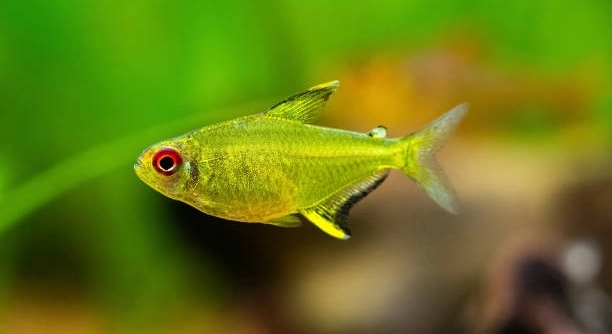
Lemon tetras are small, bright fish that bring life to any freshwater aquarium. Many aquarists notice their unique behavior, especially when they seem to respond to the presence of people nearby. Observing them can be surprisingly engaging.
Lemon tetras do exhibit responses to nearby movement and vibrations, which can make them appear aware of a person’s presence. This behavior is primarily driven by sensory perception rather than conscious recognition of humans.
Watching these tiny fish interact with their environment can be fascinating. Their subtle reactions reveal more than just movement—they reflect instinct and alertness.
How Lemon Tetras Sense Their Surroundings
Lemon tetras rely heavily on their senses to navigate and react to their environment. Their lateral line system allows them to detect vibrations and subtle changes in water currents, which explains why they often move when someone approaches the tank. Light changes and shadow movement also alert them. In many cases, these fish are simply responding to natural instincts to detect motion or potential threats. Over time, they may seem to recognize routine patterns, such as the approach of a person during feeding times, but this recognition is more about conditioned responses than true awareness. Observing them can feel rewarding because it shows how attentive these tiny creatures are. Their reactions are quick, and even minor disturbances in the tank can trigger movement, making them appear more interactive than they actually are.
While their reactions may seem like recognition, it is actually instinctual behavior shaped by sensory perception and environmental cues.
Understanding these responses helps create a calmer, more predictable environment for lemon tetras. Proper tank placement, consistent lighting, and minimal sudden movements allow them to feel secure. Feeding schedules can also influence behavior, as they often learn to associate movement near the tank with food. Observing them over time shows that they respond more readily to predictable stimuli, which can make interactions feel more engaging. Their alertness is a reminder that even small fish are highly tuned to their surroundings, reacting to changes humans might barely notice. Maintaining a stable environment reduces stress, encourages natural swimming patterns, and allows their subtle behaviors to shine. Over time, these small fish can become a lively and interesting part of daily routines, responding to the environment in ways that seem almost personal but are rooted in instinct and sensory adaptation.
Visual Cues and Human Presence
Lemon tetras are sensitive to light and movement within their tank. They notice shadows and changes in brightness immediately.
These fish often associate approaching hands or shadows with feeding or activity. They use visual cues to determine whether to swim away, explore, or gather near the surface. Their schooling behavior can amplify these responses, making the group appear more aware and reactive. Repetition of routines, such as feeding at specific times, trains them to respond consistently to these cues. In addition to vision, their lateral line system enhances detection, making even small water movements noticeable. This combination of sensory input allows lemon tetras to react quickly and appear responsive to human presence. By observing these responses carefully, aquarists can better understand the fish’s behavior, reduce stress, and create a more engaging aquarium environment.
Training Lemon Tetras to Recognize Feeding
Lemon tetras can learn routines tied to feeding. They quickly associate movement near the tank with food, responding more consistently over time. Repetition helps them anticipate feeding, making them seem aware of your presence without true recognition.
Consistency is key when training these fish. Feeding at the same time each day allows them to develop a predictable pattern. Over a few weeks, they start swimming toward the area where food is usually added, often gathering in anticipation. While this may look like recognition, it is conditioned behavior driven by instincts. The fish respond to visual and vibrational cues, learning that certain movements signal an upcoming reward. Observing this can feel rewarding because it shows how responsive their instincts are to routine and repetition.
Even subtle movements, like approaching the tank or casting a shadow, can trigger their responses. These conditioned behaviors make them appear interactive, yet their reactions are based on learned patterns rather than understanding humans. Patience and careful observation allow you to notice how quickly they adapt, highlighting their keen senses. Over time, feeding routines create a lively environment where lemon tetras react reliably to familiar cues, enhancing the aquarium experience.
Environmental Factors Affecting Behavior
Lighting and tank setup significantly influence lemon tetra behavior. Properly placed plants and hiding spots reduce stress and encourage natural swimming patterns.
The layout of the tank can impact how these fish respond to people. Open swimming areas combined with secure hiding places allow lemon tetras to explore without feeling threatened. Sudden light changes or vibrations can startle them, so consistent lighting and gentle movements are important. Temperature stability also affects activity levels, with small fluctuations influencing swimming and feeding behaviors. By adjusting environmental factors carefully, the fish become calmer and more predictable. Proper water quality, including pH and ammonia levels, further supports healthy responses.
Monitoring the tank’s surroundings is essential for encouraging natural behavior. Lemon tetras rely on consistent conditions to feel secure. Regular maintenance, such as water changes and careful observation of tank health, ensures they remain active and stress-free. Tank decorations, plants, and substrate should mimic a natural environment to promote schooling and exploration. A stable routine combined with attentive care allows these fish to respond to environmental cues rather than random stressors. Over time, this creates a harmonious setting where their sensory reactions are predictable, providing both safety for the fish and a satisfying experience for the aquarist observing their behavior.
Common Signs of Awareness
Lemon tetras often gather near the front of the tank when someone approaches. Quick movements or shadows can make them swim actively or cluster together, signaling alertness without conscious recognition.
They may pause, change direction, or adjust their swimming speed in response to nearby activity. These subtle signs reflect instinctual reactions to environmental changes rather than understanding human presence.
Role of the Lateral Line
The lateral line system allows lemon tetras to detect vibrations and water movement. This sensory organ helps them navigate, avoid obstacles, and respond to changes in their surroundings. It plays a crucial role in schooling behavior and enhances their sensitivity to nearby motion.
Impact of Tank Companions
Other fish in the tank can influence lemon tetra reactions. Schooling behavior intensifies when they mimic each other’s movements, creating a collective response to perceived disturbances or activity.
Do lemon tetras actually recognize their owners?
Lemon tetras do not recognize humans in the way pets like cats or dogs do. Their reactions are based on instinct, sensory perception, and learned routines. They notice movement, vibrations, and shadows in the water, which makes them appear responsive. Over time, they may associate a person’s approach with feeding, but this is conditioned behavior rather than true recognition. Their alertness is a natural survival mechanism, allowing them to react to potential threats or changes in their environment quickly.
Why do lemon tetras swim toward the front of the tank?
Swimming to the front is usually a response to anticipated activity, often feeding. Fish learn to associate certain movements or shadows near the tank with food, so approaching hands or shadow changes prompt them to move forward. It can also be a social response, as schooling fish often move together when reacting to stimuli. This behavior is not personal recognition but rather a reaction triggered by repeated environmental cues.
How important is the lateral line for their behavior?
The lateral line system is critical for lemon tetras. It allows them to detect vibrations, water currents, and subtle movement. This sensory ability helps them navigate safely, maintain their position in a school, and react quickly to potential threats. It is why they appear to notice humans approaching the tank—the movement of hands or other objects creates vibrations they instinctively detect. Understanding the lateral line explains much of their reactive behavior and helps aquarists interpret their subtle signals.
Can lemon tetras be trained to respond to people?
They can develop predictable responses through repeated routines, especially around feeding times. Approaching the tank consistently at the same time or adding food in a specific area helps them learn to respond. This “training” is not recognition but conditioned behavior. Over time, they may swim toward the source of activity reliably, creating the impression that they notice you. Patience and consistency are key for fostering this pattern without causing stress or erratic behavior.
Do other fish affect their reactions?
Yes, tank mates influence lemon tetra behavior significantly. Schooling fish amplify each other’s responses, so one fish noticing movement can trigger the whole group to react. This collective reaction can look like awareness of a person, but it is a combination of social behavior and sensory response. Observing these interactions helps understand their natural instincts and ensures the environment supports calm, healthy schooling patterns.
Why do they sometimes ignore me?
Lemon tetras may not respond if they are distracted, stressed, or in a low-energy state. Lighting, water quality, or tank setup can influence their alertness. They rely on predictable cues and may ignore inconsistent movements. Recognizing this helps adjust environmental factors to maintain consistent, natural behavior patterns.
How do environmental factors influence their apparent awareness?
Lighting, tank arrangement, and water conditions affect how lemon tetras respond. Sudden light changes or vibrations can startle them, while stable conditions encourage predictable patterns. Plants, hiding spots, and open swimming areas provide security, enabling natural reactions. Consistency in these factors makes their interactions feel more engaging and less erratic.
Is it safe to approach the tank often?
Yes, frequent but gentle interactions are safe, provided sudden movements are avoided. Predictable approaches help them associate your presence with neutral or positive experiences, like feeding. Abrupt actions or tapping can stress them, so consistency and calmness are essential to keep their reactions natural and healthy.
Do lemon tetras respond to sound?
They are sensitive to vibrations, which can include low-frequency sounds transmitted through water. Loud noises, tapping, or nearby activity can trigger movement. While they may appear to react to specific sounds, it is usually the vibration in the water rather than recognition of the sound source. Understanding this helps minimize stress and maintain natural behavior.
Can I use their reactions to monitor tank health?
Yes, changes in behavior can indicate stress or water quality issues. Reduced activity, hiding, or erratic swimming can signal poor conditions. Observing their reactions regularly allows early detection of problems, ensuring a healthier environment and a calmer, more predictable response to human presence.
How long does it take for them to form feeding routines?
Consistency matters more than speed. Typically, a few weeks of predictable feeding schedules are enough for lemon tetras to associate movement near the tank with food. Repetition helps them anticipate feeding without becoming stressed or hyperactive, creating a calm, engaging aquarium routine.
Are some lemon tetras more responsive than others?
Individual temperament varies. Some are naturally more active or alert, while others remain cautious. Schooling behavior often balances these differences, but observing each fish can reveal subtle variations in how they react to movement, light, and feeding cues. Recognizing these differences helps maintain a harmonious tank environment.
Can their responses indicate emotional states?
Their behavior reflects instinct, stress, and environmental comfort rather than emotions as humans experience them. Calm swimming, regular schooling, and consistent feeding responses suggest well-being. Sudden frantic movement or hiding indicates stress or discomfort, so observing reactions provides insight into their health and comfort levels.
Do lemon tetras react differently to men and women?
They do not distinguish between genders. Responses are based purely on movement, shadow, and vibration, not personal characteristics. Predictable routines and environmental consistency have a much greater impact on behavior than who approaches the tank.
How can I make them more interactive safely?
Maintain a stable environment, establish predictable feeding routines, and approach the tank gently. Avoid sudden movements, tapping, or loud noises. Provide hiding spots and open swimming areas. These steps encourage natural reactions and allow their sensory responses to become more visible without causing stress.
Are there limits to their recognition abilities?
Yes, lemon tetras’ responses are limited to instinctual and conditioned behaviors. They cannot form personal recognition of humans, but they reliably respond to routine cues, movement, and vibrations. Understanding these limits helps set realistic expectations for observing and interacting with them.
Can reactions differ at night?
Yes, low light conditions reduce visual cues, making them less responsive to nearby movement. Their lateral line still detects vibrations, but responses are more subdued. Nighttime behavior is typically calmer, reflecting natural instincts to conserve energy and avoid unnecessary risk.
Is handling recommended to improve awareness?
No, handling is stressful for lemon tetras. Their apparent recognition comes from observation and feeding routines, not direct interaction. Minimizing disturbance preserves natural behavior and promotes a healthier, more predictable aquarium environment.
How do seasonal changes affect them?
Subtle changes in room temperature, daylight, or seasonal routine can influence activity levels. Consistent feeding times and stable water conditions reduce these effects. Lemon tetras rely on predictable cues to maintain regular behavior, so managing environmental stability is key.
Can I use their reactions to train other fish?
Yes, their schooling behavior and response patterns can indirectly influence tank mates. Observing lemon tetras’ reactions to feeding or movement can help encourage other fish to establish routines. This method works best when tank conditions are stable and cues are consistent.
Do their reactions ever indicate illness?
Erratic swimming, lethargy, hiding, or lack of response may signal health issues. Behavioral changes often precede visible signs of disease. Monitoring these patterns allows early intervention, helping maintain a healthy, stress-free environment for all tank inhabitants.
Can their behavior predict feeding times accurately?
With consistent routines, lemon tetras learn to anticipate feeding. They respond reliably to visual and vibrational cues, making their reactions a good indicator that food is coming. This learned behavior reinforces predictable patterns in the aquarium and highlights their instinctive responsiveness.
Are there limits to how conditioned they can become?
Yes, conditioning works within natural instincts and sensory capabilities. They cannot form complex recognition or reasoning but can reliably respond to repeated cues. Understanding this ensures realistic expectations for training and interaction, maintaining the fish’s well-being while observing natural behavior.
How long can conditioned behavior last?
Once established, feeding-related responses can persist for months if routines remain consistent. Disruptions may temporarily reduce responsiveness, but gradual reintroduction of regular cues restores the behavior. This durability demonstrates the strength of learned patterns within their instinctive limits.
Do lemon tetras react differently when stressed?
Yes, stress reduces their responsiveness and alters behavior. Overcrowding, poor water quality, sudden movements, or abrupt lighting changes can cause hiding, erratic swimming, or reduced activity. Maintaining calm, consistent conditions encourages natural, predictable reactions.
Lemon tetras are small but remarkably observant fish, and their behavior often gives the impression that they can sense when someone is near. While they do not recognize humans in the way pets like cats or dogs do, their reactions are rooted in natural instincts and sensory abilities. Their lateral line system, combined with keen vision and sensitivity to water vibrations, allows them to respond quickly to changes in their environment. Movement near the tank, shadows, and even small disturbances in the water can trigger swimming patterns, clustering, or other behaviors that seem purposeful. Over time, repeated experiences—such as regular feeding routines—can create predictable responses, making it feel as though they are aware of your presence. Understanding this distinction between instinct and recognition helps aquarists appreciate their behavior without attributing human-like awareness to it.
Creating an environment that supports natural behavior is crucial for lemon tetras. Consistency in lighting, water conditions, and feeding schedules encourages predictable reactions and reduces stress. Plants, decorations, and open swimming areas provide security and allow them to explore while feeling safe. Tank mates also play a role in shaping behavior, as schooling fish amplify each other’s responses, making reactions to stimuli more noticeable. Observing these behaviors over time can be rewarding because it demonstrates how finely tuned these fish are to their surroundings. Recognizing that their “interaction” with humans is largely a response to environmental cues rather than conscious awareness allows for a more realistic approach to aquarium care. Simple adjustments, such as approaching the tank gently or maintaining a stable routine, enhance the predictability of their behavior and create a calmer, more enjoyable environment.
Patience and observation are key to maintaining a healthy and engaging aquarium. Lemon tetras respond to what they can sense, and small changes in their environment can make a noticeable difference in their behavior. By providing a stable habitat, consistent feeding times, and minimal sudden disturbances, aquarists can observe natural reactions that are both interesting and informative. These fish display subtle cues that reveal their instincts and social behaviors, from schooling to responding to vibrations. Understanding and respecting these patterns ensures their well-being while offering a satisfying experience for those who care for them. Over time, predictable routines and attentive care allow lemon tetras to thrive, demonstrating that even small fish are capable of remarkable responsiveness within the limits of their sensory perception. Their behavior may seem personal, but it is best appreciated as a reflection of instinct, learning, and environmental awareness.

Hello,
If you enjoy the content that we create, please consider saying a "Thank You!" by leaving a tip.
Every little bit helps us continue crafting quality advice that supports the health, happiness, and well-being of pets around the world, for pets of all shapes, sizes, and species.
We really appreciate the kindness and support that you show us!