
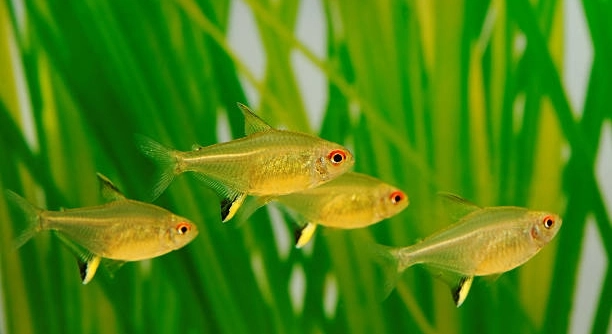
Lemon tetras are small, vibrant fish that brighten any freshwater aquarium. Their cheerful colors and active behavior make them a favorite among hobbyists. Ensuring they thrive in captivity requires attention to their environment and natural preferences.
Lemon tetras are sensitive to sudden drops in temperature, and room temperature tanks that fall below 72°F can stress them. Maintaining a stable environment with minimal fluctuations is essential for their overall health and longevity.
Proper care and understanding of their temperature needs will help keep lemon tetras active and healthy in your aquarium.
Understanding Lemon Tetra Temperature Needs
Lemon tetras are tropical fish, so their ideal temperature range is between 74°F and 80°F. While they can survive slightly cooler conditions, prolonged exposure to temperatures below 72°F can weaken their immune system and make them prone to disease. Their small size means they are sensitive to rapid temperature fluctuations, which can cause stress and erratic behavior. Using a reliable aquarium heater and thermometer helps maintain a steady environment. In addition to temperature, water quality, diet, and tank companions play a role in their overall health. I have noticed that even small changes in room temperature during winter can affect their activity levels. Keeping a consistent routine for feeding and monitoring water parameters will ensure they remain vibrant and active. Adjusting the tank placement away from drafts, windows, or air conditioning vents can also prevent sudden drops in temperature, providing a stable and comfortable environment for these delicate fish.
Maintaining stable warmth prevents stress and encourages normal swimming and feeding behavior in lemon tetras.
Even slight changes in water temperature can impact lemon tetras. Cold water slows their metabolism, affecting digestion and growth. Over time, repeated exposure to lower temperatures can lead to weakened immune responses and higher susceptibility to infections. Observing their swimming patterns and coloration helps identify stress early. Keeping heaters calibrated and checking thermometers daily ensures their environment remains consistent.
Signs Lemon Tetras Are Too Cold
Cold water can cause lemon tetras to become lethargic and hide more than usual.
When temperatures drop, you may notice their colors fading and fins clamped close to their body. They may stop eating or move sluggishly, indicating stress. Prolonged exposure to cold conditions can lead to more serious health problems, including infections and slower growth. Adjusting the heater and ensuring stable water temperatures are critical for their well-being. Regular observation allows you to catch early signs and take action before serious issues develop. Using insulation around the tank or placing it away from cold drafts can also help maintain consistent warmth. Monitoring their behavior alongside water temperature gives insight into their comfort and health, helping create a more balanced environment for them to thrive. Preventing temperature drops is far easier than treating the effects after they occur.
Keeping your lemon tetras healthy requires understanding their sensitivity and responding promptly to environmental changes. Cold water slows metabolism, reduces activity, and weakens immunity. Even minor temperature drops can cause noticeable stress. Monitoring behavior, feeding, and color is essential to ensure their health. Consistent heater use, careful tank placement, and insulation can prevent temperature swings. This vigilance allows the fish to maintain normal growth, active swimming, and proper digestion, ensuring long-term vitality. Regular maintenance and observation support a stable environment, which directly influences their behavior and coloration. By addressing temperature concerns early, you can prevent disease, reduce stress, and promote a lively, thriving aquarium. Simple adjustments and attention to water conditions go a long way in creating a comfortable and safe habitat for lemon tetras.
Adjusting Room Temperature for Lemon Tetras
Keeping the tank in a stable environment is essential. Avoid placing it near windows, air conditioners, or vents where drafts can lower water temperature. Small adjustments to room temperature can make a big difference in the fish’s activity and health.
Using a reliable heater is crucial for maintaining a consistent temperature. Even if the room feels warm, water can cool quickly, especially in smaller tanks. I usually set the heater slightly above the minimum recommended range to prevent sudden dips. Monitoring the thermometer daily ensures the temperature stays within 74°F to 80°F. Extra insulation around the tank or a heater guard can help prevent fluctuations, keeping the fish comfortable. Regularly checking for cold spots in the tank ensures no areas are too cool, which can stress lemon tetras.
I have found that minor changes in room temperature affect lemon tetras more than expected. Moving the tank away from external heat or cold sources and adjusting the heater gradually avoids shocking the fish. Using a small fan in summer or insulating the tank in winter helps maintain stability. Even when the room feels consistent, water can lose heat faster, so daily checks are important. Over time, keeping a stable environment reduces stress, improves feeding habits, and keeps their colors vibrant. Careful monitoring ensures the fish remain active and healthy without sudden temperature-related issues.
Equipment to Maintain Optimal Temperature
Reliable thermometers help monitor water temperature accurately. Digital thermometers provide more precise readings than simple stick-on types, allowing for quick adjustments.
A good aquarium heater with adjustable settings is necessary to prevent cold water exposure. Submersible heaters distribute heat evenly and minimize temperature gradients. Using a heater guard protects fish from direct contact with hot surfaces. Placing the heater near water circulation areas ensures consistent warmth throughout the tank. Combining insulation with the heater helps maintain a stable environment even during seasonal temperature swings. Regularly testing the thermometer and recalibrating ensures accurate readings. Monitoring water temperature alongside observing fish behavior confirms their comfort. Preventing sudden drops in temperature reduces stress and maintains healthy activity levels.
I have noticed that using multiple small heaters instead of one large one can prevent hot or cold spots in the tank. Positioning the thermometer at different points in the aquarium helps verify uniform temperature distribution. Insulating the tank on cooler sides and keeping it away from drafts ensures stability. Maintaining clean water and proper filtration also contributes to consistent heat circulation. Regular observation of fish behavior and color changes confirms that the temperature is suitable. Combining these strategies minimizes risk, keeping lemon tetras active, healthy, and vibrant in room temperature environments.
Common Mistakes in Room Temperature Tanks
Leaving the tank near windows or doors can expose lemon tetras to sudden cold drafts. Even small temperature dips can stress them and affect their feeding behavior.
Not using a reliable thermometer often results in unnoticed fluctuations. Monitoring daily ensures the water stays within their ideal range.
How to Safely Increase Tank Temperature
Gradually raising the water temperature prevents shocking lemon tetras. Increasing by one or two degrees per day allows their metabolism to adjust safely. Using a submersible heater with adjustable settings helps maintain steady warmth. I often move the heater slightly to ensure even heat distribution throughout the tank. Observing the fish during adjustments ensures they are not stressed. Combining gradual heating with tank insulation stabilizes water temperature efficiently. Small, careful changes protect the fish from health issues linked to sudden cold exposure, keeping them active and maintaining their vibrant coloration.
Observing Behavioral Changes
Lemon tetras swim slower and hide more when water is too cold. Monitoring these patterns helps identify issues early.
FAQ
Can lemon tetras survive in room temperature tanks without a heater?
Lemon tetras can survive short periods in room temperature water if it stays within 72°F to 74°F, but prolonged exposure below 74°F can stress them. I have noticed that even a few degrees below their ideal range makes them less active and more prone to hiding. Without a heater, temperature fluctuations from drafts or night-time cooling can affect their immune system. A heater provides stability, preventing sudden drops that may lead to illness. Using a thermometer to monitor water consistently helps maintain a safer environment for them.
What are the signs that lemon tetras are too cold?
Cold-stressed lemon tetras often swim sluggishly and spend more time hiding. Their colors may fade, and fins can appear clamped close to their bodies. Feeding behavior decreases, and they may ignore food altogether. In my experience, prolonged cold exposure makes them more susceptible to infections like ich. Watching their swimming patterns, activity level, and coloration daily helps catch problems early. A sudden drop in temperature may cause rapid changes, so monitoring water regularly ensures early intervention. Proper heater placement and insulation help reduce stress and maintain a consistent temperature.
How quickly should I raise the temperature if my tank is too cold?
Temperature changes should be gradual. I increase water temperature by 1–2°F per day to allow lemon tetras’ metabolism to adjust safely. Rapid heating can shock them, causing stress or even sudden death. Using a submersible heater with adjustable settings is the most reliable way to control this. Observing the fish during temperature adjustments ensures they are swimming normally and not showing stress signs. Even after reaching the ideal range, monitoring water and fish behavior for several days ensures stability. Combining gradual heating with tank insulation provides consistent warmth and reduces stress effectively.
Can lemon tetras tolerate brief drops in temperature at night?
Brief, minor drops of 1–2°F are generally tolerated if the tank returns to the optimal range by morning. I have noticed that small fluctuations over a short period usually do not affect their activity or health. However, repeated drops or prolonged exposure to temperatures below 72°F can weaken immunity and lead to illness. Keeping the tank away from open windows, vents, or drafty areas reduces these fluctuations. Using a heater with a reliable thermostat ensures that even overnight temperatures remain safe for the fish. Monitoring behavior helps confirm whether they are handling small drops well.
Is it necessary to adjust tank temperature in winter?
Yes. Room temperatures often drop in winter, which can lower water temperature significantly. I have found that without adjusting the heater or adding insulation, lemon tetras become sluggish and stop eating. Insulating the tank or moving it away from cold walls helps maintain warmth. Monitoring the thermometer daily ensures the temperature remains consistent. Gradual adjustments to the heater prevent sudden changes, and checking water circulation ensures even heating. These measures keep lemon tetras healthy and active during colder months.
Do tank size and placement affect water temperature for lemon tetras?
Yes. Smaller tanks lose heat faster, making temperature control more critical. I have observed that placing tanks near windows, doors, or air conditioning vents exposes the water to cold drafts, causing stress. Positioning the tank in a stable area with minimal external influences helps maintain consistent warmth. Larger tanks hold heat longer, but monitoring is still essential. Using a reliable heater and thermometer, combined with insulation if needed, ensures a stable environment. Proper placement reduces temperature swings and prevents sudden cold exposure that can harm lemon tetras.
Can other fish in the tank affect how lemon tetras handle room temperature?
Yes. Different species have different temperature tolerances. I have noticed that adding tropical fish that require warmer water may raise the overall tank temperature slightly, which can help lemon tetras. Conversely, cooler-tolerant fish may lower average tank temperatures if not monitored. Ensuring all species in the tank have compatible temperature requirements prevents stress and health issues. Observing all fish for signs of temperature stress, along with using heaters and thermometers, helps maintain a consistent environment suitable for lemon tetras.
What maintenance practices help maintain stable temperatures?
Regular water checks and heater inspections are essential. I clean heaters and thermometers weekly to ensure accuracy. Checking for leaks, drafts, or areas where water may cool unevenly prevents cold spots. Performing consistent water changes with temperature-matched water reduces sudden drops. Tank insulation and careful placement further stabilize the environment. Monitoring fish behavior daily confirms that the temperature adjustments are effective. Combining these steps helps maintain a healthy and consistent habitat for lemon tetras in room temperature tanks.
How do I prevent stress if the room temperature fluctuates often?
Using a heater with a thermostat is the first step. I also insulate tanks and keep them away from doors, vents, or windows. Gradual temperature changes during seasonal shifts minimize stress. Observing fish activity and feeding helps identify early signs of stress. Stable water quality and consistent care routines support overall health.
Are there alternatives to heaters for maintaining temperature?
Small insulation materials or placing the tank in naturally warmer areas can reduce temperature swings. I have found that combining insulation with monitoring and careful placement helps maintain safer conditions. However, heaters remain the most reliable method to ensure consistent warmth for lemon tetras.
Lemon tetras are delicate tropical fish that require a stable environment to thrive. Room temperature tanks can work for them if the water remains within a safe range, but maintaining consistency is key. Sudden drops in temperature can stress the fish, affecting their activity, feeding habits, and overall health. I have noticed that even small fluctuations, such as those caused by air conditioning vents or drafty windows, can make them hide more or swim sluggishly. Monitoring the water temperature daily with a reliable thermometer ensures that the fish stay within the recommended 74°F to 80°F range. Using a submersible heater provides stability, while tank placement and insulation can prevent temperature swings. Over time, keeping these factors in check has shown noticeable improvements in the activity level and coloration of lemon tetras. A stable environment not only supports their physical health but also allows them to display their natural behaviors, including schooling and active swimming.
In addition to temperature management, paying attention to water quality and overall tank care is equally important. Clean, well-filtered water reduces stress and prevents illness, especially when temperatures approach the lower limit of their tolerance. Regular water changes, careful monitoring of pH, and ensuring proper nutrition contribute to a balanced environment. I have observed that lemon tetras in well-maintained tanks with stable temperatures are more resilient to minor fluctuations, whereas those in neglected setups show signs of stress more quickly. Even when a tank is maintained at the right temperature, other factors such as overcrowding or incompatible tank mates can amplify stress. By focusing on both temperature and water quality, lemon tetras remain healthy, vibrant, and active. Consistent observation of behavior and appearance allows early detection of problems, making it easier to adjust the environment before serious issues develop. Taking these precautions creates a safer, more comfortable habitat for the fish.
Maintaining room temperature tanks for lemon tetras requires careful attention and consistent care. Gradual adjustments to temperature, regular monitoring, and thoughtful tank placement are all effective strategies for preventing stress and keeping the fish healthy. I have noticed that minor adjustments, like insulating the tank or moving it away from cold drafts, can significantly reduce the risk of temperature-related problems. Even without extreme measures, simple practices like checking the heater daily, observing swimming patterns, and ensuring consistent water quality make a noticeable difference in their well-being. Over time, these steps contribute to a stable environment where lemon tetras can thrive naturally. Understanding their temperature sensitivity allows for better planning and management, reducing risks and promoting longevity. With attention to detail and consistent care, room temperature tanks can provide a safe and comfortable home, allowing lemon tetras to remain active, colorful, and healthy throughout the year.

Hello,
If you enjoy the content that we create, please consider saying a "Thank You!" by leaving a tip.
Every little bit helps us continue crafting quality advice that supports the health, happiness, and well-being of pets around the world, for pets of all shapes, sizes, and species.
We really appreciate the kindness and support that you show us!