
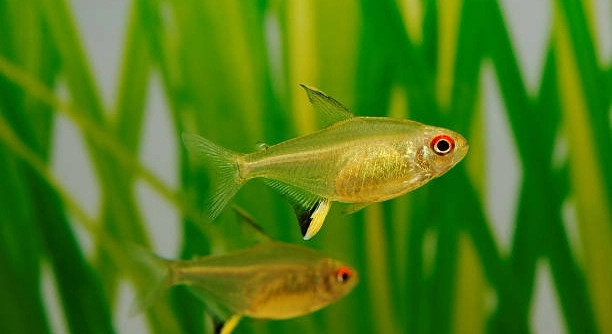
Are your lemon tetras acting shy or hiding in their new tank? It is normal for them to feel uncertain when introduced to a different environment. Adjusting their surroundings can help them settle more comfortably.
Providing a well-structured tank with proper water parameters, gentle lighting, and safe hiding spots allows lemon tetras to acclimate faster. Gradual introduction of food and maintaining consistent conditions minimizes stress and supports their natural behavior and health.
Understanding these factors will help your lemon tetras feel secure and thrive in their new home quickly and safely.
Setting Up the Tank for Comfort
Creating a comfortable environment for lemon tetras starts with choosing the right tank size and layout. A 20-gallon tank or larger is ideal, giving them space to swim and explore. Use a gentle filter and ensure water flow is mild to prevent stress. Adding live plants and soft substrate provides hiding spots and mimics their natural environment. Lighting should be moderate, not too bright, allowing them to adjust without feeling threatened. Placing decorations strategically, such as small caves or driftwood, helps them establish safe zones. Keep temperature steady between 74-80°F and maintain a pH around 6.5-7.0. Performing partial water changes weekly keeps water quality high, reducing the risk of illness. Observe their behavior regularly to spot any signs of stress or illness early. A calm and stable environment allows lemon tetras to explore their surroundings confidently and reduces their initial anxiety.
Starting with the right tank setup ensures lemon tetras feel safe and adapt more quickly. Consistency is key for their comfort.
Proper tank arrangement not only affects their behavior but also impacts feeding and social interaction. Plants and hiding spots encourage natural movement patterns and reduce aggression. Maintaining water conditions and gentle lighting supports their overall health. By monitoring temperature, pH, and cleanliness, you create a stable habitat. Gradual acclimation to new surroundings combined with thoughtful decor helps lemon tetras settle in and thrive, making them more active and responsive over time.
Feeding and Encouraging Exploration
Offer small, frequent meals to help lemon tetras adjust to their new environment.
Feeding a mix of high-quality flakes, micro-pellets, and occasional frozen foods provides balanced nutrition. Introduce food slowly to avoid overfeeding and maintain water quality. Watch their response to different foods to determine preferences.
Introducing floating or sinking foods encourages movement throughout the tank. Varying feeding locations stimulates natural foraging behavior and helps reduce hiding. Observing how they interact with food gives insight into their comfort level. Adjusting feeding times gradually establishes a routine, reinforcing security. Over time, lemon tetras become more confident, swimming openly and exploring the tank fully. Providing a variety of foods and creating a predictable schedule supports their adaptation while keeping them healthy and active. Consistent care and attention to feeding practices make a noticeable difference in how quickly lemon tetras settle into their new home.
Water Quality and Regular Maintenance
Maintaining clean water is essential for lemon tetras to feel secure. Regular water testing and partial changes prevent harmful buildup and stress, keeping the tank stable and healthy for their adjustment.
Keeping the water parameters steady is crucial for the wellbeing of lemon tetras. Ammonia and nitrite should always be at zero, while nitrate should stay below 20 ppm. A reliable filter helps maintain clarity and removes waste efficiently. Weekly water changes of 20-25 percent reduce toxins and replenish minerals, which keeps fish active and healthy. Monitoring temperature and pH consistently ensures the environment remains comfortable, reducing sudden stressors that could cause hiding or sluggish behavior.
Routine maintenance also involves inspecting equipment and decor. Filters, heaters, and air pumps must function properly to maintain a stable environment. Cleaning plants and substrate prevents algae and debris accumulation, which can impact swimming and feeding habits. Observing fish during maintenance helps spot early signs of illness or stress. Adjustments to lighting, hiding spots, or water flow may be needed to keep the tank comfortable. These small, consistent efforts directly improve the lemon tetras’ ability to settle in and explore confidently.
Social Behavior and Interaction
Lemon tetras feel more secure in groups of six or more, encouraging natural schooling behavior and reducing stress in new environments.
Observing social interactions helps you understand how your fish are adjusting. Schooling promotes confidence and decreases hiding tendencies, as they rely on each other for safety. Providing enough space ensures everyone has room to swim together comfortably. Avoid mixing aggressive species that could intimidate or isolate lemon tetras. Introducing the tank’s layout gradually, with sufficient plants and open swimming areas, allows them to establish preferred spots. Over time, the group’s cohesion becomes evident as they move in synchrony, showing confidence and reduced stress. Structured observation also allows quick response to any bullying or unusual behavior, supporting overall harmony.
Temperature and Lighting
Consistent temperature helps lemon tetras feel secure and reduces stress. Sudden changes can cause hiding or sluggish behavior, so maintaining 74-80°F is important for their adaptation.
Moderate lighting is best, as overly bright lights can make them nervous. Soft, even light allows natural exploration and encourages activity.
Introducing New Tank Mates
Choose peaceful species that swim at similar levels. Aggressive or overly active fish can intimidate lemon tetras and slow their adjustment.
Observing Behavior
Watch how your lemon tetras interact with each other and their environment. Active swimming and schooling indicate comfort and adaptation.
Adjusting the Environment
Small changes, like adding plants or rearranging decor, help lemon tetras explore safely. Avoid sudden or frequent alterations to prevent stress.
FAQ
How long does it take for lemon tetras to settle in?
Lemon tetras usually take about one to two weeks to feel comfortable in a new tank. This timeline depends on tank conditions, water quality, and the presence of hiding spots. Providing a calm environment and maintaining stable water parameters helps them adjust faster.
Why are my lemon tetras hiding constantly?
Hiding is a natural response to stress or uncertainty. It can occur if the tank is too bright, water parameters fluctuate, or they feel threatened by tank mates. Ensure proper lighting, gentle water flow, and safe hiding spots to encourage them to explore gradually.
What should I feed my lemon tetras?
A varied diet keeps lemon tetras healthy. High-quality flake food, micro-pellets, and occasional frozen or live foods like brine shrimp or daphnia provide balanced nutrition. Feed small amounts two to three times a day, adjusting portions to avoid leftovers and maintain water quality.
How often should I perform water changes?
Weekly partial water changes of 20-25 percent are ideal. This helps remove toxins, maintain water clarity, and replenish minerals, supporting both health and comfort. Frequent testing of ammonia, nitrite, nitrate, and pH ensures stable water conditions.
Can lemon tetras live alone?
Lemon tetras are schooling fish and feel more secure in groups of six or more. Keeping them alone can lead to stress, hiding, and lack of natural behavior. Group settings promote confidence, social interaction, and active swimming.
How do I know if my lemon tetras are healthy?
Healthy lemon tetras swim actively, display bright colors, and show normal schooling behavior. Signs of stress or illness include clamped fins, hiding excessively, loss of color, or reduced appetite. Early observation and water maintenance prevent long-term issues.
Do decorations affect their comfort?
Yes, tank decorations like plants, driftwood, and small caves create hiding spots and mimic their natural environment. This encourages exploration, reduces stress, and helps lemon tetras establish territories without feeling threatened. Avoid overcrowding the tank to ensure free swimming space.
What temperature and pH are best?
Maintain water temperature between 74-80°F and pH around 6.5-7.0. Stable conditions reduce stress and support activity and feeding. Sudden fluctuations can lead to hiding or illness, so consistent monitoring is essential.
How can I encourage them to explore the tank?
Introduce food at different locations and provide both open swimming areas and plants for shelter. Gradual changes to the environment, like adding new decorations slowly, can stimulate natural movement without causing stress.
Are there common mistakes when introducing lemon tetras?
Common errors include overcrowding, mixing with aggressive fish, rapid water changes, or sudden lighting shifts. All of these increase stress and prolong adjustment. Following proper acclimation methods and maintaining stable conditions ensures they adapt more quickly.
How do I handle illness in new lemon tetras?
Observe for signs like lethargy, clamped fins, or unusual swimming patterns. Quarantine new fish when possible, maintain clean water, and treat promptly with appropriate medications. Early intervention prevents spread and helps lemon tetras recover quickly.
Can lemon tetras coexist with other species?
Yes, but only with peaceful fish of similar size and temperament. Avoid aggressive or overly large species that could intimidate them. Group compatibility and adequate space help maintain a calm environment for all inhabitants.
What is the best lighting schedule?
Provide 8-10 hours of moderate light daily. This mimics natural conditions and encourages regular activity. Too much light may cause stress, while too little can affect feeding behavior and coloration.
How do I monitor water quality effectively?
Use test kits for ammonia, nitrite, nitrate, and pH. Check temperature regularly and perform partial water changes as needed. Consistent observation ensures lemon tetras remain healthy and adapt quickly.
Is it necessary to have live plants?
Live plants are beneficial but not mandatory. They offer hiding spots, improve water quality, and encourage natural behavior. If using artificial plants, ensure they are smooth and safe to prevent injury.
How often should I check on my fish?
Daily observation for behavior, feeding, and health is recommended. Spotting changes early helps prevent stress and ensures the tank remains stable. Regular monitoring allows adjustments to lighting, temperature, or tank layout when needed.
Can stress affect their color?
Yes, stressed lemon tetras may lose brightness. Stable water conditions, gentle lighting, proper feeding, and social support help maintain vibrant colors and overall well-being.
How do I acclimate lemon tetras to a new tank?
Float the sealed bag in the tank for 15-20 minutes to equalize temperature, then gradually mix tank water into the bag over 30-45 minutes. This reduces shock and helps them adjust to water chemistry slowly.
Should I rearrange the tank frequently?
Avoid frequent rearrangements. Minor adjustments can be made gradually, but drastic changes increase stress and cause hiding. Consistent tank layout with enough exploration areas supports adaptation and natural behavior.
What if they refuse to eat initially?
Initial refusal to eat is normal due to stress. Offer small, frequent meals and try varied food types. Keeping water stable and providing hiding spots encourages confidence, helping them start feeding consistently.
How can I tell if they are bonding with the group?
Schooling together, synchronized swimming, and reduced hiding indicate comfort and social bonding. Healthy group behavior shows that lemon tetras feel secure and are adapting well to their environment.
Are there seasonal considerations for tank maintenance?
Temperature fluctuations during seasonal changes can affect water conditions. Adjust heaters and monitor closely to maintain stability. Consistent care throughout the year helps lemon tetras remain active and stress-free.
Can I add new fish to the tank immediately?
Introduce new fish slowly and quarantine them if possible. Sudden additions may stress lemon tetras and disrupt established social dynamics. Gradual integration maintains stability and promotes harmonious behavior in the tank.
How important is water flow for lemon tetras?
Moderate water flow is best. Strong currents can stress them, causing hiding and reduced activity. Gentle filtration creates a stable environment and mimics their natural habitat, encouraging normal swimming patterns.
What signs indicate they are fully settled?
Active swimming, regular schooling, bright coloration, and consistent feeding show that lemon tetras are comfortable. They explore freely, interact socially, and respond confidently to feeding and changes in the environment.
How do I prevent aggression within the group?
Maintain appropriate group size and ensure plenty of swimming space. Overcrowding or lack of hiding spots can lead to chasing or fin nipping. Observing interactions and making minor adjustments prevents stress and keeps the group cohesive.
What role does tank size play in adaptation?
A larger tank allows space for swimming, hiding, and social interaction. Crowded tanks increase stress and slow adjustment. Adequate space supports health, activity, and natural behavior, helping lemon tetras feel secure faster.
How long should I monitor new arrivals closely?
Monitor daily for the first two to three weeks. Early detection of stress or illness allows for quick intervention, ensuring lemon tetras adapt smoothly and remain healthy.
Are there specific signs of stress unique to lemon tetras?
Hiding constantly, clamped fins, loss of color, erratic swimming, and refusal to eat are key indicators. Recognizing these signs early allows prompt adjustments to water quality, tank layout, or social grouping.
Does tank cleanliness affect adaptation?
Yes, clean water reduces stress and prevents illness. Regular maintenance, partial water changes, and filter care create a stable environment where lemon tetras can adjust quickly and explore confidently.
How can I make them feel secure immediately after introduction?
Provide hiding spots, maintain stable water conditions, use gentle lighting, and avoid sudden disturbances. These measures reduce stress and encourage gradual exploration, helping lemon tetras settle faster.
Can stress impact their immune system?
Stress weakens immunity, making lemon tetras more susceptible to disease. Maintaining calm conditions, proper nutrition, and stable water quality supports resilience and long-term health.
Is it normal for them to change behavior at night?
Yes, lemon tetras are less active during dim light or at night. Providing consistent day-night cycles helps them maintain a natural rhythm and reduces stress.
How do I safely clean the tank without stressing them?
Perform partial water changes, clean filters gently, and avoid moving decorations abruptly. Minimize handling of fish and maintain a calm environment during maintenance to reduce stress.
Are floating plants helpful for new lemon tetras?
Floating plants offer shade and safe zones, helping reduce anxiety. They create sheltered areas that encourage exploration while providing visual barriers from bright lighting or activity outside the tank.
How long does it take for a new tank setup to stabilize?
A new tank typically stabilizes within four to six weeks. Regular monitoring of ammonia, nitrite, nitrate, and pH ensures water quality is safe before introducing lemon tetras, reducing initial stress.
Can stress cause health issues later on?
Yes, prolonged stress can lead to weakened immune systems, stunted growth, and increased susceptibility to disease. Consistent care, proper diet, and stable conditions prevent long-term health problems.
What is the best way to introduce tank decorations?
Add decorations gradually, spacing them to create both hiding and open swimming areas. Avoid sudden large changes, which can cause stress and disorientation. Gradual introduction encourages exploration while maintaining security.
How do I know if tank mates are compatible?
Observe interactions for signs of aggression or intimidation. Compatible species swim calmly together without chasing or nipping. Group harmony ensures lemon tetras remain active, confident, and stress-free.
Is acclimation faster in planted tanks?
Planted tanks often help lemon tetras feel secure due to natural hiding spots and shaded areas. Plants reduce stress, encourage exploration, and provide a more stable environment compared to bare tanks.
What is the ideal group size for adaptation?
Six or more lemon tetras is recommended. Smaller groups may feel insecure, while larger groups promote natural schooling, confidence, and social interaction, helping them settle faster in a new tank.
How do I handle sudden stress events?
Minimize disturbance, maintain stable water parameters, and provide hiding spots. Remove any aggressive tank mates if necessary. Gradually, lemon tetras regain confidence and return to normal behavior.
Can I use a quarantine tank for new arrivals?
Yes, quarantining new fish prevents disease spread and allows monitoring of health before introducing them to the main tank. It reduces stress for both new and established fish.
How often should I test water parameters?
Test at least weekly for ammonia, nitrite, nitrate, and pH. Frequent monitoring ensures stability, early detection of problems, and a safe environment for lemon tetras to settle.
Do lemon tetras need any special care compared to other small tropical fish?
They require similar care to other small tropical schooling fish but are sensitive to water quality and social dynamics. Consistent maintenance, group settings, and gradual acclimation are key to their comfort.
How can I encourage them to swim openly?
Provide a combination of open swimming space and hiding spots. Consistent feeding, gentle lighting, and stable water conditions help build confidence, gradually encouraging them to explore the entire tank.
What are signs they are fully comfortable?
Active schooling, bright coloration, confident feeding, and reduced hiding indicate they are fully adapted. Observing these behaviors shows that lemon tetras are thriving in their new environment.
How do I maintain long-term comfort for lemon tetras?
Keep water stable, feed a balanced diet, maintain group cohesion, and provide safe hiding spots. Regular monitoring and minor adjustments ensure ongoing health, security, and natural behavior.
Can sudden temperature changes cause shock?
Yes, sudden drops or increases can stress lemon tetras and lead to hiding or illness. Gradual adjustments and stable heaters prevent shock and support adaptation.
Are floating foods better for new lemon tetras?
Floating foods encourage natural foraging and can stimulate activity, but a mix of floating and sinking foods ensures balanced nutrition and promotes full exploration of the tank.
How important is observing early behavior?
Early observation identifies stress, illness, or social issues. Timely intervention and minor adjustments prevent long-term problems and support faster adaptation to the new tank.
Can I use artificial lighting instead of natural light?
Yes, artificial lighting works as long as it mimics day-night cycles and provides moderate brightness. Consistency helps lemon tetras maintain normal activity and reduces stress.
How long should I keep monitoring their schooling behavior?
Continue monitoring regularly for the first few weeks. Schooling patterns indicate comfort and social stability, guiding adjustments to feeding, tank layout, or water conditions if needed.
Do lemon tetras need water conditioners?
Yes, using water conditioners removes chlorine and chloramines from tap water, making it safe for lemon tetras and reducing initial stress during water changes or acclimation.
Is it okay to have other species in the same tank?
Yes, if the species are peaceful, similar in size, and occupy different swimming levels. Proper selection prevents bullying and supports a calm environment for lemon tetras.
Can stress affect breeding behavior?
Yes, stressed lemon tetras may not breed or display normal courtship behaviors. Stable conditions, proper diet, and secure group dynamics encourage natural reproductive behavior.
How do I handle a sick fish in the group?
Isolate the sick fish in a separate tank, treat appropriately, and maintain cleanliness. Early action prevents spread and reduces stress for healthy lemon tetras.
What are the most common causes of stress?
Changes in water quality, aggressive tank mates, overcrowding, sudden lighting changes, and improper temperature are the main stress factors for lemon tetras. Managing these prevents prolonged hiding and poor adaptation.
How often should I clean decorations?
Clean decorations lightly during water changes, avoiding harsh scrubbing that could damage plants or substrate. This prevents algae buildup without disturbing hiding spots or stressing the fish.
Can lemon tetras recognize their surroundings?
Yes, they become familiar with the tank layout, hiding spots, and feeding locations. Gradual changes help them adapt without stress, encouraging confident exploration and natural behavior.
How do I prevent fin nipping in the group?
Provide adequate space, group size, and hiding spots. Monitor for aggressive individuals and separate them if needed. Balanced social dynamics reduce stress and maintain harmony in the tank.
Are there signs of overfeeding?
Yes, leftover food, cloudy water, and lethargy indicate overfeeding. Small, frequent meals and observation ensure proper nutrition without affecting water quality or adaptation.
Is tank location important?
Yes, placing the tank away from high traffic, vibrations, and loud noises reduces stress. A stable, calm location helps lemon tetras feel secure and explore naturally.
How can I reduce initial hiding?
Provide hiding spots, stable water parameters, and gradual acclimation. Minimal disturbance and consistent feeding routines encourage confidence and exploration over the first few weeks.
Do lemon tetras require any special water additives?
Generally, they need water conditioners to remove harmful chemicals. Additional additives may help if water is too soft or hard, but stability and cleanliness are more important than extras.
Can lighting affect stress levels?
Yes, overly bright or fluctuating light causes stress and hiding. Moderate, consistent lighting encourages activity and reduces anxiety, helping them adjust more quickly.
Is it normal for them to explore slowly at first?
Yes, initial caution is natural. With proper hiding spots, gentle feeding, and stable conditions, lemon tetras gradually become more confident and active.
How do I know if tank mates are causing stress?
Signs include excessive hiding, reduced feeding, clamped fins, or erratic swimming. Observing interactions allows for adjustments, separation, or replacement to maintain a calm environment.
Can water hardness impact adaptation?
Yes, extreme hardness or softness can cause stress. Maintaining parameters close to their natural preference (moderate hardness) supports health and reduces anxiety during adjustment.
How long should I wait before adding more decorations?
Wait at least one to two weeks after introduction. This allows lemon tetras to settle, explore, and establish comfort before new elements are added, preventing stress.
Do lemon tetras benefit from hiding spots at the surface?
Yes, floating plants or decorations at the surface provide security and shaded areas. These spots encourage exploration while allowing retreat from perceived threats.
What is the best way to acclimate water chemistry?
Gradually mix tank water into the transport bag over 30-45 minutes while floating it to equalize temperature. This reduces shock and supports smoother adjustment to pH and hardness.
How often should I observe behavior after acclimation?
Daily for the first two weeks, then regularly thereafter. Observing schooling, feeding, and exploration ensures ongoing comfort and early detection of stress or health issues.
Can stress affect appetite long-term?
Yes, prolonged stress may lead to decreased appetite or selective feeding. Consistent care, stable water, proper nutrition, and safe surroundings prevent this and encourage healthy eating habits.
Is there a recommended tank layout for new arrivals?
Include open swimming areas, mid-level plants, hiding spots, and soft substrate. Balanced layout supports exploration, schooling, and security without overcrowding or limiting movement.
Do lemon tetras need a specific day-night cycle?
Yes, consistent light and dark periods of 8-10 hours help regulate activity, feeding, and rest. Sudden changes disrupt behavior and can increase stress.
How do I prevent aggression from other species?
Select peaceful, similar-sized fish, maintain space and hiding spots, and observe interactions. Remove aggressive individuals to keep the tank harmonious and stress-free.
What is the role of mid-level swimming space?
Lemon tetras primarily swim in the mid-level. Providing open areas at this level supports natural schooling, exploration, and reduces stress caused by overcrowding or hiding.
Can water changes alone reduce stress?
Yes, maintaining clean water reduces toxins and improves comfort. However, consistent temperature, lighting, and hiding spots are equally important for overall adaptation.
Are there seasonal adjustments I should consider?
Monitor temperature and lighting with seasonal changes. Gradual adjustments prevent stress caused by sudden shifts in tank conditions, ensuring lemon tetras remain comfortable year-round.
What behaviors indicate full acclimation?
Confident swimming, active schooling, normal feeding, bright coloration, and minimal hiding indicate lemon tetras are fully comfortable and adapted to their environment.
How important is monitoring their response to food?
Observation of feeding behavior shows comfort level and health. Hesitation or refusal may indicate stress, water issues, or social dynamics that need adjustment.
Can stress affect coloration permanently?
Prolonged stress may dull colors temporarily. Maintaining calm conditions, balanced diet, and stable water ensures they regain vibrant coloration once comfortable.
Do lemon tetras need a specific group structure?
Yes, a cohesive group of six or more supports natural schooling, reduces stress, and encourages confident exploration of the tank
Final Thoughts
Helping lemon tetras feel at home quickly requires attention to both their physical and social environment. A stable tank with proper water parameters, moderate lighting, and safe hiding spots forms the foundation for a stress-free habitat. By keeping water temperature steady between 74 and 80°F and maintaining pH around 6.5 to 7.0, you reduce the risk of sudden stress that can make them hide or lose appetite. Gradual changes during acclimation, including slowly mixing tank water into the transport bag and providing floating or sinking foods, give them time to adjust to both temperature and water chemistry. Regular observation during this period allows you to identify early signs of discomfort or illness, such as clamped fins, loss of color, or erratic swimming. Consistent care in these first few weeks is critical for helping lemon tetras adapt and explore their new environment confidently.
Social dynamics also play a significant role in their comfort. Lemon tetras are schooling fish and feel safer in groups of six or more. Proper group size encourages natural behaviors like synchronized swimming and active foraging, which reduces anxiety and hiding. Aggressive or overly active tank mates should be avoided, as they can intimidate or isolate lemon tetras, slowing their adaptation. Providing plenty of mid-level swimming space, open areas, and strategically placed decorations ensures that each fish can find a preferred spot without feeling threatened. Floating plants and gentle lighting further create a calm environment that supports both physical and psychological well-being. By observing how the group interacts and adjusting decor or feeding routines as needed, you can maintain a balanced and stress-free habitat that encourages confident movement and healthy behavior.
Long-term comfort comes from consistency and careful monitoring. Regular partial water changes, light cleaning of decorations, and periodic testing of water parameters prevent harmful buildup and support stable conditions. Varying feeding locations and offering a balanced diet of flakes, micro-pellets, and occasional frozen foods keep them engaged and nourished. Gradual additions of new decorations or tank mates, rather than sudden changes, help them maintain a sense of security. Watching for subtle signs of stress or changes in behavior allows early intervention before minor issues become serious. Over time, lemon tetras will become confident, active, and socially cohesive, showing bright coloration and regular schooling behavior. By prioritizing stability, observation, and thoughtful care, you can create a tank environment where lemon tetras thrive, feel secure, and display natural behaviors consistently.

Hello,
If you enjoy the content that we create, please consider saying a "Thank You!" by leaving a tip.
Every little bit helps us continue crafting quality advice that supports the health, happiness, and well-being of pets around the world, for pets of all shapes, sizes, and species.
We really appreciate the kindness and support that you show us!