
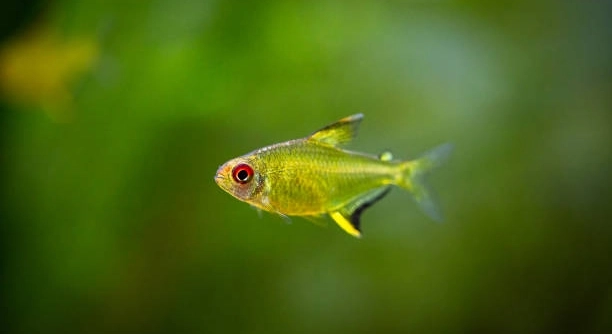
Do your lemon tetras swim gracefully around your tank, adding bright splashes of yellow among the greenery? Guppies might already be enjoying their own lively corners, creating a colorful and active aquarium environment for you.
Lemon tetras can generally coexist peacefully with guppies if the tank is properly maintained. Providing sufficient space, hiding spots, and compatible water conditions minimizes stress and aggressive behaviors, supporting a harmonious environment for both species to thrive together.
Maintaining a balanced tank setup is essential for their well-being. Proper planning ensures both species can enjoy a calm and healthy home.
Understanding Lemon Tetra Behavior
Lemon tetras are small, peaceful fish that thrive in schools of six or more. They move actively through the middle and upper levels of the aquarium, creating a bright, dynamic presence. Their temperament is calm, and they rarely show aggression toward other species, making them good community fish. They enjoy planted tanks with hiding spots, which reduce stress and provide natural boundaries within the tank. Proper water parameters, including a slightly acidic to neutral pH and a temperature between 72 and 80°F, help maintain their health. Feeding them small flakes, micro pellets, or occasional live foods ensures balanced nutrition. Observing their social interactions within the group can reveal subtle signs of stress or dominance, allowing adjustments before conflicts occur.
Lemon tetras adapt well to peaceful tankmates but need consistent care to avoid stress and ensure long-term health.
Creating a stable environment requires careful attention to tank size, water quality, and diet. Proper acclimation, regular water changes, and monitoring interactions help both lemon tetras and guppies coexist comfortably, keeping the aquarium lively and balanced.
Introducing Guppies to the Tank
Guppies are social and active, thriving in small groups and interacting well with non-aggressive species like lemon tetras.
When adding guppies to a tank with lemon tetras, it is essential to monitor their behavior closely for the first few days. Guppies are generally peaceful but can occasionally show mild chasing behaviors, which is normal as they explore new territory. Providing plenty of plants and hiding spots allows both species to establish areas of comfort. Feeding them small, frequent meals keeps them occupied and reduces competition. Over time, guppies usually settle alongside lemon tetras without conflict, creating a vibrant, harmonious tank. Tank size also plays a crucial role; a minimum of 20 gallons is recommended to provide enough space for swimming and reduce territorial stress. Consistent water conditions and careful observation ensure both species maintain healthy interactions and thrive together.
Tank Setup Considerations
Providing enough space is key when housing lemon tetras and guppies together. Plants, rocks, and decorations create hiding spots and reduce stress. Proper filtration ensures clean water, keeping both species healthy and active.
A well-planned tank allows fish to establish territories without feeling threatened. Lemon tetras prefer the middle and upper levels, while guppies often swim near the surface. Arranging decorations to create separate zones helps minimize accidental chasing and promotes peaceful coexistence. Regular water changes, appropriate temperature, and stable pH levels are essential to prevent stress and illness. Observing the fish daily allows for adjustments if any tension arises, maintaining harmony.
Lighting and plant density also play a role. Moderate lighting highlights the lemon tetras’ color without overstressing guppies. Floating plants can provide shade, while dense plants allow shy fish to retreat. Choosing soft substrates and gentle water flow enhances comfort for both species, creating a balanced and visually appealing aquarium.
Feeding and Diet Management
Both species require small, frequent meals to stay healthy. Offering a mix of flakes and live foods ensures proper nutrition.
Monitoring feeding times prevents one species from dominating the food. Guppies are often more aggressive during feeding, so scattering food across the tank helps lemon tetras access it. Supplements like frozen brine shrimp or daphnia add variety, supporting growth and coloration. Feeding consistently at the same time daily reduces stress and keeps behavior predictable. Observing each species’ eating habits helps identify if adjustments are needed to prevent malnutrition or overfeeding.
Providing separate feeding zones can reduce competition and stress. Using floating pellets for guppies and sinking flakes for tetras encourages fair distribution. Maintaining a balanced diet with occasional live or frozen treats strengthens the immune system and promotes vibrant colors. Rotating food types keeps both species interested while meeting their nutritional requirements. Keeping the tank clean by removing uneaten food prevents water quality issues, ensuring the environment remains safe and healthy for all inhabitants.
Water Conditions and Maintenance
Maintaining stable water conditions is essential for both lemon tetras and guppies. Consistent temperature, pH, and hardness levels prevent stress and disease. Frequent water testing ensures a healthy environment for all fish.
Regular water changes of 20-25% weekly keep ammonia and nitrate levels low. Filtration should be efficient but gentle to avoid disturbing the fish. Monitoring for debris and leftover food helps prevent water quality issues, keeping the tank safe.
Social Dynamics Between Species
Lemon tetras are schooling fish, relying on groups for security, while guppies are active and curious. Observing interactions helps identify any potential stress or dominance behavior. Maintaining adequate space and hiding spots allows both species to feel secure and reduces aggressive encounters.
Tank Size Recommendations
A minimum 20-gallon tank is recommended for a mixed community of lemon tetras and guppies. Larger tanks further reduce stress and allow more natural swimming patterns.
Signs of Stress to Watch For
Watch for faded colors, clamped fins, or hiding behavior. These indicate stress or poor tank conditions and need immediate attention.
FAQ
Can lemon tetras and guppies live together in the same tank?
Yes, lemon tetras and guppies can coexist peacefully if the tank is properly maintained. Providing enough space, hiding spots, and compatible water conditions helps both species feel secure. Regular monitoring ensures that minor conflicts do not escalate into stress or injury.
How many lemon tetras should I keep together?
Lemon tetras are schooling fish and should be kept in groups of at least six. Smaller groups can lead to stress, hiding, or lethargy. A larger group encourages natural swimming patterns and social behavior, keeping them active and healthy.
Do guppies bully lemon tetras?
Guppies are generally peaceful, but males may occasionally chase each other or small tetras during feeding. Providing plants, decorations, and scattered feeding areas reduces competition and prevents persistent chasing. Most behaviors are mild and do not harm lemon tetras when space is adequate.
What tank size is ideal for both species?
A minimum 20-gallon tank is recommended for a mixed community. Larger tanks are even better, allowing fish to swim freely, establish territories, and reduce stress. Proper filtration and regular maintenance ensure stable water quality for both species.
What water parameters are best?
Lemon tetras prefer slightly acidic to neutral water with a pH of 6.5-7.0, while guppies tolerate slightly alkaline conditions around 7.0-7.5. Maintaining a balanced compromise, along with stable temperature between 72-80°F, ensures both species remain healthy and stress-free.
How often should I feed them?
Both species benefit from small, frequent feedings once or twice a day. Offering a variety of flakes, micro pellets, and occasional live or frozen foods ensures balanced nutrition. Scattering food helps reduce competition and allows both species to eat comfortably.
Do they need special plants or decorations?
Yes, providing plants, rocks, and other decorations creates hiding spots and territories. Floating plants offer shade for shy fish, while dense plants allow tetras and guppies to retreat when stressed. Decorations also break line-of-sight, reducing chasing behaviors.
Can they breed in the same tank?
Guppies breed easily, sometimes producing fry in a community tank. Lemon tetras may also spawn, though their eggs are often eaten. Separating fry or providing dense plants helps protect young fish and maintain population balance.
How do I know if they are stressed?
Signs of stress include faded colors, clamped fins, hiding, or erratic swimming. Monitoring behavior and adjusting tank conditions or providing more hiding spaces can reduce stress. Consistent water quality and diet also help maintain their well-being.
Is disease a concern when mixing these species?
Diseases can spread if water quality is poor or fish are stressed. Quarantining new fish, maintaining clean tanks, and observing for unusual behavior reduces the risk. Both species are generally hardy when proper care is provided.
How do I prevent aggression between them?
Aggression is minimized by providing sufficient space, hiding spots, and proper group sizes. Avoid overcrowding, maintain water quality, and scatter food to reduce competition. Most conflicts are mild and resolve naturally with the right tank setup.
Are there any special considerations for water changes?
Weekly water changes of 20-25% help maintain low nitrate and ammonia levels. Avoid sudden temperature or pH changes during water changes. Using a dechlorinator ensures the water is safe, and consistent maintenance keeps both species healthy.
Can they adapt to community tanks with other species?
Yes, lemon tetras and guppies coexist well with other peaceful species like rasboras or small catfish. Avoid aggressive or large fish that may stress them. Planning tankmates carefully ensures a balanced, peaceful environment for all inhabitants.
Do they have specific lighting needs?
Moderate lighting highlights lemon tetras’ yellow coloration without stressing guppies. Floating or dense plants help diffuse light and provide shade, allowing fish to choose their preferred environment within the tank. Proper lighting also supports plant growth and overall tank health.
How do I introduce them safely to a new tank?
Acclimate both species slowly by floating the bag in the tank and gradually mixing tank water. Introducing them at different times, along with plenty of hiding spots, reduces stress and helps establish territory. Monitoring for initial chasing ensures a smooth transition.
Can diet differences cause conflict?
Minor differences in feeding habits exist, but scattering food and offering multiple types prevent competition. Guppies may be faster at the surface, while tetras prefer mid-level feeding. Balanced distribution ensures both species get proper nutrition without stress.
What long-term care is required for a mixed tank?
Maintaining water quality, stable temperature, and balanced diet is essential. Regular observation of behavior, timely water changes, and attention to plant growth keep the tank stable. With consistent care, lemon tetras and guppies can coexist happily for years.
Are there any signs they prefer separate spaces?
Fish may cluster in different zones, with tetras in the middle and guppies near the surface. Respecting these preferences with tank decorations and plant placement encourages harmony and reduces potential conflicts.
What is the best strategy for tank cleaning?
Clean the tank gradually without removing too many decorations at once. Vacuum substrate, clean filters as needed, and remove uneaten food. Avoid sudden water changes to maintain stability, ensuring both species remain healthy and stress-free.
How can I enhance their coloration?
A varied diet with flakes, live, or frozen foods supports vibrant colors. Stable water conditions and adequate lighting enhance their natural pigmentation, making both lemon tetras and guppies visually striking in a community tank.
Keeping lemon tetras and guppies together can be a rewarding experience when the right setup is maintained. Both species are generally peaceful, making them suitable companions in a shared aquarium. The key to a harmonious tank is providing enough space, hiding spots, and proper water conditions. Lemon tetras prefer swimming in schools in the middle of the tank, while guppies often stay near the surface. By arranging plants, rocks, and decorations thoughtfully, each species can have its own area, reducing stress and minimizing the chance of chasing or minor aggression. Maintaining a clean environment with regular water changes and efficient filtration supports their health and longevity.
Feeding routines and diet also play an important role in their coexistence. Both lemon tetras and guppies benefit from small, frequent meals of flakes, micro pellets, or occasional live and frozen foods. Scattering food across the tank helps prevent one species from dominating mealtime, allowing all fish to eat comfortably. Providing a mix of nutrients ensures proper growth, vibrant colors, and strong immune systems. Observing how each species behaves during feeding can give insights into potential issues, such as stress or food competition, allowing you to make small adjustments before they become a problem. A balanced diet, combined with a stable environment, helps both lemon tetras and guppies thrive together.
Long-term care and observation are essential for maintaining a peaceful community tank. Signs of stress, including faded colors, clamped fins, or hiding, should be addressed immediately through adjustments to the tank setup, water quality, or feeding strategies. Tank size, water parameters, and group sizes should be monitored consistently to ensure harmony. While minor chasing or exploring behaviors are normal, persistent aggression can usually be resolved with proper tank management. With careful planning, regular maintenance, and attention to their needs, lemon tetras and guppies can live together happily for years. Their vibrant colors, active behavior, and peaceful nature make them enjoyable additions to any well-prepared community aquarium.

Hello,
If you enjoy the content that we create, please consider saying a "Thank You!" by leaving a tip.
Every little bit helps us continue crafting quality advice that supports the health, happiness, and well-being of pets around the world, for pets of all shapes, sizes, and species.
We really appreciate the kindness and support that you show us!